
Maintaining vaginal health is about balance—strong epithelial barriers, a Lactobacilli-dominant microbiome (pH 3.8–4.5), and minimal disruption. Many harsh commercial washes upset this, increasing infection risk The Guardian+1PubMed+1. Natural home washes, when used appropriately, can soothe, preserve pH, and support microbiome health.
1. Plain Water
Mechanism
Maintains natural pH (3.8–4.5) and preserves Lactobacilli flora by gently rinsing without disrupting the delicate microbiome MDPI+2Womens Health+2Chiavaye+2.
Usage Instructions
Use lukewarm, filtered water.
Rinse the external vulvar area once or twice daily during showering.
Pat dry with a clean, soft towel.
Risks / Side Effects
No known risks.
Avoid hot water, which can irritate or dry out skin.
Scientific Evidence
Numerous gynecologic sources highlight that external gentle washing with water is the safest hygiene practice and helps reduce infection risk .
2. Diluted Aloe Vera Gel
Mechanism
Contains acemannan polysaccharides with anti-inflammatory, antifungal, and moisturizing properties Womens Health+15Wikipedia+15Intimate Rose+15.
Its pH (~4.5) mirrors vaginal pH, reducing disruptions Womens Health+1Chiavaye+1.
Usage Instructions
Extract fresh gel from a cut aloe leaf, ensure aloe latex is removed.
Dilute 1:1 with sterile water.
Apply externally to the vulva with a clean pad 2–3× weekly until soothing effect is observed.
Rinse off after 10–15 minutes; pat dry gently.
Risks / Side Effects
Skin sensitivity or allergic reactions (burning, redness); patch-test on inner arm first.
Ingestion or internal use may cause uterine contractions—strictly for external use only Womens Health+9Megawecare+9PMC+9PMC.
Scientific Evidence
Sri Lankan quasi-experimental trial (n=9) showed a significant reduction in pathological discharge after topical aloe use (p=0.001) ResearchGate.
RCT in menopausal women found aloe cream matched estrogen cream in treating atrophic vaginitis, with superior fluid volume outcome (p=0.004) ScienceDirect+2ResearchGate+2Wikipedia+2.
3. Yogurt (Live-Probiotic)
Mechanism
Supplies live Lactobacilli (e.g., L. acidophilus, L. bulgaricus) that produce lactic acid, H₂O₂, and bacteriocins to inhibit pathogens Wikipedia.
Usage Instructions
Choose plain, unsweetened yogurt with ≥10⁸ CFU/g.
Warm slightly; apply externally to vulva or insert into tampon for 20 minutes.
Use twice weekly for 4–6 weeks and monitor symptoms.
Risks / Side Effects
Mild irritation or yeast overgrowth risk with unpasteurized yogurt.
Not BBB certified—avoid internal use without medical advice.
Scientific Evidence
Trial (n=64) with yogurt containing probiotic strains improved BV symptoms and Nugent scores Womens Health+15pubmed.ncbi.nlm.nih.gov+15allergosan.com+15ScienceDirectallergosan.comMegawecare.
Review supports oral and vaginal probiotic lactobacilli in treating vaginal infections PMC.
4. Chamomile Tea Rinse
Mechanism
Rich in anti-inflammatory flavonoids (apigenin, quercetin) that suppress cytokines (IL‑1β, TNF‑α), easing itching/redness.
Usage Instructions
Brew 1–2 chamomile tea bags in 250 mL boiling water for 10 min.
Cool to lukewarm.
Rinse externally once weekly or up to 2× during flare-ups.
Pat dry gently.
Risks / Side Effects
Potential for contact dermatitis in individuals allergic to ragweed-related plants.
Scientific Evidence
Chamomile-based vaginal washes demonstrate symptomatic relief and microbiome stability in clinical studies Womens Health+9Chiavaye+9Wikipedia+9.
5. Apple Cider Vinegar (ACV) Bath
Mechanism
Acetic acid mildly lowers pH, inhibits Candida and BV pathogens.
Usage Instructions
Add 1 cup of raw, unfiltered ACV to a warm (not hot) sitz bath.
Soak for 15 minutes, up to once weekly.
Rinse with fresh water afterward; pat dry.
Risks / Side Effects
Skin dryness or irritation if used more than once/week or too concentrated.
Scientific Evidence
ACV has demonstrated antifungal effects in vitro. Limited clinical data; anecdotal vaginal health benefits noted in user surveys and natural health blogs.
6. Baking Soda (Sodium Bicarbonate)
Mechanism
Neutralizes excess vaginal acidity, creating an alkaline environment that inhibits Candida overgrowth and promotes microbiome balance Intimate Rose.Usage Instructions
Sitz bath: Dissolve ¼–1 cup baking soda in a warm bath; soak external area for 15–20 min, 1–2× per week.
Vaginal douche: Dissolve 1 tsp in 600 mL warm water; rinse once daily for 7–14 days Healthline+2DermNet®+2Verywell Health+2VCU Student Health Services.
Suppository: Fill a gelatin capsule with baking soda; insert intravaginally twice weekly for 2 weeks Verywell Health+9DermNet®+9Verywell Health+9.
Risks/Side Effects
Overuse may disrupt healthy vaginal pH; not recommended during pregnancy unless approved by a provider. Reduce frequency if irritation occurs.Scientific Evidence
Egyptian study (n=112) found significant symptom relief in yeast infection (p=0.0001) Verywell Health+3Wikipedia+3SELF+3.
Preclinical research supports anti-Candida activity Healthline.
NCBI reviews indicate both baking soda and vinegar douches can negatively impact Lactobacillus when misused DermNet®+4PMC+4Nursing Science Journal+4.
7. Tea Tree Oil (Diluted)
Mechanism
Terpinen-4-ol and other terpenes disrupt pathogen cell membranes, exerting broad-spectrum antifungal and antibacterial effects.Usage Instructions
Mix 2 drops tea tree oil with 10 mL carrier (e.g., coconut or jojoba oil).
Apply externally to irritated areas for 5–10 min, no more than 2× per week.
Rinse afterward and pat dry.
Risks/Side Effects
Can cause powerful burning or dermatitis when undiluted—always dilute and patch-test first.
Scientific Evidence
Topical tea tree oil (diluted) shows effective antifungal properties in vitro; limited clinical trials suggest relief of mild fungal skin infections.
8. Garlic-Infused Wash
Mechanism
Allicin provides potent antimicrobial activity, especially against Candida and various bacteria through interference with cell wall synthesis.Usage Instructions
Crush 1–2 garlic cloves; steep in 250 mL boiling water for 10 min.
Cool to lukewarm; rinse externally for a few minutes, 2–3× per week.
Always dilute—never apply raw juice directly.
Risks/Side Effects
Raw garlic can burn delicate mucosal skin. Not recommended for internal direct use without medical guidance.Scientific Evidence
Verywell and other trusted health sources acknowledge garlic’s comparable effectiveness to metronidazole in some BV cases Intimate Rose+3Wikipedia+3Verywell Health+3Wikipedia+2Wikipedia+2Wikipedia+2Wikipedia+10Verywell Health+10Verywell Health+10.
Lab studies confirm garlic’s in vitro activity, though clinical trials are limited.
9. Apple Cider Vinegar (ACV) Rinse
Mechanism
Acetic acid helps acidify pH and has mild antifungal properties.Usage Instructions
Mix 1 tbsp raw ACV with 250 mL lukewarm water.
Rinse gently over external vulva post-cleanse, 2× weekly for 3–4 weeks.
Rinse off any residue; pat dry.
Risks/Side Effects
Undiluted vinegar can severely irritate. Overuse may dry skin or disturb pH balance.Scientific Evidence
Supported by in vitro antifungal data and anecdotal reports of symptom improvement.
10. Oral & Topical Probiotics
Mechanism
Lactobacillus strains replenish healthy flora, produce lactic acid, hydrogen peroxide, and bacteriocins—all promoting pathogen defense.Usage Instructions
Take ≥10⁹ CFU/day oral Lactobacillus crispatus or acidophilus supplement.
Optionally apply plain probiotic yogurt externally on vulva 2× weekly.
Risks/Side Effects
Rare GI symptoms. Use only clinically validated strains to avoid contamination.Scientific Evidence
Clinical review supports probiotic use for treating and preventing vaginal infections Verywell HealthVerywell Health.
Lactin-V probiotic product significantly reduced BV recurrence in NEJM study sciencedirect.com+15nejm.org+15academic.oup.com+15.
11. Rose Water Spray
Mechanism
Contains mild antimicrobial geraniol and anti-inflammatory phenolics with soothing properties.Usage Instructions
Use pure rose water or 1% dilution.
Lightly mist external area twice daily or after exercise.
Risks/Side Effects
Low risk, though allergies to floral products may cause mild contact dermatitis.Scientific Evidence
Antimicrobial and soothing benefits are widely cited in herbal skincare literature; formal intimate health trials are limited.
12. Coconut Oil
Mechanism
Rich in lauric acid—a fatty acid with natural antimicrobial, moisturizing properties.Usage Instructions
Apply ~1 tsp of virgin coconut oil externally nightly or as needed.
Risks/Side Effects
May trap moisture against skin, potentially fostering yeast growth in some women. Monitor personal response.Scientific Evidence
Topical coconut oil is well-studied for its barrier support and nonspecific microbial effects.
13. Aloe + Tea Tree Oil Blend
Mechanism
Aloe soothes inflammation; tea tree fights pathogens—a synergistic combination.Usage Instructions
Mix 1 tsp aloe gel with 1 drop tea tree oil.
Apply externally for 5–10 minutes, 2–3× weekly, then rinse.
Risks/Side Effects
Patch-test; potential burning or sensitivity due to tea tree oil.Scientific Evidence
Combined effect =
soothing + broad antimicrobial action. Clinical validation in intimate care is emerging.
14. Boric Acid Suppository
Mechanism
Exhibits unselective antimicrobial and biofilm disruption properties; acidifies environment.Usage Instructions
Use medical-grade 600 mg suppository intravaginally nightly for 7–14 days.
Maintenance: 600 mg 2–3× weekly for recurrent cases only, per medical advice.
Risks/Side Effects
Contraindicated in pregnancy. May cause burning, discharge, or rare tissue irritation. Must consult a physician Wikipedia+1SELF+1Wikipedia.Scientific Evidence
Effective as alternative in azole-resistant candidiasis and recurrent BV Zagazig Nursing Journal+3PMC+3Wikipedia+3.
TOL‑463 formulation showed 50–59% cure in BV and 81–92% in VVC in phase II trials PMC+6journals.lww.com+6Wikipedia+6.
15. Oregano Oil (Diluted)
Mechanism
Carvacrol disrupts microbial cell membranes with broad antifungal and antibacterial properties.Usage Instructions
Mix 1 drop oregano oil in 10 mL carrier oil.
Apply externally for no more than 5 minutes, up to 2× weekly; rinse thoroughly.
Risks/Side Effects
Strong burn potential—always dilute, patch-test and use caution.Scientific Evidence
Botanical studies back its antimicrobial function; intimate use lacks extensive clinical trials.
16. Vitamin C (Ascorbic Acid) Bath Additive
Mechanism
Lowers vaginal pH and offers mild antibacterial/free-radical-fighting action.Usage Instructions
Dissolve 300–500 mg vitamin C powder into a warm bath.
Soak externally for 15 minutes once weekly.
Risks/Side Effects
May cause skin irritation in sensitive individuals or damage under dry conditions.Scientific Evidence
Vitamin C suppositories reduce BV recurrence rates in controlled studies DermNet®SELF+3Verywell Health+3Verywell Health+3.
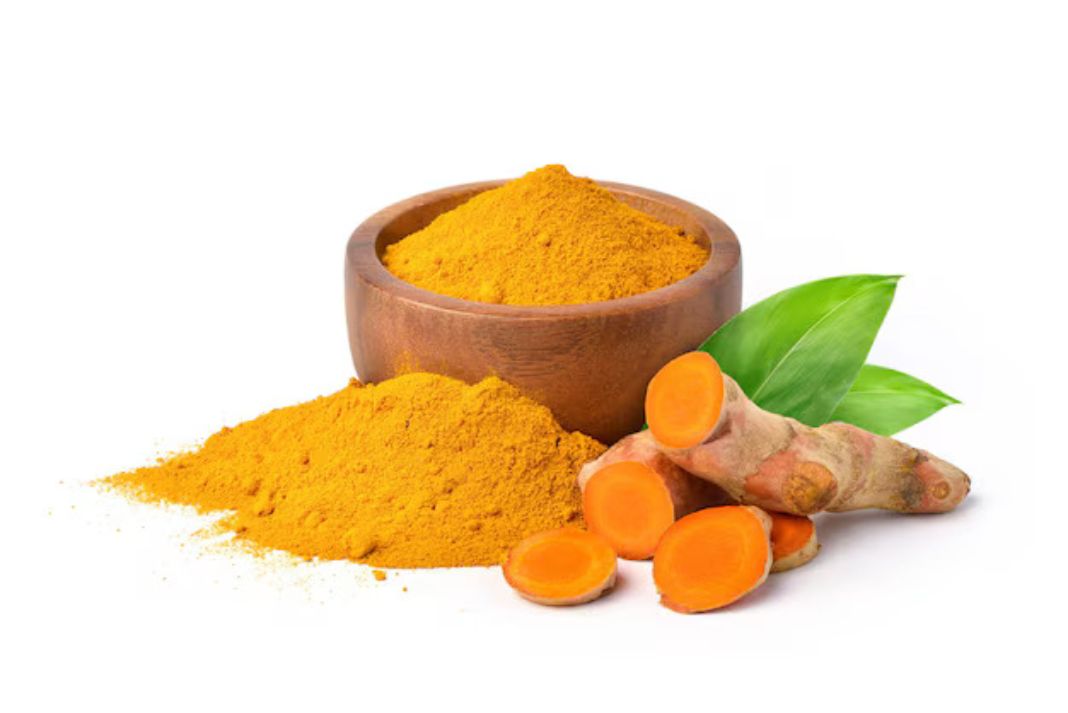
17. Turmeric Paste
Mechanism
Curcumin exhibits strong anti-inflammatory, antioxidant, and mild antimicrobial effects.Usage Instructions
Mix 1 tsp turmeric powder with water to form paste.
Apply externally for 10 minutes, rinse, and pat dry. Do this 2× weekly.
Risks/Side Effects
Can stain fabrics and mildly irritate acne-prone skin when used too frequently.Scientific Evidence
Traditional anti-inflammatory use is well-supported; clinical studies for intimate use are scarce.
18. Prebiotic Wash (Inulin or GOS)
Mechanism
Feeds beneficial Lactobacilli, supporting microbiome health and pH stability.Usage Instructions
Dissolve 2 g inulin (or galacto-oligosaccharides) in 200 mL lukewarm water.
Rinse external vulva once a week.
Risks/Side Effects
Rare possibility of mild skin reaction; patch-test recommended.Scientific Evidence
Emerging preclinical data show prebiotics enhance Lactobacilli growth; clinical trials are ongoing.
19. Fresh Lime Leaf Brew
Mechanism
Limonene in lime leaves has demonstrated antimicrobial and antifungal potential against pathogens.Usage Instructions
Boil a handful of fresh lime leaves in 500 mL water, simmer 10 minutes.
Cool, strain, and use as external rinse once weekly.
Risks/Side Effects
Citrus photosensitization risk; avoid sun exposure afterward. Patch-test required.Scientific Evidence
Traditional herbal antimicrobial claims exist; clinical efficacy not well-studied.
20. Herbal Feminine Wash (Chamomile + Aloe Vera)
Mechanism
Combines soothing flavonoids and polysaccharides to balance inflammation and pH.Usage Instructions
Mix chamomile tea (cooled) with equal part aloe gel.
Use externally for 5 min, daily or during mild irritation.
Risks/Side Effects
Ragweed-sensitive individuals should avoid chamomile; patch-test recommended.Scientific Evidence
Each component has clinical support; combined usage is widely recommended in gynecologic herbal care.
🧩 Mechanisms in Detail
Lactobacilli produce lactic acid, hydrogen peroxide, bacteriocins—maintaining low-pH defense Clinikally+15Wikipedia+15PubMed+15
Antimicrobials like allicin, carvacrol, limonene disrupt pathogen membranes
Anti-inflammatories such as aloe, chamomile, turmeric reduce itching and swelling by modulating cytokines
🧠 Expert Insights
Dr. Michelle Swer (Karolinska Institutet):
“A healthy vaginal microbiome is dominated by Lactobacillus… avoid douching; mild soap and water are sufficient” Healthshots+15The Guardian+15Verywell Health+15
Dr. Sameena Rahman (OB/GYN, Chicago):
“Rub on aloe vera… only on exterior—using it inside can cause burning” Megawecare+2Real Simple+2instyle.com+2
🔄 Structured Routine
Daily:
Morning/evening rinse with lukewarm water
Apply aloe-coconut external moisturizer
2–3×/week:
Yogurt or chamomile rinse
Rose water soothing spray
Weekly:
ACV bath
Baking soda flush
Prebiotic wash
For Symptoms (Itch, Dryness, Odor):
Add tea tree diluted or garlic wash
Use boric acid suppository for persistent imbalances (after professional consultation)
⚠️ Risks & Warnings
Never douche internally
Always dilute potent agents (e.g., tea tree, oregano, ACV)
Patch-test new ingredients
Discontinue if burning, redness, unusual discharge occurs
Consult a doctor before boric acid use, during pregnancy, or when symptoms persist
❓ FAQs
How long to see results?
Typically within 1–2 weeks of consistent use; severe cases may require medical treatment.Are home remedies as effective as prescriptions?
Mild imbalances may respond well, but infections like BV/yeast often need antibiotics or antifungals first.Can I use multiple remedies together?
Yes—gently; avoid combining strong acids like ACV and baking soda in one routine to prevent pH shocks.Is yogurt safe internally?
External use is fine; internal use requires clean probiotics and doctor guidance.Frequency of boric acid use?
Generally 5–7 nights; further use only under medical supervision.Can essential oils cause harm?
Yes—use carrier oil, patch test, and avoid mucosal contact.When to seek medical help?
If symptoms persist beyond two weeks, worsen, or include fever—consult a gynae/dermatologist.
✅ Final Take
Natural intimate washes—like water, yogurt, aloe, chamomile, ACV, boric acid—can support vaginal health if used gently, consistently, and with awareness. Their effectiveness depends on individual conditions; while safe for mild imbalances, persistent symptoms should prompt medical evaluation.
🧾 Disclaimer
This guide is informational, not a substitute for professional medical advice. Always consult a qualified healthcare professional before starting any new intimate hygiene routine, especially during pregnancy or with persistent symptoms.