
Muscle pain, whether from intense workouts, chronic conditions, or daily stress, is a common ailment affecting many individuals. While over-the-counter medications offer relief, natural remedies like ginger wraps have gained popularity for their anti-inflammatory and analgesic properties. This guide delves into the science behind ginger wraps, their preparation, usage, and comparisons with other treatments.
🧠 Understanding Muscle Pain
Muscle pain, or myalgia, can result from various factors:
Overexertion: Intense physical activity can lead to delayed onset muscle soreness (DOMS).
Injuries: Strains, sprains, or trauma can cause localized pain.
Medical Conditions: Conditions like fibromyalgia or infections can manifest as muscle pain.
Understanding the root cause is essential for effective treatment.Pinterest
🫚 Ginger: A Natural Remedy
Ginger (Zingiber officinale) has been used for centuries in traditional medicine. Its active compounds, including gingerols and shogaols, possess anti-inflammatory and analgesic properties. Studies have shown that ginger can reduce muscle pain and soreness, making it a valuable natural remedy.
🔬 Mechanism of Action
Ginger’s effectiveness in alleviating muscle pain is attributed to several mechanisms:
Anti-inflammatory Effects: Ginger inhibits cyclooxygenase (COX) and lipoxygenase (LOX) pathways, reducing the production of pro-inflammatory prostaglandins and leukotrienes.
Antioxidant Properties: It scavenges free radicals, reducing oxidative stress and inflammation.
Analgesic Effects: Ginger compounds can modulate pain receptors, leading to decreased pain perception.
🧾 Preparing a Ginger Wrap
Ingredients:
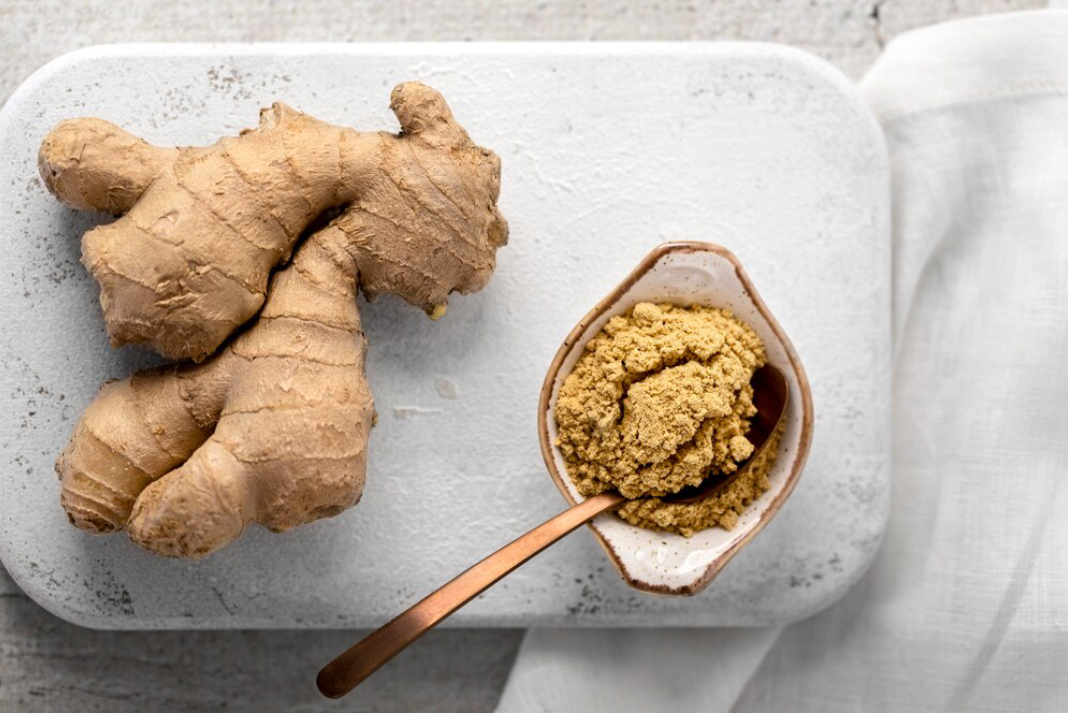
Fresh ginger root (approximately 2 inches)
Clean cloth or gauze
Hot water
Instructions:
Grate the fresh ginger root.
Place the grated ginger in a cloth and tie it securely.
Immerse the ginger-filled cloth in hot water for 5 minutes.
Remove and let it cool slightly to a comfortable temperature.
Apply the warm compress to the affected area for 15-20 minutes. i-endo.com
📋 Application Guidelines
Frequency: Apply the ginger wrap 2-3 times daily for optimal results.
Duration: Each session should last between 15-20 minutes.
Consistency: Regular application over several days enhances effectiveness.
⚖️ Comparative Analysis with Other Treatments
| Treatment | Mechanism | Advantages | Disadvantages |
|---|---|---|---|
| Ginger Wrap | Anti-inflammatory, analgesic | Natural, minimal side effects | May cause skin irritation |
| NSAIDs | COX inhibition | Rapid pain relief | Gastrointestinal side effects |
| Cold Compress | Reduces blood flow, numbs area | Immediate relief | Temporary effect |
| Physical Therapy | Strengthens muscles, improves mobility | Long-term benefits | Requires time and commitment |
⚠️ Potential Risks and Precautions
While ginger wraps are generally safe, consider the following:
Skin Sensitivity: Some individuals may experience redness or irritation.
Allergic Reactions: Rare but possible; discontinue use if rash or itching occurs.
Pregnancy and Medications: Consult a healthcare provider if pregnant or on medications, especially blood thinners. YouTube+57painexam.libsyn.com+57healthinthebay.com.au+57
👩⚕️ Expert Opinions
Dr. Christopher D. Black from Georgia College & State University conducted a study where participants consuming ginger experienced about 25% less muscle pain after exercise compared to a placebo group.
❓ 10 FAQs About Ginger Wraps for Muscle Pain
1. 🕒 How long does it take for a ginger wrap to relieve muscle pain?
Ginger wraps can begin relieving mild muscle pain within 15–20 minutes of application. For chronic or deep tissue pain, consistent daily use over 3–5 days shows more noticeable improvement due to the cumulative anti-inflammatory effects.
2. 🔁 Can I use ginger wraps multiple times a day?
Yes. It’s safe to apply ginger wraps 2–3 times daily, each session lasting 15–20 minutes, unless there is skin irritation. Frequent use helps maintain blood flow and reduce muscle tension naturally.
3. ⚖️ Are ginger wraps better than heat pads or cold compresses?
Ginger wraps combine heat therapy + active anti-inflammatory compounds, giving them a dual effect. While heat pads only provide warmth, ginger actively reduces inflammation. Cold compresses are better immediately after injury, while ginger is ideal for ongoing soreness or stiffness.
4. 🧂 Can I mix ginger with other ingredients like turmeric or Epsom salt for extra relief?
Absolutely. Adding turmeric (anti-inflammatory) or soaking the wrap in Epsom salt water (magnesium-rich) can enhance pain relief, especially for muscle cramps or arthritis. Always patch-test combinations first.
5. 🧴 Can I use powdered ginger or ginger essential oil instead of fresh ginger?
You can, but fresh ginger contains higher levels of gingerol and shogaol—the compounds most effective against inflammation. If using powder, mix it into a paste with warm water. Essential oil must be diluted in a carrier oil before applying to avoid burns.
6. 🤕 Is it safe to use ginger wraps on injuries or open wounds?
❌ No. Do not apply ginger wraps over open wounds, bruises, or broken skin, as the intense compounds can cause burning or irritation. Only use on intact, sore muscles.
7. 🧒 Can children or elderly people use ginger wraps?
Generally yes, but with caution. Use milder concentrations and ensure the wrap is not too hot. For children under 6, consult a pediatrician. Elderly skin is thinner and more sensitive—test temperature and sensitivity before full use.
8. 💊 Can I combine ginger wraps with painkillers or muscle relaxants?
Yes, ginger wraps are natural and non-interactive with most medications. However, if you’re on blood thinners or anti-inflammatory medications, consult a doctor as ginger has mild blood-thinning properties.
9. 🌡️ Why does the skin sometimes turn red after using ginger wraps?
Ginger increases blood circulation, which can cause temporary redness or warmth. This is usually harmless and subsides in 30–60 minutes. If burning or itching occurs, discontinue use and wash the area with cool water.
10. 📆 How long can I keep using ginger wraps for chronic pain?
You can safely use ginger wraps for up to 2 weeks continuously, as long as there are no side effects. For chronic pain (e.g., arthritis), consider rotating natural therapies to avoid skin sensitivity.
📝 Conclusion
Ginger wraps offer a natural, cost-effective method for alleviating muscle pain. Their anti-inflammatory and analgesic properties make them a valuable addition to pain management strategies. However, it’s essential to monitor for any adverse reactions and consult healthcare professionals when necessary.
Disclaimer: This guide is for informational purposes only and does not substitute professional medical advice. Always consult with a healthcare provider before starting any new treatment.