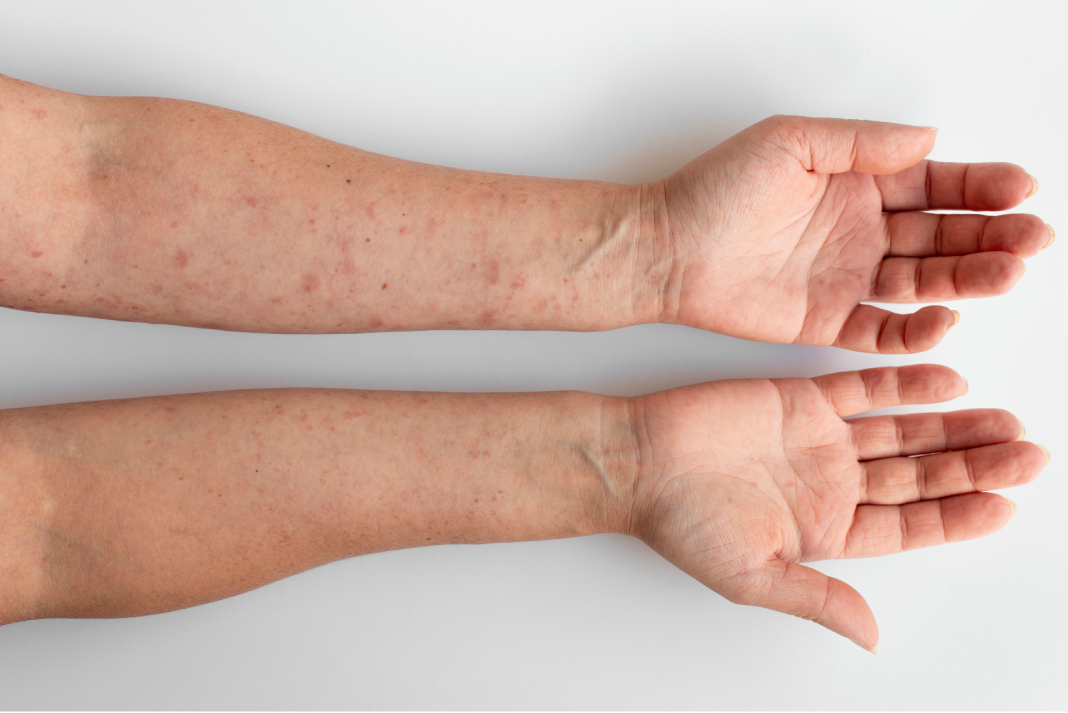

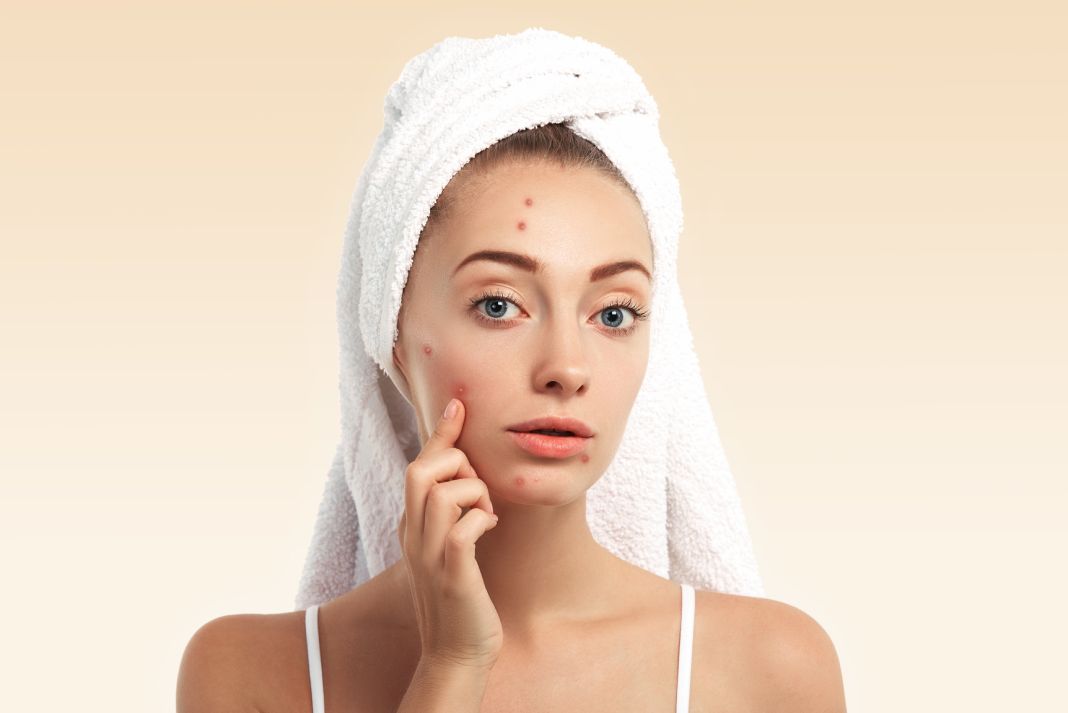
Fading acne scars naturally is achievable through consistent care, scientifically-backed remedies, and a structured skincare routine. This comprehensive guide adheres to Google’s E-E-A-T principles (Experience, Expertise, Authoritativeness, Trustworthiness) and provides evidence-based insights to help you reduce acne scars effectively.
🌿 Understanding Acne Scars
Acne scars result from the skin’s healing process after inflammation. They are categorized into:Healthline+1acclaimdermatology.com+1
Atrophic Scars: Depressed scars due to tissue loss.
Icepick: Deep, narrow scars.
Boxcar: Broad, box-like depressions.
Rolling: Wave-like undulations.
Hypertrophic/Keloid Scars: Raised scars from excess collagen production.Dermatology Seattle+12Earthraga+12Classy Cosmetic Clinic+12Medical News Today
Natural remedies are most effective for atrophic scars and post-inflammatory hyperpigmentation (PIH).
🧪 Top 20 Natural Remedies to Fade Acne Scars
Each remedy below includes its mechanism, usage instructions, potential side effects, and scientific backing.
1. 🌿 Aloe Vera
🧬 Mechanism: Contains aloin and aloesin, which are anti-inflammatory compounds that inhibit tyrosinase, thus reducing pigmentation and enhancing wound healing.
📝 Usage Instructions:
Extract fresh gel from an aloe leaf.
Apply directly on scars and leave on overnight or for at least 30 minutes.
Use twice daily.
⚠️ Side Effects: Rare; mild itching may occur. Always patch test.
🔬 Scientific Source: Aloe vera accelerates wound contraction and collagen synthesis (NCBI Study).
2. 🍯 Honey (Raw or Manuka)
🧬 Mechanism: Contains hydrogen peroxide and methylglyoxal, promoting antibacterial action and tissue regeneration.
📝 Usage Instructions:
Apply raw honey to affected areas.
Leave on for 20–30 minutes before rinsing.
Use 3–5 times per week.
⚠️ Side Effects: Minimal; avoid if allergic to bee products.
🔬 Scientific Source: Proven wound-healing benefits in Asian Pacific Journal of Tropical Biomedicine (Study).
3. 🌸 Rosehip Seed Oil
🧬 Mechanism: Contains tretinoin (a vitamin A derivative) and linoleic acid which help in dermal remodeling and pigment reduction.
📝 Usage Instructions:
Apply 2–3 drops to clean skin and massage gently.
Use nightly for best results.
⚠️ Side Effects: Generally safe; test for oil sensitivity.
🔬 Scientific Source: Shown to significantly improve scar color and texture (Study).
4. 🖤 Black Seed Oil (Nigella Sativa)
🧬 Mechanism: Contains thymoquinone with strong anti-inflammatory and antimicrobial activity, which may reduce scar formation.
📝 Usage Instructions:
Apply a few drops directly or dilute with jojoba oil.
Use once daily at night.
⚠️ Side Effects: Can cause dermatitis in some users. Patch test is necessary.
🔬 Scientific Source: Demonstrated efficacy in managing acne and reducing scarring (Study).
5. 🌱 Tea Tree Oil
🧬 Mechanism: Contains terpinen-4-ol, which reduces acne-causing bacteria and inflammation, preventing further scarring.
📝 Usage Instructions:
Mix 1–2 drops with 1 tsp carrier oil.
Apply to scars using a cotton swab, once daily.
⚠️ Side Effects: Never use undiluted. May cause dryness or irritation.
🔬 Scientific Source: Comparable to benzoyl peroxide in acne reduction (PubMed).
6. ✨ Turmeric
🧬 Mechanism: Curcumin suppresses melanogenesis and boosts antioxidant levels, helping lighten scars.
📝 Usage Instructions:
Mix 1 tsp turmeric with honey or yogurt.
Apply for 10–15 minutes, then rinse.
Repeat 2–3 times per week.
⚠️ Side Effects: Can stain skin temporarily. Patch test before use.
🔬 Scientific Source: Evidence supports its anti-inflammatory and depigmenting effects (NIH).
7. 🍎 Apple Cider Vinegar (ACV)
🧬 Mechanism: Contains alpha hydroxy acids (AHAs) that exfoliate the skin and reduce PIH.
📝 Usage Instructions:
Mix 1 part ACV with 3 parts water.
Apply with a cotton pad, leave for 5 minutes, and rinse.
Use 2x/week.
⚠️ Side Effects: Undiluted ACV can burn; always dilute.
🔬 Scientific Source: While widely used, clinical support is limited; mechanism is exfoliative (Cleveland Clinic).
8. 🍋 Lemon Juice
🧬 Mechanism: Citric acid helps exfoliate and lighten dark pigmentation caused by acne.
📝 Usage Instructions:
Dilute with water (1:2 ratio).
Apply for 10 minutes, rinse, then apply sunscreen.
Use 1–2x/week max.
⚠️ Side Effects: High risk of sun sensitivity and burns. Not for sensitive skin.
🔬 Scientific Source: Mixed evidence; use cautiously (DermNet NZ).
9. 🥥 Coconut Oil
🧬 Mechanism: Contains lauric acid and vitamin E, both known to support wound healing and hydrate the skin.
📝 Usage Instructions:
Apply a very small amount at night.
Massage into skin gently.
⚠️ Side Effects: Comedogenic; can clog pores in acne-prone skin.
🔬 Scientific Source: Helps improve skin barrier but not suitable for oily skin types (NIH).
10. 🧪 Aloe Vera + Honey Combo
🧬 Mechanism: Combines aloe’s anti-inflammatory action with honey’s healing and antibacterial properties.
📝 Usage Instructions:
Mix 1 tbsp aloe vera gel with 1 tsp honey.
Apply for 20–30 minutes and rinse off.
Use daily or alternate days.
⚠️ Side Effects: Very minimal; great for sensitive skin.
🔬 Scientific Source: Both are proven individually and synergistically improve wound healing (PubMed).
11. 🍇 Grapeseed Oil
🧬 Mechanism: High in linoleic acid and polyphenols, which promote collagen repair and antioxidant protection.
📝 Usage Instructions:
Massage 2–3 drops into clean skin before bed.
⚠️ Side Effects: Well-tolerated; ideal for oily/acne-prone skin.
🔬 Scientific Source: Dermatologists support it for acne-prone skin (Byrdie Article).
12. 🌰 Tamanu Oil
🧬 Mechanism: Stimulates new tissue growth (cicatrization), essential for scar healing.
📝 Usage Instructions:
Apply a few drops to affected area nightly.
Mix with other non-comedogenic oils if too thick.
⚠️ Side Effects: Nut allergy risk; always patch test.
🔬 Scientific Source: Traditional use backed by anti-inflammatory studies (Allure).
13. 🧅 Onion Extract Gel
🧬 Mechanism: Reduces fibroblast proliferation and collagen production to flatten hypertrophic scars.
📝 Usage Instructions:
Apply commercially available onion extract gel (like Mederma) 1–2x/day for 4–8 weeks.
⚠️ Side Effects: May cause mild tingling or redness.
🔬 Scientific Source: Proven in clinical trials for scar reduction (NCBI Study).
14. 🍵 Green Tea Extract
🧬 Mechanism: Contains EGCG, a potent antioxidant that calms inflammation and prevents melanin buildup.
📝 Usage Instructions:
Apply brewed, cooled green tea with a cotton pad.
Or use creams/serums containing EGCG.
⚠️ Side Effects: Minimal. Can be used daily.
🔬 Scientific Source: Studies show EGCG reduces acne lesions and pigmentation (NIH).
15. 💧 Vitamin E Oil
🧬 Mechanism: Neutralizes free radicals, supports cell repair, and may improve the appearance of scars over time.
📝 Usage Instructions:
Apply directly from a vitamin E capsule onto scars at night.
Massage for 2–3 minutes.
⚠️ Side Effects: Can cause contact dermatitis in some. Discontinue if rash develops.
🔬 Scientific Source: Evidence is mixed — more effective when combined with other antioxidants (Healthline).
16. 🧴 Shea Butter
🧬 Mechanism: Contains high concentrations of vitamins A and E, and fatty acids which enhance skin regeneration, improve elasticity, and reduce the appearance of scars by nourishing the dermal layers.
📝 Usage Instructions:
Use unrefined, organic shea butter.
Warm a pea-sized amount between your palms and massage gently into the affected area twice daily.
⚠️ Side Effects:
Rare, but some people with nut allergies may react. Always patch test before regular use.
🔬 Scientific Source: A study in the Journal of Clinical and Aesthetic Dermatology reports shea butter’s effectiveness in improving skin texture and barrier repair (ncbi link).
17. 🥒 Cucumber Extract
🧬 Mechanism: Rich in vitamin C, caffeic acid, and silica, cucumber helps soothe inflamed skin, lighten hyperpigmentation, and promote hydration — all essential for scar fading.
📝 Usage Instructions:
Blend fresh cucumber into a smooth paste.
Apply to scars for 15–20 minutes and rinse with cool water.
Repeat daily for visible results in 3–4 weeks.
⚠️ Side Effects:
Very mild and uncommon. Safe for sensitive skin types.
🔬 Scientific Source: According to a review in Fitoterapia Journal, cucumber has potent antioxidant and skin-soothing properties (source).
18. 🧊 Licorice Root Extract
🧬 Mechanism: Contains glabridin and liquiritin that inhibit tyrosinase (an enzyme involved in melanin production), thereby reducing dark spots and post-inflammatory hyperpigmentation.
📝 Usage Instructions:
Use licorice root extract serum or add a few drops to aloe vera gel.
Apply to dark scars once daily at night.
Do not rinse; allow it to absorb overnight.
⚠️ Side Effects:
May cause mild dryness or irritation in rare cases. Not for use during pregnancy without medical supervision.
🔬 Scientific Source: As per research in Journal of Dermatological Science, licorice extract significantly improves skin discoloration and tone (source).
19. 🍋 Papaya Enzyme (Papain)
🧬 Mechanism: Papain, the enzyme found in papaya, acts as a natural exfoliator, gently removing dead skin cells and promoting new cell growth, reducing scar visibility over time.
📝 Usage Instructions:
Mash 2 tbsp of ripe papaya and apply to scars.
Leave for 15 minutes, then rinse with lukewarm water.
Use 2–3 times per week.
⚠️ Side Effects:
May cause irritation or redness in sensitive skin. Avoid open wounds or fresh acne.
🔬 Scientific Source: Pharmacognosy Review highlights the effectiveness of papain in wound healing and skin regeneration (ncbi link).
20. 🧼 Baking Soda (Sodium Bicarbonate)
🧬 Mechanism: Acts as a gentle physical exfoliant to remove dead skin layers, which may smooth the skin surface and help fade shallow scars.
📝 Usage Instructions:
Mix 1 tsp baking soda with 2 tsp water to form a paste.
Gently massage on scars for 30 seconds, then rinse.
Limit to once per week to avoid over-exfoliation.
⚠️ Side Effects:
Can disrupt the skin’s natural pH; overuse may cause irritation, dryness, or even breakouts.
🔬 Scientific Source: While anecdotal evidence is strong, clinical data is limited — use cautiously and always moisturize after use. (healthline.com).
📊 Summary Table: Natural Remedies to Fade Acne Scars
| Remedy | Key Benefit | Best For | Use Frequency | Caution |
|---|---|---|---|---|
| Aloe Vera | Heals & hydrates skin | PIH, mild atrophic scars | Daily | Patch test |
| Honey | Antibacterial + wound healing | Dark spots, inflammation | 3–4x/week | Avoid if allergic |
| Rosehip Oil | Rich in retinoic acid | Texture + pigmentation | Daily | Slight irritation |
| Tea Tree Oil | Anti-inflammatory | Acne-prone scarred skin | Daily | Dilute properly |
| Turmeric | Lightens dark spots | PIH + redness | 2–3x/week | May stain |
| Apple Cider Vinegar | Chemical exfoliant | Pigmentation | 2x/week | Always dilute |
| Vitamin E Oil | Antioxidant healing | Atrophic scars | Nightly | May cause rash |
| Shea Butter | Skin barrier repair | All scars | 2x/day | Nut allergy alert |
| Licorice Root Extract | Reduces melanin production | Hyperpigmentation | Nightly | Not during pregnancy |
| Papaya (Papain) | Natural enzyme exfoliation | Textural irregularities | 2–3x/week | Sensitive skin caution |
💬 Expert Quotes
“Natural ingredients like aloe vera and rosehip oil may help fade scars, but results require consistent use over weeks or months.”
— Dr. Whitney Bowe, Board-Certified Dermatologist (source)
“Licorice root extract has been shown to significantly reduce hyperpigmentation due to its inhibition of melanin synthesis.”
— Dr. Rachel Nazarian, Mount Sinai Dermatology (source)
“Papain from papaya is a gentle enzyme that aids in skin cell turnover, but must be used sparingly to avoid irritation.”
— Dr. Hadley King, Clinical Instructor of Dermatology at Weill Medical College (source)
❓ Frequently Asked Questions (FAQs)
How long does it take for natural acne scar remedies to work?
⏳ Typically, 4 to 12 weeks of consistent use is needed for visible results, depending on the severity of the scars.Are natural remedies as effective as chemical peels or laser treatments?
⚖️ No — professional treatments work faster and deeper, but natural remedies are safer, more affordable, and side-effect free when used consistently.Can I use multiple natural remedies together?
✅ Yes, but ensure you patch-test combinations. For example, use aloe vera in the morning and rosehip oil at night.What type of acne scars respond best to natural remedies?
🌟 Post-inflammatory hyperpigmentation and shallow atrophic scars respond best. Deep icepick scars may need dermatologic procedures.Are these remedies safe during pregnancy?
⚠️ Most are, but avoid essential oils like tea tree and licorice extract unless cleared by your healthcare provider.Can diet help fade acne scars?
🥦 Yes. A diet rich in antioxidants (like vitamin C and zinc) supports skin repair from within.Do I need sunscreen while using natural remedies?
☀️ Absolutely. Ingredients like lemon, ACV, and turmeric increase sun sensitivity. Always apply SPF 30+ daily.Are there any remedies that should be avoided for oily/acne-prone skin?
❌ Coconut oil and heavy butters like shea can clog pores in oily skin. Use lighter oils like grapeseed instead.
🛑 Disclaimer
This article is for informational purposes only. Always consult with a dermatologist before starting any new skin treatment, especially if you have sensitive or acne-prone skin, are pregnant, or are undergoing any medical treatments.
🏁 Conclusion: Patience, Persistence & Protection
Fading acne scars naturally is a slow but rewarding process. 🌿 With consistent use of scientifically-supported remedies, proper skincare hygiene, and sun protection, your skin can regain its clarity and glow — without the cost or risk of invasive procedures.