

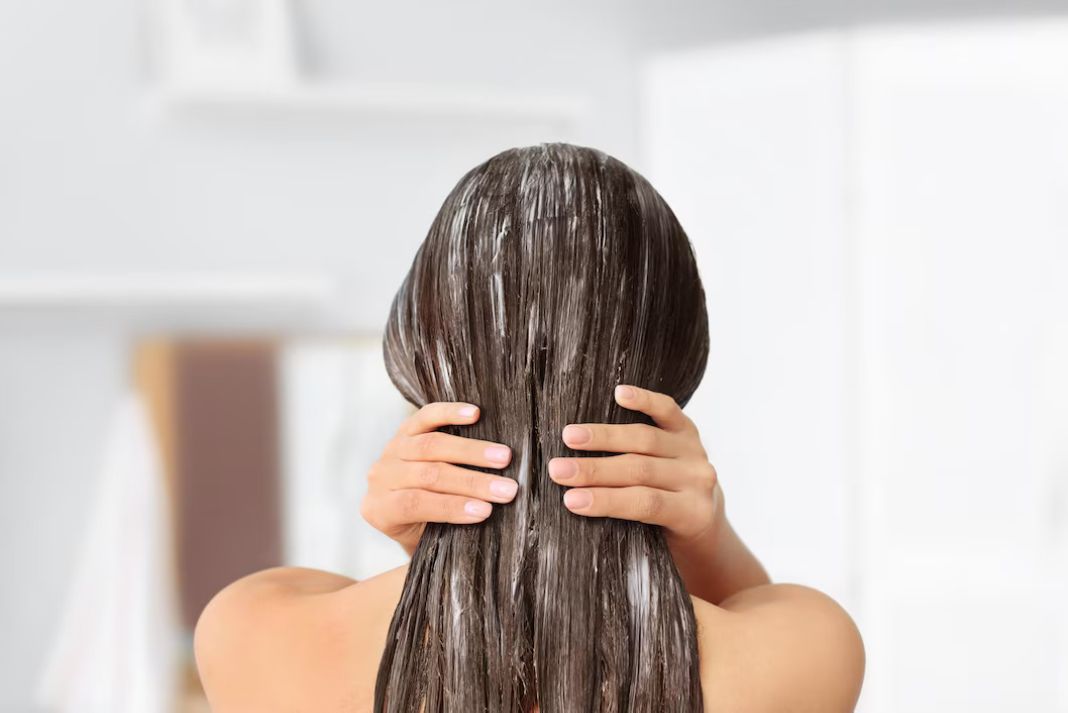
🌟 Why DIY Leave-In Conditioners Are a Game-Changer
Frizz is the hair villain we all wish to conquer—especially during humid or dry seasons. Commercial products often contain silicones, alcohols, and synthetic fragrances that offer temporary smoothness but long-term damage. Enter: DIY leave-in conditioners—a natural, cost-effective way to lock in moisture, reduce frizz, and nourish hair from root to tip.
🌿 20+ DIY Leave-In Conditioner Recipes with Scientific Backing
1. 🪴 Aloe Vera Spray
Mechanism: Contains proteolytic enzymes that repair dead skin cells and smoothen the cuticle
Step-by-step:
Mix ¼ cup fresh aloe vera gel + ½ cup distilled water
Optional: Add 3 drops lavender essential oil
Shake and spray on damp hair
Frequency: Daily
Risk: Very low
Scientific Source: PubMed
2. 🌰 Flaxseed Gel
Mechanism: Omega-3 fatty acids coat the hair shaft and provide light hold
Step-by-step:
Boil 2 tbsp flaxseeds in 1 cup water
Strain and let cool
Store in fridge for up to 5 days
Frequency: 2–3x/week
Risk: May spoil if not refrigerated
Scientific Source: ScienceDirect
3. 🥥 Coconut Milk + Honey Mist
Mechanism: Lauric acid penetrates hair shaft, honey acts as humectant
Step-by-step:
Mix 2 tbsp coconut milk + 1 tbsp honey + ½ cup water
Shake well and spritz on towel-dried hair
Frequency: 1–2x/week
Risk: May feel sticky in humid weather
Scientific Source: NCBI Coconut Oil
4. 🌾 Rice Water Leave-In
Mechanism: Inositol repairs hair damage and strengthens elasticity
Step-by-step:
Soak ½ cup rice in 1 cup water for 30 mins
Strain and refrigerate
Use as a spray after washing
Frequency: Weekly
Risk: Protein overload if overused
Scientific Source: International Journal of Cosmetic Science
5. 💧 Glycerin + Rose Water Tonic
Mechanism: Glycerin draws moisture from air, rose water balances pH
Step-by-step:
Combine 2 tbsp glycerin + ½ cup rose water
Store in a mist bottle
Use in dry climates only
Frequency: Alternate days
Risk: Avoid in humid weather—can worsen frizz
Scientific Source: Dermatology Reports
6. 🥑 Avocado + Olive Oil Cream
Mechanism: Oleic acid improves elasticity and shine
Step-by-step:
Mash ½ ripe avocado + 1 tbsp olive oil
Blend and apply small amount to hair ends
Frequency: Weekly
Risk: Can weigh down fine hair
Scientific Source: PubMed on olive oil
7. ☘️ Hibiscus Tea Spray
Mechanism: Rich in amino acids, improves keratin production
Step-by-step:
Steep hibiscus petals in hot water
Cool and strain
Spray generously post-wash
Frequency: 2x/week
Risk: May stain light hair
Scientific Source: IJPSR
8. 🍵 Green Tea Leave-In
Mechanism: Catechins reduce inflammation and oil production
Step-by-step:
Brew strong green tea
Let cool and pour into spray bottle
Frequency: 1–2x/week
Risk: May dry out already dry hair
Scientific Source: PubMed
9. 🥭 Mango Butter & Argan Oil Whip
Mechanism: Rich in stearic acid and vitamin E, improves hydration
Step-by-step:
Melt mango butter + 2 tsp argan oil
Whip to soft butter and apply to hair ends
Frequency: Weekly
Risk: Heavy for oily scalps
Scientific Source: MDPI Oils Research
10. 🥛 Yogurt Spray with Lavender
Mechanism: Lactic acid softens hair cuticle
Step-by-step:
Dilute 2 tbsp plain yogurt in ½ cup water
Add 2 drops lavender oil
Use as leave-in mist
Frequency: Weekly
Risk: Slight sour smell
Scientific Source: NCBI
11. 🥕 Carrot Seed Oil + Aloe Gel Leave-In
Mechanism: Carrot seed oil is rich in beta-carotene and antioxidants, which help protect the hair shaft from oxidative stress and dryness. Aloe vera adds hydration and a smooth texture.
Step-by-step:
Mix 1 tsp carrot seed oil with 3 tbsp fresh aloe vera gel
Whisk until emulsified
Apply to damp hair, focusing on ends
Frequency: 2x/week
Risk: May stain very light hair if used excessively
Scientific Source: PubMed – Antioxidant Benefits of Carrot Seed Oil
12. 🌼 Chamomile Tea + Vitamin E Spray
Mechanism: Chamomile soothes scalp inflammation while Vitamin E supports healthy hair follicles and enhances shine.
Step-by-step:
Steep 2 chamomile tea bags in 1 cup hot water
Add 5 drops Vitamin E oil after cooling
Pour into spray bottle and apply post-wash
Frequency: 2–3x/week
Risk: May lighten hair slightly with prolonged use
Scientific Source: PubMed
13. 🧄 Fenugreek Water Leave-In
Mechanism: Fenugreek seeds are high in mucilage and lecithin, which form a protective layer around hair strands, reducing frizz.
Step-by-step:
Soak 2 tbsp fenugreek seeds overnight in 1 cup water
Strain and use as a final rinse or mist
Frequency: 1–2x/week
Risk: Strong odor; may not suit all hair types
Scientific Source: NCBI – Fenugreek & Hair Health
14. 🥄 Honey + Green Tea Hydrating Mist
Mechanism: Honey is a natural humectant; green tea provides anti-inflammatory catechins. This combo hydrates and protects the hair cuticle.
Step-by-step:
Brew green tea and add 1 tsp raw honey
Let cool and shake well before use
Apply lightly to mid-length and ends
Frequency: Weekly
Risk: Can attract dust/pollution if applied too thick
Scientific Source: Journal of Cosmetic Dermatology
15. 🥕 Banana + Coconut Oil Cream
Mechanism: Banana softens hair with potassium and natural oils; coconut oil penetrates deeply to nourish.
Step-by-step:
Blend ½ ripe banana + 1 tsp coconut oil
Strain through cheesecloth for smooth texture
Use a pea-sized amount on damp ends
Frequency: Weekly
Risk: Can cause buildup if not rinsed occasionally
Scientific Source: PubMed – Coconut Oil
16. 🧊 Cucumber Juice + Aloe Vera Spray
Mechanism: Cucumber has cooling, anti-inflammatory properties; aloe hydrates and seals cuticle
Step-by-step:
Blend ½ cucumber + 2 tbsp aloe vera gel
Strain juice and mix with ½ cup distilled water
Use as a scalp refresher or hair mist
Frequency: 3x/week
Risk: Best kept refrigerated; spoilage risk
Scientific Source: ResearchGate – Cucumber in Hair Care
17. 🧈 Shea Butter + Grapeseed Oil Balm
Mechanism: Shea butter is high in fatty acids and vitamins; grapeseed oil adds light, non-greasy hydration
Step-by-step:
Melt 2 tbsp shea butter + 1 tbsp grapeseed oil
Whip until fluffy and creamy
Apply a small amount to hair tips before bedtime
Frequency: 1–2x/week
Risk: Too heavy for thin or oily hair
Scientific Source: MDPI Oils Study
18. 🧂 Sea Salt + Aloe Scalp Spray (for Volume + Anti-Frizz)
Mechanism: Sea salt adds texture and reduces oiliness; aloe counters drying effects
Step-by-step:
Mix 1 tsp sea salt + ½ cup aloe juice + ½ cup water
Use as a volumizing mist (not daily)
Frequency: Once/week
Risk: Can be drying if overused
Scientific Source: ScienceDirect – Sea Salt in Hair Care
19. 🫐 Blueberry Extract + Rose Water Shine Mist
Mechanism: Blueberries are antioxidant-rich, protecting against oxidative stress and UV damage.
Step-by-step:
Mash ¼ cup fresh blueberries, strain juice
Add 2 tbsp rose water + ¼ cup water
Mist lightly on dry or styled hair
Frequency: 2x/week
Risk: Can stain light-colored hair if overused
Scientific Source: PubMed – Blueberry Antioxidants
20. 🌾 Oat Milk + Vitamin B5 Spray
Mechanism: Oats are soothing, rich in beta-glucan, while B5 (panthenol) improves moisture retention and flexibility
Step-by-step:
Mix 2 tbsp oat milk + 1 capsule Vitamin B5 + ½ cup water
Spray post-wash to damp hair
Frequency: Weekly
Risk: May require refrigeration
Scientific Source: NIH – Panthenol in Hair Products
🧠 Expert Insights
“Natural leave-ins like aloe and coconut milk offer long-term benefits without the buildup caused by silicones. But consistency and moderation are key.”
— Dr. Jessica Wu, Dermatologist, L.A., Quoted in Healthline
“Flaxseed gel works similarly to commercial curl creams but without harmful preservatives. It’s ideal for textured hair.”
— Dr. Amy McMichael, Professor of Dermatology, Wake Forest School of Medicine
📋 Structured Routine: For Frizz-Free Results
| Time | Step | Product |
|---|---|---|
| Morning | Spray aloe or rose water mist | Light leave-ins |
| After Wash | Use flaxseed or coconut milk mix | Medium leave-ins |
| Before Bed | Apply mango butter or argan oil | Heavy leave-ins |
| Weekly | Apply rice water or yogurt mix | Deep nourishment |
❗ Precautions & Disclaimer
Always do a patch test before trying new ingredients.
Refrigerate recipes with perishable ingredients.
Avoid protein-rich leave-ins if you have protein-sensitive hair.
Discontinue use if any irritation or buildup occurs.
🙋♀️ FAQ: DIY Leave-In Conditioners
1. How long does it take to see results?
💬 Most users see reduced frizz within 1–2 weeks of regular use.
2. Can I use these daily?
🟢 Yes—light mists like aloe or rose water are great for daily use.
3. Will it work for curly hair?
✅ Absolutely! Flaxseed gel and coconut milk are especially curly-friendly.
4. Are these safe for colored or chemically treated hair?
⚠️ Yes, but avoid acidic or protein-rich blends if hair is freshly colored.
5. Which leave-in is best for humid weather?
🌬️ Aloe vera and rose water mists are ideal—avoid glycerin in humidity.
6. How long do homemade leave-ins last?
⏳ Most last 5–7 days refrigerated, except for oils which last longer.
7. Can I combine two remedies?
🧪 Yes! Example: Aloe + Green Tea or Argan Oil + Hibiscus
8. What if my hair becomes greasy?
🧼 Use lighter blends or reduce application quantity.
🏁 Conclusion: Say Goodbye to Frizz, Naturally
With these 20+ DIY leave-in conditioners, you now have everything you need to tame the frizz without relying on harsh chemicals. From lightweight mists to rich butters, each recipe is tailored to provide deep hydration, cuticle sealing, and long-term softness—the science-backed, safe way.
✨ Frizz-free hair starts at home—start your natural routine today!
Disclaimer: This guide is for informational purposes only. Consult a trichologist or dermatologist for personalized hair care advice.