

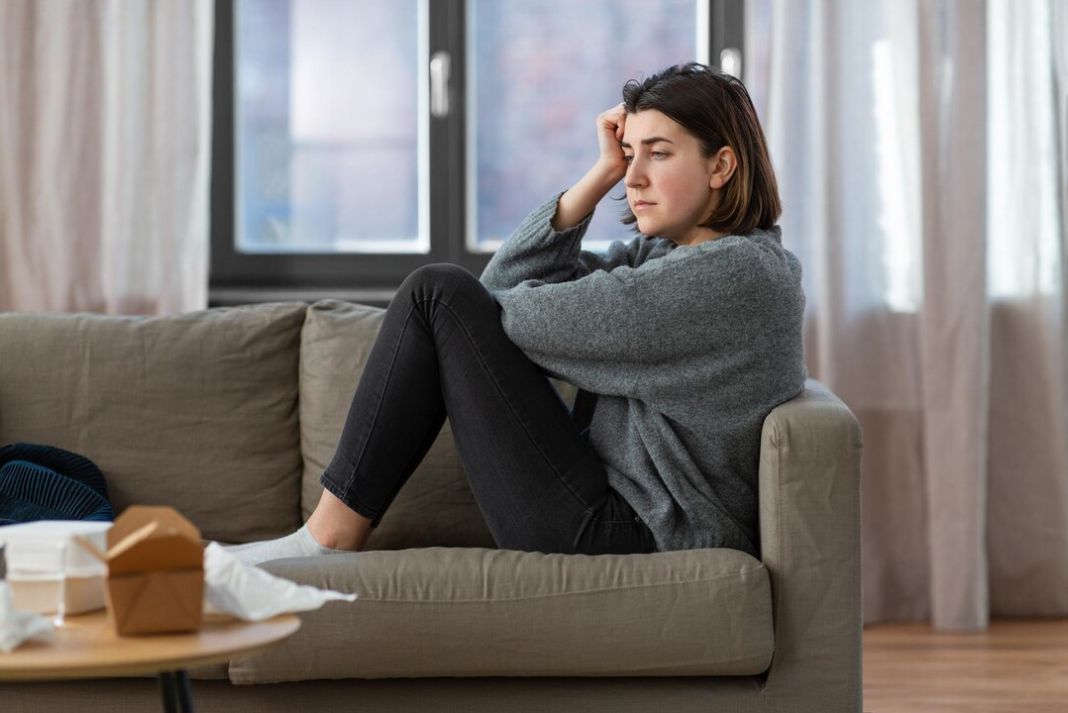
Anxiety is more than just worry — it’s a chronic state that can affect your mental, emotional, and physical health. With increasing interest in holistic wellness, essential oils have gained traction as fast-acting natural tools to reduce anxiety symptoms. This guide explores 20 scientifically-supported essential oils, how they work, how to use them safely, and what experts say.
🌱 How Do Essential Oils Help with Anxiety?
Essential oils interact with the olfactory system, triggering the limbic brain — the center of emotions. This can influence mood, heart rate, stress hormones, and neurotransmitter balance.
🧪 A 2017 review in Evidence-Based Complementary and Alternative Medicine found that aromatherapy significantly reduced anxiety levels in patients across multiple clinical settings. (PubMed)
Mechanisms include:
- Modulating cortisol levels
- Activating GABAergic pathways (calming neurotransmitters)
- Supporting parasympathetic nervous system activation (rest-digest response)
🌼 In-Depth Remedies with Step-by-Step Usage
1. Lavender Oil (Lavandula angustifolia)
- Mechanism: Enhances GABA levels, reducing CNS arousal.
- Usage:
- Add 4–6 drops to a diffuser.
- Or dilute 2–3 drops in 1 tsp carrier oil for temples/neck.
- Research: Proven to reduce anxiety in dental and hospital settings (source)
- Risks: Can cause drowsiness in high doses.
2. Bergamot Oil (Citrus bergamia)
- Mechanism: Elevates serotonin and dopamine.
- Usage:
- Inhale directly or diffuse for 15–30 minutes.
- Study: Shown to reduce anxiety in women waiting for surgery (PubMed)
- Risks: Phototoxic — avoid sun exposure post topical use.
3. Chamomile Oil (Matricaria recutita)
- Mechanism: GABA modulation; calming effects.
- Usage:
- Add 5 drops to warm bath or use in massage oil.
- Risks: Allergy risk for people sensitive to ragweed.
4. Frankincense Oil (Boswellia carterii)
- Mechanism: Enhances mindfulness and parasympathetic tone.
- Usage:
- Add 2 drops to diffuser during meditation.
- Risks: None known in therapeutic doses.
5. Rose Oil (Rosa damascena)
- Mechanism: Regulates HR, BP, and emotion centers in the brain.
- Usage:
- Apply diluted to pulse points.
- Study: Reduces labor anxiety in pregnant women (NCBI)
- Risks: High cost, possible skin sensitivity.
6. Clary Sage Oil (Salvia sclarea)
- Mechanism: Contains linalyl acetate and sclareol — compounds that regulate cortisol and reduce nervous system hyperactivity.
- Usage:
- Mix 3 drops with carrier oil and apply to abdomen or feet.
- Diffuse during meditation or bedtime.
- Research: Known to lower cortisol in laboring women (NCBI)
- Risks: Avoid during pregnancy in early trimesters.
7. Rose Oil (Rosa damascena)
- Mechanism: Stimulates dopamine and oxytocin release; reduces blood pressure.
- Usage:
- Use 2–3 drops in diffuser or apply diluted to heart chakra area.
- Study: Reduced depression and anxiety in postpartum women (PubMed)
- Risks: May cause irritation on sensitive skin.
8. Sandalwood Oil (Santalum album)
- Mechanism: Promotes alpha wave activity in the brain — associated with calm states.
- Usage:
- Diffuse before sleep.
- Use as perfume by mixing 1–2 drops in jojoba oil.
- Study: Reduced wakefulness and improved calmness in cognitive tests.
- Risks: None in diluted form.
9. Vetiver Oil (Chrysopogon zizanioides)
- Mechanism: Strengthens CNS, used in Ayurvedic medicine for grounding.
- Usage:
- Mix with lavender in diffuser for night routine.
- Risks: Very thick; blend well before diffusing.
10. Neroli Oil (Citrus aurantium)
- Mechanism: Interacts with serotonin and reduces anxiety during high-stress events.
- Usage:
- Inhale from a tissue or add 3–5 drops to diffuser.
- Study: Reduced anxiety in pre-operative patients (PubMed)
- Risks: None known.
11. Cedarwood Oil (Cedrus atlantica)
- Mechanism: Contains cedrol, which acts as a mild sedative.
- Usage:
- Diffuse 30 minutes before bed.
- Apply to soles of feet.
- Risks: Patch test required due to potential allergic reaction.
12. Patchouli Oil (Pogostemon cablin)
- Mechanism: Acts on dopamine pathways, promotes emotional grounding.
- Usage:
- Combine with bergamot for day use.
- Risks: May be too strong for some users; always dilute.
13. Sweet Orange Oil (Citrus sinensis)
- Mechanism: Stimulates serotonin and relieves mild depression and anxiety.
- Usage:
- Inhale directly from palms or diffuse for 20 mins.
- Study: Shown to reduce stress hormone levels in lab settings (PubMed)
- Risks: Phototoxic if applied and exposed to sunlight.
14. Geranium Oil (Pelargonium graveolens)
- Mechanism: Balances hormonal activity and soothes nerves.
- Usage:
- Massage into neck/shoulders with carrier oil.
- Risks: May trigger allergies in sensitive skin.
15. Jasmine Oil (Jasminum grandiflorum)
- Mechanism: Increases alert calmness; boosts serotonin.
- Usage:
- Inhale from cotton ball or use in roll-on.
- Study: Increased positive emotions during stress exposure.
- Risks: May cause photosensitivity.
16. Lemon Balm Oil (Melissa officinalis)
- Mechanism: Mild sedative effects; reduces anxiety and promotes rest.
- Usage:
- Add to night diffuser or mix with Epsom salt in bath.
- Risks: Expensive and prone to adulteration.
17. Marjoram Oil (Origanum majorana)
- Mechanism: Relaxes muscles and nerves; used for hypertension and stress.
- Usage:
- Use during massage therapy.
- Risks: Avoid during pregnancy.
18. Basil Oil (Ocimum sanctum)
- Mechanism: Adaptogen; helps regulate cortisol.
- Usage:
- Combine with clary sage or peppermint for mood-lifting blends.
- Risks: Avoid in pregnancy.
19. Peppermint Oil (Mentha piperita)
- Mechanism: Balances mental clarity with calm; helps with anxiety-induced fatigue.
- Usage:
- Inhale or apply diluted to temples.
- Risks: Avoid near eyes or mucous membranes.
20. Eucalyptus Oil (Eucalyptus globulus)
- Mechanism: Opens breathing passages, combats anxiety-related fatigue.
- Usage:
- Steam inhalation or blend into chest rubs.
- Risks: Can be irritating in large doses.
📅 Structured Routine to Use Oils for Anxiety Relief
| Time of Day | Essential Oils | Method |
| Morning | Peppermint, Orange | Diffuse to boost mood |
| Midday | Lavender, Bergamot | Topical or diffuser |
| Evening | Chamomile, Frankincense | Bath or massage blend |
| Night | Sandalwood, Vetiver | Pillow spray or diffuser |
✅ Tip: Use carrier oils like jojoba or sweet almond to dilute oils before skin application.
🧠 Expert Quotes
“Lavender oil, through its active component linalool, directly affects GABA receptors and can mimic anti-anxiety medications like benzodiazepines.” — Dr. Jane Buckle, PhD, Clinical Aromatherapist Journal of Alternative Medicine
“Essential oils like bergamot and rose trigger olfactory stimulation that can rapidly alter mood and emotional state within minutes.” — Dr. Mehmet Oz, MD, Columbia University
❓ FAQs: Anxiety & Essential Oils
1. How long does it take for essential oils to reduce anxiety?
👉 Usually within 15–30 minutes of inhalation, depending on the oil and dosage.
2. Are essential oils as effective as anxiety medications?
🔍 No, but they offer a complementary, non-addictive way to manage symptoms.
3. Can I use essential oils daily?
✅ Yes, but rotate oils to avoid sensitization.
4. What are the safest oils for children or seniors?
🧒 Lavender, Roman Chamomile, and Frankincense.
5. Do I need a diffuser to benefit from oils?
😌 Not necessary. Inhalation, roll-ons, or baths are equally effective.
6. Can I ingest essential oils for anxiety?
⚠️ Only under certified professional guidance. Inhalation and topical use are safer.
✅ Conclusion
Essential oils offer fast-acting, non-invasive, and natural support for anxiety relief. While they are not a cure, they can significantly reduce stress, enhance calmness, and improve emotional well-being. With 20 expert-backed options and proven usage methods, your journey to mental balance can begin — drop by drop.
⚠️ Disclaimer: Essential oils are complementary remedies and should not replace professional treatment for anxiety disorders. Always consult a healthcare provider if you experience chronic or severe anxiety.