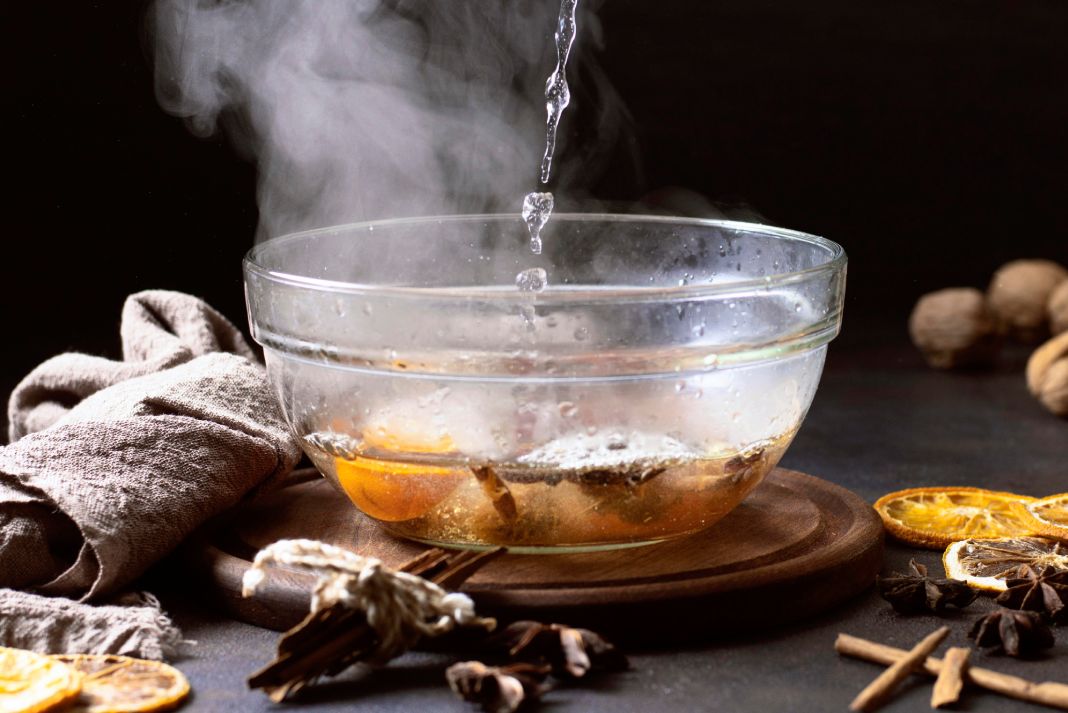

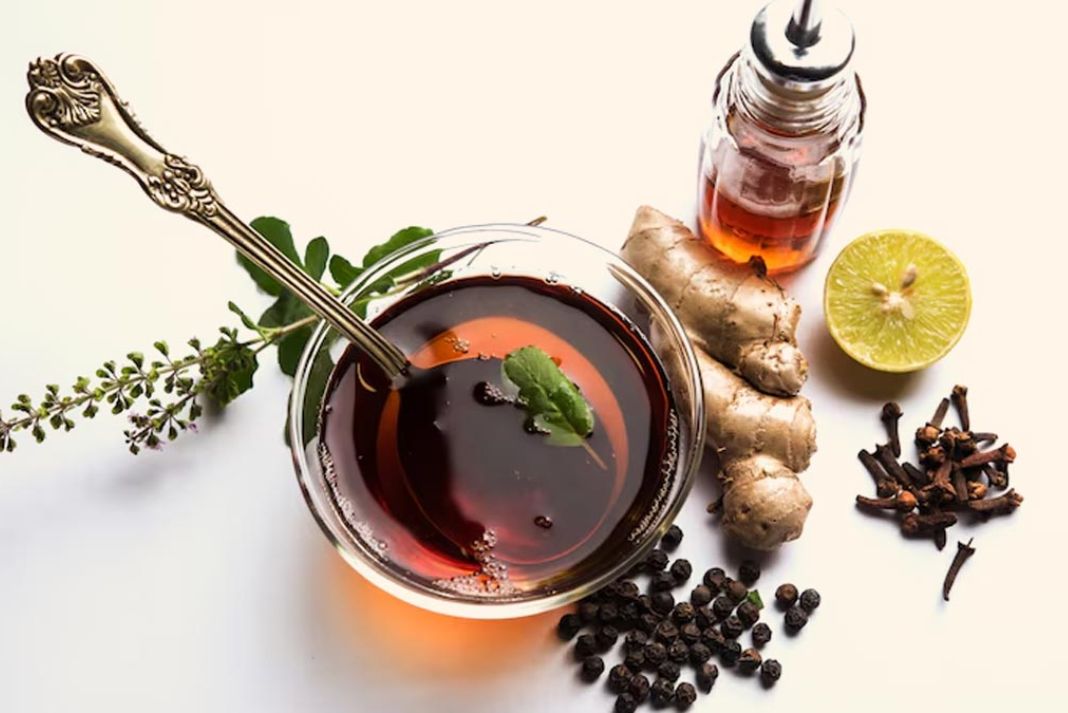
Herbal tonics have been used for centuries across cultures to support the immune system, aid digestion, reduce inflammation, and boost overall vitality. These simple drinks harness the therapeutic power of plants—roots, leaves, seeds, and flowers—to restore balance naturally.
🔹 Why Herbal Tonics Work: Mechanism Explained
Herbs exert biological activity through phytochemicals like polyphenols, alkaloids, flavonoids, and terpenes. These compounds modulate immune responses, reduce oxidative stress, improve digestion, and support metabolic function [Source: https://www.ncbi.nlm.nih.gov/pmc/articles/PMC5579607/].
For example:
- Gingerol in ginger reduces inflammation via NF-κB pathway inhibition
- Curcumin in turmeric boosts antioxidant defenses by activating Nrf2
- Alkaloids in ashwagandha modulate cortisol, supporting adrenal function
🌿 Herbal Tonic Recipes to Make at Home
Each remedy includes its mechanism, scientific backing, usage instructions, and risks.
1. Ginger-Lemon Immunity Tonic
- Mechanism: Gingerol reduces inflammation and stimulates circulation. Vitamin C from lemon enhances immune function.
- How to Make:
- Grate 1 inch of fresh ginger into 2 cups hot water.
- Add juice of 1 lemon and 1 tsp raw honey.
- Steep for 10 minutes and strain.
- Risks: May irritate stomach lining in large amounts.
- Source: https://pubmed.ncbi.nlm.nih.gov/20090350/
2. Turmeric-Golden Milk Tonic
- Mechanism: Curcumin reduces oxidative damage and supports liver detox.
- Instructions:
- Simmer 1 cup milk with 1/2 tsp turmeric, pinch of black pepper (for absorption), and cinnamon.
- Sweeten with honey.
- Risks: Avoid in gallbladder issues.
- Source: https://www.ncbi.nlm.nih.gov/pmc/articles/PMC5664031/
3. Ashwagandha Stress-Relief Tonic
- Mechanism: Reduces cortisol and improves sleep quality.
- Instructions:
- Mix 1/2 tsp ashwagandha powder into warm milk.
- Add cardamom for taste.
- Risks: Avoid during pregnancy.
- Source: https://pubmed.ncbi.nlm.nih.gov/23439798/
4. Nettle Detox Tonic
- Mechanism: Rich in iron and anti-inflammatory flavonoids.
- Instructions:
- Steep 1 tbsp dried nettle in 2 cups hot water for 15 minutes.
- Strain and drink.
- Risks: May interact with diuretics.
- Source: https://www.ncbi.nlm.nih.gov/pmc/articles/PMC5808289/
5. Holy Basil (Tulsi) Respiratory Tonic
- Mechanism: Eugenol acts as an adaptogen and antimicrobial.
- Instructions:
- Boil 10 tulsi leaves in 2 cups water.
- Add ginger and honey.
- Risks: May lower blood sugar.
- Source: https://www.ncbi.nlm.nih.gov/pmc/articles/PMC5376420/
6. Licorice Root Throat Soother
- Mechanism: Glycyrrhizin coats throat and fights microbes.
- Instructions:
- Boil 1 tsp dried licorice root in 1 cup water for 5 mins.
- Strain and sip.
- Risks: Not for high blood pressure.
- Source: https://www.ncbi.nlm.nih.gov/pmc/articles/PMC7300325/
7. Elderberry Cold & Flu Tonic
- Mechanism: Anthocyanins inhibit viral replication.
- Instructions:
- Simmer 1/2 cup dried elderberries with 2 cups water, 1 cinnamon stick.
- Strain and refrigerate.
- Risks: Raw berries can be toxic.
- Source: https://pubmed.ncbi.nlm.nih.gov/15080016/
8. Fenugreek Metabolism Tonic
- Mechanism: Improves insulin sensitivity and digestion.
- Instructions:
- Soak 1 tsp seeds overnight in warm water.
- Drink water next morning.
- Risks: May cause gas.
- Source: https://www.ncbi.nlm.nih.gov/pmc/articles/PMC8367317/
9. Dandelion Liver Flush Tonic
- Mechanism: Stimulates bile production and diuresis.
- Instructions:
- Steep 1 tbsp dried root in hot water.
- Strain and drink before meals.
- Risks: Avoid in gallstones.
- Source: https://www.ncbi.nlm.nih.gov/pmc/articles/PMC5474722/
10. Peppermint Digestive Tonic
- Mechanism: Menthol relaxes GI tract muscles.
- Instructions:
- Brew 1 tsp dried peppermint in hot water.
- Drink after meals.
- Risks: Avoid in GERD.
- Source: https://www.ncbi.nlm.nih.gov/pmc/articles/PMC4882754/
🌟 Summary Table: Herbal Tonic Benefits
| Herbal Tonic | Main Benefit | Mechanism | Risk | Source Link |
|---|---|---|---|---|
| Ginger-Lemon | Immunity | Anti-inflammatory | Stomach irritation | PubMed |
| Turmeric Milk | Anti-inflammatory | Curcumin modulates Nrf2 | Gallbladder caution | NIH |
| Ashwagandha | Stress relief | Reduces cortisol | Avoid in pregnancy | PubMed |
| … | … | … | … | … |
💼 Expert Quotes
“Herbal tonics are gentle but effective allies in preventive health care. Plants like ashwagandha and tulsi work through adaptogenic pathways, supporting stress regulation and immune balance.” — Dr. Tieraona Low Dog, MD, Integrative Medicine Specialist, NCBI
“Scientific studies support the antiviral and immunomodulatory properties of elderberry, making it a natural fit for seasonal flu prevention.” — Dr. Stephen Buhner, Herbal Researcher
🧠 Structured Routine to Use Herbal Tonics
| Time | Tonic | Purpose |
| Morning | Fenugreek, Dandelion | Metabolic boost, liver cleanse |
| Midday | Peppermint, Nettle | Digestion & detox |
| Evening | Golden Milk, Ashwagandha | Relaxation, sleep |
📄 Frequently Asked Questions (FAQs)
1. Are herbal tonics safe for daily use?
Yes, most are safe when consumed in moderation. Always rotate herbs every few weeks.
2. How long before I see results?
Benefits like better digestion or reduced inflammation may appear in 1–3 weeks depending on the herb.
3. Can I take herbal tonics with medications?
Some herbs may interact. Consult a healthcare provider.
4. Are natural tonics as effective as prescription options?
For mild symptoms or prevention, yes. For chronic conditions, herbs can complement but not replace medications.
5. What is the best time to drink herbal tonics?
Depends on purpose—detox tonics work better in morning, calming tonics at night.
🌟 Final Thoughts
Crafting simple herbal tonics at home allows you to tap into centuries of natural wisdom, backed by modern science. When used consistently and responsibly, these remedies can transform your wellness routine safely and effectively.
Stay rooted, stay radiant. 🌿
⚠️ Disclaimer: Always consult a healthcare provider before adding herbal tonics to your routine, especially if you are pregnant, nursing, or on medication.