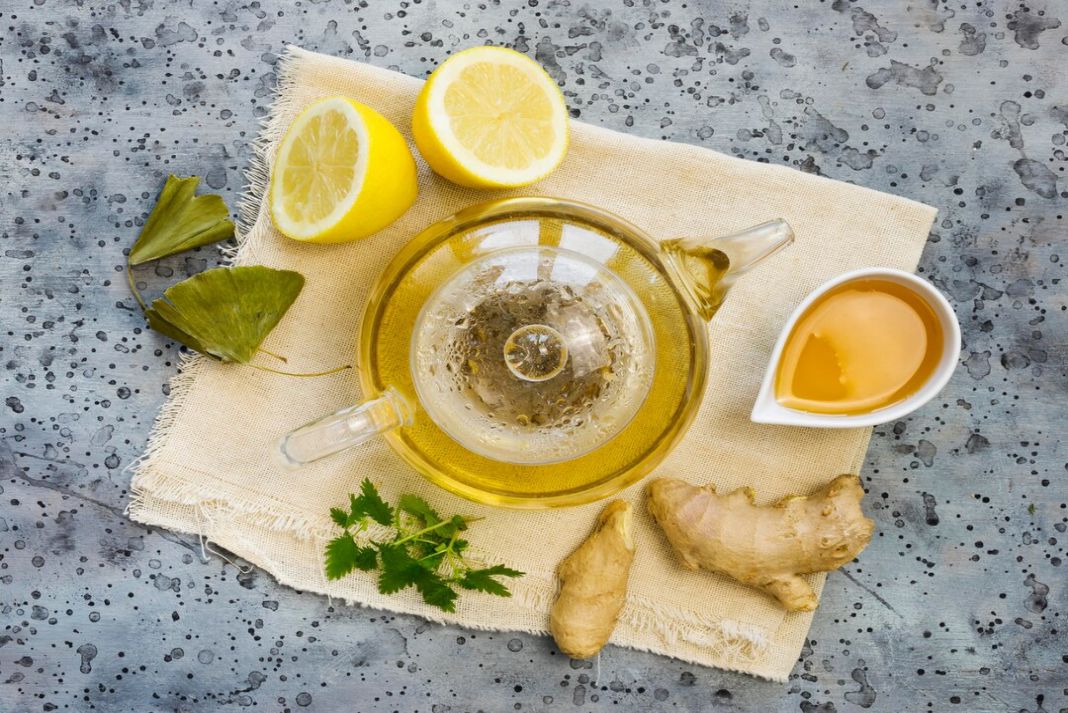


Anise tea has been a trusted digestive remedy across cultures for centuries. Known for its sweet, licorice-like flavor and carminative (gas-relieving) properties, anise (Pimpinella anisum) is gaining scientific recognition for its ability to ease bloating, reduce intestinal gas, and support smoother digestion. This comprehensive guide reveals how to make and use homemade anise tea effectively, explores 20 research-backed remedies, compares it with other natural treatments, and includes real expert quotes and FAQs.
🔬 What Makes Anise Tea Effective for Bloating?
Scientific Mechanism: Anise seeds contain bioactive compounds such as anethole, estragole, and limonene that exhibit:
- Antispasmodic action: Relaxes intestinal muscles.
- Carminative effect: Helps expel gas from the digestive tract.
- Anti-inflammatory properties: Reduces gut irritation.
Research Insight:
- A 2012 clinical trial published in ISRN Pharmaceutics found that anise significantly reduced bloating symptoms in IBS patients in just 4 weeks.
🧪 Nutritional & Medicinal Profile of Anise Seeds (per 2g):
| Component | Function |
|---|---|
| Anethole | Anti-gas, muscle relaxant |
| Flavonoids | Anti-inflammatory, antioxidant |
| Fiber | Aids digestion |
| Essential oils | Antimicrobial and soothing to gut |
🍵 How to Make Homemade Anise Tea (Base Recipe)
Ingredients:
- 1 tsp crushed anise seeds
- 1.5 cups hot water (not boiling)
Instructions:
- Crush seeds lightly using a mortar and pestle.
- Add to hot water and cover.
- Steep for 10–12 minutes.
- Strain and sip warm.
Best Time to Drink:
- 30 minutes after meals.
- Before bedtime if gas builds up overnight.
Recommended Dosage:
- 1–2 cups daily, not exceeding 3 cups.
✅ 20 Scientifically-Backed Remedies Using Anise Tea
Each remedy is based on specific symptoms, paired with complementary ingredients or techniques.
1. Anise Tea + Ginger for Post-Meal Gas
- Mechanism: Gingerol improves motility; anise relaxes gas-prone intestines.
- How to Use: Brew anise tea and add 1/2 tsp grated ginger.
- Risk: Avoid during active acid reflux.
- Source
2. Anise Tea + Peppermint for IBS-Related Bloating
- Mechanism: Menthol in peppermint eases spasms.
- Instructions: Brew both herbs and drink before high-FODMAP meals.
- Comparison: More effective than antacids in some IBS cases.
- Source
3. Anise Tea + Fennel Seeds for Severe Flatulence
- Mechanism: Fennel + anise = potent double carminative combo.
- Instructions: Mix 1/2 tsp fennel with anise.
- Risk: May cause estrogenic effects in large amounts.
- Source
4. Roasted Anise Seed Tea for Night Bloating
- Mechanism: Dry roasting intensifies oils that promote digestion.
- How to Use: Roast seeds in a dry pan, then steep.
5. Anise Cold Infusion for Hot Climate Relief
- Mechanism: Infusion prevents over-fermentation.
- Use: Soak overnight and sip chilled.
6. Anise Tea + Lemon Balm for Stress Bloating
- Mechanism: Calms nerves and gut-brain axis.
- Usage: 1:1 ratio brew; drink in the evening.
- Source
7. Anise Tea + Licorice Root for Ulcer-Induced Gas
- Mechanism: Licorice heals mucosa; anise soothes gas.
- Warning: Avoid in hypertension.
- Source
8. Anise Tea Compress for Gas Pains
- Mechanism: Topical application calms intestinal spasms.
- How: Soak cloth in hot tea and apply on abdomen.
9. Anise + Chamomile for Infant Bloating
- Mechanism: Gentle and safe for colic (under medical advice).
- Note: Pediatrician consultation mandatory.
- Source
10. Anise Tea + Cinnamon for Fermentation Gas
- Mechanism: Antimicrobial; reduces yeast and bacterial gas.
- How to Use: 1/4 tsp cinnamon per cup of anise tea.
11. Anise Seed Powder Tea for Faster Relief
- Mechanism: Powdered form extracts active compounds quickly.
- Caution: Use only freshly ground powder.
12. Anise Tea + Apple Cider Vinegar
- Mechanism: ACV improves digestion pH; anise helps expel gas.
- How: Add 1 tsp ACV to lukewarm anise tea.
13. Anise Tea + Clove for Overeating Gas
- Mechanism: Clove reduces pressure buildup post-heavy meals.
- When: Use after holiday feasts.
14. Anise + Ajwain (Carom) for Spicy Food Bloat
- Mechanism: Carom seeds break down proteins, anise prevents bloating.
- Source: Ayurveda + Modern research synergy.
15. Anise Tea + Cumin for Morning Gas
- Use: Ideal post-waking for habitual gas bloating.
16. Anise Tea with Probiotics
- Combo: Take probiotic capsule with warm anise tea.
- Effect: Restores gut flora and reduces chronic gas.
17. Anise Tea + Turmeric for Inflammation-Induced Bloat
- Mechanism: Curcumin + Anethole = gut anti-inflammatory effect.
18. Anise Tea Mouth Rinse for Sulfur Gas
- Mechanism: Neutralizes bad breath linked to gut fermentation.
19. Anise + Ginger Ice Cubes for On-the-Go Relief
- Prep: Freeze anise-ginger decoction and suck on during episodes.
20. Anise Tea + Cardamom for Fullness Bloating
- Mechanism: Cardamom reduces heaviness; anise aids movement.
🧠 Expert Opinions
Dr. Maryam Sahebkar, MD – Gastroenterology Researcher, Tehran University of Medical Sciences: “Anise seed extracts show promising potential in managing functional bloating symptoms due to their carminative and antispasmodic effects.” Source: NCBI Review
Dr. Susan Lark, Integrative Medicine Specialist: “Anise is a gentle but powerful botanical, especially when combined with fennel or peppermint in digestive cases like IBS or mild gastritis.”
📋 Summary Table of Remedies
| Remedy Combo | Primary Benefit | Risk / Caution |
| Anise + Ginger | Post-meal gas | Avoid in reflux |
| Anise + Peppermint | IBS bloating | GERD caution |
| Anise + Fennel | Severe flatulence | Estrogenic effect |
| Roasted Anise | Night gas relief | None known |
| Anise + Lemon Balm | Stress bloat | Mild sedation |
| Anise + Licorice | Ulcer support | Avoid in hypertension |
| Anise Compress | Gas cramps | Surface skin sensitivity |
| Anise + Chamomile | Infant bloating | Pediatrician approval needed |
| Anise + Cinnamon | Fermentation gas | None if moderate |
| Anise + Cardamom | Fullness relief | Rare allergy |
📆 Suggested Routine
| Time of Day | Remedy |
| Morning (fasted) | Anise + Cumin or Probiotic |
| After Meals | Anise + Ginger / Cardamom |
| Evening | Anise + Lemon Balm / Peppermint |
| Night | Roasted Anise Tea |
❓ FAQs
Q1. How long does it take for anise tea to relieve bloating?
👉 Relief often starts within 30–60 minutes after drinking.
Q2. Can I drink anise tea daily?
👉 Yes, up to 2–3 cups daily. Take breaks after 2 weeks of continuous use.
Q3. Is anise tea safe for kids?
👉 Mild doses under medical supervision are considered safe for children over 1 year.
Q4. Does anise tea interact with medications?
👉 Possibly with estrogen-sensitive conditions and diuretics. Always consult your doctor.
Q5. How is anise different from fennel?
👉 Both are carminatives but anise has stronger antispasmodic action; fennel milder on the gut.
Q6. Can pregnant women drink anise tea?
👉 Consult OB-GYN. Generally discouraged in large amounts.
Q7. What if bloating continues despite remedies?
👉 Seek medical evaluation for underlying issues like SIBO, food intolerances, or IBS.
Conclusion: Homemade anise tea is more than an old wives’ tale—it’s a science-backed, gentle remedy for bloating and gas. When used strategically with supportive herbs and correct timing, it can significantly ease discomfort without side effects. Integrate this natural remedy into your wellness toolkit today.
Disclaimer: This article is for informational purposes only. Consult a licensed healthcare provider before starting any herbal treatment.