

🌸 Why Bloating Happens Before Your Period
Many women experience bloating, heaviness, and water retention in the days leading up to their period. This is largely due to hormonal changes—especially fluctuations in estrogen and progesterone—that affect digestion, gut motility, and fluid balance.
👉 Studies show that up to 75% of menstruating women report bloating during the premenstrual (PMS) phase (PMC6723319).
Instead of relying solely on over-the-counter diuretics or antacids, incorporating specific fruits into your diet can provide natural relief. Fruits rich in potassium, fiber, water, digestive enzymes, and antioxidants can:
Reduce water retention by balancing sodium.
Improve digestion and reduce gas.
Support gut microbiota for smoother bowel movements.
Lower inflammation that worsens PMS symptoms.
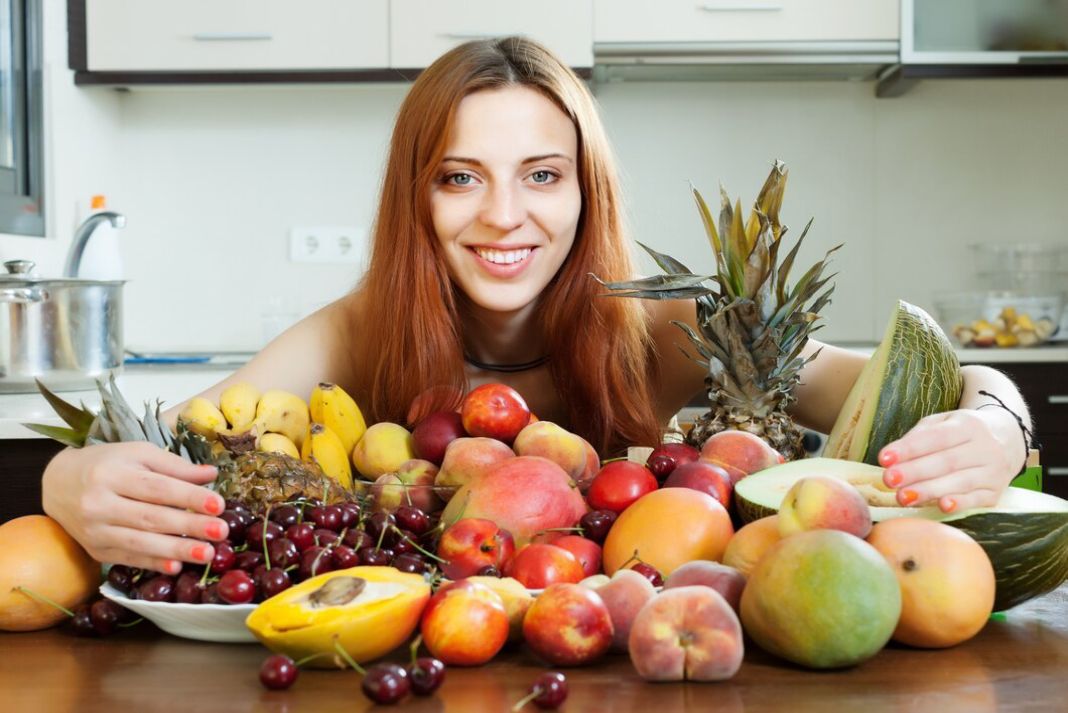
This guide explores 20 scientifically-backed fruits to reduce bloating before your period, with mechanisms, usage tips, risks, expert quotes, and comparisons.
🍇 20 Fruits That Reduce Period Bloating
1. Bananas 🍌
Mechanism: High in potassium, bananas help flush out excess sodium, reducing water retention and bloating. Fiber also regulates bowel movements.
Usage: Eat 1 medium banana daily during the week before your period. Best in smoothies, yogurt bowls, or as a snack.
Risk: Overeating may cause constipation in some sensitive individuals.
Comparison: Bananas are more effective for water retention than apples, which mainly target gut motility.
Source: Terrain Natural Medicine.
2. Papaya 🥭
Mechanism: Contains papain enzyme, which breaks down proteins, easing digestion and reducing bloating. High water and fiber content further support gut health.
Usage: Consume 1 cup of ripe papaya cubes daily. Works well on an empty stomach in the morning.
Risk: Overconsumption may lead to loose stools. Avoid if allergic to latex.
Comparison: Papaya is more effective for digestion-related bloating compared to bananas, which target fluid retention.
Expert Insight: Dr. Joseph Salhab, gastroenterologist, confirms papaya improves gut health and reduces bloating (TOI Report).
3. Pineapple 🍍
Mechanism: Rich in bromelain enzyme, which aids protein digestion and reduces gut inflammation. Acts as a natural diuretic to reduce water retention.
Usage: Have ½ cup fresh pineapple slices daily. Avoid canned (added sugar).
Risk: Excess may cause mouth irritation due to acidity.
Comparison: Pineapple works faster for gas and inflammation relief compared to papaya.
Source: Omar Gailani Clinic.
4. Kiwi 🥝
Mechanism: Contains actinidin enzyme, which enhances protein digestion. Rich in vitamin C and soluble fiber, helping prevent constipation.
Usage: Eat 1–2 kiwis daily with breakfast.
Risk: May cause allergic reactions in some.
Comparison: Kiwi is gentler on digestion than pineapple, making it better for sensitive stomachs.
Source: The Sun.
5. Watermelon 🍉
Mechanism: Made of 92% water, helps flush out sodium and acts as a natural diuretic.
Usage: 1–2 cups fresh watermelon cubes during PMS days.
Risk: Excess may cause frequent urination or raise blood sugar.
Comparison: Better for hydration bloating than papaya, which targets digestion.
6. Cucumber 🥒 (technically a fruit)
Mechanism: High water content + silica + potassium = reduced swelling and puffiness.
Usage: Add cucumber slices to water or eat raw salads.
Risk: May worsen bloating in people sensitive to cucurbitacins.
Comparison: Cucumbers hydrate more effectively than bananas.
7. Blueberries 🫐
Mechanism: Packed with antioxidants & fiber; balance gut bacteria and improve digestion.
Usage: ½ cup daily as snack or in yogurt.
Risk: Safe but excess can cause mild diarrhea.
Comparison: Blueberries target gut microbiota balance, unlike watermelon which targets fluid retention.
Source: NYPost.
8. Guava 🍐
Mechanism: Rich in dietary fiber + vitamin C; promotes bowel movements and reduces gas.
Usage: Eat 1 small guava daily.
Risk: Unripe guava may cause constipation.
Comparison: Guava improves bowel regularity more effectively than kiwi.
9. Dates 🌴
Mechanism: High soluble fiber + natural sugars = promotes gut motility, reducing constipation-related bloating.
Usage: 2–3 soaked dates in warm water daily.
Risk: Overeating may spike blood sugar.
Comparison: Dates are better for constipation bloating than watermelon.
10. Dragon Fruit 🌺
Mechanism: Rich in prebiotic fiber, improves gut microbiota and reduces gas.
Usage: Eat ½ dragon fruit daily.
Risk: May cause mild stomach upset in excess.
Comparison: More potent for gut bacteria than papaya.
11. Avocado 🥑
Mechanism: Potassium + magnesium content reduces sodium retention. Healthy fats soothe inflammation.
Usage: ½ avocado in salads daily.
Risk: Calorie dense; limit to avoid weight gain.
Comparison: More anti-inflammatory than bananas.
12. Oranges 🍊
Mechanism: Vitamin C + water flush sodium. Fiber aids digestion.
Usage: 1 medium orange daily.
Risk: Acidic → avoid if prone to acid reflux.
Comparison: Oranges hydrate better than apples.
13. Apples 🍏
Mechanism: High in pectin (soluble fiber); reduces constipation and promotes healthy gut bacteria.
Usage: 1 apple with skin daily.
Risk: Can increase gas in sensitive guts.
Comparison: Apples are gentler than guava.
14. Pears 🍐
Mechanism: Sorbitol + fiber helps regulate digestion.
Usage: 1 small pear daily.
Risk: Excess → diarrhea.
Comparison: More effective laxative than apples.
15. Peaches 🍑
Mechanism: Mild diuretic + fiber → reduces water retention.
Usage: 1 fresh peach daily.
Risk: May trigger allergies in stone-fruit sensitive people.
Comparison: Softer effect than pineapple.
16. Strawberries 🍓
Mechanism: Antioxidants + high water content improve circulation and reduce PMS inflammation.
Usage: ½ cup daily.
Risk: May cause allergy in some.
Comparison: Stronger antioxidant effect than watermelon.
17. Cherries 🍒
Mechanism: Rich in anthocyanins, reduce inflammation and bloating.
Usage: 1 cup fresh or frozen.
Risk: Can cause loose stools if overeaten.
Comparison: Cherries are more anti-inflammatory than bananas.
18. Pomegranate 🍎
Mechanism: Polyphenols + antioxidants → reduce inflammation & water retention.
Usage: ½ cup seeds daily.
Risk: Acidic; may interact with certain medications.
Comparison: Stronger antioxidant than orange.
19. Mango 🥭
Mechanism: Fiber + digestive enzymes (amylase) improve gut motility.
Usage: 1 cup diced mango.
Risk: High sugar content.
Comparison: Mango supports digestion like papaya.
20. Cranberries 🍒
Mechanism: Natural diuretic effect; reduce urinary retention & bloating.
Usage: Fresh cranberries or unsweetened juice.
Risk: Avoid excessive juice (sugar load).
Comparison: Cranberries target fluid retention better than pears.
🧾 Structured Routine for PMS Bloating Relief
7-Day Pre-Period Fruit Plan
Morning: Papaya or mango smoothie (digestion support).
Mid-Morning Snack: Banana or kiwi (potassium boost).
Lunch: Avocado + cucumber salad (hydration + sodium balance).
Afternoon Snack: Blueberries or strawberries (antioxidants).
Evening: Pineapple or watermelon slices (diuretic + anti-inflammatory).
Night: 2 soaked dates or a small pear (fiber for digestion).
🗣️ Expert Quotes
Dr. Joseph Salhab, Gastroenterologist: “Fruits like papaya and kiwi contain enzymes that directly support digestion and reduce bloating before menstruation.” (TOI)
Nutritionists at NYPost: “Blueberries, guava, and dragon fruit enhance gut health and reduce period-related bloating through their prebiotic effects.” (NYPost)
❓ FAQs
1. How long does it take for fruits to reduce bloating?
Most fruits (papaya, kiwi, pineapple) work within 24–48 hours when eaten consistently before your period.
2. Are these fruits as effective as medications?
Fruits offer natural relief but are gentler than prescription diuretics. They are best as part of diet, not a substitute for medical treatment.
3. Can I combine multiple fruits daily?
Yes ✅. Variety ensures you benefit from different enzymes, fiber types, and antioxidants.
4. Which fruit works fastest for water retention?
Watermelon and bananas show quick effects due to high potassium and water content.
5. Can these fruits worsen bloating?
Yes ❌. Apples, pears, and guava may increase gas in sensitive individuals. Start small.
6. Should I eat fruits raw or in juice?
Whole fruits are best. Juices may spike sugar and lack fiber.
7. Is it safe to eat these fruits during your period?
Yes. They provide hydration, vitamins, and anti-inflammatory benefits.
8. Do dried fruits work too?
Dates work well, but dried fruits like dried mango may worsen bloating due to high sugar.
📝 Conclusion
PMS bloating is uncomfortable but manageable with the right fruits. By choosing fruits rich in potassium, enzymes, water, and fiber, you can ease water retention, improve digestion, and reduce inflammation naturally.
A balanced pre-period fruit plan not only reduces bloating but also boosts mood, skin health, and energy.
⚠️ Disclaimer
This article is for educational purposes only. It is not a substitute for medical advice. If bloating is severe, persistent, or associated with other symptoms, consult a healthcare professional.