
Hormonal ups and downs are something most women experience — from PMS mood swings to perimenopausal hot flashes. While medical therapies like HRT (Hormone Replacement Therapy) are effective, many women seek gentler, natural options with fewer side effects.
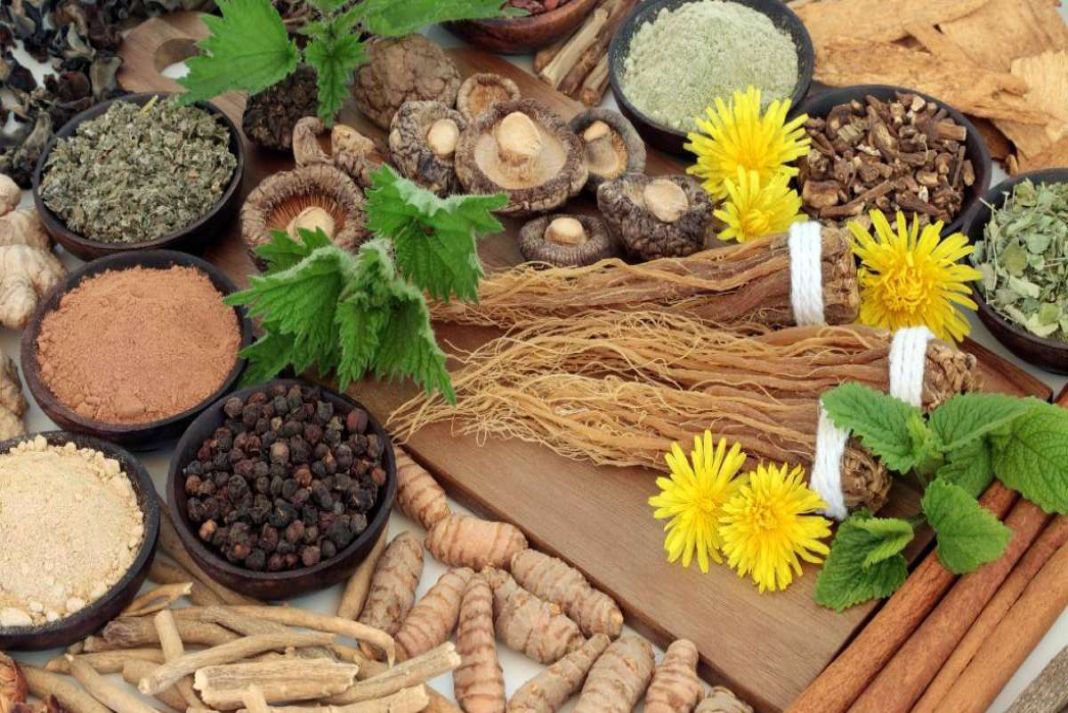
That’s where adaptogenic herbs come in. These stress-buffering botanicals help your body maintain balance across the HPA axis (stress hormones), HPO axis (reproductive hormones), and HPT axis (thyroid hormones) — all of which play a role in women’s health.
🌸 What Are Adaptogens & Why Do They Matter for Women?
Adaptogens are natural substances (mostly herbs and roots) that:
Help the body adapt to physical, emotional, or environmental stress
Regulate hormonal feedback systems rather than just boosting or suppressing one hormone
Support energy, mood, sleep, and reproductive health
Why important for women?
Hormones like estrogen, progesterone, cortisol, and thyroid hormones are tightly connected. When stress or lifestyle disrupts one, others quickly fall out of balance — causing irregular cycles, PCOS, low libido, menopausal symptoms, or even metabolic issues.
Adaptogens act like “thermostats” 🌡️, nudging your body back toward balance.
🌿 20 Adaptogenic Herbs for Female Hormone Balance
1) 🌿 Ashwagandha (Withania somnifera)
Why it may help (mechanism): Adaptogenic withanolides modulate the HPA axis (stress → cortisol), may normalize thyroid indices in subclinical hypothyroidism, and in women can indirectly support estrogen/progesterone balance via upstream stress reduction.
What the science says:
Perimenopause RCT (8 weeks, 300 mg twice daily): Significantly reduced menopausal symptoms and improved hormone profile (↑estradiol; ↓FSH/LH) vs placebo. PubMedObstetrics & Gynecology
Subclinical hypothyroidism RCT: 300 mg twice daily normalized TSH/T3/T4 vs placebo. (Useful where thyroid sluggishness worsens cycle symptoms.) PubMedOffice of Dietary SupplementsPMC
How to use (step-by-step):
Choose a root extract standardized to withanolides (e.g., 5–10%).
Start 300 mg, twice daily with meals for 8–12 weeks.
Track sleep, stress, hot flashes; if available, re-check TSH/T3/T4 or estradiol/FSH/LH after 8–12 weeks.
Continue or taper based on response.
Risks / side effects: Generally well tolerated; avoid in pregnancy; use caution with active thyroid disease and sedatives; rare case reports of thyrotoxicosis—monitor if you have thyroid issues. PMC
2) 🥔 Maca (Lepidium meyenii / L. peruvianum)
Why it may help (mechanism): Acts upstream on the HPO axis (hypothalamus-pituitary-ovary) to “tune” gonadotropin signaling without being estrogenic; supports energy, mood, and sexual function.
What the science says:
Systematic review of RCTs: Maca improves menopausal symptoms vs placebo (evidence modest but positive). PubMedNCBI
Maca-GO clinical trials (2–4 months): Reduced hot flashes & night sweats; authors describe a “hormone-tuning” effect in early postmenopause. PMC+1Europe PMC
Recent comprehensive review (2024): Confirms promise for menopausal relief; calls for more standardized trials. PMC
How to use (step-by-step):
Pick gelatinized maca (easier on digestion).
Start 1.5–3 g/day (powder in smoothies/porridge) split AM/PM for 8–12 weeks.
Log hot flashes, mood, libido; adjust within 1.5–3 g range.
If sensitive to brassicas, begin at the low end.
Risks / side effects: Generally safe; occasional GI upset. Data in pregnancy/lactation are limited—avoid unless advised.
3) 🌸 Rhodiola rosea
Why it may help (mechanism): Improves HPA-axis resilience; anti-fatigue and pro-mood effects; proposed SERM-like potential relevant to menopausal quality-of-life.
What the science says:
Clinical evidence review: Consistent improvements in stress symptoms, fatigue, mood, QoL with standardized extracts. PMC
Scholarly proposal: Rhodiola may act as a selective estrogen receptor modulator (SERM) candidate for menopause-related complaints—needs more trials but biologically plausible. PubMedPMC
Performance/cognitive trials: Support anti-fatigue effects that often translate to better day-to-day functioning. PMCMDPI
How to use (step-by-step):
Choose extract standardized to ~3% rosavins / 1% salidroside.
Take 200–400 mg/day (AM or AM+midday) for 4–8 weeks.
Avoid late-evening dosing (can be stimulating).
Reassess mood/energy; continue if benefits persist.
Risks / side effects: Mild jitters/insomnia if late; caution with bipolar disorder or activating antidepressants.
4) 🍬 Licorice Root (Glycyrrhiza glabra)
Why it may help (mechanism): Glycyrrhizin inhibits 11β-HSD2 (affecting cortisol activity) and shows anti-androgen actions (enzyme inhibition), sometimes helpful for PCOS or androgen-driven symptoms; mild phytoestrogenic flavonoids.
What the science says:
Healthy-women trial: Daily licorice reduced serum testosterone after one month; levels rebounded on stopping. PubMedPMC
Menopausal hot flashes: Licorice reduced frequency/severity in RCTs (effects waned a couple of weeks after stopping). PMCPubMed
Adjunct for androgen excess: Often combined with peony in classic TCM formulas for PCOS/hirsutism. PubMedPMC
How to use (step-by-step):
Prefer DGL (deglycyrrhizinated) for GI support or low-glycyrrhizin extracts if BP is a concern.
Typical range 250–500 mg, 1–3×/day with meals for 6–8 weeks.
Track BP, edema, and potassium (esp. if using glycyrrhizin-containing extracts).
Consider peony+licorice under a practitioner for PCOS-type symptoms.
Risks / side effects: High-dose/long-term glycyrrhizin can cause hypertension, hypokalemia, edema; avoid in pregnancy, heart/kidney disease; significant drug interactions possible. ScienceDirect
5) 🍇 Schisandra (Schisandra chinensis)
Why it may help (mechanism): Lignans (schisandrins) support stress resilience and liver detox pathways (useful for estrogen metabolism); can improve fatigue and quality-of-life—key for perimenopause.
What the science says:
Menopause RCT (Climacteric, 12 weeks): Schisandra extract reduced hot flushes, sweating, and palpitations vs placebo. PubMed
Women-only RCT (12 weeks): In post-menopausal women, 1,000 mg/day improved muscle strength and fatigue vs placebo. MDPIPMC
Reviews and clinical summaries (MSKCC, Drugs.com) also note menopausal symptom benefits. Drugs.comMemorial Sloan Kettering Cancer Center
How to use (step-by-step):
Choose a reputable extract; start 250–500 mg, 1–2×/day.
Take earlier in the day if you find it mildly stimulating.
Try 6–12 weeks, tracking vasomotor symptoms, sleep, fatigue.
Risks / side effects: Mild GI upset or stimulation; limited pregnancy data—avoid unless advised.
6) 🌿 Holy Basil / Tulsi (Ocimum tenuiflorum)
Why it may help (mechanism): Cortisol-modulating adaptogen; anti-inflammatory; improves glucose/lipid metabolism (indirectly supporting ovary-adrenal-thyroid crosstalk); calming effect on stress and sleep.
What the science says:
Randomized, double-blind trial (Holixer®, stressed adults): Improved stress, mood, and sleep vs placebo. PMC
Human evidence review: Summarizes clinical benefits of Tulsi on stress and metabolic markers. PMC
How to use (step-by-step):
Tea: 1–2 cups/day, or extract 300–600 mg/day.
If using for sleep/stress, try PM dosing (not sedative, but calming).
Continue 6–8 weeks; pair with breathwork or short meditation for additive effect.
Risks / side effects: Generally safe; mild GI upset possible; theoretical anticoagulant interaction—use caution with blood thinners.
7) 🌿 Moringa (Moringa oleifera)
Mechanism (why it may help): Rich in polyphenols and antioxidants that counter post-menopausal oxidative stress; may support glucose and lipid metabolism (which influence sex-hormone binding and ovarian signaling).
Evidence (what studies suggest):
In post-menopausal women, daily moringa leaf powder (with amaranth) improved antioxidant status vs control, suggesting mitigation of estrogen-decline–related oxidative stress. PMC
Broader human data show leaf powders improve glycemia and lipids with good tolerance (metabolic balance supports hormone balance). PMC
How to use (step-by-step):
Choose a tested leaf powder or tea (avoid unverified “root” products).
Start 1–2 g/day with food for 8–12 weeks; log symptoms (sleep, energy, hot flashes).
If well tolerated, you may increase to 3 g/day in split doses.
Risks / side effects: Generally well tolerated; mild GI upset possible. Limited data in pregnancy; avoid concentrated root use due to different hormonally active constituents. PMC
8) 🌱 Rehmannia (Rehmannia glutinosa)
Mechanism: TCM “yin-nourishing” root with anti-inflammatory and immunomodulatory effects; preclinical data suggest support across HPA/HPO pathways.
Evidence:
Systematic review (2025) of Chinese herbal medicine with Rehmannia as the monarch herb for perimenopausal syndrome reports symptom benefit, while noting trial heterogeneity and quality limits. PubMedPMC
How to use:
Prefer standardized extract or classical TCM formulas under practitioner guidance.
Typical supplemental range: 300–600 mg extract, 1–2×/day for 6–12 weeks.
Risks: Possible interactions with anticoagulants and other herbs; pregnancy safety unclear—use with supervision. PubMed
9) 🌸 Dong Quai (Angelica sinensis)
Mechanism: Contains coumarins and phytoestrogen-like constituents; used traditionally for cramps and cycle regularity.
Evidence (mixed/limited as a single herb):
Double-blind RCT in post-menopausal women found no estrogenic effect (no change in vaginal cytology/endometrium). PubMed
Reviews note little to no effect on hot flashes when used alone; more commonly included in multi-herb formulas. PubMedPMC
How to use: If used, try 500–1,000 mg/day of standardized extract for 8–12 weeks, preferably within a balanced formula designed by an herbalist.
Risks: May thin blood; potential photosensitivity; avoid in pregnancy and with anticoagulants. PubMed
10) 🌼 Black Cohosh (Actaea racemosa)
Mechanism: Non-estrogenic serotonergic activity with possible tissue-selective effects; widely used for vasomotor symptoms.
Evidence:
Some RCTs show no advantage over placebo for hot flashes. PubMed+1
Recent meta-analysis (2023) of 22 trials (2,310 women) found significant improvements in overall menopausal symptoms and hot flashes vs placebo (effect sizes modest-to-moderate). PubMed
How to use: 40–80 mg/day standardized extract for 8–12 weeks; reassess.
Risks: Rare reports of liver toxicity—avoid if you have liver disease; discuss if you have a history of estrogen-sensitive cancer. PMC
11) 🌿 Shatavari (Asparagus racemosus)
Mechanism: Steroidal saponins with gentle phytoestrogenic and adaptogenic actions; traditionally used for cycle support, perimenopause, and lactation.
Evidence:
Multicenter RCT (2024): Shatavari formulation improved menopausal symptoms vs placebo. PMCPubMed
Early human work also explores post-menopausal musculoskeletal benefits. PMC
How to use: Start 250–500 mg extract, 1–2×/day with meals for 8–12 weeks (or luteal-phase focus if still cycling).
Risks: Use caution with estrogen-sensitive conditions; mild GI upset possible. PMC
12) 🍄 Reishi (Ganoderma lucidum)
Mechanism: Immunomodulatory beta-glucans; anti-inflammatory and stress-buffering effects that can indirectly aid hormone balance and sleep.
Evidence:
Randomized trial of Ganoderma polysaccharides improved neurasthenia symptoms (fatigue, irritability). PubMed
In women with fibromyalgia, G. lucidum improved mood and quality-of-life metrics. PMC
How to use: 1–3 g/day (fruiting-body extract) or equivalent capsules, earlier in the day if stimulating; 8–12 weeks.
Risks: Rare GI upset/dryness; theoretical interactions in immunosuppressed patients. PMC
13) 🌿 Tongkat Ali (Eurycoma longifolia)
Mechanism: Traditionally androgen-modulating; anti-stress effects on cortisol; investigated for menopausal quality-of-life.
Evidence (early / emerging in women):
2023 RCT protocol (ongoing) testing Physta® in peri/post-menopausal women (quality-of-life endpoints). PubMed
Background data include an animal model of menopause and one human combo-formula report; firm female-only outcome data remain limited. PubMedPMC
How to use: If you try it, keep doses low (50–200 mg/day), 4–8 weeks, and monitor for androgenic effects (skin, hair).
Risks: Acne, irritability, sleep disturbance in some; avoid with androgen-sensitive conditions until better data exist.
14) 🍃 Tribulus terrestris
Mechanism: Steroidal saponins may influence LH and sex steroids; used for libido and arousal.
Evidence:
RCT (2014): Improved desire in women with hypoactive sexual desire disorder vs placebo. PubMed
Systematic review (2020): Suggests potential benefit for female sexual dysfunction; more high-quality trials needed. PubMed
How to use: 250–500 mg/day standardized extract for 8 weeks; stop if androgenic side effects occur.
Risks: Can tilt toward androgenic effects; use caution in PCOS with hyperandrogenism.
15) 🌸 Peony (Paeonia lactiflora) — often paired with Licorice
Mechanism: Paeoniflorin-rich root may modulate GnRH/FSH/LH and support aromatase; in TCM, paired with licorice (shakuyaku-kanzo-to, TJ-68) to reduce androgen excess and support ovulation.
Evidence:
Clinical PCOS cohorts (Japan): TJ-68 lowered testosterone and achieved pregnancies in a subset; mechanistic work suggests increased ovarian aromatase. PubMed+1
Preclinical/animal and mechanistic studies support ovarian/endometrial benefits. PMC+2PMC+2
How to use: Best within a practitioner-designed formula; as a single herb, 500–1,000 mg/day extract for 8–12 weeks and monitor cycle changes.
Risks: Similar to licorice when combined (BP/potassium issues if glycyrrhizin present). Check interactions and do not use in pregnancy without supervision. PMC
16) 🌾 Fenugreek (Trigonella foenum-graecum)
Mechanism: Gentle phytoestrogenic activity; improves insulin sensitivity and lipids—useful where metabolic stress drives hormonal symptoms.
Evidence:
Perimenopausal RCT (2020): Standardized fenugreek extract reduced vasomotor symptoms and depression vs placebo. PubMed
Women with low libido (RCT, 2015): 600 mg/day improved aspects of sexual function and sex-hormone profiles. PubMed
How to use: 500–600 mg/day standardized extract for 8–12 weeks; take with meals.
Risks: May lower blood sugar; GI effects possible. Caution with diabetes meds. PubMed
17) 🌴 Saw Palmetto (Serenoa repens)
Mechanism: 5-α-reductase inhibition → may reduce DHT; considered for androgenic hair loss or hirsutism in women.
Evidence (mixed, more robust in men; limited but growing in women):
Review of clinical studies in alopecia found positive effects of oral/topical SP-containing regimens on hair density/quality (mixed-sex data; product heterogeneity). PMC
Older anti-androgen umbrella review notes placebo-equivalent results in some trials; results vary by formulation and endpoint. PubMed
How to use: 160–320 mg/day standardized liposterolic extract for 3–6 months; topical options exist.
Risks: Mild GI upset; theoretical hormonal interactions; avoid in pregnancy.
18) 🖤 Black Seed (Nigella sativa)
Mechanism: Thymoquinone exerts anti-inflammatory, antioxidant, and metabolic effects; PCOS applications relate to insulin and ovarian function.
Evidence:
Adolescent PCOS RCT (2024): 1,000 mg/day N. sativa for 16 weeks reduced ovarian volume, improved hormonal balance, and cycle regularity vs medroxyprogesterone protocol. BioMed CentralPubMed
Secondary analysis (2025): Improvements in glycemia among adolescent PCOS patients. PMCBioMed Central
How to use: 500–1,000 mg/day standardized oil or capsules with meals for 8–16 weeks; track cycles and metabolic markers.
Risks: May lower blood sugar; GI or allergy reactions possible; limited pregnancy data.
19) ✨ Curcumin (Turmeric extract)
Mechanism: Potent anti-inflammatory and antioxidant; supports estrogen metabolism via hepatic pathways; improves insulin sensitivity—key in PCOS-related hormone issues.
Evidence:
PCOS RCTs: Curcumin (often 500–1,000 mg/day, 12 weeks) improved glycemic control, weight and some menstrual irregularities; effects on androgens/hirsutism are inconsistent. PubMed+2PubMed+2
How to use: 500–1,000 mg/day standardized curcumin (with piperine or enhanced-bioavailability formulas), 12 weeks minimum.
Risks: GI discomfort; caution with gallbladder disease and anticoagulants.
20) 🍇 Schisandra (Schisandra chinensis)
Mechanism: Lignans (schisandrins) support HPA axis resilience, cognition, and liver function (which assists estrogen metabolism).
Evidence:
Human data show reduced fatigue and improved stress performance; often used with other adaptogens for menopausal quality-of-life. PMC
How to use: 250–500 mg extract, 1–2×/day; avoid late-evening dosing if stimulating. Trial 6–8 weeks.
Risks: Mild GI upset or stimulation; avoid in pregnancy due to limited data.
📊 Quick Comparison Table
| Herb | Best Use | Evidence Strength | Main Risks |
|---|---|---|---|
| Ashwagandha | Stress, perimenopause, thyroid | ⭐⭐⭐⭐ | Avoid in pregnancy, thyroid caution |
| Maca | Libido, menopausal comfort | ⭐⭐⭐ | Mild digestive upset |
| Rhodiola | Fatigue, mood | ⭐⭐⭐ | Insomnia if late |
| Licorice | PCOS, hot flashes | ⭐⭐⭐ | BP elevation |
| Black Cohosh | Menopausal hot flashes | ⭐⭐⭐⭐ | Rare liver toxicity |
| Shatavari | Fertility, estrogen support | ⭐⭐⭐ | Estrogen-sensitive cancer caution |
🧘 Structured Daily Routine with Adaptogens
Morning: 🌞 Take Ashwagandha or Rhodiola + Maca with breakfast.
Noon: 🍲 Second Maca dose, light movement.
Afternoon: 🍵 Holy Basil tea, stress-relief practice.
Evening: 🌙 Ashwagandha + calming herbs (Reishi, Shatavari) for sleep support.
Cycle Phase Adjustments:
Follicular phase → estrogen-support herbs (Maca, Shatavari)
Luteal phase → calming adaptogens (Holy Basil, Reishi)
🩺 Expert Insights
“Ashwagandha root extract at 300 mg twice daily significantly improved perimenopausal symptoms and hormone profiles in women.” – Gopal et al., 2021, PubMed
“Maca root acted as a tuner of hormonal processes, balancing estrogen and reducing hot flashes.” – Meissner et al., Clinical Trial on Maca-GO
❓ FAQs
1. How long until results?
Most adaptogens take 4–8 weeks for symptom relief, 8–12 weeks for hormonal shifts.
2. Are they as strong as HRT?
Not usually. They’re gentler but safer. Best for mild to moderate symptoms.
3. Can I combine herbs?
Yes, but check overlaps. Example: Black Cohosh + Rhodiola worked better together in one study.
4. What labs should I track?
Estradiol, progesterone, FSH, LH, thyroid panel, cortisol, testosterone (if PCOS).
5. Any must-avoid conditions?
Yes: hormone-sensitive cancers, pregnancy, severe thyroid/liver disease, uncontrolled hypertension.
⚖️ Bottom Line
Adaptogenic herbs like Ashwagandha, Maca, Rhodiola, Licorice, Black Cohosh, and Shatavari have scientific backing for female hormone balance. They:
✅ Reduce stress hormones
✅ Support estrogen/progesterone balance
✅ Improve energy, mood, libido
✅ Ease menopausal symptoms
Use them as part of a holistic plan (diet, sleep, stress management), and give at least 8–12 weeks before judging results.
⚠️ Disclaimer
This content is for educational purposes only and does not replace medical advice. Always consult your doctor before starting herbal supplements, especially if you’re pregnant, breastfeeding, have medical conditions, or take prescription medications.