
Mental fog, lack of focus, and fatigue are challenges millions face daily—whether in high-pressure workplaces, classrooms, or simply managing day-to-day life. While caffeine gives a quick lift, sustainable mental clarity requires nourishing the brain at a cellular level.
Enter superfoods for mental clarity and focus—nutrient-dense foods scientifically proven to support neurotransmitters, memory, mood regulation, and cognitive longevity. Unlike stimulants, these foods provide sustained fuel and help protect the brain from age-related decline.
🥦 Top 20+ Superfoods for Mental Clarity and Focus
1. Blueberries – The Memory Protectors 🍇
Mechanism: Rich in anthocyanins and flavonoids that reduce oxidative stress and improve neuronal communication. Studies show they can delay brain aging by up to 2.5 years【https://www.ncbi.nlm.nih.gov/pmc/articles/PMC2850944/】.
Usage: Add ½–1 cup fresh or frozen blueberries to smoothies, oats, or salads daily.
Risks: Generally safe; excess may upset digestion in sensitive stomachs.
2. Fatty Fish – Omega-3 for Cognitive Function 🐟
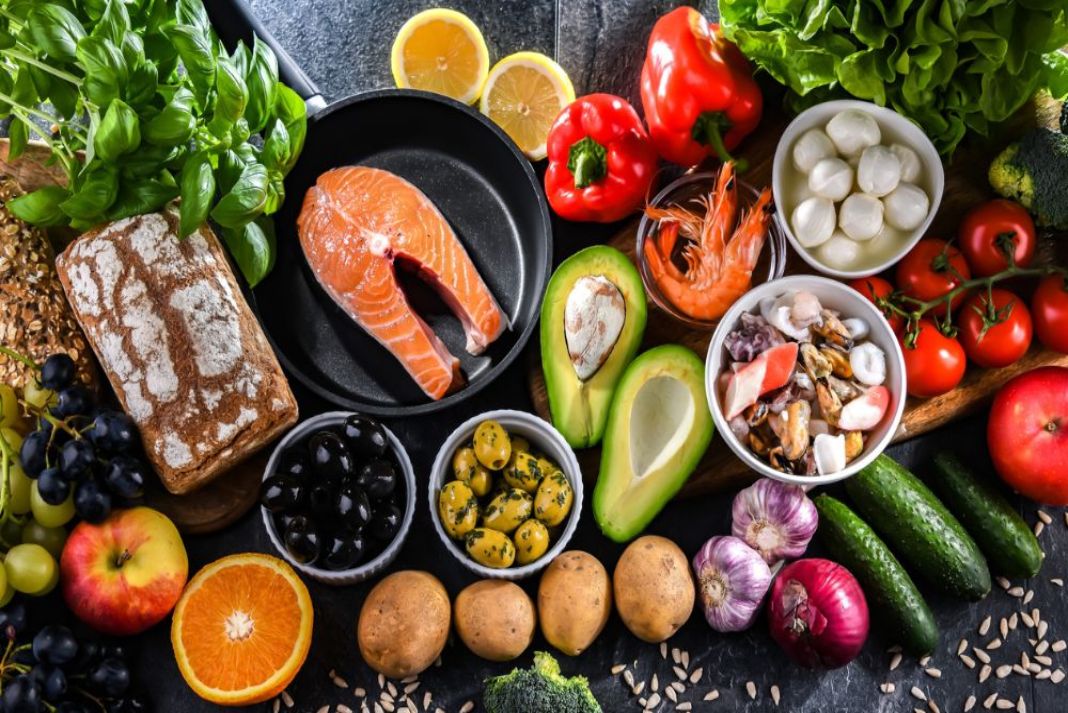
Mechanism: Salmon, mackerel, and sardines provide DHA, essential for building brain cell membranes and reducing neuroinflammation【https://www.ncbi.nlm.nih.gov/pmc/articles/PMC5982605/】.
Usage: Eat 2–3 servings (100–150g each) per week. Vegetarians can use algae oil supplements.
Risks: Watch for mercury levels—opt for wild-caught or certified low-mercury fish.
3. Turmeric (Curcumin) – Anti-Inflammatory Brain Booster 🌿
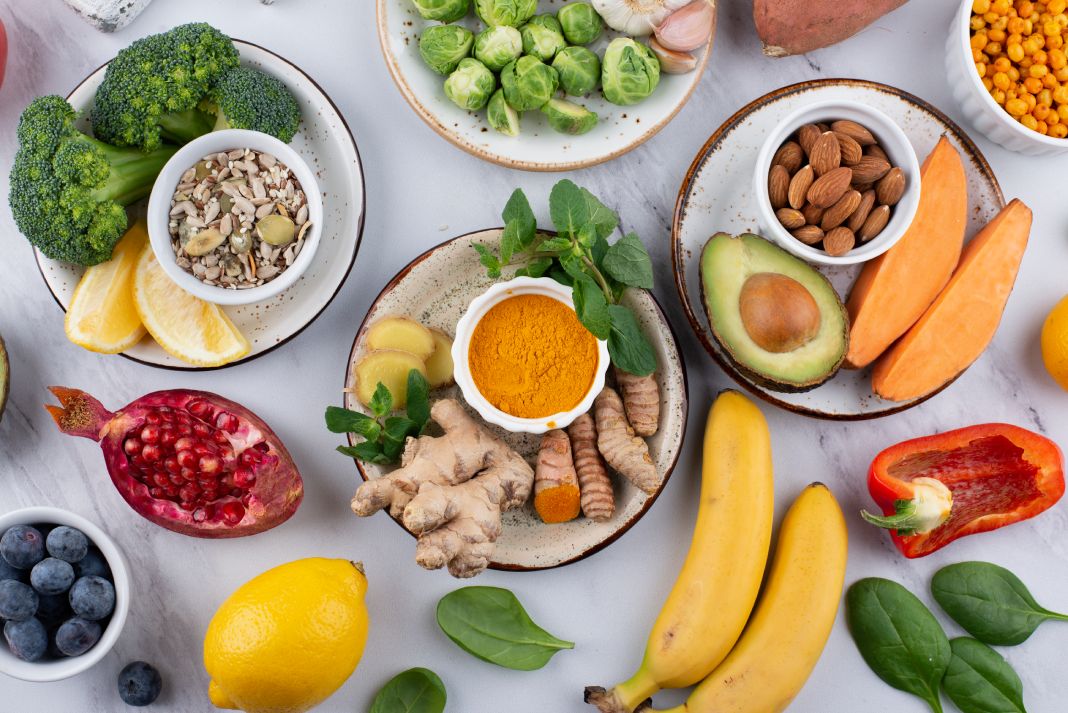
Mechanism: Curcumin crosses the blood–brain barrier and boosts BDNF (brain-derived neurotrophic factor), aiding memory and reducing depression risk【https://www.ncbi.nlm.nih.gov/pmc/articles/PMC5664031/】.
Usage: ½ tsp with black pepper (enhances absorption by 2000%) in warm milk, soups, or curries.
Risks: High doses may thin blood—avoid before surgery.
4. Dark Chocolate (70%+) – Dopamine Enhancer 🍫
Mechanism: Flavanols increase cerebral blood flow, while cacao stimulates serotonin and dopamine【https://www.ncbi.nlm.nih.gov/pmc/articles/PMC4696435/】.
Usage: 1–2 squares daily for focus without sugar overload.
Risks: Avoid excess (can cause jitters).
5. Green Tea – L-Theanine + Caffeine Balance 🍵
Mechanism: Contains L-theanine, which promotes alpha brain waves (calm alertness), and moderate caffeine for focus【https://www.ncbi.nlm.nih.gov/pmc/articles/PMC6520897/】.
Usage: 2–3 cups daily. Matcha provides higher antioxidant levels.
Risks: Limit if sensitive to caffeine.
6. Walnuts – Brain-Shaped Focus Food 🌰
Mechanism: High in ALA (plant omega-3), polyphenols, and vitamin E for neuroprotection【https://www.ncbi.nlm.nih.gov/pmc/articles/PMC4728667/】.
Usage: 4–6 halves daily as snack or salad topper.
Risks: High calorie density; moderation is key.
7. Spinach & Leafy Greens – Folate Fuel 🥬
Mechanism: Rich in folate, vitamin K, and lutein; linked with slower cognitive decline【https://www.ncbi.nlm.nih.gov/pmc/articles/PMC5541281/】.
Usage: 1–2 cups raw or cooked greens daily.
Risks: High oxalates may interfere with calcium—rotate greens.
8. Eggs – Choline Power 🥚
Mechanism: Provide choline, a precursor to acetylcholine (memory neurotransmitter)【https://www.ncbi.nlm.nih.gov/pmc/articles/PMC2782876/】.
Usage: 1–2 whole eggs daily.
Risks: Safe for most; monitor cholesterol if advised by doctor.
9. Pumpkin Seeds – Magnesium & Zinc Combo 🎃
Mechanism: Provide magnesium (calm nerves), zinc (memory), iron (oxygen delivery), and copper (neurotransmission)【https://www.ncbi.nlm.nih.gov/pmc/articles/PMC6024559/】.
Usage: 1–2 tbsp roasted daily.
Risks: Excess can cause digestive upset.
10. Broccoli – Vitamin K Brain Shield 🥦
Mechanism: Sulforaphane reduces oxidative stress and vitamin K supports memory formation【https://www.ncbi.nlm.nih.gov/pmc/articles/PMC3672984/】.
Usage: ½–1 cup steamed or roasted 3–4 times weekly.
Risks: Gas in sensitive stomachs.
11. Avocado – Healthy Fat Source 🥑
Mechanism: Rich in monounsaturated fats that improve blood flow and lutein for memory【https://www.ncbi.nlm.nih.gov/pmc/articles/PMC6482361/】.
Usage: ½ fruit daily on toast, salads, or smoothies.
Risks: High calories; balance portions.
12. Beetroot – Natural Nitrate Brain Fuel ❤️
Mechanism: Converts nitrates into nitric oxide, boosting cerebral blood flow and attention【https://www.ncbi.nlm.nih.gov/pmc/articles/PMC4425174/】.
Usage: Juice ½ beet or add roasted slices to meals.
Risks: May darken urine (harmless).
13. Coffee – Cognitive Enhancer (in Moderation) ☕
Mechanism: Blocks adenosine receptors, enhancing alertness, reaction time, and dopamine release【https://www.ncbi.nlm.nih.gov/pmc/articles/PMC5328969/】.
Usage: 1–2 cups/day, best before noon.
Risks: Overuse leads to anxiety, insomnia, or dependency.
14. Berries (Strawberries, Blackberries, Raspberries) 🍓
Mechanism: Polyphenols reduce neuroinflammation and improve signaling in brain pathways【https://www.ncbi.nlm.nih.gov/pmc/articles/PMC4192974/】.
Usage: 1 cup mixed berries daily.
Risks: Safe; watch pesticide exposure—choose organic if possible.
15. Oats – Steady Energy for Focus 🌾
Mechanism: Low glycemic index carb that provides steady glucose (primary brain fuel).
Usage: ½ cup oats for breakfast with nuts/berries.
Risks: Gluten-sensitive individuals should choose certified gluten-free.
16. Ginseng – Ancient Cognitive Tonic 🌿
Mechanism: Ginsenosides enhance cognitive performance and reduce fatigue【https://www.ncbi.nlm.nih.gov/pmc/articles/PMC3659612/】.
Usage: 200–400 mg standardized extract or tea daily.
Risks: May cause insomnia if taken late.
17. Rosemary – Aromatic Memory Aid 🌿
Mechanism: Carnosic acid protects against free radicals; inhaling aroma enhances recall【https://www.ncbi.nlm.nih.gov/pmc/articles/PMC3700087/】.
Usage: Fresh sprigs in cooking or essential oil inhalation.
Risks: Avoid concentrated oil ingestion.
18. Coconut Oil – Ketone Brain Fuel 🥥
Mechanism: Provides medium-chain triglycerides (MCTs), rapidly converted to ketones—alternative brain energy【https://www.ncbi.nlm.nih.gov/pmc/articles/PMC5382793/】.
Usage: 1 tbsp in cooking or smoothies.
Risks: High in saturated fat; moderation needed.
19. Lentils & Legumes – B-Vitamin Boost 🥣
Mechanism: Rich in folate, iron, and slow carbs to sustain mental focus【https://www.ncbi.nlm.nih.gov/pmc/articles/PMC7071235/】.
Usage: ½–1 cup cooked daily.
Risks: May cause bloating—soak before cooking.
20. Pomegranate – Antioxidant Powerhouse 🍎
Mechanism: Polyphenols enhance blood flow to brain and reduce oxidative stress【https://www.ncbi.nlm.nih.gov/pmc/articles/PMC4007340/】.
Usage: ½ cup fresh seeds or juice daily.
Risks: Juice can interact with some medications (like statins).
🔄 Daily Brain-Boosting Routine (Sample)
Morning: Oats + blueberries + walnuts + green tea
Mid-Morning: Dark chocolate square + coffee
Lunch: Salmon with spinach salad + avocado
Snack: Pumpkin seeds + pomegranate seeds
Evening: Lentil soup + beetroot salad + turmeric milk
Before Bed: Herbal tea (ginseng/rosemary infusion)
🧑⚕️ Expert Quotes (With Sources)
“Dietary flavonoids from blueberries and cocoa may enhance memory by improving neuronal signaling and reducing oxidative stress.” — Dr. Barbara Shukitt-Hale, USDA Human Nutrition Center【https://www.ncbi.nlm.nih.gov/pmc/articles/PMC2850944/】
“Regular consumption of omega-3 fatty acids is strongly associated with reduced risk of cognitive decline and Alzheimer’s disease.” — Dr. Martha Clare Morris, Rush University Medical Center【https://www.ncbi.nlm.nih.gov/pmc/articles/PMC5982605/】
“Curcumin is one of the few natural compounds capable of crossing the blood–brain barrier, making it a potential therapeutic for depression and cognitive impairment.” — Dr. Gary Small, UCLA Longevity Center【https://www.ncbi.nlm.nih.gov/pmc/articles/PMC5664031/】
❓ FAQs
1. How long does it take for brain-boosting foods to show results?
➡️ Some (like coffee, green tea) work within minutes; others (like omega-3s, blueberries) need weeks to months of consistent use.
2. Are natural superfoods better than supplements?
➡️ Whole foods are more bioavailable and safer. Supplements are useful only if deficiencies exist.
3. Can these foods prevent dementia or Alzheimer’s?
➡️ They lower risk factors, but no food guarantees prevention. Combined with exercise and sleep, they help significantly.
4. How much coffee is safe for focus without anxiety?
➡️ 1–2 cups/day is ideal; above 400mg caffeine may trigger jitters.
5. Is dark chocolate healthy daily?
➡️ Yes, if 70%+ cacao and limited to 1–2 small pieces.
6. Do vegetarians get enough brain nutrients?
➡️ Yes—with walnuts, flax, chia, lentils, spinach, and algae-based DHA supplements.
7. Should children also eat brain superfoods?
➡️ Absolutely—eggs, berries, oats, and leafy greens support memory and learning.
⚠️ Disclaimer
This guide is for educational purposes only and not a substitute for medical advice. Always consult a healthcare professional before making major dietary changes, especially if you have medical conditions or take medications.