
✨ Why Essential Oils for Immunity?
Your immune system is your body’s frontline defense 🛡️. Stress, poor sleep, and environmental toxins can weaken it, leaving you vulnerable. Essential oils (EOs) — highly concentrated plant extracts — have antimicrobial, anti-inflammatory, antioxidant, and stress-reducing effects that may support immune resilience.
⚠️ But remember: Essential oils support, not replace, medical treatment.
🧬 Quick Science of Immunity (Made Simple)
🛡️ Innate immunity: your body’s fast, non-specific “soldiers” like macrophages & NK cells.
🎯 Adaptive immunity: your “memory army” (B cells, T cells) that remembers past infections.
🔥 Cytokines: messengers that drive inflammation or calm it down.
💥 Oxidative stress: when free radicals overwhelm defenses, immunity suffers.
Essential oils often work by balancing inflammation, fighting microbes, and lowering stress hormones (like cortisol).
🌱 Top 20 Essential Oils to Support Immunity
Here’s a detailed list of 20 essential oils, with ✅ benefits, 🧪 science, 💡 usage tips, and ⚠️ risks.
1️⃣ Eucalyptus Oil 🌿
🧪 Mechanism: Rich in 1,8-cineole → boosts phagocytes, calms inflammation, clears airways. Research link
💡 How to Use:
Inhale via steam (2 drops in hot water 🫧)
Diffuse 2–3x daily (20 min sessions)
Topical chest rub (1% dilution)
⚠️ Risks: Can trigger asthma in sensitive people. Avoid undiluted use.
🔄 Compare: Gentler than synthetic decongestants but not as strong as prescription meds.
2️⃣ Tea Tree Oil 🌱
🧪 Mechanism: Terpinen-4-ol fights microbes & calms overactive inflammation.
💡 Usage:
Spot treat skin (2.5% dilution in carrier oil)
Diffuse during flu season
⚠️ Risks: May cause dermatitis. Never ingest.
🔄 Compare: Less potent than antibiotics, but useful for mild skin infections.
3️⃣ Lavender Oil 💜
🧪 Reduces cortisol → less stress → stronger immunity.
💡 Use: Diffuse at bedtime, 3 drops in bath, massage oil (1–2%).
⚠️ Risks: Rare skin irritation. Avoid overuse in pregnancy.
🔄 Compare: Weaker than anti-anxiety meds, but safer & natural.
4️⃣ Oregano Oil 🌿🔥
🧪 Mechanism: Carvacrol & thymol → strong antimicrobial, antiviral & antioxidant.
💡 How to Use:
Spot treat skin infections (0.5–1% dilution)
Diffuse briefly (1 drop in blend)
⚠️ Risks: Highly irritating — never use undiluted. Avoid in children/pregnancy.
🔄 Compare: Potent, but less controlled than antibiotics.
5️⃣ Frankincense Oil 🌳✨
🧪 Modulates inflammation by suppressing leukotrienes; antioxidant & immune-regulating.
💡 Massage (2% dilution), diffuse with lavender, or add to bath salts.
⚠️ May interact with blood thinners; avoid in pregnancy (1st trimester).
🔄 Gentler than NSAIDs, but supportive for chronic inflammation.
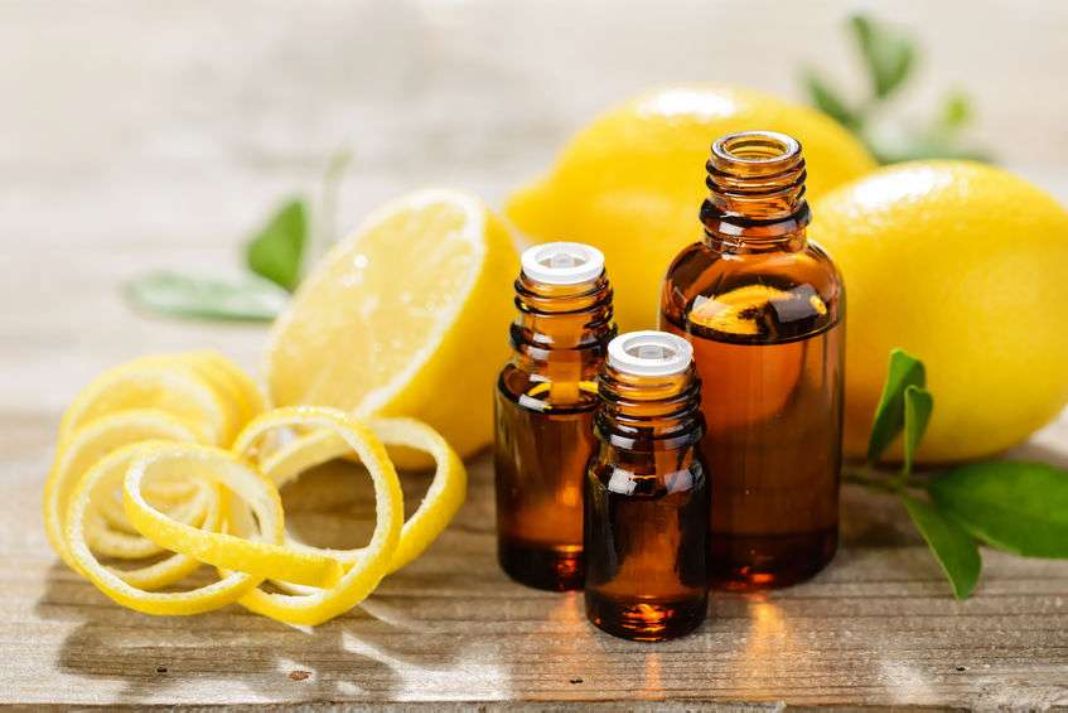
6️⃣ Lemon (Citrus) Oil 🍋☀️
🧪 Limonene → antioxidant + antimicrobial; uplifts mood, reducing stress-linked immune suppression.
💡 Diffuse 15–20 min; add to DIY surface cleaner; dilute (1–2%) for massage.
⚠️ Phototoxic — don’t apply before sun exposure.
🔄 Supports mood like vitamin C does systemically, but more topical/aromatic.
7️⃣ Rosemary Oil 🌿🧠
🧪 1,8-cineole, camphor → antioxidant, circulation-enhancing, immune support.
💡 Diffuse 2 drops; dilute for chest rubs or muscle massage.
⚠️ Avoid in epilepsy & pregnancy early; may trigger headaches if overused.
🔄 Gentler than stimulants (like caffeine), but boosts alertness.
8️⃣ Thyme Oil 🌱🛡️
🧪 Thymol boosts phagocytosis & kills microbes.
💡 Use diluted (0.5–1%) for topical skin support; 1 drop in diffuser blend.
⚠️ Strong irritant; avoid in pregnancy.
🔄 Works like a natural antiseptic, but less controlled than antibiotics.
9️⃣ Clove Oil 🌰💥
🧪 Eugenol disrupts bacterial growth, biofilms & supports antioxidant defenses.
💡 Spot apply (0.5% dilution) or use pre-formulated dental rinses.
⚠️ Very strong — risk of burns; not for mucous membranes.
🔄 Popular in dental care as natural antiseptic.
🔟 Ginger Oil 🌶️🌀
🧪 Reduces pro-inflammatory cytokines (IL-1, TNF-α), boosts circulation.
💡 Diffuse 2 drops, dilute for massage, or use in a warm bath.
⚠️ Skin irritation possible; avoid in pregnancy/gallstones.
🔄 Gentler than NSAIDs, but great adjunct for joint pain + colds.
1️⃣1️⃣ Peppermint Oil 🌱❄️
🧪 Menthol soothes airways, mild antimicrobial, helps headaches.
💡 Steam inhalation (1 drop), dilute chest rub, or temple massage.
⚠️ Avoid in infants/young kids; may worsen reflux.
🔄 Symptom relief like menthol rubs, but purer.
1️⃣2️⃣ Chamomile Oil 🌼😌
🧪 Bisabolol reduces skin hypersensitivity & inflammation.
💡 Diffuse before bed, dilute in bath, or use for skin flare-ups.
⚠️ Possible allergies (ragweed family).
🔄 Gentler than steroid creams for skin issues.
1️⃣3️⃣ Tea (Camellia) Oil 🍵🛡️
🧪 Antioxidant-rich, protects immune cells, mild antimicrobial.
💡 Use in blends or skincare (1–2% dilution).
⚠️ Rare skin sensitivity.
🔄 More mild than oregano/tea tree.
1️⃣4️⃣ Myrrh Oil 🌿🙏
🧪 Enhances wound healing, antimicrobial, mucosal support.
💡 Apply diluted (1–2%) on gums/skin; diffuse in blends.
⚠️ Avoid in pregnancy; strong resin scent.
🔄 Natural wound healer, gentler than synthetic antiseptics.
1️⃣5️⃣ Sage Oil 🌱🗣️
🧪 Antioxidant & antiviral; supports throat immunity.
💡 Use in pre-diluted gargles or diffusers.
⚠️ Contains thujone (neurotoxic if overused); avoid in pregnancy.
🔄 Popular folk remedy for sore throats.
1️⃣6️⃣ Cedarwood Oil 🌲🌙
🧪 Calms stress → better sleep → stronger immunity.
💡 Diffuse at bedtime; dilute for chest rubs.
⚠️ May stain fabrics; strong woody aroma.
🔄 Natural sleep aid, unlike sedatives.
1️⃣7️⃣ Geranium Oil 🌸🌿
🧪 Anti-inflammatory, balances stress hormones, supports skin immunity.
💡 Use diluted in massage blends; diffuse for mood.
⚠️ Avoid in pregnancy unless approved.
🔄 Less antimicrobial, but great for stress + hormone balance.
1️⃣8️⃣ Helichrysum Oil 🌼✨
🧪 Antioxidant, wound healing, cytokine modulation.
💡 Apply diluted (1–2%) to skin; use in recovery blends.
⚠️ Expensive; may irritate skin.
🔄 Excellent adjunct for healing, though limited clinical data.
1️⃣9️⃣ Sandalwood Oil 🌳😴
🧪 Stress-relieving, anti-inflammatory, supports mucosal immunity.
💡 Diffuse for relaxation, use in massage.
⚠️ Expensive; may cause skin reactions.
🔄 Works best for sleep & stress-driven immunity.
2️⃣0️⃣ Black Seed Oil 🌑🌱 (Nigella sativa)
🧪 Thymoquinone boosts T & B cell activity; antioxidant & anti-inflammatory.
💡 Use diluted topically; ingestion only with medical supervision.
⚠️ Strong; possible drug interactions; avoid in pregnancy.
🔄 Weaker than immunomodulators, but promising in studies.
📊 Quick Reference Table
| 🌿 Essential Oil | 🛡️ Best Use | 🧪 Key Action | ⚠️ Safety Note |
|---|---|---|---|
| Eucalyptus | Colds, congestion | Clears airways, boosts phagocytes | Avoid in asthma |
| Tea Tree | Skin infections | Antimicrobial, anti-inflammatory | Dilute, avoid ingestion |
| Lavender | Stress, sleep | Lowers cortisol | May cause mild skin irritation |
| Oregano | Strong antimicrobial | Carvacrol, thymol | Strong irritant; short use only |
| Frankincense | Chronic inflammation | Modulates leukotrienes | Avoid in pregnancy early stage |
🕒 Structured Routine for Daily Use
| Time of Day | 💡 Routine | Oils to Use |
|---|---|---|
| 🌅 Morning | Diffuse to kickstart immunity | Eucalyptus + Lemon |
| ☀️ Midday | Stress control | Lavender or Rosemary |
| 🌆 Evening | Relax & repair | Sandalwood + Frankincense |
| 🤧 Onset of Cold | Steam inhalation + topical rub | Eucalyptus + Thyme |
🧑⚕️ Expert Insights
“Essential oils can stimulate immune cells like macrophages and NK cells, but should always be used as adjuncts, not replacements for clinical treatment.”
— Sandner et al., PMC Review 2020 Link
❓ Frequently Asked Questions (FAQs)
Q1. How long before essential oils work?
👉 Symptom relief: hours–days. Immune support: weeks of consistent use.
Q2. Are they as effective as medicine?
👉 No. They support but don’t replace antibiotics, antivirals, or vaccines.
Q3. Can I use essential oils for kids?
👉 With caution. Always lower dilution (0.25–0.5%) and avoid high-risk oils.
Q4. Which is safer — inhalation or topical?
👉 Both are safe if diluted. Inhalation is best for colds, topical for skin.
Q5. Can oils prevent COVID-19?
👉 No clinical proof. They may ease symptoms but don’t prevent infection.
⚠️ Disclaimer
This article is for educational purposes only. Essential oils are complementary tools, not cures. Always consult your healthcare provider before use, especially if pregnant, breastfeeding, elderly, on medication, or treating children.