
If you’ve ever wondered whether herbal teas can truly help melt fat, you’re not alone. While teas aren’t magic potions, certain varieties carry compounds that may support metabolic health, curb cravings, and subtly enhance fat burning — when paired with smart nutrition, movement, sleep, and balance.
Let’s dive into a well-balanced, attractive tea ritual that’s as beautiful as it is functional.
Why Herbal Teas for Weight Loss? ✨
Herbal teas are beloved for their gentle nature, flavorful profiles, and low risk (when used smartly). Here’s why they attract attention in the weight management world:
Metabolic stimulation & thermogenesis — Some plant compounds increase your body’s calorie burn just slightly.
Craving and appetite control — Herbs like fenugreek and gymnema may slow digestion or reduce sugar desire.
Glycemic & insulin balance — Cinnamon, rooibos, and ginger offer gentle support for stable blood sugar.
Gut & metabolic wellness — Fermented teas (e.g. pu-erh) and polyphenols can favorably shift gut flora.
🔎 But a critical reminder: most effects in humans are modest. Think supplemental help, not a standalone solution.
🌱 Top 10 Herbal Teas to Try (with Purpose & How-To)
🍵 1. Green Tea (Camellia sinensis)
Why it works:
Contains catechins (EGCG) that boost metabolism and fat oxidation.
Caffeine and catechins work synergistically for thermogenesis.
Human trials show modest fat loss with regular consumption.
How to use:
Steep 1 tsp green tea leaves in 80 °C water for 3–4 min.
Drink 2–4 cups daily, preferably before meals or workouts.
Science says:
A Cochrane review found that green tea may help reduce body weight slightly when used consistently.
🧠 Best for: boosting metabolism + antioxidants
⚠️ Caution: limit extracts (liver risk in high doses)
🍵 2. Oolong Tea
Why it works:
Semi-fermented, combining the benefits of green and black tea.
Increases energy expenditure and fat oxidation.
How to use:
Steep 1 tsp oolong leaves in 85 °C water for 3–5 min.
Enjoy 2–3 cups per day.
🧠 Best for: mid-day energy & sustained fat burn
⚠️ Caution: moderate caffeine content.
🍃 3. Matcha Tea
Why it works:
Finely ground whole green tea leaf — richer in EGCG and chlorophyll.
Improves thermogenesis and fat oxidation during exercise.
How to use:
Whisk 1–2 g matcha powder in 150 ml hot water (75–80 °C).
One cup in the morning is enough.
🧠 Best for: morning metabolism boost
⚠️ Caution: high caffeine per serving — avoid at night.
☕️ 4. Pu-erh Tea (Fermented Tea)
Why it works:
Fermented tea that alters gut microbiota to reduce fat storage.
Improves lipid metabolism and lowers cholesterol.
How to use:
Rinse tea leaves once, then steep 2–3 g in 90 °C water for 3–5 min.
Drink 1–2 cups per day.
🧠 Best for: gut-friendly detox + lipid balance
⚠️ Caution: buy certified, clean sources to avoid heavy metals.
🧉 5. Yerba Mate (Ilex paraguariensis)
Why it works:
Caffeine + polyphenols + saponins → thermogenesis + appetite control.
Studies show modest fat-mass reduction in 12 weeks.
How to use:
Steep 1–2 g in hot (not boiling) water.
Drink mid-morning or early afternoon.
🧠 Best for: controlling cravings
⚠️ Caution: use unsmoked brands; avoid very hot temperatures.
🌺 6. Hibiscus Tea
Why it works:
Contains anthocyanins and polyphenols.
Helps manage cholesterol, blood pressure, and sugar metabolism.
How to use:
Steep dried hibiscus petals for 5–7 min in hot water.
Drink 1–2 cups daily, hot or chilled.
🧠 Best for: post-meal digestion & heart health
⚠️ Caution: may lower blood pressure.
🫚 7. Ginger Tea
Why it works:
Promotes thermogenesis and digestive efficiency.
Enhances satiety and fat oxidation in studies.
How to use:
Steep 2–3 g fresh ginger in boiling water for 10 min.
Drink before meals.
🧠 Best for: digestion + metabolism
⚠️ Caution: may cause heartburn in sensitive people.
🌿 8. Cinnamon Tea (Ceylon Cinnamon)
Why it works:
Improves insulin sensitivity and reduces blood sugar spikes.
Slows gastric emptying → promotes fullness.
How to use:
Boil a cinnamon stick for 5–8 min or use ½ tsp powder.
Enjoy 1–2 cups daily.
🧠 Best for: sugar control
⚠️ Caution: use Ceylon cinnamon, not Cassia (lower coumarin).
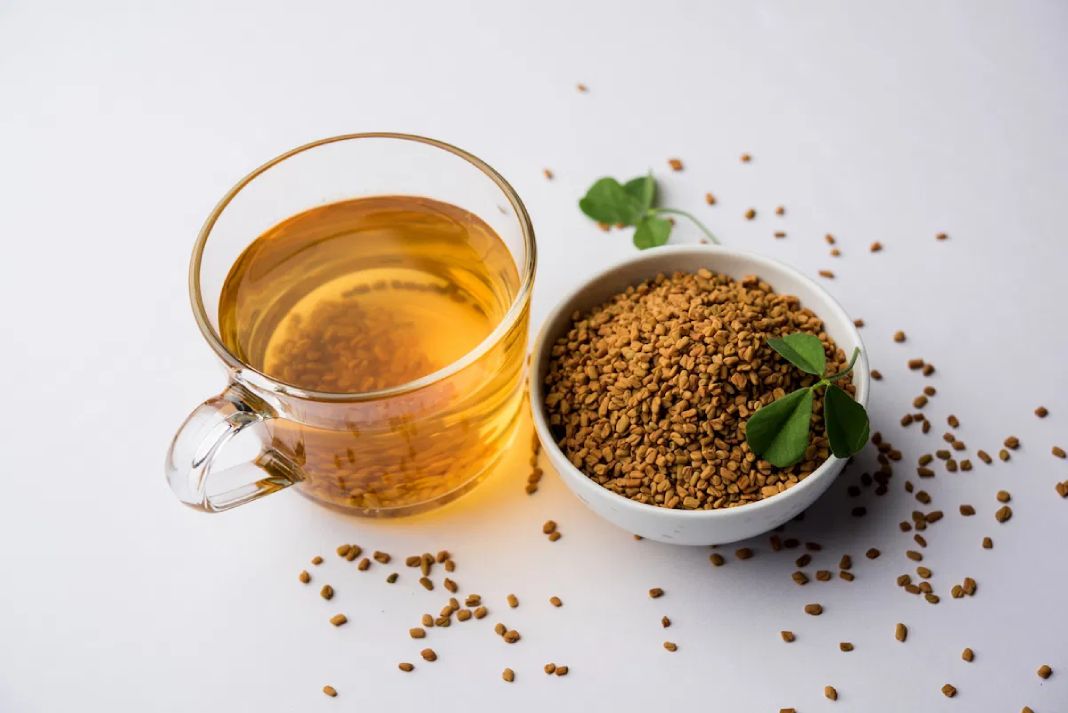
🌾 9. Fenugreek Tea
Why it works:
High in soluble fiber → promotes fullness and lowers glucose absorption.
Aids in appetite control.
How to use:
Soak 1 tsp fenugreek seeds overnight; drink the water in the morning.
Or steep for 10 min and strain.
🧠 Best for: appetite control & sugar regulation
⚠️ Caution: may cause mild gas; caution in diabetics on meds.
🍂 10. Rooibos Tea (Aspalathus linearis)
Why it works:
Naturally caffeine-free; rich in aspalathin — supports glucose metabolism.
Reduces oxidative stress and inflammation.
How to use:
Steep for 5–7 min in boiling water.
Ideal evening tea for weight management.
🧠 Best for: night-time relaxation
⚠️ Caution: none significant; very gentle herb.
Your 7-Day Tea Ritual (Sample Plan) 📆
Day 1 — Rejuvenation
Morning: Matcha
Midday: Cinnamon or fenugreek
Afternoon: Oolong
Evening: Rooibos
Day 2 — Digestion Boost
Morning: Green tea
Before lunch: Ginger
Afternoon: Pu-erh
Evening: Rooibos
Day 3 — Reset & Restore
Morning: Matcha
Mid-morning: Fenugreek
Afternoon: Yerba Mate
Evening: Hibiscus + rooibos combo
… and repeat, rotating varieties to avoid overreliance. Always leave 5–6 hours between caffeinated teas and bedtime.
Real Voices: What Experts Say 🎓
“Herbal tea consumption may produce small reductions in body weight and fat mass, but these effects are often clinically modest.” — Cochrane Review on green tea supplementation.
“In controlled trials, yerba mate users demonstrated reductions in body fat percentage over 8–12 weeks compared to placebo.”
These nods from scientific reviews remind us: teas help gently, not drastically.
Tips & Safety Notes ✅
Start slow. Begin with one cup of a new tea to assess tolerance.
Cycle usage. Rotate which teas you use week-by-week to reduce adaptation.
Watch your totals. Don’t overload on caffeine — know your limit.
Mind drug interactions. If you take medications (especially for blood pressure, blood sugar, anticoagulants), consult your physician.
Quality matters. Prefer organic, well-sourced teas; avoid shady, ultra-cheap blends.
Balance with lifestyle. Tea is a partner, not the star — healthy eating, movement, sleep & stress matter most.
Frequently Asked ☕️
🥇 1. Which herbal tea is best for weight loss?
Green tea tops the list for weight loss because it’s rich in catechins (EGCG) and caffeine, both of which slightly increase metabolism and fat oxidation. Other effective options include oolong, matcha, and yerba mate, all backed by scientific research.
🧉 2. How do herbal teas help you lose weight?
Herbal teas work by gently boosting metabolic rate, improving fat oxidation, balancing blood sugar, and sometimes suppressing appetite. Compounds like catechins, polyphenols, and saponins trigger thermogenesis and enhance calorie burning when paired with diet and exercise.
🕒 3. How long does it take for herbal teas to show results?
You may notice small changes in 3–4 weeks, but meaningful results usually appear after 8–12 weeks of consistent use — combined with calorie control and physical activity. Remember: herbal teas support weight loss, they don’t replace lifestyle changes.
🍵 4. Can I drink more than one herbal tea per day?
Yes! You can safely combine teas with different mechanisms — for example, green tea in the morning, fenugreek before meals, and rooibos at night. Just watch your total caffeine intake and avoid strong stimulants near bedtime.
🌙 5. What is the best time to drink herbal tea for weight loss?
Morning (7–9 AM): Green tea or matcha to boost metabolism.
Before meals: Ginger or fenugreek to improve digestion and control hunger.
Afternoon: Oolong or yerba mate for energy and fat oxidation.
Evening: Caffeine-free options like hibiscus or rooibos to relax and detox.
⚖️ 6. Are herbal teas better than green tea for weight loss?
Green tea has the most human evidence for fat reduction. However, some herbal teas like ginger, cinnamon, or hibiscus complement green tea by improving digestion, insulin sensitivity, and lipid metabolism — creating a synergistic effect when used together.
🧠 7. Can herbal teas really burn fat?
Yes — but modestly. Clinical studies show teas like green tea, matcha, and oolong can enhance fat oxidation by 10–17% temporarily. This can translate to small but measurable changes when sustained over time.
🩺 8. Are there any side effects of herbal teas?
Most herbal teas are safe when consumed moderately (2–4 cups/day).
Possible issues include:
Caffeine sensitivity (jitters, insomnia)
Low blood sugar (fenugreek, gymnema)
Heartburn or gas (ginger, peppermint)
Blood pressure drops (hibiscus)
Always consult your doctor if you take medication or have chronic health issues.
👩⚕️ 9. Can I drink herbal tea during pregnancy or breastfeeding?
Some teas are safe in small amounts (e.g., rooibos, ginger).
Avoid or limit green tea extracts, pu-erh, berberine, or gymnema, as they may affect hormone or liver metabolism.
Always check with your healthcare provider before regular use during pregnancy.
🚫 10. Do herbal “detox” teas help with weight loss?
Most “detox teas” marketed online are not backed by science and may contain harsh laxatives or stimulants.
Instead, choose natural, single-ingredient teas like green tea, hibiscus, or ginger — these support your liver and metabolism safely, without risky ingredients.
⚠️ Disclaimer
This content is for educational and informational purposes only.
It is not a substitute for medical advice, diagnosis, or treatment.
Always consult a qualified healthcare professional before using herbal teas, especially if you are pregnant, breastfeeding, or on medication (such as for diabetes, blood pressure, or anticoagulation).