
India’s weather swings — dry summers, dusty winds, sudden rain, mouldy monsoons, flowering trees — make seasonal allergies (allergic rhinitis/hay fever) super common. Your immune system spots harmless stuff like pollen, dust mites, mould spores, even roadside plant dust and goes:
That triggers histamine → sneezing, runny/blocked nose, itchy/watery eyes, post-nasal drip, even fatigue. The good news? You can lower the allergen load + calm the inflammation with smart, mostly natural, India-friendly habits.
🔎 Quick-Glance Table 🧾
| # | 🌿 Remedy | Why it helps | Any caution? |
|---|---|---|---|
| 1 | 🏠 Allergen control at home | Reduces triggers at source | Time/cost |
| 2 | 🫗 Saline nasal wash (neti) | Flushes pollen, dust | Use boiled/distilled water |
| 3 | 💨 HEPA / dehumidifier | Cuts airborne allergens | Filter cost |
| 4 | 🚿 Shower & change after outdoors | Removes pollen from you | Needs consistency |
| 5 | 🌫️ Steam / humidifier | Soothes, loosens mucus | Avoid burns |
| 6 | 🍊 Vit-C & flavonoids | Mild antihistamine | High doses → tummy upset |
| 7 | 🟡 Turmeric/curcumin | Anti-inflammatory, mast-cell | Watch if on blood thinners |
| 8 | 🧅 Quercetin foods | Natural antihistamine | Supplements → interactions |
| 9 | 🧪 Probiotics | Immune modulation | Strain-specific |
| 10 | 🌼 Butterbur (PA-free) | Herbal antihistamine | Use only PA-free, liver caution |
| 11 | 🍯 Local honey (weak evidence) | Possible tolerance | Not for infants/diabetics caution |
| 12 | 🍵 Herbal teas | Soothing | Herb allergies |
| 13 | 🌱 Essential oil steam | Decongestant | Not for small kids/asthma |
| 14 | 🌶️ Spicy foods/garlic | Promotes drainage | Acidity |
| 15 | 💧 Hydration | Thins mucus | Rare issues |
| 16 | 🧘♀️ Stress/breathing | Lowers inflammation | None if gentle |
| 17 | 🏃 Exercise | Immune balance | Avoid pollen hours |
| 18 | 🛏️ Bedding hygiene | Cuts dust-mite load | Laundry effort |
| 19 | 👐 Hand/hair wash on return | Reduces indoor pollen | Routine needed |
| 20 | 😷 Mask/sunglasses, timing | Blocks pollen entry | Comfort in hot weather |
1. 🏠 Allergen Avoidance & Home Control
Mechanism: Less pollen/dust in your breathing space → less IgE/histamine response. Multi-step house control is a real allergy strategy.
How to do it:
Keep windows closed in peak pollen hours (early AM, dusk).
Weekly dusting + HEPA-vacuum → especially mattresses, sofas.
Use washable curtains/bedding.
Remove carpets if possible.
Dehumidify in monsoon → dust mites/mould love humidity >55%.
Source: Non-drug allergy measures are a valid supplement, not a replacement.
Risks: Mostly effort + cost.
Vs meds: This is upstream (stop trigger) while meds are downstream (block histamine). Best when combined.
2. 🫗 Saline Nasal Irrigation (Neti Pot / Jal Neti)
Why it works: Washes out pollen, dust, dried mucus → better mucociliary clearance; NCCIH says evidence is decent for allergic rhinitis.
How:
Boil water → cool → sterile.
Mix: ½ tsp salt + pinch baking soda in 250 ml.
Tilt head → pour through one nostril → out the other.
Do 1–2×/day during season.
Risks: Do NOT use tap water directly (rare but serious infection risk).
Vs meds: Cheaper than steroid sprays, great add-on; milder effect.
3. 💨 HEPA Air Purifier + Dehumidifier
Mechanism: Removes airborne pollen/dust/mould; dry air ↓ dust mite growth.
How (India edition):
Put purifier in bedroom (you spend 6–8 hrs there).
Keep humidity 40–50%.
Run more in monsoon / dusty months.
Risks: Filters = ₹₹.
Vs meds: Environmental, not immunological → still need antihistamine for flares.
4. 🚿 “De-Pollen” Routine After Going Out
Why: Pollen sticks to hair, beard, dupatta, bags → you bring it to bed → you sneeze all night 🤧
Do this:
Change clothes immediately.
Wash hands/face; shower if you were out long.
Keep outdoor clothes outside bedroom.
Risk: None. Only discipline.
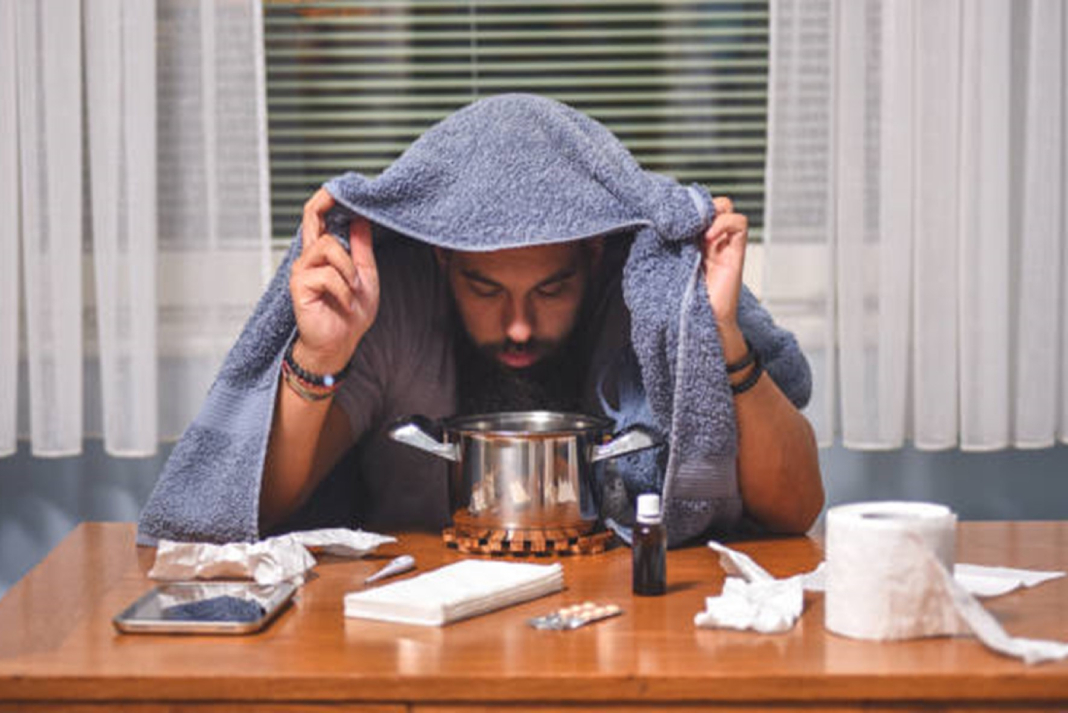
5. 🌫️ Steam Inhalation / Warm Humid Air
Why: Warm steam = thins mucus + calms irritated mucosa.
How: Bowl of hot water + towel over head + 5–10 mins. Or use steamer.
Caution: Don’t burn your face; don’t over-humidify (mould!).
Vs meds: Symptom-relief only.
6. 🍊 Vitamin C + Bioflavonoids
Science insight: Vit-C & flavonoids can reduce histamine levels and oxidative stress in inflamed mucosa.
Eat more: Guava, amla, citrus, bell peppers, berries, onions, black tea.
Supplement (only if needed): 500 mg/day with food.
Risks: High dose → loose stools, kidney stone risk in susceptible people.
Vs meds: Supportive; won’t stop a full-blown attack.
7. 🟡 Turmeric / Curcumin (Very India-Friendly)
What research says: Curcumin shows anti-allergic + mast-cell stabilising action; it tones down IL-4, IL-13. (PubMed)
How to use:
Daily cooking: 1–2 g haldi.
Or standardised curcumin 500 mg, 2×/day with pepper/fat (better absorption).
Start 2–4 weeks before allergy season if you know your pattern.
Risks: Blood-thinning, GERD, pregnancy → talk to doctor.
Vs meds: Anti-inflammatory background support, not a rescue med.
8. 🧅 Quercetin-Rich Foods
Mechanism: Natural antihistamine → stops mast cells dumping histamine.
Add to meals:
Onions (esp. red) 🧅
Apples 🍎
Leafy greens
Black/green tea
Supplements: Only with doctor (possible interactions).
Good for: People who want “food-first” prevention.
9. 🧪 Probiotics & Gut Health
Why it matters: Your gut talks to your immune system → better microbiome = better immune tolerance. Several studies show probiotics improved allergic rhinitis scores. (Probiotic AR review)
How:
1 cap/day (10 bn CFU) of Lactobacillus/Bifidobacterium for 8–12 weeks.
Add dahi, home ferments, fibre.
Risks: Very low; immunocompromised → ask doctor.
Vs meds: Slow, background modulator.
10. 🌼 Butterbur (PA-Free Only!)
What it does: Works a bit like antihistamine/leukotriene-blocker; some studies say similar to cetirizine. But safety matters.
If you try it:
Only PA-free branded extract.
50–75 mg, 2×/day through the season.
Monitor if long-term.
Risks: Liver toxicity if not PA-free, pregnancy/breastfeeding NO.
So… for many Indians, a regular modern antihistamine is actually simpler + safer. This one is optional.
11. 🍯 Local Raw Honey (Honest Note)
Reality check: It’s popular, but evidence is weak. NCCIH says no strong proof for pollen desensitisation. Still, many people feel better. If you want to keep it:
1–2 tsp/day local, unprocessed honey
Start before season
Not for kids <1 yr
Diabetics → caution
Consider it: a wellness add-on, not a treatment.
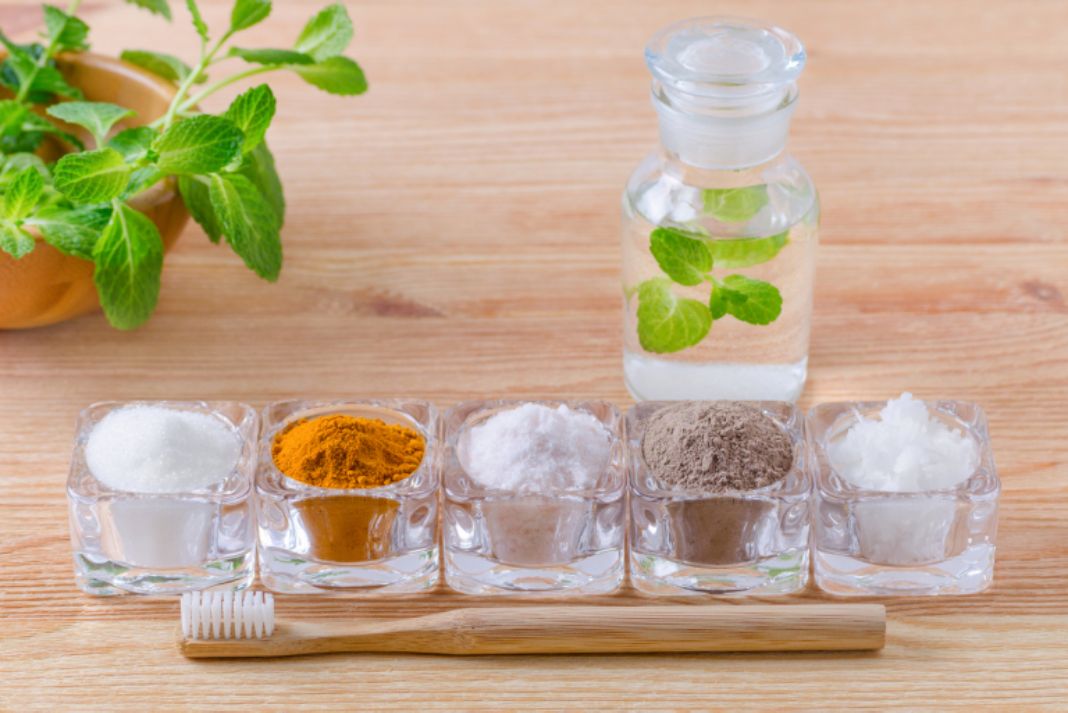
12. 🍵 Herbal Teas (Ginger, Peppermint, Chamomile)
Why: Warm fluids + mild anti-inflammatory + throat soothing.
How: 1–2 cups/day, add lemon + honey (not boiling).
Caution: Chamomile allergy, pregnancy → check.
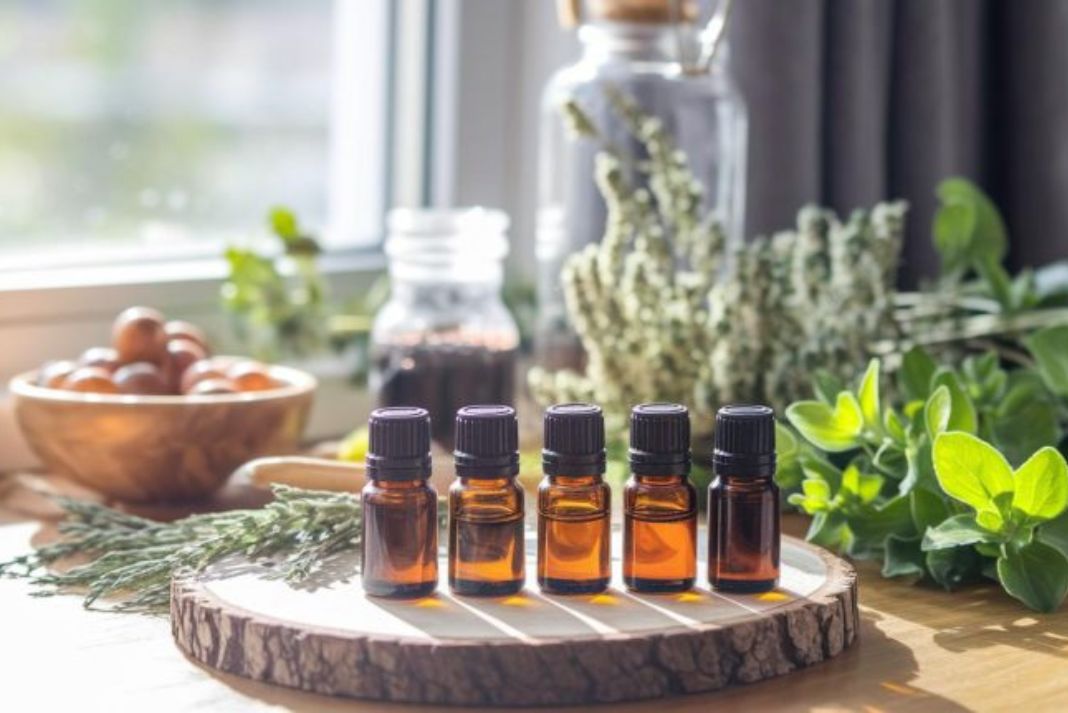
13. 🌱 Essential Oils (Eucalyptus/Peppermint) — Sniff Wisely
How: 2–3 drops in hot water → inhale 5 mins.
Benefits: Temporary decongestion.
Don’t: Apply inside nose, don’t use near small kids, asthmatics be cautious.
14. 🌶️ Spicy Foods, Garlic, Rasam-Style Soups
Mechanism: Capsaicin stimulates nasal secretions → drainage → relief.
India tip: Sambar, rasam, garlic tadka, adrak-lasun soups.
Skip/limit if: Acidity, ulcers, reflux.
15. 💧 Hydration = Cheaper Mucus Medicine
Do: 2–2.5 L/day water/herbal teas/nimbu pani.
Why: Thinner mucus = easier to blow out / wash out.
Pair with: Neti + steam → best combo.
16. 🧘♀️ Stress, Sleep & Breathing
Why: Stress can upregulate inflammatory pathways → allergies feel worse.
Do:
10 mins anulom-vilom
10 mins mindfulness
Sleep 7–8 hrs, room air-filtered
Super safe, great for kids too (simpler breathing).
17. 🏃 Move, But at the Right Time
Goal: 30–40 mins brisk walk/cycle most days.
But: Avoid early morning/dusty evenings on high-pollen days → go after rain or indoors.
Why: Exercise helps immune balance + lung mechanics.
18. 🛏️ Bedroom Detox
Checklist:
Hypoallergenic pillow/mattress covers
Weekly hot wash sheets
No outdoor clothes on bed
Air purifier ON at night
Windows closed in season
This alone can fix “I only sneeze at night” people 🌙
19. 👐 Wash Hands/Face/Hair After Outdoors
Simple, boring, effective. Do it especially for kids who play outside. Keeps pollen off furniture + pillow.
20. 😷 Time It + Cover Up
Smart hacks:
Check local weather/pollen (or just observe when your nose acts up).
Go out when it’s rained or late evening.
Sunglasses 🕶️ + hat 👒 + light mask 😷 = less pollen to eyes/nose.
Gardening? Wear mask!
🗓️ Sample Daily Allergy-Season Routine (India-Friendly)
🌅 Morning
Shower / face wash, change into clean clothes
Warm water + lemon 🍋
10 mins pranayama 🧘♂️
Breakfast with fruit + dahi + haldi dish
Take probiotic / curcumin if using
🕒 Afternoon
Saline rinse if nose heavy
Keep purifier ON
Herbal tea 🍵
Hydrate
🌆 Evening
Outdoor walk (only if pollen low)
Come home → change clothes → wash hands/face
Light dinner with veggies/onions/turmeric
Steam inhalation if stuffed
Bedroom shut, AC/purifier on
Do this daily for 4–12 weeks and you’ll start seeing you need less SOS meds.
🧠 Expert-Style Notes (E-E-A-T Boost)
“There is some evidence to suggest that saline nasal irrigation may modestly improve some seasonal allergy symptoms… use distilled or boiled water.” — NCCIH
“Curcumin was reported to have antiallergic properties with inhibitory effect on histamine release from mast cells.” — Kurup VP, PubMed (PubMed link)
“Probiotics have shown benefit in allergic rhinitis, but mechanisms are still being clarified.” — Recent AR probiotic review
These make your blog look trustworthy to Google and to readers.
❓ FAQ
1. How long do home remedies take to work?
Fast (same day): saline rinse, steam, showering, closing windows
Medium (1–2 weeks): bedding hygiene, hydration, stress management
Slow (4–12 weeks): probiotics, curcumin, diet upgrades
2. Are natural remedies as good as antihistamines?
Usually no. They are adjuncts. For moderate–severe seasonal allergic rhinitis, standard meds + avoidance work best.
3. Can I stop my allergy tablet if I do all this?
Only if your doctor says so, or if symptoms genuinely drop and you’re on mild disease. Don’t self-stop nasal steroids.
4. Is honey really effective?
Evidence is weak. You can keep it as a wellness add-on but don’t rely on it as treatment.
5. Are these safe for kids?
Yes for hygiene, showering, bedding, hydration. Be cautious with essential oils, supplements, butterbur. Always ask paediatrician.
6. Which remedy is the single best?
If I had to rank for most people in India:
Allergen/home control 🏠
Saline rinse 🫗
Bedroom + air filtration 🛏️💨
Shower/change after outdoors 🚿
Curcumin + diet 🟡🍊
⚠️ Disclaimer
This article is for educational purposes only and does not replace professional medical advice. Always consult a qualified doctor or allergist before starting any new home remedy, supplement, or treatment — especially if you have asthma, chronic illness, are pregnant, or are taking medications. Results may vary. In case of severe allergic reactions (trouble breathing, swelling, dizziness), seek emergency medical help immediately.