

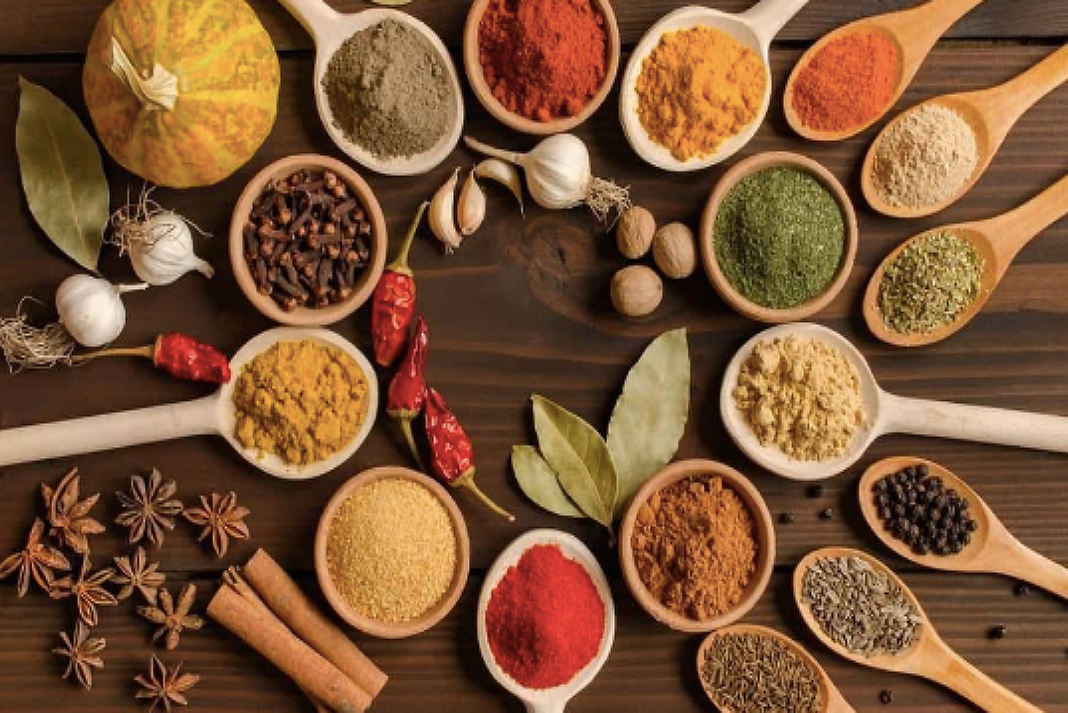
If you’ve ever felt that uncomfortable bloating, sluggishness, or heaviness after meals, you’re not alone. Millions struggle with digestive discomfort every day — often reaching for over-the-counter antacids or digestive pills for relief. But what if the solution has been sitting quietly in your kitchen cabinet all along?
From ancient Ayurvedic practices to modern clinical studies, culinary spices like ginger, cumin, turmeric, fennel, and black pepper have been shown to stimulate digestive enzymes, balance gut bacteria, and support smoother digestion. These natural compounds don’t just add flavor — they enhance how your body breaks down food, absorbs nutrients, and maintains gut harmony.
🔬 Deep-dive: how to use each spice (mechanism ➜ steps ➜ risks)
Below are concise, practical mini-guides. (Choose 2–4 to start; rotate weekly.)
1) Ginger 🫚
Why it might work: Human trials show ginger accelerates gastric emptying and strengthens antral contractions—great for post-meal heaviness and dyspepsia. PubMed+1
How to use (step-by-step):
10–20 min before your heaviest meal, steep ½–1 tsp grated fresh ginger in 200–250 ml hot water, 5–10 min.
Or add 1 g dried ginger to lunch/dinner.
Duration: Daily for 3–4 weeks, reassess.
Risks: Heartburn if high dose; caution with anticoagulants.
Compare: Gentler than prescription prokinetics; smaller effect size, but excellent as adjunct. PMC
2) Cumin 🌰
Mechanism: In IBS studies and peri-operative settings, cumin improved global IBS symptoms and bowel motility (time to first gas/defecation). PubMed+1
Steps: Temper ½–1 tsp ground cumin in oil/ghee for lunch or dinner; or simmer ½ tsp seeds 5 min for a post-meal tea.
Duration: Daily, 4 weeks trial.
Risks: Rare allergy; stay at culinary doses in pregnancy.
3) Fennel 🌾
Mechanism: Carminative/antispasmodic; RCT evidence shows fennel capsules reduce flatulence post-C-section; turmeric-fennel combos improved IBS symptoms. PMC+2PubMed+2
Steps: Chew 1 tsp lightly roasted seeds after meals or make a tea (1 tsp seeds in 250–300 ml hot water, 7–10 min).
Risks: Apiaceae allergies; extracts in pregnancy only with advice.
4) Turmeric ✨ (+ Pepper ⚫)
Mechanism: Curcumin modulates the microbiome and gut inflammation; piperine from pepper boosts curcumin bioavailability dramatically. PMC+1
Steps: Add ¼–½ tsp turmeric + a pinch (⅛–¼ tsp) fresh pepper to one meal daily.
Duration: 6–8 weeks for microbiome effects.
Risks: Gallstone disease or high-dose supplements → clinician guidance.
5) Cardamom 🍃
Mechanism: Antispasmodic activity (including PDE inhibition), supporting relief from cramps and bloating. PMC
Steps: Lightly crush 2 pods, steep in hot water 5–8 min after meals; or ¼ tsp powder in chai.
Risks: Rare allergy.
6) Black pepper ⚫
Mechanism: Piperine enhances digestive enzyme activity and nutrient absorption; it also amplifies turmeric. PMC+1
Steps: Crack ¼ tsp over meals, especially those with turmeric.
Risks: Irritation if ulcers/GERD.
7) Cinnamon 🌰
Mechanism: Antimicrobial and anti-inflammatory; supportive for post-meal comfort and glycemic control that indirectly eases GI symptoms. PMC
Steps: ½ tsp with breakfast (oats, yoghurt) or after dinner tea (stick 5 min).
Risks: High, long-term Cassia intake → coumarin (liver) risk.
8) Coriander seed 🌿
Mechanism: Anti-inflammatory and spasm-relieving signals in preclinical GI models. PMC
Steps: ½ tsp crushed seeds in curries; or steep 1 tsp for a mild afternoon infusion.
Risks: Apiaceae family allergies.
9) Fenugreek 🫘
Mechanism: Soluble fiber + bile acid binding/excretion; beneficial shifts in gut microbiome. PMC+1
Steps: Soak ½ tsp seeds overnight; drink the water in the morning; add seeds to tadka.
Risks: Can lower glucose (monitor if on antidiabetics).
10) Ajwain / Carom 🧡
Mechanism: Thymol-rich; stimulant/carminative for gas and heaviness. PMC+1
Steps: Chew ¼ tsp seeds after heavy meals or make a 5-minute infusion.
Risks: Potent; avoid large medicinal doses in pregnancy.
11) Caraway 🟤
Mechanism: Antispasmodic; in combo with peppermint oil, clinically useful for functional dyspepsia. PubMed
Steps: ½ tsp in tea after dinner, or use in breads/veg.
Risks: Generally safe in culinary amounts.
12) Peppermint + Caraway (the duo) 🍃🟤
Mechanism: Smooth-muscle relaxation + carminative; RCTs show benefit in functional dyspepsia vs placebo and reference drugs. PubMed+1
Steps: Use enteric-coated products as per label (avoid plain oil if reflux-prone).
Risks: Peppermint can relax LES → worsen reflux in sensitive folks.
13) Oregano 🌱
Mechanism: Robust antimicrobial activity; supports mucosal defenses (preclinical/animal). PMC
Steps: Pinch of dried oregano in soups/tomato sauces a few times weekly.
Risks: Essential oil is concentrated—avoid self-dosing internally.
14) Clove 🌸
Mechanism: Eugenol drives antimicrobial/antioxidant actions; traditional use for stomach discomfort has mechanistic support. PMC+1
Steps: Steep 1 clove in 200 ml hot water (5 min) after heavy meals, 2–3×/week.
Risks: High-dose eugenol → bleeding/liver irritation; avoid concentrated oils.
15) Mustard seed 🟡
Mechanism: Older human/physiology work suggests secretagogue/metabolic effects relevant to digestion. PMC
Steps: ½ tsp in tadka for rich dishes.
Risks: Can irritate if reflux/ulcer.
16) Nigella (Black cumin) ⚙️
Mechanism: Thymoquinone shows GI-protective, anti-inflammatory and barrier-support effects; emerging human data. PMC+1
Steps: ½ tsp seeds on breads/veg 3–5×/week.
Risks: Avoid high-dose oils in pregnancy; watch for rare allergy.
17) Rosemary 🌿
Mechanism: May aid bile handling and influence GLP-1 and microbiota under high-fat diets (preclinical/early human signals). PMC+1
Steps: ¼–½ tsp dried rosemary with dinner (veg, soups).
Risks: Culinary doses are fine; avoid heavy medicinal dosing in pregnancy.
18) Sage 🍃
Mechanism: Antispasmodic/anti-motility actions in preclinical models—handy for “irritable” bowels. bdpsjournal.org
Steps: 3–5 leaves (or ~1 g dried) in tea after dinner.
Risks: High doses may be neuroactive; stick to culinary amounts.
19) Garlic 🧄
Mechanism: Prebiotic/antimicrobial; can lower TMAO via microbiome modulation—indirectly supporting gut health. PMC
Steps: 1 small clove cooked daily; raw if tolerated.
Risks: Raw → reflux/gas; bleeding risk at high doses with anticoagulants. PMC
20) Chili / Capsaicin 🌶️
Mechanism: Desensitizes nociceptors (TRPV1) and can speed gastric emptying; RCTs show benefit for functional dyspepsia in tolerant users. PubMed+1
Steps: If you already tolerate spice, add a tiny pinch to meals 2–3×/week; never on an empty stomach.
Risks: Can aggravate GERD/ulcers; start low or skip if sensitive.
🧪 Expert insights & quotes
“Ginger accelerates gastric emptying and stimulates antral contractions in healthy volunteers.” — Wu et al., randomized crossover study. PubMed
“In IBS, cumin extract improved all IBS symptoms in a clinical study.” — Agah et al. (case series + follow-ups). PMC
“A combination of peppermint oil + caraway oil showed clinical benefits for functional dyspepsia in randomized trials.” — Rich et al.; meta-analysis updates. PubMed+1
“Curcumin modulates gut microbiota composition and function, with potential benefits to gut health.” — Zhu et al., 2024 review; Balaji et al., 2025 review. PMC+1
🛠️ A simple daily spice routine (plug-and-play)
Morning ☀️
Warm water + ¼ tsp turmeric + pinch pepper.
Breakfast: ½ tsp cinnamon in oats/yoghurt.
Lunch 🍛
Temper with ½ tsp cumin, 1 clove garlic, ¼ tsp coriander seed.
If heavy/fatty: add ¼ tsp ajwain.
Afternoon 🍵
Fennel tea (1 tsp seeds, 7–10 min) if gassy.
Dinner 🌙
Herbs: rosemary (¼ tsp) or oregano pinch in soups/veg.
After meal: 2 cardamom pods in hot water or chew fennel.
Twice weekly: add nigella on breads/veg.
Weekly 🔁
2–3×/wk clove infusion;
If you tolerate heat, tiny chili 2×/wk;
For dyspepsia history, consider enteric peppermint+caraway per label (discuss with your clinician). PubMed
❓ FAQ
1) How long until I feel a difference?
Some feel lighter within 30–60 min (fennel/ajwain). For motility/microbiome shifts (ginger, turmeric), give it 4–6 weeks of daily use. PubMed+1
2) Are spices as effective as prescription meds?
For mild-to-moderate complaints, often yes, as adjuncts. For diagnosed conditions (e.g., severe gastroparesis, active ulcers), medications come first. Evidence is strong for peppermint+caraway in functional dyspepsia. PubMed
3) Can I combine several spices?
Yes—culinary blends show microbiome benefits. Start low, track what helps, and avoid piling on irritants if you have reflux. PMC
4) Best spice for gas & bloating?
Fennel, caraway, cardamom, ajwain are top picks. Ginger also helps if fullness/emptying is slow. PMC+2PubMed+2
5) What about turmeric with pepper—does that really matter?
Yes. Piperine can raise curcumin bioavailability ~2000% in humans. PMC
6) I’m chili-sensitive—should I avoid capsaicin?
Probably. Capsaicin helps some with dyspepsia via desensitization, but it can worsen GERD—use only if you already tolerate spice. PubMed+1
7) Can garlic upset my stomach?
Raw garlic is high in fructans and can cause bloating/heartburn in sensitive people; cooked is usually gentler. PMC
8) Do I need supplements?
Not for most people. Culinary doses work well for comfort and prevention. If considering curcumin supplements, discuss dosing and interactions first. PMC
⚠️ Disclaimer
The information in this guide is for educational and informational purposes only. It is not intended to diagnose, treat, cure, or prevent any disease, nor should it replace the advice of your physician or qualified healthcare professional.