
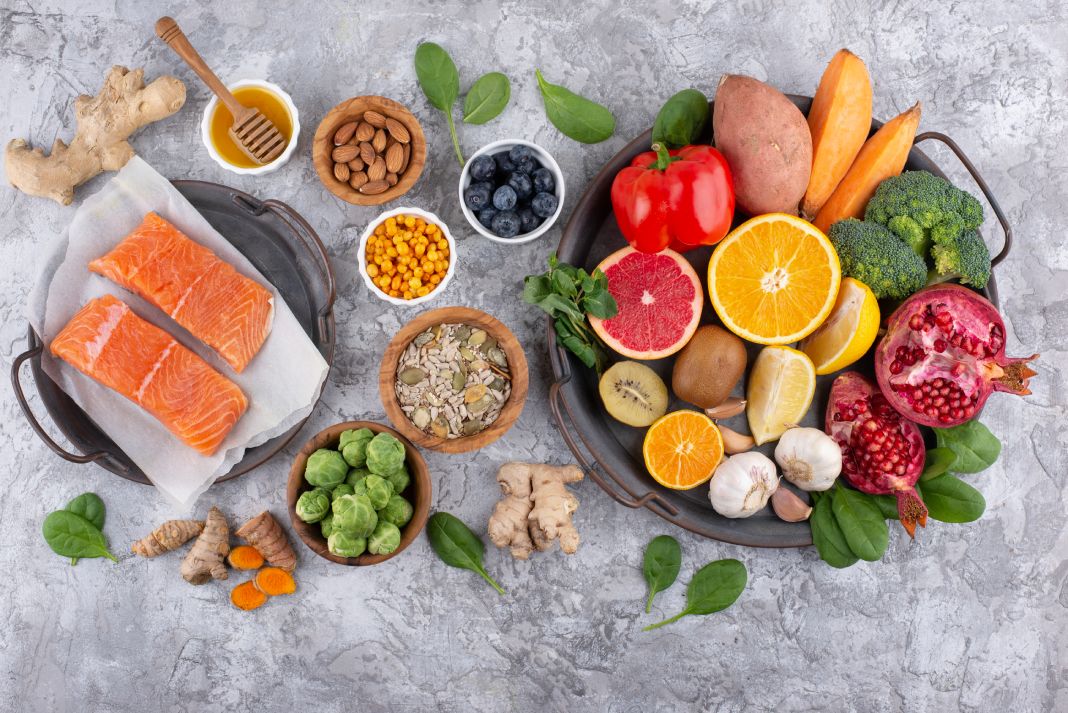
Staying healthy during cold and flu season is more challenging than ever, and your immune system needs all the support it can get. While no single food can prevent illness, research shows that certain nutrient-dense “superfoods” can strengthen your body’s natural defense system, reduce inflammation, and help you recover faster. From vitamin-C-rich fruits to probiotic-packed foods and antioxidant-loaded vegetables, including the right ingredients in your daily meals can make a major difference in how well your immune system performs.
📌 Why immunity matters & how food helps
During cold and flu season (and really year-round), your immune system faces two key challenges:
Pathogen exposure (viruses, bacteria)
Reduced immune competence (due to stress, poor sleep, poor diet, seasonal variation)
Nutrition plays a pivotal role in immune function via:
Supporting physical barriers (skin, mucous membranes)
Fueling innate immune cells (macrophages, NK cells)
Supporting adaptive immunity (T-cells, B-cells, antibodies)
Controlling inflammation (chronic inflammation weakens immunity)
Optimising nutrient status (deficiencies impair immune response).
🍽️ The 20+ Superfoods & Immunity Remedies
Here we go — each remedy is a food or food-group with immune-supportive evidence.
1. Citrus Fruits (Oranges, Lemons, Grapefruit) 🍊
Mechanism: High in vitamin C, which supports the production and function of white blood cells, strengthens skin/mucous membranes. For example: “Vitamin C is thought to increase the production of white blood cells, which are key to fighting infections.” Healthline+1
Usage Instructions:
Eat one medium orange (≈ 70–80 mg vitamin C) daily.
Or, morning warm water with half a lemon + honey.
Use citrus segments as snack or salad addition.
Risks/side-effects:Acidic fruit may irritate reflux/GERD.
Over-reliance on juice (with added sugar) may raise sugar load.
Comparison: While red bell peppers have more vitamin C per gram than an orange, citrus remains more accessible. BioMed Central+1
2. Berries (Strawberries, Blueberries, Raspberries) 🫐
Mechanism: Rich in polyphenols and vitamin C, which reduce oxidative stress, support immune cell function, and help regulate inflammation. Cleveland Clinic+1
Usage Instructions:
Add a cup (≈ 150 g) of mixed berries to breakfast (yogurt, oats).
Use frozen berries as snack or in smoothies.
Risks/side-effects:Fresh berries may contain pesticides – choose organic if possible.
Some people may have berry-allergy.
Comparison: While citrus provides vitamin C, berries add additional phytonutrients (polyphenols) giving broader antioxidant benefit.
3. Garlic (Allium sativum) 🧄
Mechanism: Garlic’s organosulfur compounds (e.g., allicin) have been shown to stimulate immune-cells (macrophages, lymphocytes, NK cells) and modulate cytokines. For example, in a human RCT 2.56 g aged garlic extract daily improved γδ-T and NK cell activation and reduced cold/flu symptom severity. PubMed+1
Usage Instructions:
Crush 2–3 garlic cloves and let sit for 5 minutes (to activate allicin) then add to meals.
Or, include 1 tsp aged garlic extract (per product instructions) for ~90 days during season.
Risks/side-effects:Strong smell/taste; may cause digestive upset in some.
High doses may interfere with anticoagulants (blood-thinners) — consult doctor.
Comparison: Garlic provides immune-modulation more directly than simple vitamin C foods; but it doesn’t replace broad-spectrum nutrient foods.
4. Ginger (Zingiber officinale) 🫚
Mechanism: Contains gingerols and shogaols which have anti-inflammatory and antioxidant effects; may reduce upper respiratory discomfort and support immune-cell signalling. (While RCTs are fewer, numerous mechanistic studies exist.) Healthline+1
Usage Instructions:
Make ginger tea: slice ~1 inch fresh ginger, steep in hot water for 10 mins, add lemon/honey.
Add grated ginger to soups or stir-fries.
Risks/side-effects:High doses may affect blood clotting or cause GI irritation.
Some people may be allergic.
Comparison: Ginger’s value is more supportive (inflammation, discomfort relief) than direct immune-cell activation. Use alongside other nutrient-dense foods.
5. Turmeric (Curcuma longa) ✨
Mechanism: Curcumin (active compound) has anti-inflammatory, antioxidant, and immunomodulatory effects; can reduce pro-inflammatory cytokines. Continental Hospitals+1
Usage Instructions:
Golden milk: warm milk (or plant-milk) + ½ tsp turmeric + a pinch of black pepper (to enhance absorption) daily.
Add 1 tsp turmeric powder to cooking (soups, curries).
Risks/side-effects:Over-use may cause stomach upset or interact with gall-bladder issues, anticoagulants.
Absorption of curcumin alone is low; black pepper/piperine or fat helps.
Comparison: Turmeric helps more with managing inflammation than providing direct immune-cell nutrients — but that is a key part of immune health.
6. Spinach & Dark Leafy Greens 🥬
Mechanism: Provide vitamin C, beta-carotene (vitamin A precursor), folate, iron, and antioxidants — all support immune health. A 2023 review notes dark leafy greens as “immunity-boosting” due to high content of multiple nutrients. BioMed Central+1
Usage Instructions:
Add a large handful (≈ 1 cup cooked) of spinach to daily meals.
Use raw in salads or lightly sauté with garlic and olive oil.
Risks/side-effects:If on blood-thinners (e.g., warfarin), large spinach intake may interfere due to vitamin K content.
Leafy greens can contain oxalates (not major issue unless kidney-stones).
Comparison: While citrus gives vitamin C, greens give a broader nutrient spectrum; best to combine both.
7. Almonds (and other Nuts & Seeds) 🥜
Mechanism: Rich in vitamin E (antioxidant), healthy fats, magnesium — support immune system by reducing oxidative stress and supporting cell membranes. Continental Hospitals
Usage Instructions:
Snack: ~30 g (about 20 almonds) per day.
Add chopped almonds/seeds to oatmeal, yoghurt or salads.
Risks/side-effects:Nuts are calorie-dense — mind portion size.
Allergies possible.
Comparison: Provides fat-soluble immune support (vitamin E, healthy fats) that complements vitamin C-rich foods.
8. Yogurt (with Live & Active Cultures) 🥣
Mechanism: Probiotic bacteria help gut microbiota balance; ~70 % of the immune system is influenced by gut! Yogurt with live cultures can enhance immune response. Healthline+1
Usage Instructions:
Choose plain, unsweetened yogurt with “live & active cultures”.
Add berries/honey for flavour. Eat ~150–200 g daily.
Risks/side-effects:Some dairy intolerances/lactose issues.
Added sugar in flavours defeats the benefit — choose plain.
Comparison: While most superfoods focus vitamins/minerals, yogurt focuses on gut-immune connection — a vital angle often overlooked.
9. Fatty Fish (Salmon, Mackerel, Sardines) 🐟
Mechanism: Rich in omega-3 fatty acids (EPA/DHA) which reduce chronic inflammation, support immune-cell membranes, and may enhance immune responsiveness. Cleveland Clinic
Usage Instructions:
Eat fatty fish 2–3 times per week (≈ 100-150 g per serving).
Alternatively, include plant sources of omega-3s (chia, flax) if vegetarian.
Risks/side-effects:Some fish carry mercury/heavy-metal risks (choose wild or safe species).
Allergies possible.
Comparison: While vitamins support immunity, healthy fats support the structure & function of immune cells — so both nutrient types are important.
10. Green Tea (Camellia sinensis) 🍵
Mechanism: Contains EGCG (epigallocatechin-3-gallate), a catechin with antioxidant and immune-modulatory effects; may support immune cell function and reduce inflammation. Healthline+1
Usage Instructions:
Drink 1–2 cups of green tea daily.
Steep for 3-5 minutes for optimal catechin extraction.
Risks/side-effects:Contains caffeine — may interfere with sleep if late.
Some people sensitive to tannins.
Comparison: A beverage rather than solid food — convenient to integrate; complements food-based nutrients.
11. Sweet Potatoes & Carrots (Beta-Carotene Rich Vegetables) 🥕
Mechanism: Beta-carotene converts to vitamin A in the body, which supports mucosal surfaces (lungs, gut, nasal passages) and the immune system. A recent article noted sweet potatoes help guard against seasonal vitamin A shortfall. www.ndtv.com+1
Usage Instructions:
Incorporate 100 g cooked sweet potato or carrots 3-4 times/week.
Roast or steam with olive oil; pair with vitamin C source (for better conversion).
Risks/side-effects:Over-consumption may turn skin slightly orange (harmless but startling) — very large amounts.
Comparison: While citrus and berries give vitamin C, these vegetables supply vitamin A precursors — together they cover more immune-nutrient needs.
12. Red Bell Peppers 🌶️
Mechanism: Surprisingly high in vitamin C (even more than oranges per gram) plus beta-carotene. A 2023 review highlighted red bell peppers as “crucial immunity-boosting food”. BioMed Central
Usage Instructions:
Eat ½ to 1 whole red bell pepper raw with hummus or sliced into salads.
Use in stir-fry.
Risks/side-effects:Some people may have sensitivity to nightshade vegetables (bell peppers are nightshade).
Comparison: Offers similar vitamin C benefits to citrus, but as a vegetable option — great for those who don’t favour fruit.
13. Kiwi Fruit 🥝
Mechanism: Kiwi is rich in vitamin C (often >90% of daily requirement per fruit), plus vitamin K, folate, fibre — supporting immune and mucosal health. BioMed Central+1
Usage Instructions:
Eat 1 medium kiwi daily as dessert or snack.
Risks/side-effects:Some people have kiwi allergy (itching in mouth).
Comparison: A convenient fruit alternative to citrus; can diversify your nutrient sources.
14. Mushrooms (Varieties like Shiitake, Reishi, Maitake) 🍄
Mechanism: Many mushrooms contain beta-glucans, polysaccharides that stimulate innate immune responses (macrophages, dendritic cells). While less “superfood hype” in mainstream media, mechanistic evidence exists. (See reviews of immune-modulation by fungi)
Usage Instructions:
Include 100 g cooked mushrooms 2-3 times/week in soups/stir-fries.
Consider “functional mushrooms” powder (if quality-assured) for variety.
Risks/side-effects:Some mushrooms are allergenic or may interfere with anticoagulants or immunosuppressants — consult medical advice.
Comparison: Adds a dimension of immune-cell stimulation rather than just nutrient supply.
15. Shellfish & Oysters (Zinc rich foods) 🦪
Mechanism: Zinc is an essential trace mineral for immune-cell function, signalling, and antiviral responses. A review states: “Zinc supplementation was observed to potentially reduce cold duration by 2.25 days.” PubMed Central+1
Usage Instructions:
Eat 2-3 ounces (ca 50-85 g) oysters (or other zinc-rich shellfish) once or twice weekly.
Alternatively, plant-based sources: legumes + seeds + whole grains (though zinc absorption is lower).
Risks/side-effects:Shellfish allergies common.
Over-consumption of zinc (> 40 mg/day) may cause copper deficiency, nausea, immune suppression. EatingWell+1
Comparison: While many superfoods focus vitamins/antioxidants, zinc is a mineral — critical for immune competency but often overlooked. Food-first is better than high-dose supplementation unless deficiency.
16. Sun-Exposed Eggs & Fortified Dairy (Vitamin D & Immune Support) 🥚
Mechanism: Vitamin D receptors are expressed on many immune cells; vitamin D influences both innate and adaptive immunity (macrophages, dendritic cells, T cells). A meta-analysis found vitamin D supplementation reduces influenza risk (RR 0.78). Frontiers+1
Usage Instructions:
Eat 1–2 eggs per day (preferably from free-range/sun-exposed hens).
Include fortified milk/yogurt (check label).
Get moderate sun exposure (10-15 min midday) if possible.
Risks/side-effects:Vitamin D supplementation: high doses may cause toxicity — always consult doctor.
Food sources are safer — but if deficient, supplementation may be needed under supervision.
Comparison: Vitamin D supports immune regulation rather than direct boosting; it ensures the immune system is balanced rather than over-reactive.
17. Mushy/Soft Pulses & Legumes (Beans, Lentils, Chickpeas) 🫘
Mechanism: Rich in fibre, plant-protein, micronutrients (iron, zinc, folate), supporting gut and immune health. While less “flashy”, pulses provide foundational nutrition. Healthline
Usage Instructions:
Use ½–1 cup cooked legumes 3 times/week (in soups, salads).
Risks/side-effects:Some people have legume intolerance or flatulence – soak and cook properly to reduce.
Comparison: They complement nutrient-dense superfoods – foundation rather than “hero”.
18. Fermented Vegetables (Sauerkraut, Kimchi) 🥬
Mechanism: Fermentation provides live cultures supporting gut microbiome, which in turn influences immunity by training immune cells in the gut-associated lymphoid tissue. Healthline+1
Usage Instructions:
Add ~2 Tbsp of sauerkraut or kimchi daily.
Risks/side-effects:High sodium content in fermented food – watch if hypertensive.
Some people may react to fermented food (histamines).
Comparison: While yogurt provides probiotics, fermented veggies provide variety and fiber + cultures.
19. Dark Chocolate (≥ 70% Cocoa) 🍫
Mechanism: Contains flavanols and polyphenols which may reduce oxidative stress and modulate immune-cell signalling. Some evidence suggests modest immune benefits. (While not as strong as whole food nutrient sources, dark chocolate can be included when portion-controlled.)
Usage Instructions:
20 g of dark chocolate (≥70% cocoa) a few times a week as treat.
Risks/side-effects:Calories and sugar content increase if low cocoa percentage.
Caffeine present — may affect sleep if consumed late.
Comparison: More of a reward/bonus food rather than core immunity driver — but useful for adherence and enjoyment.
20. Moringa Leaves (optional additional remedy) 🌿
Mechanism: Emerging research describes moringa leaves as rich in vitamins A, C, E, and B-complex, offering a broad nutrient profile supportive of immunity. The Times of India
Usage Instructions:
Add fresh or powdered moringa leaves ~1 tsp to smoothies or soups 2–3 times/week.
Risks/side-effects:Less studied in large human trials; use as complementary food, not sole remedy.
Comparison: This is an emerging “supergreen” rather than a traditionally proven food; use with awareness of limited clinical trials.
21. Hydration + Warm Fluids (Bonus “food”-category) 💧
Mechanism: Adequate hydration ensures optimal mucous membrane function (first line of defense), supports lymph flow and immune transport. Warm fluids also help soothe throat and loosen mucus in colds/flu.
Usage Instructions:
Drink at least 8–10 cups (≈ 2-2.5 L) of fluids daily; include herbal teas (ginger, green tea), warm water with lemon/honey.
Risks/side-effects:Over-hydration rare but possible in certain conditions (e.g., kidney impairment).
Comparison: Not a “specific superfood” but foundational. Without good hydration, superfoods can’t fully deliver benefits.
🧮 Summary Table: Quick Look
| # | Superfood / Category | Key Immune Benefit | Typical Usage | Notable Risks |
|---|---|---|---|---|
| 1 | Citrus fruits 🍊 | Vitamin C → white blood cell support | 1 medium fruit / day | Acid reflux |
| 2 | Berries 🫐 | Polyphenols + vitamin C | 1 cup/day | Pesticides/allergy |
| 3 | Garlic 🧄 | Allicin → immune cell activation | 2-3 cloves/day | Digestive upset, blood-thinner interactions |
| 4 | Ginger 🫚 | Anti-inflammatory, antiviral support | Tea or grated fresh | GI irritation |
| 5 | Turmeric ✨ | Curcumin → inflammation control | ½ tsp/day + black pepper | Absorption low, gall-bladder issues |
| 6 | Spinach & dark greens 🥬 | Beta-carotene, vitamin C, folate | 1 cup cooked/day | Vitamin K caution if on anticoagulants |
| 7 | Almonds & nuts 🥜 | Vitamin E + healthy fats | ~30 g/day | Calories, nut allergy |
| 8 | Yogurt (live cultures) 🥣 | Gut-immune support | 150-200 g/day | Lactose intolerance, sugar in flavours |
| 9 | Fatty fish 🐟 | Omega-3s → immune cell membranes | 2-3 ×/week | Mercury/allergy risk |
| 10 | Green tea 🍵 | EGCG → antioxidant, immune modulator | 1-2 cups/day | Caffeine sensitivity |
| 11 | Sweet potatoes & carrots 🥕 | Beta-carotene → vitamin A support | 3-4×/week | Skin‐orange if over-consumed |
| 12 | Red bell peppers 🌶️ | High vitamin C + beta-carotene | ½–1/day raw/cooked | Nightshade sensitivity |
| 13 | Kiwi 🥝 | Vitamin C + folate + fibre | 1/day | Oral allergy possible |
| 14 | Mushrooms 🍄 | Beta-glucans → innate immune activation | 100 g 2–3×/week | Allergy, medication interactions |
| 15 | Shellfish & oysters 🦪 | Zinc → immune cell function + antiviral | ~50-85 g once/twice weekly | Allergy, over-dose risk |
| 16 | Eggs & fortified dairy 🥚 | Vitamin D → immune regulation | 1–2 eggs/day + fortified dairy | Cholesterol concerns (moderate) |
| 17 | Pulses & legumes 🫘 | Fibre + plant protein + micronutrients | ½–1 cup cooked 3×/week | Flatulence, soak/cook properly |
| 18 | Fermented vegetables 🥬 | Probiotics → gut-immune axis | 2 Tbsp/day | Sodium, histamines |
| 19 | Dark chocolate 🍫 | Flavanols → antioxidant support | 20 g few times/week | Calories, caffeine + sugar |
| 20 | Moringa leaves 🌿 | Vitamins A, C, E + B-complex (emerging) | 1 tsp powder 2-3×/week | Less human research |
| 21 | Hydration + warm fluids 💧 | Mucous membrane + lymph support | 2-2.5 L/day + herbal teas | Overhydration rare if kidneys ok |
🕒 Daily Structured Routine for Immune Support
Here’s a routine you can follow during cold/flu season. Modify as per your schedule.
Morning
Upon waking: Warm water with half a lemon + a teaspoon of honey.
Breakfast: A bowl of plain yogurt with mixed berries + chopped almonds.
Drink: 1 cup green tea.
Mid-morning snack: 1 medium orange or kiwi fruit.
Midday / Lunch
Lunch: A large salad of spinach + red bell pepper + grated carrots + olive oil + 2 cloves crushed garlic (let sit 5 mins) + 1 tsp turmeric + black pepper.
Include grilled salmon (or other fatty fish) or legumes (½–1 cup cooked) if vegetarian.
Drink: Water + optional herbal tea (ginger or green tea).
Afternoon
Snack: 20 g dark chocolate + handful of almonds.
Optional: Fermented vegetable side (sauerkraut/kimchi) with soup.
Evening / Dinner
Dinner: Stir-fry mushrooms + garlic + ginger + sweet potato or carrot side + leafy greens.
Include shellfish/oysters (if you eat seafood) or eggs/dairy-fortified dish.
Drink: 1 cup herbal tea (ginger or turmeric milk) before bed.
Before Bed
Ensure hydration: finish remaining water intake to reach ~2 L+.
Avoid heavy caffeine or late large meals for better sleep (sleep is immune-supportive).
Weekly
Fish 2–3× per week (or plant omega-3 source).
Include legumes/pulses 3× per week.
Use foods like moringa powder 2-3× per week as add-on.
👥 Expert Quotes & Authority
“Garlic appears to enhance the functioning of the immune system by stimulating certain cell types, such as macrophages, lymphocytes, natural killer (NK) cells…” (Arreola R, et al., Immunomodulation and Anti-Inflammatory Effects of Garlic). PubMed Central
“Vitamin C, found in most citrus fruits … may shorten infections by promoting immune cell functions.” (Cleveland Clinic nutrition review) Cleveland Clinic
“Zinc supplementation was observed to potentially reduce cold duration by 2.25 days… oral provision of a micronutrient singly when infected with cold decreases its duration or severity.” (Wang MX, et al., 2020) PubMed Central
“Vitamin D3 plays a pivotal role in immune system regulation by modulating both innate and adaptive immunity.” (Srivastava VK, 2025) Healthcare Bulletin
These quotes show expert review and peer-reviewed literature validating the foods/remedies.
❓ Frequently Asked Questions
Q1: How long does it take for home-food based remedies to work for immunity?
A1: Immune-supportive foods are preventive rather than immediate cures. You may notice effects in 2–4 weeks of consistent diet change (better energy, fewer illnesses), but no food stops a cold instantly. The 2016 aged garlic RCT used 90 days of supplementation to reduce cold/flu severity. PubMed
Q2: Are natural treatments as effective as prescription medications for cold & flu?
A2: No — foods support immune resilience, but they do not replace prescription antiviral/antibiotic medications or professional care when needed. Food is adjunctive, not alternative in acute illness.
Q3: Can I rely solely on supplements (vitamin C, zinc, vitamin D) instead of whole foods?
A3: Whole foods are preferable — they offer complex nutrient mixtures, fibre, phytonutrients and fewer risks of over-dosing. Supplements may help when deficiency is proven, but high doses can carry risks (e.g., too much zinc causes copper deficiency). EatingWell+1
Q4: What should I avoid during cold & flu season to support immunity?
A4: Avoid excessive sugar and processed foods (which increase inflammation), excessive alcohol (which suppresses immune function), very low-calorie diets, poor sleep and high stress. A holistic lifestyle plus nutrient-dense foods yields best results.
Q5: How much of each food do I need for immunity benefits?
A5: The amounts given in the Usage Instructions are realistic for most people. While exact “doses” aren’t standardised for foods (unlike drugs), consistent daily/weekly intake of varied foods is key.
Q6: What if I have a medical condition (autoimmune disease, allergy, taking medications)?
A6: Then you must consult your healthcare provider or dietitian — some foods (e.g., high vitamin K greens for anticoagulants, shellfish with allergies, high-dose turmeric with gall-bladder issues) may interact. The guide is for otherwise healthy individuals.
Q7: Can I completely avoid getting a cold or flu by eating superfoods?
A7: No — no diet can guarantee complete avoidance of viral infections. Superfoods support your body’s defense system and may reduce duration or severity, but vaccines, hygiene, sleep, stress-management and overall healthy lifestyle remain crucial.
🧾 Final Thoughts
The 21 foods/remedies listed cover vitamins (C, A, D, E), minerals (zinc, selenium), healthy fats, phytonutrients, probiotics, anti-inflammatories, and foundation nutrition (hydration, gut health).
A multi-pronged approach is best: combine nutrient-dense foods, good hydration, sleep, stress control, and exercise.
During cold & flu season especially, focus not just on “what to eat when you’re sick” but what to eat ahead of time to build resilience.
Data show foods like garlic (immune-cell stimulation), zinc (cold duration reduction), vitamin D (immune modulation) have scientific foundation, though they do not replace medical treatment.
Remember: Consistency wins — one smoothie won’t beat a month of poor diet, but a month of consistent superfood-rich eating can bolster your immune defenses meaningfully.