
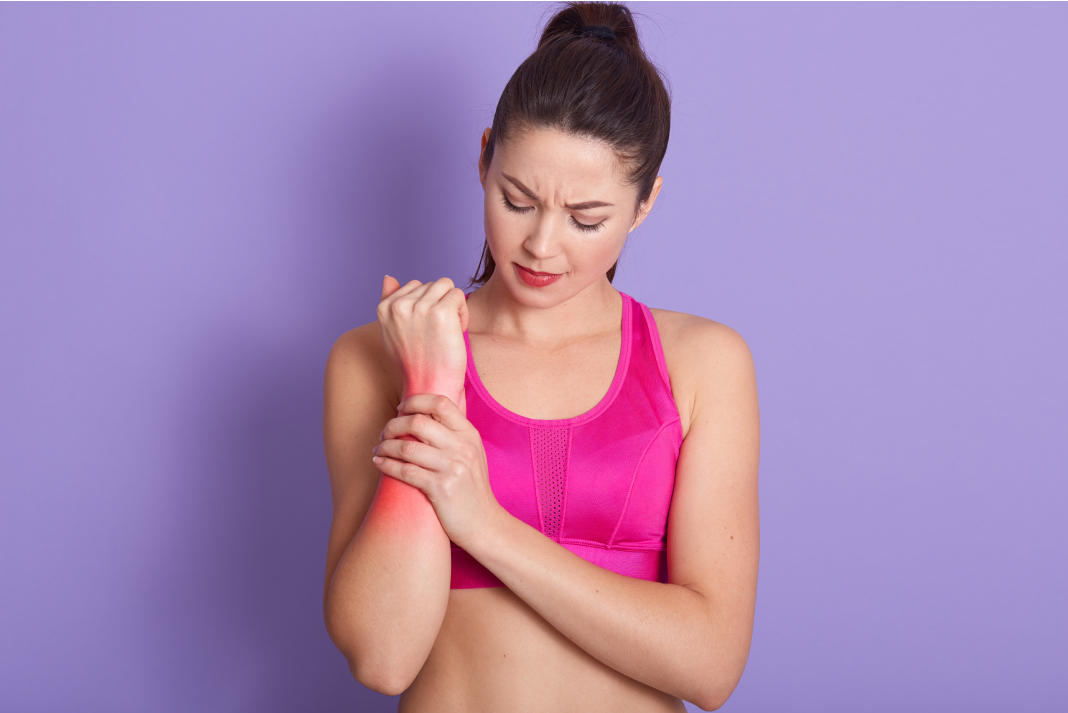
Muscle soreness — medically referred to as Delayed Onset Muscle Soreness (DOMS) — is a common aftereffect of intense workouts, physical labor, or new physical activities. While it’s a natural healing process, untreated soreness can hinder performance, delay recovery, and increase injury risks.
🧪 What Causes Muscle Soreness?
Muscle soreness often results from microscopic tears in muscle fibers post-exercise. This triggers inflammation and lactic acid build-up, leading to stiffness, pain, and fatigue.
Key Factors:
- Eccentric movements (e.g., running downhill, squats)
- Inadequate warm-up or hydration
- Nutrient deficiencies
- Lack of post-exercise recovery
🏠 Scientifically Proven Home Remedies for Muscle Soreness
1. 🚽 Epsom Salt Bath
Mechanism: Magnesium sulfate absorbs through the skin, relaxing muscles and reducing inflammation.
How to Use: Add 1–2 cups of Epsom salt to warm bath water and soak for 15–20 minutes.
Study: Magnesium & Muscle Recovery – PubMed
Caution: Avoid if allergic or have kidney issues.
2. ❄️ Cold Therapy
Mechanism: Reduces inflammation by constricting blood vessels.
How to Use: Apply a cold pack for 15-20 minutes every 4–6 hours post-exercise.
Study: Effect of Cryotherapy on Muscle Soreness – NCBI
Tip: Best within 24 hours post-exercise.
3. 🔥 Heat Therapy
Mechanism: Increases blood flow, reducing stiffness and speeding up recovery.
How to Use: Apply a heating pad or warm towel for 15–20 minutes.
Study: Heat vs Cold Therapy – PubMed
Caution: Avoid heat during early inflammation phase.
4. 🌿 Turmeric (Curcumin)
Mechanism: Powerful anti-inflammatory properties via COX-2 inhibition.
How to Use: Take 500mg curcumin supplements or drink turmeric milk (1/2 tsp in warm milk).
Study: Turmeric & Muscle Recovery – NCBI
Tip: Combine with black pepper for better absorption.
5. 🍵 Ginger
Mechanism: Gingerol compounds reduce prostaglandin-induced inflammation.
How to Use: Drink ginger tea (boil 2-3 slices for 10 minutes) twice daily.
Study: Ginger & Muscle Pain – PubMed
Best For: Leg day soreness, runners.
6. 💊 Magnesium Supplements
Mechanism: Supports muscle contraction-relaxation cycle.
How to Use: Take 200-400 mg/day (consult a doctor first).
Study: Magnesium & Muscle Recovery – NCBI
Tip: Pair with Vitamin D for better absorption.
7. 🌸 Arnica
Mechanism: Reduces inflammation via cytokine modulation.
How to Use: Apply Arnica gel or cream twice daily.
Study: Arnica & Pain Relief – PubMed
Caution: Avoid on open wounds.
8. 🌀 Foam Rolling
Mechanism: Myofascial release improves blood flow and flexibility.
How to Use: Foam roll sore muscles for 10-15 minutes post-exercise.
Study: Foam Rolling & Recovery – NCBI
9. 🍒 Tart Cherry Juice
Mechanism: High in antioxidants that reduce muscle damage.
How to Use: Drink 1 glass post-exercise.
Study: Tart Cherry & Muscle Recovery – PubMed
10. 🧘 Stretching
Mechanism: Prevents muscle tightness and restores flexibility.
How to Use: Perform light static stretching after workouts.
Study: Stretching & Muscle Recovery – PubMed
11. 🥑 Omega-3 Fatty Acids
Mechanism: Reduces inflammation through EPA/DHA compounds.
How to Use: Take 1,000–3,000 mg fish oil daily.
Study: Omega-3 & Muscle Recovery – PubMed
12. 🤲 Massage Therapy
Mechanism: Increases lymphatic drainage and blood flow.
How to Use: Get a deep tissue or sports massage post-exercise.
Study: Massage Therapy & Recovery – PubMed
13. 🍎 Apple Cider Vinegar
Mechanism: May reduce lactic acid buildup.
How to Use: Mix 1 tbsp in warm water post-exercise.
Study: Limited but widely practiced.
14. 🌿 CBD Oil
Mechanism: Modulates pain perception via CB1/CB2 receptors.
How to Use: Apply CBD cream or take sublingual oil.
Study: CBD & Inflammation – NCBI
15. 🌬️ Essential Oils (Peppermint, Eucalyptus)
Mechanism: Provides cooling relief through menthol/eucalyptol.
How to Use: Mix 5 drops in 1 tbsp carrier oil and massage sore muscles.
👩⚕️ Expert Insights
“Magnesium and Omega-3 fatty acids are often underrated in recovery science. They improve both neuromuscular function and reduce inflammation.”
— Dr. Jennifer Lang, PhD, Harvard Medical School source
“Foam rolling is an effective post-exercise modality to accelerate myofascial recovery.”
— Dr. Antonio D. Garcia, NCBI Researcher source
🕒 Structured Daily Routine for Recovery
| Time | Activity |
|---|---|
| Morning | Turmeric Milk + Light Stretching |
| Mid-Morning | Hydration + Omega-3 + Protein Meal |
| Post-Workout | Foam Rolling + Cold Compress |
| Evening | Arnica Massage / Epsom Salt Bath |
| Night | CBD Oil + Ginger Tea + Light Stretching |
❓ FAQs
1. How long do home remedies take to work?
Most remedies reduce soreness within 24–72 hours, depending on severity and consistency.
2. Can I work out with sore muscles?
Yes, but avoid intense workouts on the same muscle group. Opt for light activity instead.
3. Are home remedies as effective as painkillers?
For mild-moderate soreness, natural remedies work well. For severe pain, seek medical attention.
4. Is soreness a sign of progress?
Yes, mild soreness means muscles are adapting. But chronic soreness could indicate overtraining.
5. What should I avoid when dealing with muscle soreness?
- Heavy workouts on the same muscles
- Dehydration
- Poor nutrition
- Excess alcohol or processed foods
6. Can I combine multiple remedies?
Yes! Example: Cold therapy + turmeric + stretching = better recovery.
7. What if soreness lasts longer than 5 days?
Persistent pain may indicate muscle strain or injury. Consult a doctor if soreness persists beyond 5 days.
⚠️ Disclaimer
This guide is for educational purposes only. Always consult a physician before using supplements or starting a new treatment — especially if you have medical conditions or are on medications.