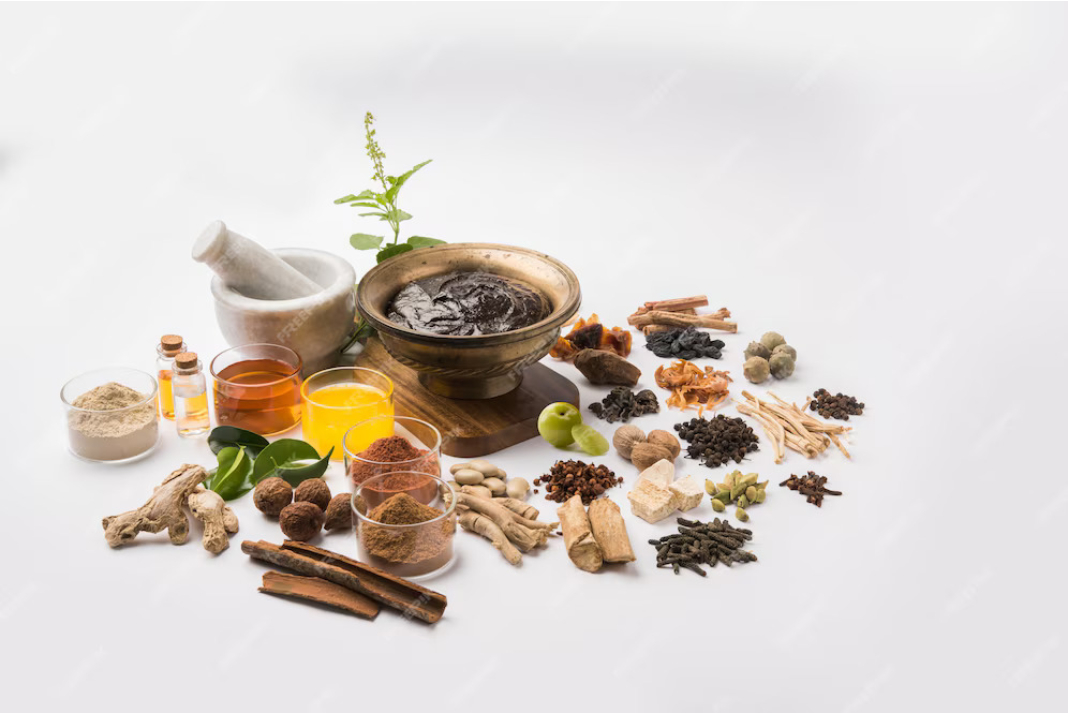


Pain—whether acute or chronic—affects millions globally and often results in the use of synthetic painkillers, which come with side effects and dependency risks. Fortunately, nature offers a complementary solution: essential oils for pain management. Backed by scientific research and traditional use, these potent plant extracts offer relief for various types of pain—muscular, joint, neuropathic, inflammatory, and more.
🌿 Benefits of Using Essential Oils for Pain Relief
- Natural anti-inflammatory properties
- Non-invasive and easy topical application
- Fewer side effects compared to NSAIDs
- Aromatherapeutic relaxation benefits
🌸 Essential Oil Remedies
1. Lavender Oil 🪻
- Mechanism: Contains linalool and linalyl acetate which reduce inflammation and modulate GABA receptors.
- Usage: Topical massage with carrier oil or add to diffuser.
- Scientific Source: NIH Study on Lavender and Pain Relief
- Risks: Skin irritation in some; always dilute.
- Comparison: Excellent for tension headaches and stress-induced pain vs ibuprofen.
2. Peppermint Oil 🌿
- Mechanism: Menthol stimulates TRPM8 receptors providing a cooling sensation and pain relief.
- Usage: Apply diluted to temples, joints, or use in steam inhalation.
- Source: PubMed Study
- Risks: May cause eye/skin irritation undiluted.
- Comparison: Faster relief than topical analgesic gels.
3. Eucalyptus Oil 🌱
- Mechanism: Eucalyptol inhibits cytokines and prostaglandins.
- Usage: Massage or steam inhalation for arthritis or sinus pain.
- Source: Study on Eucalyptol
- Risks: Potential asthma trigger in sensitive individuals.
4. Rosemary Oil 🌿
- Mechanism: Contains carnosol and rosmarinic acid, reducing inflammation via COX inhibition.
- Usage: Massage with carrier oil on sore areas.
- Source: PubMed Study
- Risks: Mild irritation; avoid during pregnancy.
5. Chamomile Oil 🌼
- Mechanism: Apigenin reduces prostaglandin activity and acts as a natural muscle relaxant.
- Usage: Diffuser or diluted massage.
- Source: Study on Chamomile
- Risks: Skin reactions in some people.
6. Ginger Oil 🌾
- Mechanism: Gingerol reduces TNF-alpha, prostaglandins, and COX pathways.
- Usage: Massage with carrier oil or use in warm compresses.
- Source: Ginger Anti-inflammatory Research
7. Turmeric Oil ✴️
- Mechanism: Curcumin inhibits NF-kB pathways, reducing inflammation.
- Usage: Diluted massage over joints and muscles.
- Source: Turmeric Pain Study
8. Frankincense Oil 🕊️
- Mechanism: Boswellic acids inhibit leukotriene production and inflammatory enzymes.
- Usage: Massage or diffusion for chronic joint pain.
- Source: Frankincense for Arthritis
9. Clove Oil 🌰
- Mechanism: Eugenol acts as a numbing agent, blocking nerve signals.
- Usage: Diluted topical application; avoid mucous membranes.
- Source: Clove Oil Study
10. Helichrysum Oil 🌼
- Mechanism: Contains neryl acetate and alpha-pinene; reduces oxidative stress and promotes nerve healing.
- Usage: Topical massage in carrier oil.
- Source: Essential Oil Mechanism
11. Basil Oil 🌿
- Mechanism: High in linalool; helps in muscle relaxation.
- Usage: Apply diluted to sore areas.
- Source: Basil Oil Effectiveness
12. Black Pepper Oil 🌶️
- Mechanism: Piperine increases blood flow and reduces inflammatory markers.
- Usage: Massage in carrier oil or compress.
- Source: Black Pepper Pain Relief
13. Marjoram Oil 🌿
- Mechanism: Rich in terpenes; reduces muscle spasm and tension.
- Usage: Warm compress or massage.
- Source: Marjoram Study
14. Wintergreen Oil 🍃
- Mechanism: Contains methyl salicylate—a natural NSAID.
- Usage: Apply topically (high dilution).
- Source: Wintergreen Effect
15. Copaiba Oil 🌳
- Mechanism: Contains beta-caryophyllene, which interacts with CB2 receptors.
- Usage: Massage on joints and muscles.
- Source: Copaiba Study
16. Lemongrass Oil 🌾
- Mechanism: Citral reduces oxidative stress and inflammation.
- Usage: Topical massage (diluted).
- Source: Lemongrass Benefits
17. Juniper Berry Oil 🍇
- Mechanism: Alpha-pinene acts as muscle relaxant and diuretic.
- Usage: Warm bath or massage.
- Source: Juniper Essential Oil
18. Yarrow Oil 🌿
- Mechanism: Chamazulene and beta-caryophyllene help relieve inflammation.
- Usage: Massage and bath blends.
- Source: Yarrow Oil Study
19. Myrrh Oil 🌳
- Mechanism: Contains sesquiterpenes that modulate pain pathways.
- Usage: Topical massage or aroma diffusion.
- Source: Myrrh Pain Relief
20. Sandalwood Oil 🪵
- Mechanism: Santalol reduces inflammation and boosts nerve recovery.
- Usage: Diffusion or diluted massage.
- Source: Sandalwood Research
🧠 Expert Quotes
- “Lavender oil has proven analgesic effects and works by modulating neurotransmitters involved in pain perception.” — Dr. Barbara Cordell, NCBI
- “Essential oils like ginger and turmeric contain compounds that inhibit inflammatory mediators like TNF-alpha and COX enzymes.” — Dr. Paul Rattray, Journal of Herbal Medicine
📆 Structured Routine for Pain Relief
| Time of Day | Essential Oils | Method | Purpose |
|---|---|---|---|
| Morning | Peppermint, Eucalyptus | Steam inhalation | Energizing, joint relief |
| Afternoon | Rosemary, Lemongrass | Topical massage | Muscle relaxation |
| Night | Lavender, Chamomile | Diffuser/aromatherapy | Relaxation, sleep-induced healing |
⚠️ Risks and Contraindications
- Always perform a patch test
- Never ingest unless under professional supervision
- Avoid some oils in pregnancy (e.g., Clove, Wintergreen)
- Photosensitivity risks (e.g., Citrus-based oils)
🔍 Comparison with Conventional Treatments
| Parameter | Essential Oils | NSAIDs | Topical Gels |
| Side Effects | Minimal | High (GI issues) | Mild |
| Onset Time | Moderate | Fast | Fast |
| Chronic Suitability | Excellent | Poor | Moderate |
| Cost | Low | Medium | Medium |
❓ Frequently Asked Questions (FAQs)
- How long does it take for essential oils to relieve pain?
- Usually 15–30 minutes post topical use; effects may increase with repeated use.
- Are essential oils better than painkillers?
- For chronic pain, yes—less toxic and safer. For acute pain, painkillers may act faster.
- Can essential oils treat arthritis pain?
- Yes, oils like Frankincense, Ginger, and Eucalyptus show strong anti-arthritic activity.
- Are they safe for children or pets?
- Only specific oils in diluted forms. Always consult a professional.
- Do I need a carrier oil?
- Yes, never apply essential oils undiluted on skin.
- Can I use more than one oil at a time?
- Yes, synergy improves outcomes (e.g., Lavender + Rosemary).
- What’s the best essential oil for back pain?
- Peppermint and Ginger Oils.
- Where should I apply them?
- Affected area, pressure points, temples, or diffuse aromatically.
📌 Disclaimer
This guide is for educational purposes only. Consult a certified aromatherapist or healthcare provider before starting any new regimen. Do not substitute for prescribed medications without professional guidance.