

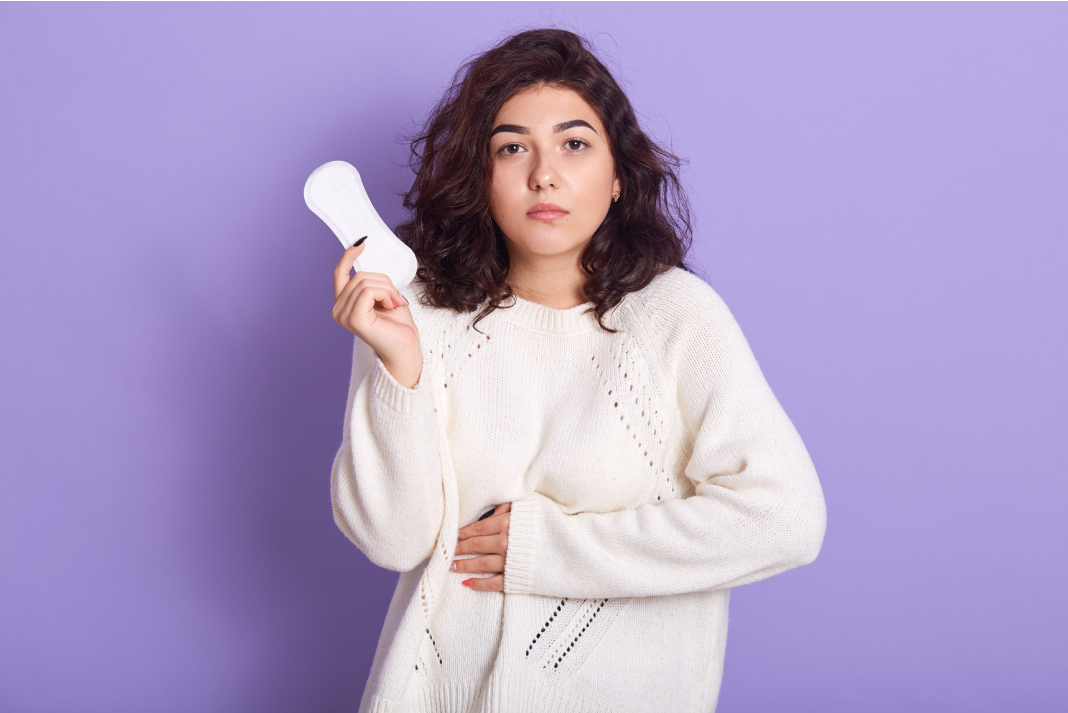
Premenstrual Syndrome (PMS) can impact up to 75% of menstruating women, causing physical, emotional, and behavioral symptoms that disrupt daily life. From cramps and bloating to anxiety and mood swings, managing PMS naturally has become a priority for many.
📊Natural Ways to Reduce PMS Symptoms
🌿 1. Calcium
🔄 Mechanism
Calcium helps regulate neuromuscular activity and hormonal fluctuation, both of which are disrupted during the luteal phase.
“Daily calcium intake significantly reduced PMS-related mood changes.” — PubMed Study
✨ Benefits
- Reduces irritability and mood swings
- Lessens menstrual cramps
- Improves sleep quality
✅ How to Use
- Dosage: 1000-1200 mg/day
- Best Form: Calcium citrate or carbonate
- Sources: Dairy, kale, fortified almond milk
⚠️ Risks
- Overuse may lead to kidney stones
- Reduces absorption of iron and zinc
☀️ 2. Vitamin D
🔄 Mechanism
Regulates serotonin production and calcium metabolism, easing mood-related PMS.
“Low vitamin D levels were linked to increased PMS symptoms” — PMC Study
✨ Benefits
- Improves mood and reduces irritability
- Enhances calcium absorption
- May reduce pain severity
✅ How to Use
- Dosage: 600-800 IU/day
- Sources: Sunlight, fatty fish, fortified cereals
- Supplement: Vitamin D3 (cholecalciferol)
⚠️ Risks
- Toxicity risk at >4000 IU/day
- Monitor via 25(OH)D blood test
🪥 3. Magnesium
🔄 Mechanism
Modulates GABA receptors and lowers prostaglandin levels, reducing pain and anxiety.
“Magnesium supplementation alleviates PMS symptoms like bloating and mood swings.” — VeryWellHealth
✨ Benefits
- Reduces bloating and fluid retention
- Calms the nervous system
- Supports better sleep
✅ How to Use
- Dosage: 200-400 mg/day (magnesium glycinate or citrate)
- Timing: From day 14 to menstruation
- Sources: Nuts, seeds, leafy greens
⚠️ Risks
- Can cause diarrhea at high doses
- Avoid in kidney disease
🧬 4. Vitamin B6
🔄 Mechanism
Involved in synthesis of serotonin and dopamine, key mood-regulating neurotransmitters.
“Vitamin B6 improves emotional symptoms of PMS” — Meta-analysis, BMJ
✨ Benefits
- Eases mood swings and irritability
- May reduce breast tenderness
- Supports overall hormonal balance
✅ How to Use
- Dosage: 50-100 mg/day
- Duration: Throughout the month
- Sources: Bananas, chickpeas, tuna
⚠️ Risks
- Nerve toxicity if used long-term at high doses
🧠 5. Omega-3 Fatty Acids
🔄 Mechanism
Omega-3s reduce inflammation and modulate prostaglandin production, helping with menstrual pain and mood.
“Fish oil supplementation reduced menstrual cramps and improved mood.” — PubMed Study
✨ Benefits
- Reduces menstrual pain (dysmenorrhea)
- Improves mood and emotional stability
- Anti-inflammatory effect benefits skin and gut
✅ How to Use
- Dosage: 1000 mg EPA + DHA per day
- Sources: Salmon, mackerel, sardines, fish oil capsules
- Timing: Daily throughout the cycle
⚠️ Risks
- May increase bleeding risk in high doses
- Avoid with blood thinners without doctor supervision
🌼 6. Chasteberry (Vitex agnus-castus)
🔄 Mechanism
Regulates pituitary gland activity and influences prolactin levels, restoring estrogen-progesterone balance.
“Chasteberry extract improved PMS symptoms in 93% of participants.” — PubMed Study
✨ Benefits
- Reduces breast tenderness and bloating
- Balances hormones, especially low progesterone
- May help with mood and menstrual regulation
✅ How to Use
- Dosage: 20–40 mg/day (standardized extract)
- Form: Capsule or tincture
- Duration: At least 3 menstrual cycles
⚠️ Risks
- May interfere with hormonal contraceptives
- Avoid in hormone-sensitive conditions
🌸 7. Evening Primrose Oil
🔄 Mechanism
Contains gamma-linolenic acid (GLA) which modulates prostaglandins and reduces inflammation and breast tenderness.
“GLA improves cyclic mastalgia and other PMS symptoms.” — NCBI Review
✨ Benefits
- Reduces breast pain and tenderness
- Helps with mood swings and bloating
- May improve skin during PMS
✅ How to Use
- Dosage: 500–1000 mg/day
- Timing: Start 10–14 days before menstruation
- Form: Capsule with standardized GLA content
⚠️ Risks
- Possible GI discomfort
- May interact with anticoagulants
🌿 8. St. John’s Wort
🔄 Mechanism
St. John’s Wort increases serotonin levels in the brain by inhibiting its reuptake, acting similarly to SSRIs (Selective Serotonin Reuptake Inhibitors).
“St. John’s Wort showed significant improvement in mood-related PMS symptoms.” — PubMed Study
✨ Benefits
- Reduces PMS-related depression and anxiety
- May stabilize mood fluctuations
- Improves sleep quality indirectly
✅ How to Use
- Dosage: 300 mg, 3 times a day (standardized to 0.3% hypericin)
- Form: Capsules, tablets, or tea
- Duration: Use during the second half of your cycle
⚠️ Risks
- Interacts with birth control pills, antidepressants, and other medications
- Can increase sensitivity to sunlight
🍃 9. Ginkgo Biloba
🔄 Mechanism
Improves blood circulation and reduces oxidative stress, which may help relieve PMS symptoms like fluid retention and mood swings.
“Ginkgo significantly reduced breast tenderness and emotional symptoms in PMS.” — Journal of Reproductive Medicine
✨ Benefits
- Eases breast tenderness and bloating
- Enhances mood and cognitive clarity
- Increases energy levels
✅ How to Use
- Dosage: 160–240 mg/day (divided in 2 doses)
- Form: Standardized extract with 24% flavone glycosides
- Timing: Begin 7–10 days before menstruation
⚠️ Risks
- May cause headaches or digestive upset
- Increases bleeding risk—avoid with blood thinners
🦠 10. Probiotics
🔄 Mechanism
Probiotics influence the gut-brain axis, reduce systemic inflammation, and support hormonal detoxification through gut health.
“Probiotic use was associated with reduced anxiety and improved digestion during PMS.” — Frontiers in Microbiology
✨ Benefits
- Improves mood by supporting serotonin synthesis in the gut
- Reduces bloating, gas, and constipation
- Supports estrogen metabolism and detoxification
✅ How to Use
- Dosage: 5–10 billion CFU/day
- Strains: Look for Lactobacillus rhamnosus, Lactobacillus acidophilus, Bifidobacterium bifidum
- Sources: Yogurt, kefir, fermented veggies, capsules
⚠️ Risks
- May cause temporary bloating in sensitive individuals
- Choose reputable brands with clinically tested strains
👩🎓 Expert Quotes & Scientific Opinions
“Probiotics influence the gut-brain axis and improve mood, digestion, and inflammation, making them effective for PMS.” — Dr. Mary Jane Minkin, Yale School of Medicine
“Omega-3 fatty acids reduce prostaglandin production and have an anti-inflammatory effect on menstrual pain.” — Dr. Susan Carlson, University of Kansas (source)
🧰 Structured Routine: PMS Symptom Relief Plan
| Day | Activity |
| Day 1-14 | Maintain hydration, eat leafy greens, exercise, probiotics |
| Day 14-28 | Add magnesium, calcium, chasteberry, B6 |
| Daily | Omega-3s, Vitamin D, herbal teas (ginger, chamomile), yoga |
❓ FAQs: Natural PMS Treatment
❔ How long do natural PMS remedies take to work?
Most take 2–3 menstrual cycles to show noticeable improvement. Some, like magnesium or calcium, may offer relief within a few weeks.
❔ Are natural treatments better than medications?
For mild to moderate PMS, natural treatments can be highly effective with fewer side effects. However, severe PMS (PMDD) may require medical management.
❔ Can I take multiple remedies together?
Yes, but it’s important to avoid interactions. For example, combining magnesium, B6, and calcium is safe, but St. John’s Wort may interfere with birth control pills.
❔ Are probiotics really effective for PMS?
Yes. They support hormone detoxification via gut flora and improve mood via the gut-brain axis. Clinical trials support their use.
❔ What foods worsen PMS symptoms?
Excess caffeine, sugar, processed foods, red meat, and alcohol can aggravate symptoms. A Mediterranean-style diet is recommended.
❔ Is exercise helpful for PMS?
Absolutely. Regular aerobic exercise improves mood, reduces bloating, and lowers stress hormones like cortisol.
❔ Can PMS get worse with age?
Yes, symptoms can intensify in your 30s and 40s as you approach perimenopause due to greater hormone fluctuations.
❔ Are herbal remedies safe during pregnancy?
Some are not. For example, chasteberry and St. John’s Wort should be avoided. Always consult your healthcare provider before use.
❔ Is PMS linked to hormonal imbalance?
Yes. PMS often stems from low progesterone or estrogen dominance in the luteal phase. Supporting hormonal balance is key.
❔ How can I track what works for my PMS?
Use a menstrual tracker or journal to log symptoms, remedies used, and dietary or lifestyle changes. This can help identify effective interventions over time.
⚠️ Disclaimer
This guide is for educational purposes. Consult a qualified health professional before starting any supplement or remedy, especially if you are pregnant, on medication, or have chronic health issues.