
Fertility is deeply influenced by nutritional status. Deficiencies in antioxidants, essential fatty acids, vitamins like B12, D, and folate, and minerals such as zinc and selenium can all impair reproductive health in both men and women (Harvard Health). This guide explores top scientifically backed foods and herbs that can enhance fertility naturally, supported by expert commentary, usage guides, risks, and practical routines.
🌿 Top 20 Fertility-Boosting Foods and Herbs
1. 🥬 Folate-Rich Foods (Spinach, Lentils, Broccoli)
✅ Mechanism: Folate is essential for cell division and DNA replication, helping prevent neural tube defects and improving egg quality.
🧪 Science: Women with high dietary folate had higher pregnancy rates (Harvard T.H. Chan School of Public Health).
🥣 Usage:
1 cup cooked spinach or ½ cup lentils daily
Add to soups, stews, or smoothies
⚖️ Comparison: Natural folate is safer and more bioavailable than synthetic folic acid.
⚠️ Risk: Excess folate can mask B12 deficiency.
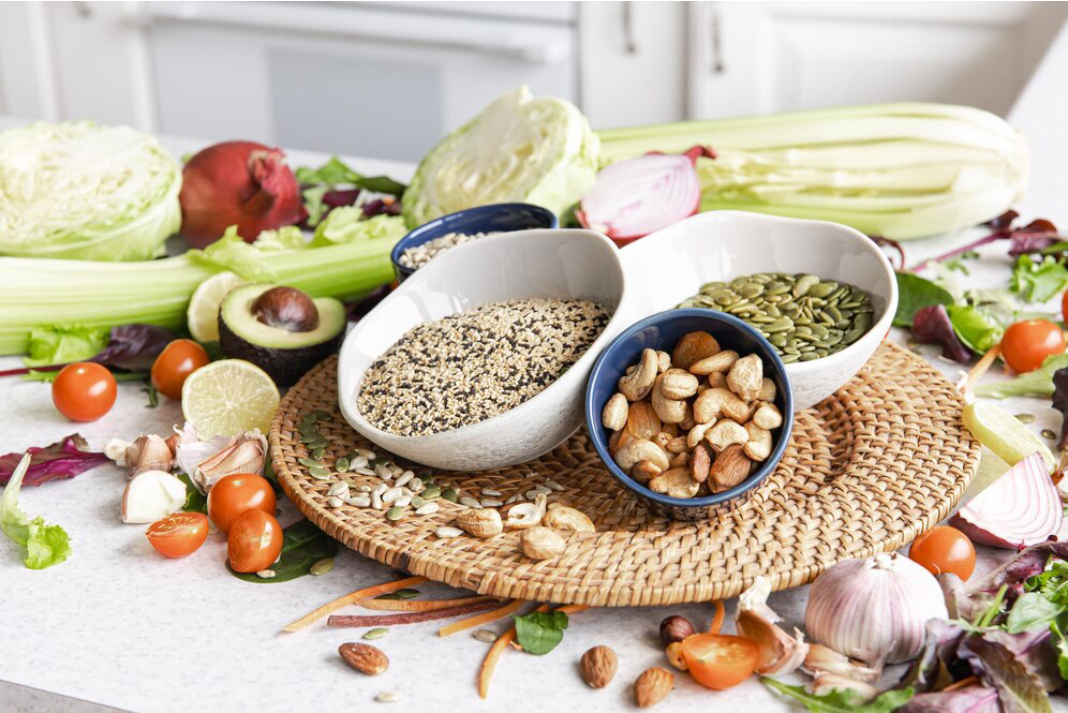
2. 🥜 Zinc (Pumpkin Seeds, Chickpeas)
✅ Mechanism: Zinc supports sperm formation, egg maturation, and hormonal balance.
🧪 Science: Zinc deficiency impairs male and female fertility (NIH).
🥣 Usage:
1 tbsp pumpkin seeds daily
Sprinkle over oatmeal, yogurt, or salads
⚖️ Comparison: More bioavailable in food form than high-dose supplements.
⚠️ Risk: >40 mg/day can suppress immune function.
3. 🌿 Maca Root
✅ Mechanism: Adaptogen that regulates sex hormones, boosts libido, and increases sperm count.
🧪 Study: Improved semen parameters and libido in men (PubMed).
🥣 Usage:
1–3 tsp maca powder daily in smoothies or oatmeal
⚖️ Comparison: Safer and less invasive than hormone therapy.
⚠️ Risk: May raise blood pressure or overstimulate thyroid.
4. 🌼 Ashwagandha
✅ Mechanism: Reduces cortisol, increases testosterone and sperm quality, supports adrenal health.
🧪 Study: Improved sperm concentration and motility (NCBI).
🥣 Usage:
500 mg twice a day (capsule) or 1 tsp powder in warm milk
⚖️ Comparison: Natural stress reliever vs. prescription anxiolytics.
⚠️ Risk: Avoid in pregnancy and hyperthyroidism.
5. 🐝 Royal Jelly
✅ Mechanism: Rich in hormone-regulating peptides and mimics estrogen, enhancing ovulation.
🧪 Study: Improved follicular development and egg quality (NCBI).
🥣 Usage:
500–1000mg/day as capsules or fresh jelly
⚖️ Comparison: Natural alternative to estrogen therapy.
⚠️ Risk: Avoid if allergic to bee products.
6. 🌸 Vitex (Chasteberry)
✅ Mechanism: Balances progesterone levels, regulates menstrual cycles, supports luteal phase.
🧪 Study: Effective in women with luteal phase defects (PubMed).
🥣 Usage:
400–800 mg/day before breakfast
⚖️ Comparison: Gentler than synthetic progesterone.
⚠️ Risk: May worsen PCOS; avoid during pregnancy.
7. 🫐 Berries (Blueberries, Raspberries)
✅ Mechanism: Rich in antioxidants that protect sperm and egg cells from oxidative damage.
🧪 Study: Antioxidants improve semen quality (NIH).
🥣 Usage:
1 cup fresh berries daily
Add to yogurt, cereal, or smoothies
⚖️ Comparison: Safer and more potent than antioxidant supplements.
⚠️ Risk: None when consumed in moderation.
8. 🥥 Omega-3s (Flaxseed, Chia, Fatty Fish)
✅ Mechanism: Improve uterine blood flow, support embryo implantation, and sperm morphology.
🧪 Study: Omega-3s enhance egg and embryo quality (PubMed).
🥣 Usage:
1 tbsp ground flax or chia daily
2 servings/week of salmon/sardines
⚖️ Comparison: More effective than omega-6-heavy oils.
⚠️ Risk: Monitor mercury in large fish.
9. 🍳 Eggs
✅ Mechanism: Contain choline, vitamin B12, and vitamin D, vital for healthy ovulation.
🧪 Study: Choline improves embryo development (NIH).
🥣 Usage:
Eat 1–2 eggs daily, preferably pasture-raised
⚖️ Comparison: More nutrient-dense than most animal proteins.
⚠️ Risk: Minimal unless allergic.
10. 🥦 Cruciferous Vegetables (Broccoli, Kale, Cabbage)
✅ Mechanism: Aid in detoxifying estrogen, support hormonal balance.
🥣 Usage:
1 cup steamed or raw daily
Pair with olive oil to enhance absorption
⚖️ Comparison: More hormone-regulating effects than iceberg lettuce.
⚠️ Risk: May cause bloating in sensitive people.
11. 🍠 Sweet Potatoes
✅ Mechanism: Rich in beta-carotene, supporting progesterone production and ovulation.
🥣 Usage:
Eat ½–1 cup roasted 3–4x per week
⚖️ Comparison: Safer than hormone therapy for progesterone support.
⚠️ Risk: None in normal dietary amounts.
12. 🫘 Lentils & Beans
✅ Mechanism: Provide plant-based protein, iron, and folate, all supporting ovulation.
🧪 Study: High plant protein diets associated with better fertility (Harvard).
🥣 Usage:
½ cup daily in salads or soups
⚖️ Comparison: Better than red meat due to lower inflammation.
⚠️ Risk: Gas or bloating for some people.
13. 🥑 Avocado
✅ Mechanism: High in vitamin E and healthy fats, supporting uterine lining and hormonal balance.
🥣 Usage:
Eat ½ avocado daily
Add to salads or smoothies
⚖️ Comparison: Healthier fat source than butter or ghee.
⚠️ Risk: High in calories if over-consumed.
14. 🧄 Garlic
✅ Mechanism: Rich in selenium, boosts blood flow to reproductive organs, and improves sperm motility.
🥣 Usage:
1–2 cloves/day raw or cooked
⚖️ Comparison: More accessible than Brazil nuts for selenium.
⚠️ Risk: May cause odor or gastrointestinal irritation.
15. 🍫 Dark Chocolate (70%+)
✅ Mechanism: Contains L-arginine, which enhances blood flow and may boost libido.
🥣 Usage:
1–2 small squares daily
⚖️ Comparison: Better than milk chocolate, which lacks nutrients.
⚠️ Risk: Excess can spike sugar levels.
16. 🌰 Brazil Nuts
✅ Mechanism: Excellent source of selenium, vital for testosterone production and sperm health.
🧪 Study: Selenium improves sperm motility and morphology.
🥣 Usage:
Just 1–2 nuts/day (very high in selenium)
⚖️ Comparison: More potent than selenium pills.
⚠️ Risk: Toxic if taken in excess (400+ mcg/day).
17. 🧉 Green Tea
✅ Mechanism: High in EGCG antioxidants, supports egg quality and reduces inflammation.
🥣 Usage:
1–2 cups/day
Avoid near meals to prevent iron absorption issues
⚖️ Comparison: More fertility-friendly than coffee.
⚠️ Risk: Caffeine sensitivity in some individuals.
18. 🐟 Sardines
✅ Mechanism: High in omega-3 and vitamin D, which improve egg and sperm health.
🥣 Usage:
Eat 1–2 servings/week, grilled or canned
⚖️ Comparison: Safer than large fish (like tuna) due to low mercury.
⚠️ Risk: Strong taste, some may need to acquire it.
19. 🍌 Bananas
✅ Mechanism: Rich in vitamin B6, which supports hormone production and regulates cycles.
🥣 Usage:
Eat 1 banana daily
Great pre-breakfast fruit
⚖️ Comparison: More effective than B6 pills alone due to synergistic nutrients.
⚠️ Risk: High sugar for diabetics.
20. 🧃 Pomegranate Juice
✅ Mechanism: Increases uterine and testicular blood flow, supports endometrial health.
🧪 Study: Pomegranate improves reproductive parameters (NCBI).
🥣 Usage:
½ cup fresh pomegranate juice daily
Avoid added sugar versions
⚖️ Comparison: More antioxidant-rich than cranberry or orange juice.
⚠️ Risk: May interact with some medications.
👩⚕️ Expert Quotes & Insights
“A well-balanced diet rich in antioxidants, omega-3 fatty acids, and micronutrients is one of the most effective non-invasive interventions to boost fertility.”
— Dr. Audrey Gaskins, Harvard T.H. Chan School of Public Health
Source
“Supplementing with CoQ10 has shown promise in improving both egg quality and embryo development in women undergoing IVF.”
— Dr. Norbert Gleicher, MD, Center for Human Reproduction
Source
📆 Structured Daily Routine for Fertility Nutrition
| Time | Recommendation |
|---|---|
| 🌅 Morning | 1 tsp maca in smoothie + eggs + berries |
| ☀️ Midday | Lunch with cruciferous veggies, legumes, avocado |
| ☕ Afternoon | Green tea + dark chocolate or Brazil nut |
| 🌙 Evening | Ashwagandha with warm milk + sardines or lentils |
| 🌿 Anytime | Stay hydrated, avoid sugar and processed foods |
⚠️ Important Disclaimer
This guide is for informational purposes only. Always consult a licensed healthcare provider or fertility specialist before starting any new dietary or herbal routine, especially if undergoing IVF or other treatments.
❓ FAQ Section
1. How long do natural remedies take to boost fertility?
🔹 Most take 2–3 months to show noticeable effects, aligning with the egg/sperm maturation cycle.
2. Can I combine herbs and supplements?
🔹 Yes, but consult a healthcare provider to avoid interactions.
3. Are these remedies safe during pregnancy?
🔹 Not all. Herbs like Vitex and Ashwagandha should be avoided unless advised by a doctor.
4. Are these foods better than fertility drugs?
🔹 They support fertility but do not replace medical treatments. Best used as complementary.
5. Do men benefit from this diet too?
🔹 Absolutely! Many of these support sperm count, motility, and testosterone.
6. Should I avoid any foods when trying to conceive?
🔹 Yes—limit processed foods, trans fats, alcohol, caffeine, and high-mercury fish.
7. Is it okay to use supplements instead of food?
🔹 Whole foods are preferred, but supplements can help if you’re deficient.
8. Can stress negate the benefits of these remedies?
🔹 Chronic stress disrupts hormones—mindfulness, sleep, and exercise are equally important.
9. What are signs that my fertility is improving?
🔹 More regular cycles, improved ovulation symptoms, improved semen parameters.
10. Can these work if I have PCOS or endometriosis?
🔹 Some may help balance hormones but consult your specialist for a personalized plan.