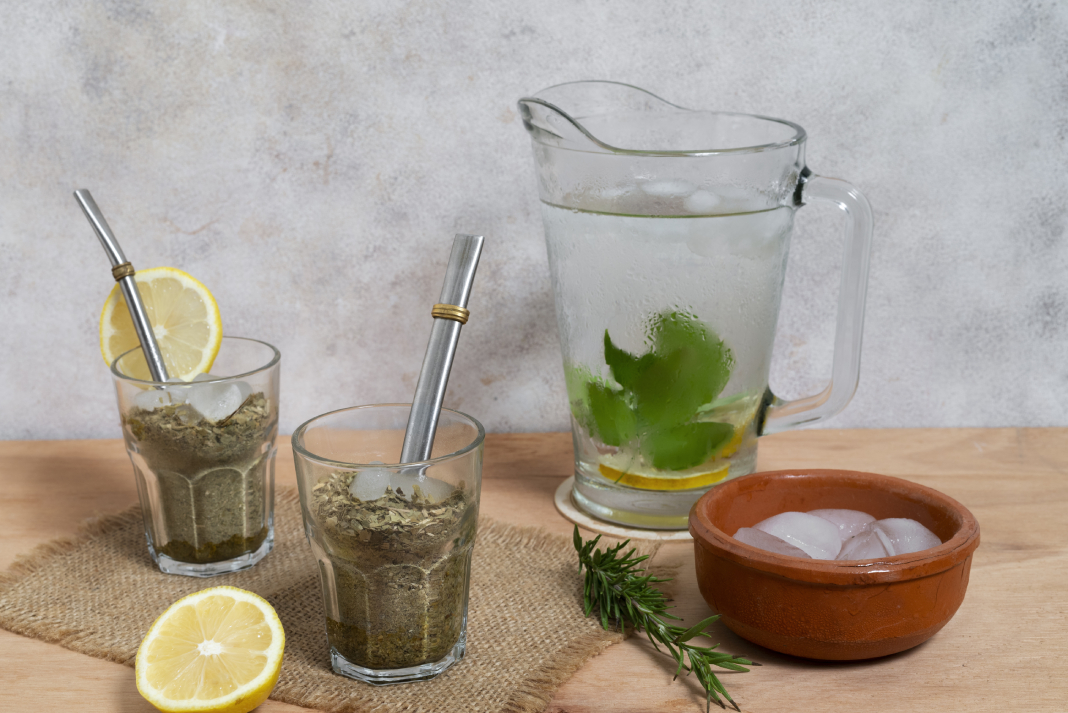


Herbal steam baths, also known as vaginal steaming or yoni steaming, have been practiced in various cultures for centuries. Proponents claim that this practice can alleviate menstrual pain, regulate cycles, and promote overall reproductive health. However, it’s essential to examine these claims critically and understand the scientific evidence—or lack thereof—behind them.
🌿 What is Vaginal Steaming?
Vaginal steaming involves sitting or squatting over a pot of hot water infused with herbs such as mugwort, chamomile, rosemary, and basil. The steam is believed to carry the herbal properties to the vaginal tissues, potentially offering therapeutic effects. This practice has roots in traditional medicine systems across Asia, Africa, and Central America.
🔬 Scientific Perspective
Lack of Scientific Evidence
Despite anecdotal reports of benefits, there is a significant lack of scientific evidence supporting the efficacy of vaginal steaming. Medical experts caution against the practice due to potential risks and the absence of proven benefits.
Potential Risks
Burns: The vaginal and vulvar tissues are sensitive and can be easily burned by hot steam.
Infections: Introducing steam and herbs can disrupt the natural vaginal flora, increasing the risk of bacterial or yeast infections.
Allergic Reactions: Some herbs may cause allergic reactions or skin irritation.
🌿 Comprehensive Overview of Herbs Used in Vaginal Steaming
1. Mugwort (Artemisia vulgaris)
Traditional Use: Mugwort has been used in various cultures for its supposed ability to regulate menstruation and alleviate menstrual cramps.
Potential Benefits: It is believed to stimulate blood flow in the pelvic area, potentially aiding in relieving menstrual discomfort.Wikipedia
Safety Considerations: Mugwort contains compounds like thujone, which can be toxic in high amounts. It should be used cautiously, especially by pregnant women, as it may stimulate uterine contractions.Wikipedia
2. Chamomile (Matricaria chamomilla)
Traditional Use: Chamomile is renowned for its calming properties and has been traditionally used to ease menstrual cramps and promote relaxation.
Potential Benefits: Its anti-inflammatory and antispasmodic properties may help reduce uterine contractions and alleviate pain.
Safety Considerations: Generally considered safe, but individuals with allergies to plants in the daisy family should exercise caution.
3. Rosemary (Rosmarinus officinalis)
Traditional Use: Rosemary has been used for its aromatic properties and is thought to improve circulation.
Potential Benefits: Its anti-inflammatory and analgesic properties may help in reducing menstrual pain.
Safety Considerations: High doses may cause adverse effects; should be used in moderation.
4. Lavender (Lavandula angustifolia)
Traditional Use: Lavender is commonly used for its soothing scent and is believed to promote relaxation and reduce stress.
Potential Benefits: Its calming effects may help alleviate mood swings and discomfort associated with menstruation.
Safety Considerations: Generally safe; however, some individuals may experience allergic reactions.
5. Calendula (Calendula officinalis)
Traditional Use: Calendula has been used for its anti-inflammatory and healing properties.
Potential Benefits: May help soothe irritated tissues and reduce inflammation.
Safety Considerations: Generally considered safe; however, those allergic to plants in the daisy family should use with caution.
6. Motherwort (Leonurus cardiaca)
Traditional Use: Traditionally used to address menstrual irregularities and to ease uterine muscle spasms.Wikipedia+4Rose Kegel Weights+4Wikipedia+4
Potential Benefits: May have mild sedative effects and help in reducing anxiety and tension.
Safety Considerations: Should be avoided during pregnancy due to its potential to stimulate uterine contractions.
7. Oregano (Origanum vulgare)
Traditional Use: Used for its antimicrobial properties and to promote menstrual flow.
Potential Benefits: May help in alleviating menstrual cramps due to its antispasmodic properties.
Safety Considerations: High doses may cause gastrointestinal upset; use in moderation.
8. Thyme (Thymus vulgaris)
Traditional Use: Employed for its antiseptic and antispasmodic properties.
Potential Benefits: May assist in relieving menstrual cramps and promoting relaxation.
Safety Considerations: Generally safe; excessive use may lead to digestive disturbances.
⚠️ Important Safety Considerations
Lack of Scientific Evidence: While these herbs have traditional uses, there is limited scientific research supporting the efficacy of vaginal steaming for menstrual pain relief.
Potential Risks: Vaginal steaming can pose risks such as burns, infections, and allergic reactions. The vagina is a self-cleaning organ, and introducing steam and herbs may disrupt its natural balance.
Medical Advice: Consult with a healthcare provider before starting any new treatment, especially if you have underlying health conditions or are pregnant.
🧪 Expert Opinions
Dr. Jen Gunter, OB-GYN: “Steam is probably not good for your vagina. Herbal steam is no better and quite possibly worse.”
Dr. Tia Jackson-Bey, Reproductive Endocrinologist: “There is no scientific evidence that vaginal steaming does anything beneficial.”
Cleveland Clinic: “Vaginal steaming has the potential to be dangerous.”
❓ 10 FAQs About Herbal Steam Baths for Menstrual Pain
1️⃣ What is a herbal steam bath for menstrual pain?
🌿 A herbal steam bath (often called vaginal or yoni steaming) is a traditional practice where a woman sits over a pot of warm herbal-infused steam. The steam is believed to carry healing properties to the vaginal and pelvic area, helping to ease cramps and cleanse the uterus.
2️⃣ Do herbal steam baths really relieve period cramps?
❌ While some women report relief, there is no robust scientific evidence proving that herbal steam baths effectively reduce period pain. Traditional medicine supports its use, but modern gynecology advises caution due to risks like burns or infections.
3️⃣ Which herbs are best for a menstrual steam bath?
🌸 The most commonly used herbs include:
Mugwort – for circulation and uterine stimulation
Chamomile – to reduce inflammation and soothe cramps
Lavender – for relaxation
Rosemary – to support blood flow
Calendula – to reduce inflammation
Each herb offers different potential benefits, though research is limited.
4️⃣ How often can I do a yoni steam during my menstrual cycle?
📅 It’s recommended to steam 1–2 times per month, before menstruation, and never during your actual period, as the uterus is already naturally cleansing itself. Overuse can cause dryness or irritation.
5️⃣ Are herbal steam baths safe for everyone?
⚠️ Not everyone should try vaginal steaming. It is not safe for:
Pregnant women
Women with vaginal infections or active herpes
Women with IUDs (risk of dislodging)
Anyone with open wounds, cuts, or extreme sensitivity
Always consult your gynecologist first.
6️⃣ Can steaming regulate irregular periods?
🔄 Anecdotally, many women believe that herbal steaming helps promote regular cycles by increasing pelvic blood flow. However, there is no scientific proof supporting this claim, and irregular cycles should be medically evaluated.
7️⃣ Can steaming cause any side effects or infections?
😣 Yes. Common risks include:
Burns from steam that is too hot
Allergic reactions to herbs
Disruption of vaginal flora, leading to yeast or bacterial infections
Always test a patch of herbs on your skin and ensure steam is not too close or hot.
8️⃣ Can I use kitchen herbs like basil, thyme, or oregano for yoni steaming?
🧂 Yes, culinary herbs like basil, thyme, and oregano are often used in steam blends. They have mild antimicrobial and anti-inflammatory properties, but again, their internal use via steam lacks medical endorsement.
9️⃣ Is yoni steaming approved by gynecologists or medical institutions?
❌ Most OB-GYNs and health institutions do not recommend vaginal steaming due to:
No clinical evidence of benefit
High risk of disrupting pH balance
Risk of thermal injury
As per Dr. Jen Gunter (OB-GYN), “The vagina is self-cleaning and does not need steaming.”
🔟 What are safer alternatives to relieve menstrual pain naturally?
💡 Yes! Consider:
Heating pads
Ginger or turmeric tea
Magnesium supplements
Yoga/stretching
Evening primrose oil
These remedies have more scientific support and fewer risks compared to herbal steaming.
⚠️ Disclaimer
This guide is for informational purposes only and does not constitute medical advice. Always consult with a qualified healthcare provider before trying new health practices.