
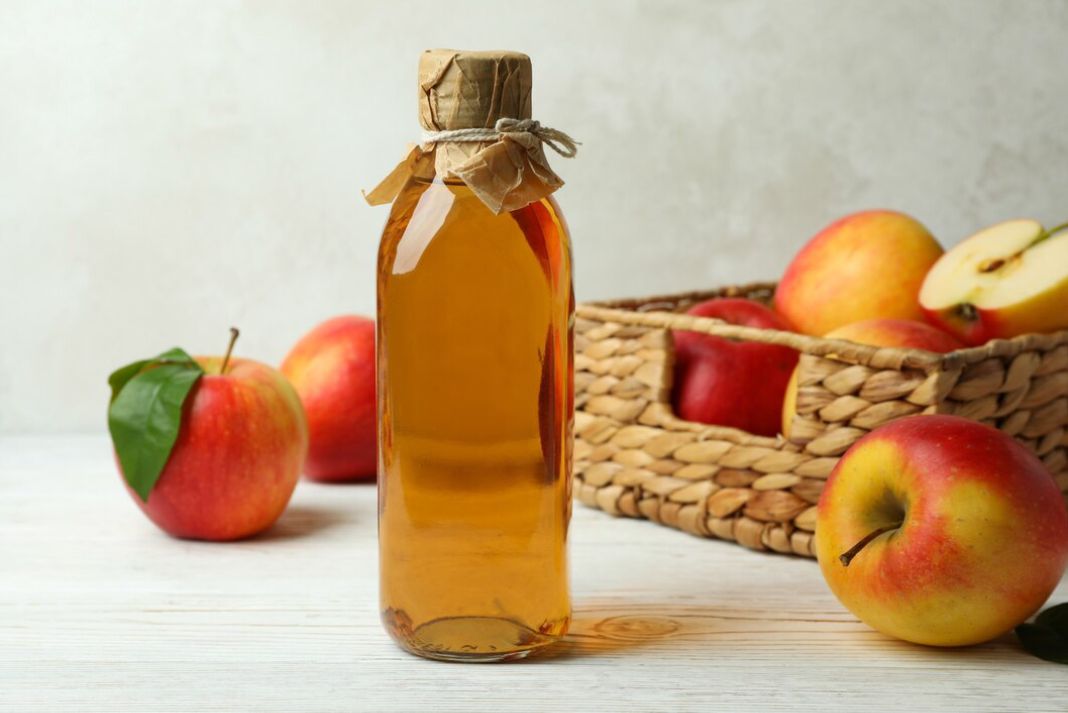
🌿 Why Apple Cider Vinegar Foot Soak?
ACV is a fermented tonic containing acetic acid, alpha‑hydroxy acids (AHAs), and other organic compounds that:
Exert antimicrobial effects against bacteria (e.g. Staphylococcus aureus) and fungi (Candida albicans) health.clevelandclinic.org+12mindbodygreen.com+12journee-mondiale.com+12brindabellapodiatry.com.au.
Gently exfoliate via AHAs (lactic, citric, malic acids) to soften calluses and enhance skin renewal mindbodygreen.com+1mindbodygreen.com+1.
Balance skin pH, supporting the skin barrier and reducing irritation .
Promote relaxation, potentially lowering cortisol and easing fatigue podiatre.com+15mindbodygreen.com+15verywellhealth.com+15.
🧠 Mechanisms: How It Works on Skin & Well‑being
| Mechanism | Biological Effect | Relevance to Colds/Fatigue |
|---|---|---|
| Acetic acid antimicrobial | Destroys pathogen cell structures; inhibits growth | Reduces foot pathogens that worsen discomfort during illness |
| Alpha‑hydroxy exfoliation | Removes dead skin, keeps skin healthy | Prevents cracks and infection in weakened immune states |
| pH restoration | Stabilizes acid mantle, prevents irritations | Strengthens foot barrier during stress/fatigue |
| Hydrotherapy / warmth | Promotes circulation; relaxes muscles | Counters fatigue and sinus pressure during colds |
1️⃣ Remedy 1: Basic ACV Foot Soak
🔬 Mechanism
Diluted acetic acid kills odor- and fungus-causing microbes; AHAs promote skin shedding health.clevelandclinic.org+12mindbodygreen.com+12healthline.com+12wellandgood.comjournee-mondiale.com+1verywellhealth.com+1.
🧩 Step‑by‑Step:
Mix 1 part ACV (preferably raw, “with the mother”) + 2 parts warm water (≈38–40 °C).
Optional: add 1 tbsp Epsom salt.
Soak feet for 10–20 min, daily or every other day.
Rinse; exfoliate; moisturize.
⚠️ Risks:
May cause burning on open wounds or fragile skin; diabetic patients should avoid without medical advice mindbodygreen.com+3hachettebookgroup.com+3hollandandbarrett.com+3journee-mondiale.comhealthline.com+3medicalnewstoday.com+3mindbodygreen.com+3.
Overuse may dry skin; limit to 3–4 times/week.
✅ Comparison vs. Plain Water Soak:
ACV adds antimicrobial and exfoliating actions absent in water alone; plain soaks help circulation.
2️⃣ Remedy 2: ACV + Epsom Salt Recharge Soak
🔬 Mechanism
Epsom salt (magnesium sulfate) reduces inflammation, relaxes muscles; ACV continues antimicrobial action mindbodygreen.com+4realsimple.com+4wellandgood.com+4.
🧩 Steps:
Combine 1/3 cup ACV, 2 cups warm water, 1/3 cup Epsom salt.
Soak 15–20 min.
Rinse, pat dry, moisturize.
⚠️ Risks:
Skin irritation if used daily; sensitive-skin users should patch test.
✅ Comparison vs. Remedy 1:
Provides additional relief for tired muscles and inflammation.
3️⃣ Remedy 3: ACV + Essential Oils (Tea Tree or Eucalyptus)
🔬 Mechanism
Essential oils enhance antifungal/antimicrobial effects and offer aromatherapeutic benefits to reduce fatigue bragg.comjournee-mondiale.com.
🧩 Steps:
Use 1 part ACV to 2 parts water.
Add 3–5 drops tea tree or eucalyptus oil.
Soak 10–15 min; rinse and moisturize.
⚠️ Risks:
Essential oils can irritate sensitive skin; patch test.
✅ Comparison:
Stronger antimicrobial effect than plain ACV; improved scent and relaxation.
4️⃣ Remedy 4: Contrast Soak (ACV + Hot/Cold Bath)
🔬 Mechanism
Alternating warm and cool water promotes circulation; ACV adds antimicrobial benefit verywellhealth.com+15health.clevelandclinic.org+15hachettebookgroup.com+15realsimple.com+8uchicagomedicine.org+8verywellhealth.com+8.
🧩 Steps:
Hot water + ACV (1:2 ratio) for 2 min.
Cold water rinse 2 min.
Repeat 3–4 cycles, ending cold.
Dry and moisturize.
⚠️ Risks:
Avoid in cardiovascular or circulation issues; cautious on sensitive skin.
✅ Comparison:
Superior for boosting circulation and energy vs. static soaks.
5️⃣ Remedy 5: ACV for Planted Wart Combo Therapy
🔬 Mechanism
ACV softens the wart, making salicylic acid treatments more effective hachettebookgroup.com+1realsimple.com+1mindbodygreen.com+3medicalnewstoday.com+3health.clevelandclinic.org+3health.clevelandclinic.org+1journee-mondiale.com+1wellandgood.com.
🧩 Steps:
ACV soak: 1:2 ratio, 10 min daily.
Apply salicylic acid patch after soaking.
⚠️ Risks:
May irritate around wart; monitor skin health.
✅ Comparison:
Superior to either treatment alone—ACV primes skin for medication.
6️⃣ Baking Soda + ACV Odor Neutralizer
Mechanism: Baking soda is alkaline and deodorizes; ACV is antimicrobial sites.coecis.cornell.edu+6campuspress.yale.edu+6verywellhealth.com+6verywellhealth.com+2helloglow.co+2pattrx.com+2.
Steps: ¼ cup baking soda → warm water → stir until dissolved; add ⅛ cup ACV; soak for 15–20 min; rinse, dry, moisturize.
Better Than: ACV alone—baking soda adds odor-neutralizing power.
Risks: Slight drying; sensitive skin users should moisturize after soaking.
7️⃣ ACV + Oatmeal Soothing Mask
Mechanism: Oats contain lipids and cytokinin which soothe & reduce inflammation; ACV balances pH .
Steps: Fill sachet with 1 cup oats; warm water + 1½ cups ACV; drop sachet in; soak 30 min; rinse with cool water.
Compared: Calming vs. ACV alone—great for itchy, sensitive skin.
Risks: Avoid if oat allergy; patch-test recommended.
8️⃣ ACV + Green Tea Tannin Detox
Mechanism: Green tea has catechins (antifungal/anti-inflammatory); ACV combats odor & microbial growth medicalnewstoday.com+2helloglow.co+2assets-global.website-files.com+2.
Steps: Brew 2 green tea bags; cool; add ½ cup ACV; soak feet 15–20 min; rinse, dry, moisturize.
Compared: Adds antioxidants vs plain ACV.
Risks: Rare tea sensitivity; ensure dilution.
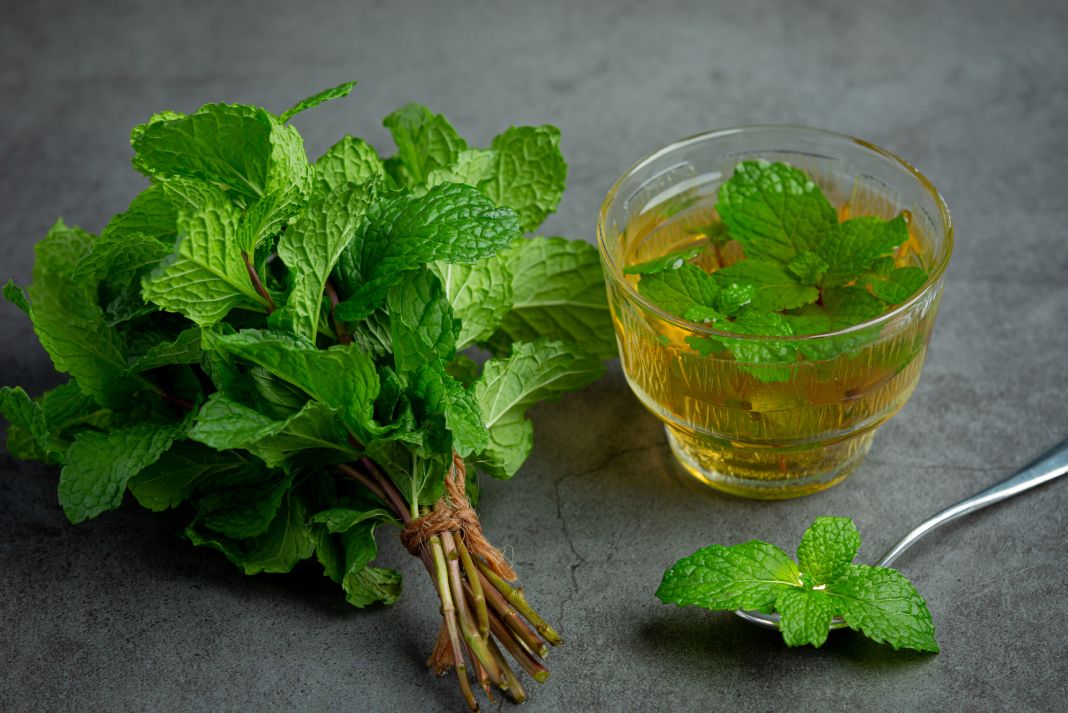
9️⃣ ACV + Mint Revitalizer
Mechanism: Peppermint oil cools & refreshes; ACV antimicrobial & pH-balancing assets-global.website-files.com+1sites.coecis.cornell.edu+1.
Steps: 1:2 ACV:water mix; add 3–5 drops peppermint oil; soak 10–15 min; rinse, dry, moisturize.
Compared: Energizing + antimicrobial vs plain ACV.
Risks: Essential oil irritation—patch test.
🔟 ACV + Bentonite Clay Detox
Mechanism: Clay absorbs impurities; ACV enhances cleansing and pH restoration healthshots.com+12helloglow.co+12pattrx.com+12verywellhealth.com+3campuspress.yale.edu+3sites.coecis.cornell.edu+3wellbeingmagazine.comexplorefamilychiropractic.com.
Steps: ½ cup Epsom salt + ½ cup bentonite clay + ¼ cup ACV + warm water; soak 20–30 min; rinse, dry, moisturize.
Compared: Deep-clean vs basic soak.
Risks: May dry skin—limit to 1–2 times/week.
1️⃣1️⃣ ACV + Herbal (Lavender/Eucalyptus) Soak
Mechanism: Lavender calms nerves; eucalyptus relieves sinus congestion; with ACV pH/microbial balance .
Steps: Warm water + ½ cup ACV + 5 drops of oil; soak 15–20 min.
Compared: Aromatherapeutic vs ACV alone.
Risks: Essential oil sensitivity; patch test.
1️⃣2️⃣ Milk + Honey + ACV Foot Bath
Mechanism: Lactic acid exfoliates; honey humectant; ACV antimicrobial .
Steps: Warm water + 1 cup whole milk + ½ cup honey + ¼ cup ACV; soak 20–30 min.
Compared: Superior hydration vs plain ACV.
Risks: Dairy allergy; bacterial growth if left too long.
1️⃣3️⃣ Cinnamon Spice + ACV Circulation Boost
Mechanism: Cinnamon improves circulation; ACV antimicrobial wellbeingmagazine.com.
Steps: Warm water + cinnamon stick/powder + ¼ cup ACV; soak 10–15 min; rinse, moisturize.
Compared: Stimulating vs plain ACV.
Risks: Cinnamon irritates sensitive skin; avoid open wounds.
1️⃣4️⃣ ACV + Coconut Oil Hydration Soak
Mechanism: Coconut oil hydrates; ACV maintains pH & evens tone sites.coecis.cornell.edu+10wellbeingmagazine.com+10helloglow.co+10campuspress.yale.edu+2sites.coecis.cornell.edu+2explorefamilychiropractic.com+2.
Steps: 1:2 ACV:water + 1 tbsp melted coconut oil; soak 15 min; rinse, pat dry, reapply coconut oil.
Compared: Moisturizing vs ACV alone.
Risks: Slippery tub surfaces; oil residue may stain.
1️⃣5️⃣ ACV + Sea Salt Mineral Soak
Mechanism: Sea salt exfoliates and provides minerals; ACV balances & detoxifies medicalnewstoday.com+2assets-global.website-files.com+2helloglow.co+2.
Steps: Warm water + 1 cup sea salt + ¼ cup ACV; soak 20–30 min; rinse, moisturize.
Compared: Mineral-rich exfoliation vs plain ACV.
Risks: Drying—use no more than twice weekly.
1️⃣6️⃣ ACV + Tea Tree Oil (Antifungal Soak)
Mechanism: Tea tree oil antifungal; ACV pH/antimicrobial .
Steps: 1:2 ACV:water + 4–6 drops tea tree oil; soak 15 min; rinse, dry, apply antifungal cream if needed.
Compared: Stronger than ACV alone for fungi.
Risks: Possible irritation; patch-test.
1️⃣7️⃣ ACV + Honey + Turmeric Anti‑inflammatory Soak
Mechanism: Turmeric is anti-inflammatory; honey soothes; ACV antimicrobial & pH .
Steps: Warm water + 1 tbsp turmeric + ¼ cup honey + ¼ cup ACV; soak 15–20 min; rinse, moisturize.
Compared: Calming vs plain ACV.
Risks: Staining; test turmeric sensitivity.
1️⃣8️⃣ ACV + Cinnamon & Honey Antibacterial Soak
Mechanism: Cinnamon + honey are antimicrobial; ACV supports skin health .
Steps: Warm water + 1 tbsp cinnamon + ¼ cup honey + ¼ cup ACV; soak 10–15 min; rinse, moisturize.
Compared: Enhanced cleansing vs ACV only.
Risks: Allergic reactions; not for broken skin.
1️⃣9️⃣ ACV + Lemon Citric Exfoliant
Mechanism: Lemon juice contains citric acid for exfoliation; ACV balances pH and adds antimicrobial effects .
Steps: Warm water + juice of 1 lemon + ¼ cup ACV; soak 15 min; rinse, moisturize.
Compared: Stronger exfoliation vs ACV alone.
Risks: Photosensitivity; don’t use before sun exposure.
2️⃣0️⃣ ACV + Listerine Antifungal Soak
Mechanism: Listerine contains thymol/alcohol antifungal; ACV amplifies effect verywellhealth.com.
Steps: 2 cups warm water + 2 tbsp Listerine + ¼ cup ACV; soak 15–20 min; rinse, moisturize.
Compared: Comparable to OTC antifungals in mild cases.
Risks: Alcohol can be drying/irritating—moisturize well.
🧠 Expert Insights
Dr. Joshua Zeichner, MD (Mount Sinai): “ACV kills yeast and balances skin pH… beneficial for calluses and odor” wellandgood.com.
Jacqueline Sutera, DPM: “Acetic acid slowly breaks down thick skin” wellandgood.com.
Dr. Emily Chen (holistic health): “Soak stimulates nerve endings… reduces stress” journee-mondiale.com+1health.clevelandclinic.org+1.
Dr. Angela M. Bell, MD (Healthline): “Distilled vinegar effective against Sarocladium kiliense fungal skin disease” healthline.com.
📅 Structured Daily Routine (For Cold & Fatigue)
| Day | Morning | Evening Routine |
|---|---|---|
| Mon | Hydration + warm water foot soak | ACV + Epsom salt soak (15 min) + moisturizer + light stretching |
| Tue | Energizing walk | Contrast soak + essential oils |
| Wed | Hydration | Basic ACV soak (10–15 min) + moisturizer |
| Thu | Gentle yoga + hydration | ACV + mask (oatmeal/oil) (20 min) |
| Fri | Hydration + detox beverage | Wart/combo treatment if needed + moisturize |
| Sat | Leisure walk + hydration | Mint & green tea soak + relaxation routine |
| Sun | Rest day | General foot care: rinse, dry, moisturize only |
❓ FAQs
How long until results?
Skin odor/fungus may improve in 1–2 weeks; calluses often soften within 3–4 soaks.Are natural treatments as effective as prescription meds?
Mild conditions can respond well; moderate infections often need antifungal/antibacterial prescriptions.Can ACV soak help cold symptoms?
No direct antiviral effect; but relaxation and circulation aids fatigue and sinus relief.Is it safe for diabetics?
Only under medical advice—avoid soaking if you have neuropathy or open sores.Can I soak daily?
Limit to 3–4 times/week to prevent skin drying or irritation.What concentration is safe?
Stick to 1:2 or 1:3 ACV-to-water ratios; higher may cause irritations.Can it heal cracked heels?
Yes—through gentle exfoliation and moisturizing—but severe cracks need podiatric care.Can ACV stain or damage skin?
No—proper dilution avoids discoloration; moisturizing post-soak is essential.
✅ Safety Disclaimer
This guide is educational, not medical advice. Consult a healthcare provider before use—especially if you have diabetes, compromised immunity, circulation issues, or open wounds. Discontinue if irritation occurs.