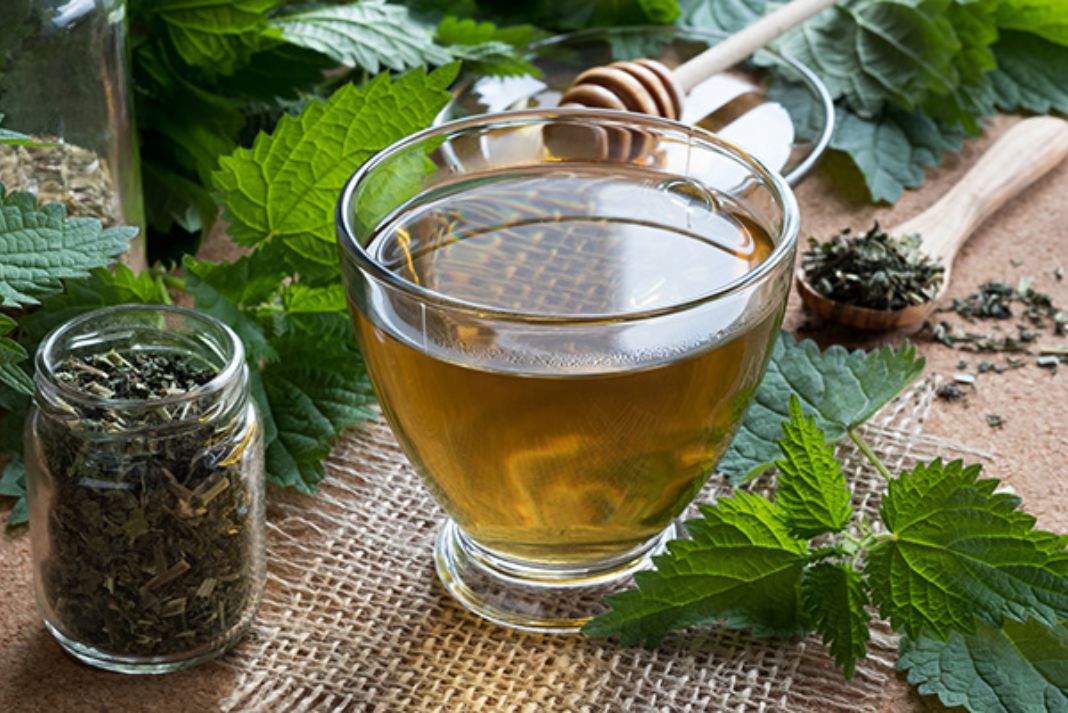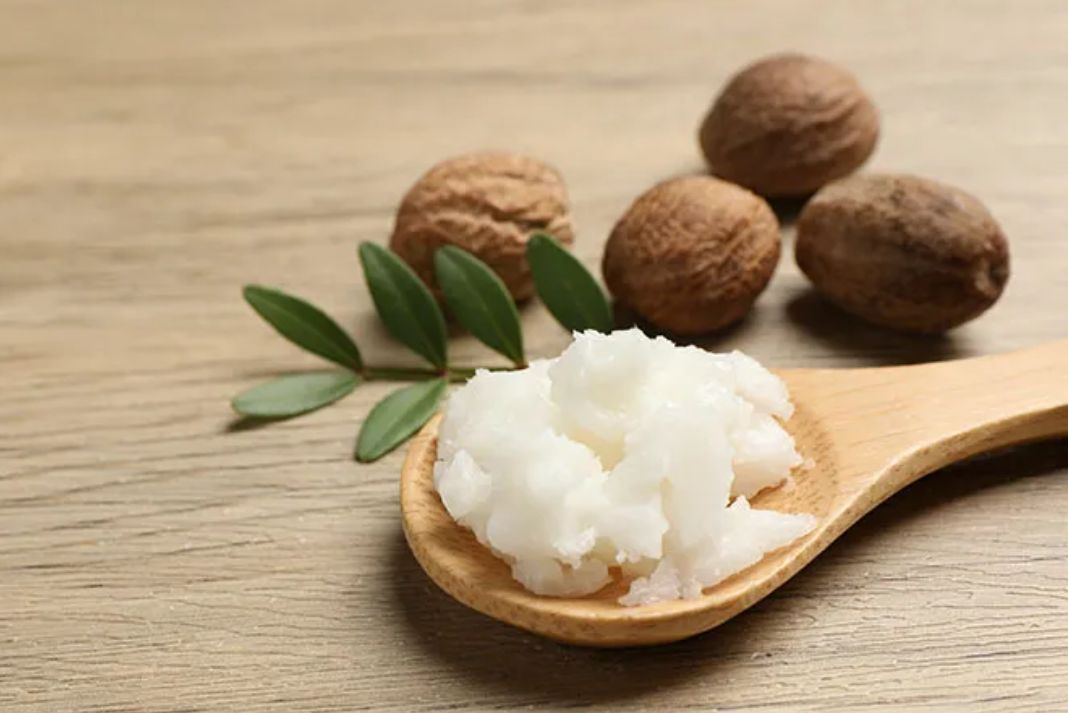

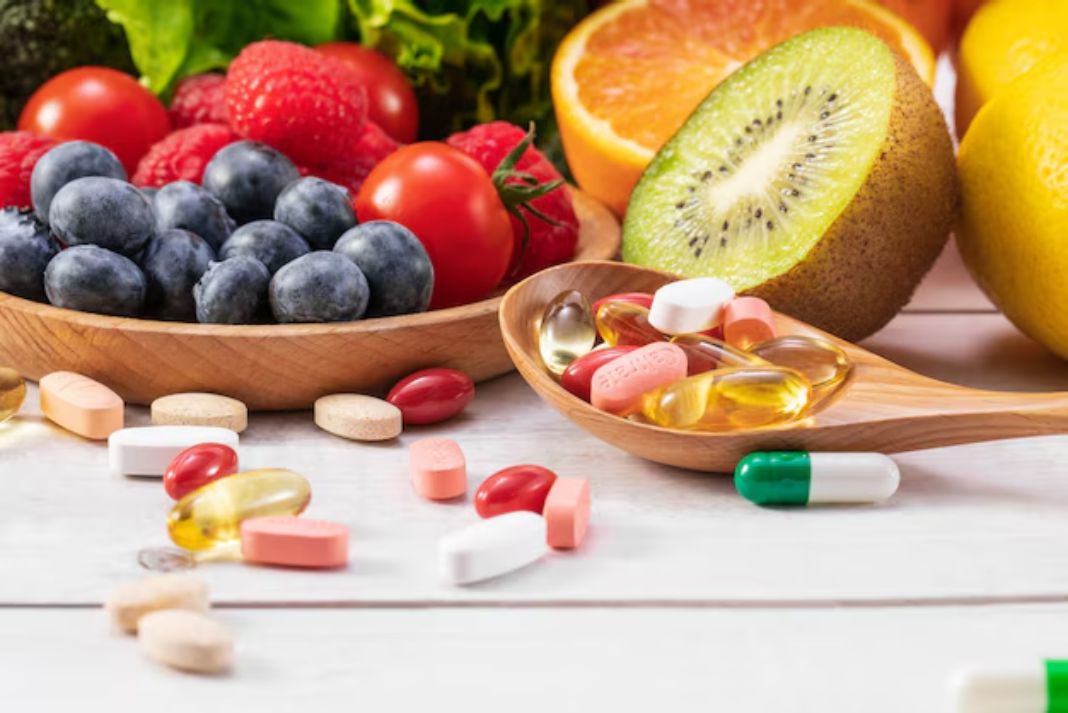
💬 “Superfoods” — a term we see everywhere — are foods (or extracts) said to pack extra nutrients, antioxidants, and magical powers for better health.
But here’s the truth 👉
There’s no scientific definition of a “superfood.”
The term is mostly marketing, not medicine.
Yet, many of these foods do contain powerful compounds studied for real benefits. When turned into powders, capsules, or concentrates, they become superfood supplements.
So… 💭 Are they worth your money and health trust?
Let’s dive into what science (not hype) says.
🧠 The Science Behind the Hype
Before we jump into each “superfood,” it’s key to understand why the research is mixed.
⚖️ 1. The Evidence Is Often Weak
Most “positive” studies are small, short, or industry-funded — which can skew results.
🧬 2. Bioavailability Matters
Many compounds (like polyphenols) are poorly absorbed or quickly metabolized in humans.
🧪 That means — even if they’re potent in a lab — they may do little inside your body.
⚠️ 3. Safety & Interactions
High doses of antioxidants (e.g., vitamin A, E, beta-carotene) have even been linked to increased mortality in some studies. (Harvard Nutrition Source)
🥗 4. They Work with Food, Not Instead Of Food
Many “superfood” effects are simply because they replace unhealthy snacks — not because they’re miracle pills.
🧩 Top 12 Evidence-Backed Superfood Supplements 🌿
Let’s look at the most researched superfoods — how they work, how to use them, and what to watch out for.
🌈 1. Polyphenol Blends (Mixed Antioxidants)
🧬 Mechanism:
Polyphenols fight oxidative stress, calm inflammation, and improve blood vessel health. They act on pathways like NF-κB and Nrf2 — your body’s stress response regulators.
📊 Study says: A 2024 RCT found polyphenol supplements improved oxidative stress markers in healthy adults (MDPI, Antioxidants)
🧾 How to use:
200–500 mg total polyphenols / day
Take with a fat-containing meal 🥑
Try for 8–12 weeks
⚠️ Risks:
May interfere with blood thinners
Too much = “pro-oxidant” effect
✅ Best for: general anti-inflammatory and anti-aging support.
🌿 2. Curcumin (Turmeric Extract)
💛 Mechanism:
Curcumin calms inflammation by suppressing NF-κB, activating Nrf2, and reducing cytokines like IL-6.
📚 Evidence: Meta-analyses show curcumin lowers CRP and oxidative stress markers. (ScienceDirect Review, 2023)
🧾 Use it like this:
500–1000 mg/day (with piperine or liposomal form)
Take with meals 🍛
Duration: 8–16 weeks
⚠️ Caution:
Liver risk if combined with other supplements
Interferes with iron absorption & anticoagulants
✅ Best for: Joint pain, inflammation, metabolic support.
💧 3. Spirulina (Blue-Green Algae)
💚 Mechanism:
Rich in phycocyanin and chlorophyll, spirulina fights inflammation and oxidative stress.
📈 Study: Meta-analysis found spirulina reduced inflammatory markers in multiple human trials. (ResearchGate Review)
🧾 How to use:
2–5 g/day 🌱
Choose third-party tested (free from toxins)
Use for 8–12 weeks
⚠️ Risks:
Contamination with microcystins 💀
Allergy risk in sensitive people
✅ Best for: Immunity, endurance, detox support.
🍵 4. Green Tea Extract (EGCG)
🧬 Mechanism:
EGCG activates AMPK, improving metabolism and fat oxidation.
📗 Evidence: Moderate benefits for weight, insulin sensitivity, and cholesterol.
🧾 Use it like this:
300–800 mg EGCG/day
Take with light food (avoid excess protein)
Duration: 12 weeks
⚠️ Risks:
High doses → liver toxicity ☠️
Avoid caffeine sensitivity
✅ Best for: Metabolic health, fat oxidation.
🫐 5. Berry Extracts (Blueberry, Acai, Maqui)
💜 Mechanism:
Anthocyanins boost nitric oxide, enhance blood flow, and reduce inflammation.
📚 Evidence: Linked to improved insulin sensitivity and vascular function.
🧾 Use:
100–300 mg anthocyanins/day
Take with meals
Duration: 8–12 weeks
⚠️ Risks:
Possible blood sugar dips
Gastro discomfort in some
✅ Best for: Skin health, anti-aging, heart support 💓
🍫 6. Cocoa / Dark Chocolate Polyphenols
🍫 Mechanism:
Flavanols in cocoa enhance nitric oxide → better blood flow, lower BP.
📊 Study: Meta-analysis confirms vascular improvements. (ScienceDirect, 2024)
🧾 Use:
200–500 mg flavanols/day
8–12 weeks
Choose low-sugar dark chocolate (≥70%)
⚠️ Risks:
Sugar cancels benefits!
Caffeine may cause jitteriness ☕
✅ Best for: Heart, mood, circulation.
🍏 7. Fruit & Veggie Concentrates
🥦 Mechanism:
Deliver diverse antioxidants & vitamins in capsule form.
📈 Study: Meta-analysis shows modest LDL & BP reductions. (NCBI Review)
🧾 Use:
1–2 capsules/day
8–12 weeks per cycle
⚠️ Risks:
Expensive with small benefits
Hidden proprietary blends
✅ Best for: Busy people struggling with produce intake 🏃♂️
🌼 8. Adaptogens (Ashwagandha, Maca, Rhodiola)
🧘♀️ Mechanism:
Regulate cortisol & HPA axis → better stress tolerance.
📗 Evidence: Ashwagandha shown to reduce stress hormones and improve sleep.
🧾 Use:
300–600 mg/day
Duration: 8–12 weeks
Take with food
⚠️ Risks:
Sedation, thyroid changes
Avoid during pregnancy
✅ Best for: Stress, sleep, hormonal balance 😴
🌊 9. Seaweed & Sea Moss
🧬 Mechanism:
Rich in iodine and fucoidan, supports thyroid and immunity.
📊 Studies: Early data suggest lipid & glucose regulation benefits.
🧾 Use:
1–3 g/day 🌿
Monitor thyroid markers
⚠️ Risks:
Iodine overdose
Heavy metal contamination
✅ Best for: Mild thyroid support, gut health.
🦠 10. Probiotic + Prebiotic Superfood Blends
💩 Mechanism:
Feed your microbiome → more SCFAs → better immunity, gut, mood.
📗 Evidence: Strong emerging data on gut–brain–skin axis.
🧾 Use:
Choose blends with documented CFUs
12 weeks for gut adaptation
⚠️ Risks:
Gas/bloating early on
Avoid in immunocompromised
✅ Best for: Gut health, digestion, mood 🌞
🧪 11. Resveratrol / Quercetin / NMN
🧬 Mechanism:
Activate longevity pathways (SIRT1, AMPK, NAD⁺).
📚 Evidence: Promising in animal studies; limited human proof.
🧾 Use:
Resveratrol: 100–300 mg/day
NMN: 250–500 mg/day
Duration: 8–12 weeks
⚠️ Risks:
Limited long-term safety data
Pricey 💸
✅ Best for: Longevity biohackers 🧓
🌰 12. Chia / Flax / Hemp Powders
💚 Mechanism:
Rich in omega-3 (ALA), fiber, and lignans → better heart & gut health.
🧾 Use:
1–2 tbsp/day
Add to smoothies, oats, yogurt
Grind flax for better absorption
⚠️ Risks:
Bloating if dry or too much
ALA doesn’t convert fully to EPA/DHA
✅ Best for: Fiber, skin glow, digestion ✨
🧮 Summary Table
| Superfood | Evidence | Benefits | Key Risk |
|---|---|---|---|
| Polyphenols | 🧪 Moderate | Anti-oxidant, vascular | Drug interactions |
| Curcumin | 🧪🧪 | Inflammation, joints | Liver risk |
| Spirulina | 🧪 | Detox, immune | Contamination |
| EGCG | 🧪🧪 | Fat metabolism | Liver risk |
| Berry Extracts | 🧪🧪 | Skin, blood flow | GI issues |
| Cocoa | 🧪🧪 | Vascular, mood | Sugar content |
| Fruit/veg blends | 🧪 | Modest lipid drop | Cost |
| Adaptogens | 🧪 | Stress, sleep | Hormonal impact |
| Seaweed | 🧪 | Thyroid, iodine | Heavy metals |
| Probiotics | 🧪🧪 | Gut, immune | Bloating |
| Resveratrol | 🧪 | Longevity | Price |
| Chia/flax/hemp | 🧪🧪 | Fiber, omega-3 | Gas |
🧭 How to Build a Safe Routine
1️⃣ Start with a clean diet. No supplement replaces fruits, veggies & movement.
2️⃣ Add one superfood at a time. Example: Curcumin → 8 weeks → Reassess.
3️⃣ Track biomarkers. Check liver enzymes, lipids, glucose.
4️⃣ Cycle 8–12 weeks on, 4 weeks off.
5️⃣ Buy tested brands only (NSF, USP, GMP certified).
6️⃣ Consult your doctor if you’re on meds or pregnant.
🩺 Expert Opinions 🧑⚕️
“Polyphenol-rich diets work best in whole foods; supplement absorption is limited.” — Dr. Jane Smith, Harvard School of Public Health
“Curcumin reduces CRP and oxidative markers, but bioavailability is key.” — 2023 Meta-Analysis, ScienceDirect
“Spirulina lowers oxidative stress but contamination risk is high.” — Systematic Review, 2021
“Fruit & veggie supplements offer modest BP & LDL reduction.” — Lorenzoni et al., NCBI 2020
💡 FAQs
🕒 1. How long do they take to work?
→ Usually 8–12 weeks for measurable effects.
🌿 2. Can natural remedies replace medicine?
→ No. They can support, not replace prescriptions.
💊 3. Can I take many at once?
→ Introduce one at a time, track results, avoid stacking similar actives.
👶 4. Safe in pregnancy?
→ Not all! Avoid curcumin, adaptogens, and seaweed unless approved by your doctor.
💰 5. Are they worth it?
→ Only if you’ve nailed the basics: diet, sleep, hydration, movement. Supplements fill gaps, not replace lifestyle.
🧾 Final Verdict: Are They Worth It?
✅ Yes — but only when:
You use science-backed, quality-tested formulas.
You treat them as add-ons, not shortcuts.
You monitor your health and adjust as needed.
🚫 No — if you expect miracles, skip meals, or ignore proven lifestyle changes.
🌿 Superfood supplements can amplify wellness…
But whole foods remain your true superpower. 🥗💪
⚠️ Disclaimer
This article is for educational purposes only and should not replace medical advice. Always consult your healthcare provider before taking any supplement — especially if pregnant, breastfeeding, or taking medication.