

Poor digestion isn’t just uncomfortable — it’s a warning sign that your body’s internal balance is off. From bloating and gas to acid reflux, constipation, and sluggish metabolism, digestive issues are rising in today’s fast-paced world. While antacids and laxatives offer temporary relief, they often fail to address the root cause.
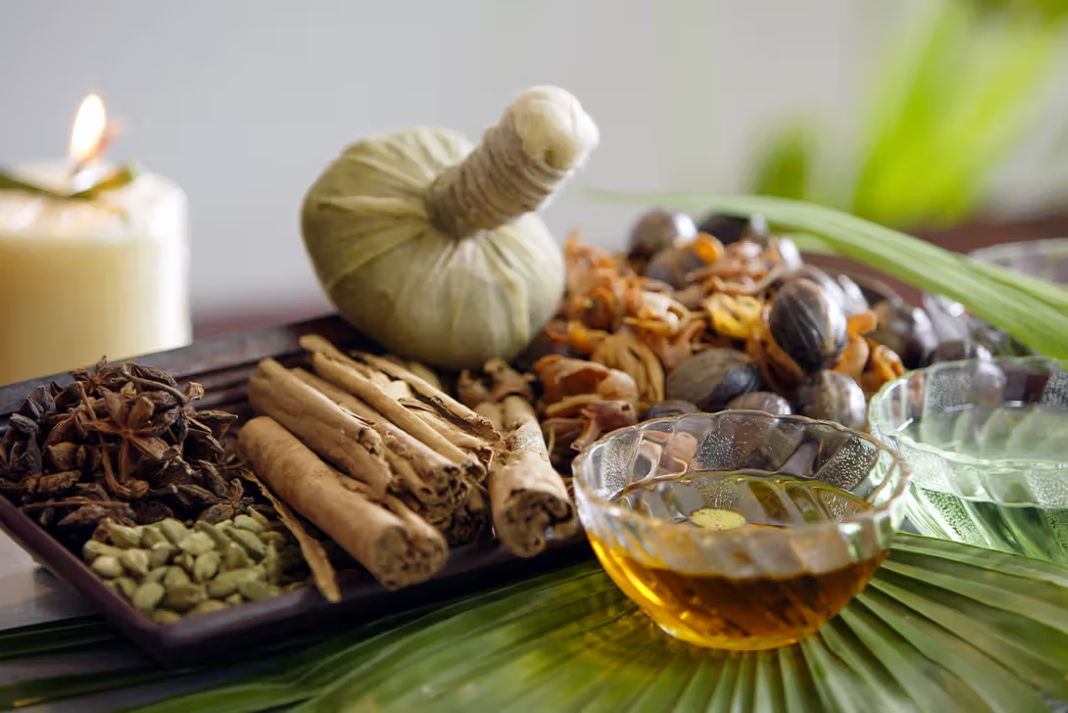
That’s where Ayurveda, India’s ancient system of holistic healing, steps in with powerful herbal allies 🌿. For thousands of years, Ayurvedic practitioners have used digestive herbs—known as Deepaniya (appetite stimulants) and Pachana (digestive aids)—to restore Agni, the body’s digestive fire.
🌱 Top 20 Ayurvedic Digestive Herbs
1. Triphala
🔬 Mechanism: A blend of 3 fruits (Haritaki, Amalaki, Bibhitaki), Triphala promotes bowel regularity, gut microbiota modulation, and acts as a mild laxative.
🧪 Source: PubMed
✅ Usage: Mix ½ tsp Triphala powder with warm water at bedtime.
⚠️ Risk: Overuse can cause loose stools or dehydration.
2. Ginger (Zingiber officinale)
🔬 Mechanism: Enhances gastric motility, stimulates saliva, bile, and enzyme secretion.
🧪 Source: NCBI
✅ Usage: Chew raw ginger slices before meals or drink ginger tea.
⚠️ Risk: May cause heartburn if overconsumed.
3. Ajwain (Carom Seeds)
🔬 Mechanism: Contains thymol which stimulates digestive enzymes, relieves gas and indigestion.
🧪 Source: ScienceDirect
✅ Usage: Take 1 tsp roasted Ajwain with warm water post meals.
⚠️ Risk: Avoid during pregnancy in high doses.
4. Fennel Seeds (Saunf)
🔬 Mechanism: Relaxes gastrointestinal tract, reduces bloating and cramps.
🧪 Source: PubMed
✅ Usage: Chew 1 tsp post meals or make fennel tea.
⚠️ Risk: May interact with estrogen-sensitive conditions.
5. Cumin (Jeera)
🔬 Mechanism: Improves digestive enzyme secretion, helps IBS symptoms.
🧪 Source: NCBI
✅ Usage: Boil 1 tsp cumin in water, strain, and drink.
⚠️ Risk: Large quantities may lower blood sugar.
6. Licorice Root (Yashtimadhu)
🔬 Mechanism: Soothes gut lining, reduces acidity and ulcers.
🧪 Source: PubMed
✅ Usage: Use ½ tsp licorice powder with honey or in herbal tea.
⚠️ Risk: Can raise blood pressure with overuse.
7. Coriander Seeds (Dhaniya)
🔬 Mechanism: Aids liver function, improves digestion and reduces acid reflux.
🧪 Source: ScienceDirect
✅ Usage: Soak 1 tsp overnight, strain, and drink in the morning.
⚠️ Risk: May lower blood pressure in sensitive individuals.
8. Peppermint (Mentha piperita)
🔬 Mechanism: Reduces abdominal pain via smooth muscle relaxation in intestines.
🧪 Source: PubMed
✅ Usage: Drink peppermint tea after meals.
⚠️ Risk: May worsen GERD in some people.
9. Hing (Asafoetida)
🔬 Mechanism: Antispasmodic and carminative, reduces gas, bloating, and IBS.
🧪 Source: NCBI
✅ Usage: Pinch of hing in warm water or in cooking.
⚠️ Risk: Strong taste and smell; may irritate sensitive stomachs.
10. Turmeric (Curcuma longa)
🔬 Mechanism: Anti-inflammatory, supports liver detox and bile flow.
🧪 Source: PubMed
✅ Usage: Use ¼ tsp turmeric with warm water and black pepper.
⚠️ Risk: High doses may cause nausea.
11. Fenugreek (Methi)
🔬 Mechanism: Rich in soluble fiber, regulates digestion and reduces acid.
🧪 Source: NCBI
✅ Usage: Soak seeds overnight and consume next morning.
⚠️ Risk: May cause bloating if overused.
12. Haritaki
🔬 Mechanism: Mild laxative, supports detox and bowel movement.
🧪 Source: PubMed
✅ Usage: ½ tsp powder with warm water before bed.
⚠️ Risk: Avoid during pregnancy or diarrhea.
13. Bael (Aegle marmelos)
🔬 Mechanism: Excellent for chronic diarrhea and dysentery.
🧪 Source: NCBI
✅ Usage: Dried fruit powder mixed with water.
⚠️ Risk: Avoid if constipated.
14. Kutaja (Holarrhena antidysenterica)
🔬 Mechanism: Anti-dysenteric, controls loose stools.
🧪 Source: PubMed
✅ Usage: 1 tsp Kutaja bark powder in buttermilk.
⚠️ Risk: Not for prolonged use without medical advice.
15. Pippali (Long Pepper)
🔬 Mechanism: Improves Agni (digestive fire) and metabolism.
🧪 Source: NCBI
✅ Usage: Mix with honey or milk, 2–3 times/week.
⚠️ Risk: Heating in nature; avoid in ulcers.
16. Cardamom (Elaichi)
🔬 Mechanism: Eases bloating, nausea, improves appetite.
🧪 Source: PubMed
✅ Usage: Add crushed seeds to warm water or tea.
⚠️ Risk: Generally safe; excess may lower blood pressure.
17. Cinnamon (Dalchini)
🔬 Mechanism: Enhances insulin sensitivity, aids digestion.
🧪 Source: PubMed
✅ Usage: ½ tsp powder in warm water or meals.
⚠️ Risk: Avoid in high doses if on blood thinners.
18. Dill Seeds (Suva)
🔬 Mechanism: Relieves gas and colic; great for babies and adults.
🧪 Source: PubMed
✅ Usage: Boil 1 tsp in water, strain, and drink.
⚠️ Risk: May lower blood sugar.
19. Indian Gooseberry (Amla)
🔬 Mechanism: Rich in Vitamin C; enhances liver function and digestion.
🧪 Source: NCBI
✅ Usage: 1 tsp fresh juice or powder in warm water.
⚠️ Risk: Sour taste may affect sensitive teeth.
20. Black Pepper (Kali Mirch)
🔬 Mechanism: Increases bioavailability of nutrients and enzymes.
🧪 Source: ScienceDirect
✅ Usage: Sprinkle over meals or with turmeric.
⚠️ Risk: May cause gastric irritation in excess.
👩⚕️ Expert Quotes
“Ginger is one of the most effective prokinetic agents in the natural world.”
– Dr. L. R. Castell, Journal of Gastroenterology PubMed
“Triphala shows prebiotic potential and supports microbiome health.”
– Dr. S. B. Majeed, Ayurvedic Research International
📅 Structured Daily Digestive Routine
| Time | Activity | Herb |
|---|---|---|
| 🕕 Morning | Warm water with cumin & coriander | Cumin, Coriander |
| 🕚 Mid-morning | Herbal tea | Fennel, Peppermint |
| 🕒 After Lunch | Chew fennel or cardamom | Fennel, Elaichi |
| 🕖 Evening | Licorice or Amla tonic | Yashtimadhu, Amla |
| 🌙 Night | Triphala + warm water | Triphala |
❓ Top 10 FAQs on Ayurvedic Digestive Herbs
1. How long does it take for Ayurvedic herbs to improve digestion?
Most users notice improvements in 1 to 3 weeks, depending on the herb, dosage, and consistency. Herbs like Triphala and Ginger may show effects within days, especially for mild constipation or bloating.
2. Can Ayurvedic herbs completely replace conventional digestive medicine?
Not entirely. Ayurvedic herbs work best as complementary therapies. For chronic or acute GI conditions (e.g., ulcers, GERD), professional medical guidance is crucial alongside herbal support.
3. Which Ayurvedic herb is best for bloating and gas relief?
Ajwain (Carom seeds) and Hing (Asafoetida) are highly effective for relieving gas, bloating, and abdominal cramps. They stimulate digestive enzymes and reduce intestinal spasms.
4. Are these herbs safe to take every day?
Most herbs like Fennel, Triphala, Cumin, and Ginger are safe for daily use in moderate doses. However, herbs like Licorice and Kutaja should not be taken long-term without supervision.
5. Can these herbs help with acid reflux or heartburn?
Yes. Licorice root, Coriander, and Amla help soothe the stomach lining, reduce acidity, and prevent reflux symptoms when taken regularly.
6. Do Ayurvedic herbs interact with medications?
Some herbs can interact with blood pressure, diabetes, or blood-thinner medications. For example, Fenugreek, Cinnamon, and Licorice can alter blood sugar or blood pressure. Always consult your doctor if you’re on prescription meds.
7. Which herbs are best for constipation relief?
Triphala, Haritaki, and Bael fruit are especially effective for improving bowel movements and reducing constipation naturally.
8. Are these herbs safe during pregnancy and breastfeeding?
Not all herbs are safe. Avoid Ajwain, Haritaki, and Kutaja during pregnancy. Always check with a healthcare provider before using any herbal remedy when pregnant or lactating.
9. Can I use more than one herb together?
Yes. Combining herbs like Triphala + Ginger, or Fennel + Cumin can offer synergistic benefits. In Ayurveda, such combinations are common, but balance is key.
10. How do I know which herb is right for my digestion issue?
It depends on your symptoms:
For gas and bloating: Ajwain, Hing, Fennel
For constipation: Triphala, Haritaki
For acid reflux: Licorice, Amla
For overall digestion: Ginger, Cumin, Coriander
Consulting an Ayurvedic expert ensures the right match based on your dosha and condition.
⚠️ Disclaimer
This guide is for educational purposes only. Always consult a certified Ayurvedic practitioner or healthcare professional before starting any herbal regimen, especially if you are pregnant, lactating, or have underlying medical conditions.