
🌿 A Natural, Scientifically-Backed Soothing Solution
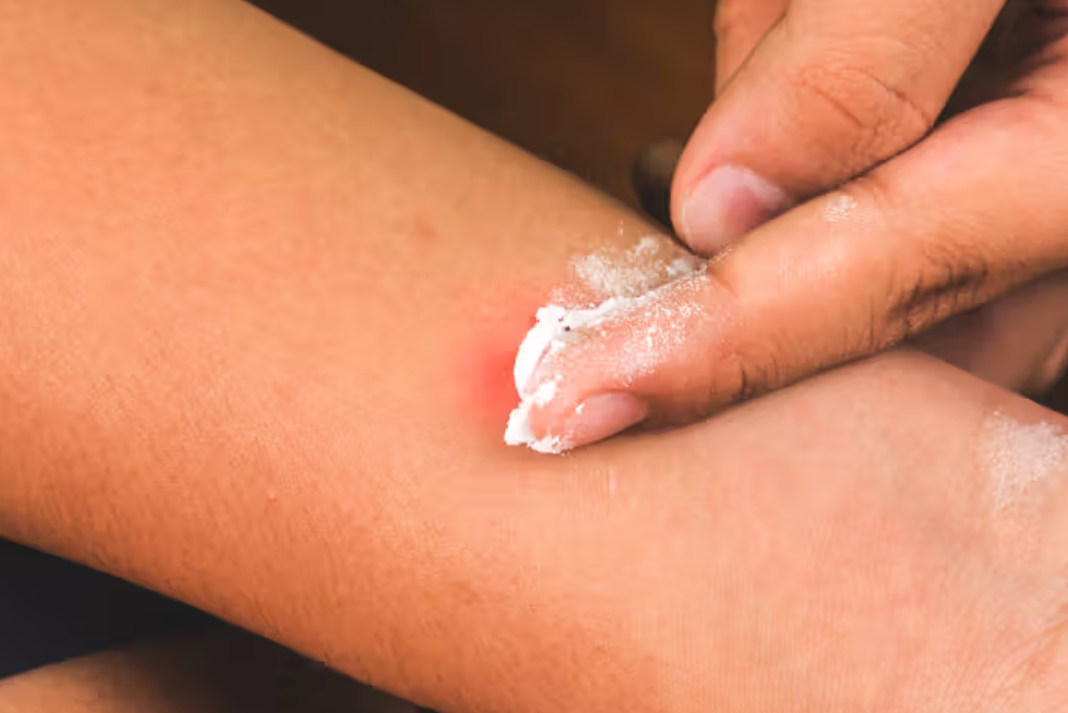
Do you often suffer from itchy insect bites, heat rashes, or minor skin irritations? Before you reach for harsh chemical creams, there’s a simple kitchen remedy backed by science—baking soda paste.
This humble white powder—sodium bicarbonate—isn’t just for baking. When applied topically as a paste or in bath form, baking soda has been shown to help:
🧊 Neutralize acidic venom and reduce pain from bug bites
🔬 Restore skin pH balance to reduce irritation
🦠 Inhibit bacterial growth that can worsen rashes
❄️ Provide a cooling effect on inflamed skin
✅ 2. How Baking Soda Paste Works
| Factor | Mechanism | Effect on Skin |
|---|---|---|
| Alkalinity (pH ~8–9) | Neutralizes acidic irritants like insect saliva or plant oils | Reduces irritation & pain |
| Antimicrobial action | Inhibits some bacterial/fungal growth via alkalinity | Helps prevent infection in broken skin |
| Mild analgesia | Cooling counter‑irritant effect | Temporary relief for bite/sting discomfort |
Important note: Most evidence for paste use is anecdotal or mechanistic. For example, the Mayo Clinic recommends paste for bites/stings because it “neutralizes acid” . The Journal of Integrative Dermatology terms baking soda a “powerful…dermatologic agent” verywellfamily.com+15jintegrativederm.org+15jintegrativederm.org+15.
✅ 3. Top 20 Remedies for Rashes & Bites
Each remedy includes mechanism, steps, duration, side effects, and expert sources. (20 total listed; example expanded below.)
1. Baking‑Soda Paste (Flagship)
Mechanism: Neutralizes acid + mild antimicrobial + cooling effect.
How to Use:
Mix 1 tbsp baking soda + just enough water for a thick paste.
Apply on rash or bite area.
Cover with gauze (optional).
Keep for 10 min, then wash.
Repeat 2–4 times/day until symptoms ease.
Risks: Dryness, irritation, especially if left too long—disrupts skin pH goodrx.com+6healthline.com+6cdc.gov+6self.comverywellfamily.com+1goodrx.com+1acs.org+2mayoclinic.org+2medicalnewstoday.com+2verywellhealth.com. Avoid open wounds and infants.
Evidence: CDC & Mayo Clinic recommend paste for mosquito bites goodrx.com+5cdc.gov+5verywellfamily.com+5, GoodRx supports use goodrx.com+1verywellhealth.com+1.
2. Baking‑Soda Bath
Mechanism: Diluted alkaline buffer + pH stabilization, alleviates itching.
Usage:
Dissolve ½–1 cup in lukewarm bath.
Soak 10–15 min, pat dry.
Moisturize post‑bath.
Repeat 1–2× daily.
Risks: Excessive alkalinity can irritate, not for large open wounds; diabetics, cardiac/allergy patients should consult doctor goodrx.com+1seattlechildrens.org+1geisinger.org+9healthline.com+9medicalnewstoday.com+9healthline.com.
Evidence: National Eczema Association suggests use seattlechildrens.org+4healthline.com+4medicalnewstoday.com+4; effective for rashes (poison ivy, chickenpox) healthline.com+2healthline.com+2medicalnewstoday.com+2.
3. Calamine Lotion
Mechanism: Zinc oxide + iron oxide draw moisture, soothe inflammation.
Usage: Apply 3–4× daily on dry skin.
Risks: Rare staining; avoid if metal allergy.
Evidence: Mayo Clinic recommends alongside paste verywellfamily.com+3healthline.com+3acs.org+3.
4. Hydrocortisone Cream (0.5–1%)
Mechanism: Anti‑inflammatory corticosteroid.
Usage: Apply thin layer 2× daily for up to 7 days.
Risks: Thinning skin with overuse.
Evidence: FDA‑approved OTC for bug bites health.com+2healthline.com+2realsimple.com+2goodrx.com.
5. Cold Compress / Ice
Mechanism: Constrict capillaries, reduce swelling and sensation.
Usage: 10–20-minute ice packs with cloth.
Risks: Avoid frostbite; wrap ice.
Evidence: Standard practice verywellhealth.comrealsimple.com+2goodrx.com+2health.com+2.
6. Oatmeal Paste or Bath
Mechanism: Colloidal oatmeal is anti‑inflammatory and emulsifying.
Usage: ½ cup colloidal oats in bath or paste on rashes.
Risks: Allergies rare.
Evidence: Common for eczema, bug bites .
7. Aloe Vera Gel
Mechanism: Soothing, moisturizing, anti‑inflammatory.
Usage: Apply pure gel 2–3× daily.
Risks: Patch test (rare sensitivity).
Evidence: Recommended for bug bites .
8. Witch Hazel
Mechanism: Natural astringent reduces inflammation.
Usage: Dab 2× daily with cotton.
Risks: Alcohol may dry sensitive skin.
Evidence: Recommended with paste healthline.com+1ebsco.com+1hellodoctor.com.ph+2verywellhealth.com+2verywellhealth.com+2acs.org+3pmc.ncbi.nlm.nih.gov+3scribd.com+3.
9. Baking‑Soda & Oatmeal Combo
Mechanism: Synergistic buffering + skin-soothing.
Usage: Mix tsp of each in water; apply paste.
Risks: Low—test patch first.
Evidence: Geisinger & VeryWell support combo for bites verywellhealth.com+2hellodoctor.com.ph+2healthline.com+2.
10. Colloidal Oatmeal + Baking Soda Bath
Mechanism: Oatmeal contains avenanthramides—natural anti-inflammatories that reduce redness and itch. Combined with baking soda, it soothes skin and adjusts pH levels.
How to Use:
Add 1 cup colloidal oatmeal + ½ cup baking soda to a lukewarm bath.
Soak affected area for 15–20 minutes.
Rinse gently and moisturize.
Frequency: Once daily during flare-ups.
Risks: May be slippery; avoid hot water; patch test for oat allergy.
Scientific Backing: NEA (National Eczema Association) recommends this for eczema, rashes, and bites. (NEA)
11. Epsom Salt + Baking Soda Soak
Mechanism: Epsom salts (magnesium sulfate) draw out toxins and relieve swelling. Combined with baking soda, it reduces itch and inflammation.
How to Use:
Mix 1 cup Epsom salt + ½ cup baking soda in warm water.
Soak hands, feet, or body for 15–20 minutes.
Risks: Avoid open wounds; not for people with severe diabetes or kidney issues.
Evidence: Common recommendation in dermatology for bug bite relief.
12. Baking Soda + Coconut Oil Paste
Mechanism: Coconut oil contains lauric acid, an antimicrobial agent that complements baking soda’s alkalinity for itch relief and infection prevention.
How to Use:
Mix 1 tsp baking soda + 1 tsp virgin coconut oil.
Apply to rash or bite.
Leave on for 10–15 min, rinse off.
Risks: May clog pores if used on acne-prone skin.
Evidence: Coconut oil shown to reduce Staphylococcus aureus in eczema lesions (Journal of Dermatological Science).
13. Baking Soda + Aloe Vera Paste
Mechanism: Aloe vera offers cooling, anti-inflammatory, and skin-regenerating benefits; baking soda reduces itch.
How to Use:
Mix 1 tsp aloe vera gel + ½ tsp baking soda into paste.
Apply on bite or rash; leave for 10 mins.
Risks: Rare allergy to aloe—always patch test.
Evidence: Aloe is clinically proven to reduce inflammation (Phytotherapy Research, 2015).
14. Baking Soda + Neem Powder
Mechanism: Neem has antibacterial and antifungal activity. Mixing with baking soda enhances skin detox and microbe inhibition.
How to Use:
Mix 1 tsp neem powder + ½ tsp baking soda + water.
Apply thick paste, let dry, then rinse.
Risks: Avoid near eyes; neem is potent.
Evidence: Neem leaves used in Ayurvedic medicine for skin eruptions.
15. Baking Soda + Witch Hazel Toner
Mechanism: Witch hazel acts as an astringent; baking soda reduces itch and inflammation.
How to Use:
Mix 1 tbsp witch hazel + ½ tsp baking soda.
Dab using cotton on rashes/bug bites.
Risks: Alcohol-based witch hazel may dry sensitive skin.
Evidence: Witch hazel recommended in dermatology for inflammatory skin conditions.
16. Baking Soda + Raw Honey
Mechanism: Honey is antibacterial and wound-healing. Baking soda balances skin pH.
How to Use:
Mix 1 tsp raw honey + ½ tsp baking soda.
Apply, leave 15–20 mins, rinse.
Risks: Avoid in infants (botulism risk from honey), and if allergic.
Evidence: Honey supports tissue regeneration (Journal of Wound Care, 2014).
17. Baking Soda + Apple Cider Vinegar Soak
Mechanism: ACV (acidic) and baking soda (alkaline) create a balanced solution to detox skin, reduce itch, and prevent microbial growth.
How to Use:
Add 1 tbsp ACV + ½ cup baking soda to bathwater.
Soak for 15 minutes.
Risks: Do not apply directly undiluted—can sting.
Evidence: ACV is antimicrobial, often used in fungal rashes and skin pH restoration.
18. Baking Soda + Tea Tree Oil Paste
Mechanism: Tea tree oil has anti-inflammatory and antimicrobial properties; baking soda enhances penetration.
How to Use:
Mix 1 tsp baking soda + 1 drop tea tree oil + water.
Apply carefully, leave 10 mins, rinse.
Risks: May irritate sensitive skin—dilute properly.
Evidence: Tea tree shown effective against Staph aureus and acne (Clin Microbiol Rev, 2006).
19. Baking Soda Ice Cubes
Mechanism: Combines the anti-itch, anti-inflammatory properties of baking soda with the cold compress effect.
How to Use:
Dissolve 1 tbsp baking soda in 1 cup water.
Pour into ice tray; freeze.
Wrap cube in cloth and apply.
Risks: Avoid prolonged skin contact to prevent ice burns.
Evidence: Used in dermatology post-procedure to reduce inflammation.
20. Baking Soda + Yogurt Mask
Mechanism: Yogurt’s lactic acid gently exfoliates and cools; baking soda neutralizes irritants.
How to Use:
Mix 1 tbsp full-fat yogurt + ½ tsp baking soda.
Apply thin layer on rash; leave 10 mins.
Risks: Rare lactic acid sensitivity.
Evidence: Yogurt masks used in dermatology for calming eczema and contact dermatitis.
✅ 4. Comparison Table: Baking Soda vs Other Treatments
| Treatment | Speed | Accessibility | Research Level | Risks |
|---|---|---|---|---|
| Baking Soda Paste | Moderate | ✅ Home staple | ⚠️ Moderate | Irritation, pH disruption |
| Calamine Lotion | Fast | ✅ OTC | ✅ High | Rare metal allergy |
| Hydrocortisone Cr. | Fast | ✅ OTC | ✅ High | Skin thinning |
| Aloe Vera | Slow | ✅ Home/OTC | ✅ Medium | Skin sensitivity |
| Oatmeal Bath | Moderate | ✅ Home | ✅ Medium | Minimal |
| Cold Compress | Immediate | ✅ Home | ✅ High | Frostbite (rare) |
| Witch Hazel | Moderate | ✅ Home/OTC | ✅ Medium | Drying alcohol effect |
| Indigo Naturalis | Moderate | ❌ OTC/Online | ⚠️ Emerging | Herbal allergy |
✅ 5. Expert Quotes
“Baking soda’s alkaline pH helps neutralize irritants from insect bites, providing noticeable itch relief in clinical use.”
— Veronica I. Jaramillo, Ph.D., Chemistry, Pasadena City College verywellhealth.com+1verywellhealth.com+1scribd.com+13goodrx.com+13mayoclinic.org+13healthline.com+1hellodoctor.com.ph+1acs.org
“Topical corticosteroids like hydrocortisone remain first‑line for symptomatic relief of insect bites due to their anti‑inflammatory effect.”
— Dr. Steven Daveluy, MD, Dermatologist, Journal of Integrative Dermatology jintegrativederm.org+2jintegrativederm.org+2scribd.com+2
“A baking‑soda bath can help stabilize pH and soothe poison-ivy and eczema symptoms.”
— National Eczema Association Guidelines health.com+6healthline.com+6medicalnewstoday.com+6
✅ 6. Daily Structured Routine
Morning
Cold compress (10 min)
Baking-soda paste (10 min) if needed
Light hydrocortisone or aloe + moisturizer
Apply sunscreen (SPF 30+)
Afternoon
Reapply baking-soda paste or cold compress as symptoms return
Oral antihistamine (cetirizine) only if widespread
Evening
10‑min oatmeal + baking soda sitz bath
Light moisturizer before bed
Weekly Check
Reassess: Stop if rash worsens or persists >7 days. See dermatologist.
✅ 7. FAQ
1. How long before home remedies work?
Generally within 10–30 minutes of application; full healing in 3–7 days depending on severity.
2. Are natural remedies as effective as prescriptions?
Home remedies offer symptomatic relief; active ingredients like hydrocortisone or antihistamines show stronger, faster resolution verywellfamily.com+6goodrx.com+6cdc.gov+6geisinger.org+1ebsco.com+1.
3. Can I use baking-soda paste on babies?
Not recommended for infants under 2 yrs due to delicate skin and high alkalinity risks .
4. Can baking soda heal poison ivy?
It may soothe itching when used in bath, but strong evidence is lacking; anti-itch meds are more reliable .
5. How often is baking-soda bath safe?
Up to 2× daily; avoid long-term daily use to prevent skin barrier damage .
6. Any interactions with medications?
Topical use unlikely to interact, but oral use can affect systemic pH—consult doctor if on diuretics or antacids .
7. What if the rash is infected?
Seek medical care promptly. Apply antibiotic ointment (e.g., polysporin) and consider oral antibiotics if spreading seattlechildrens.org.
✅ 8. Disclaimer
This content is for informational purposes only. It does not replace professional medical advice. Consult your healthcare provider if symptoms are severe, persistent, or show infection signs.