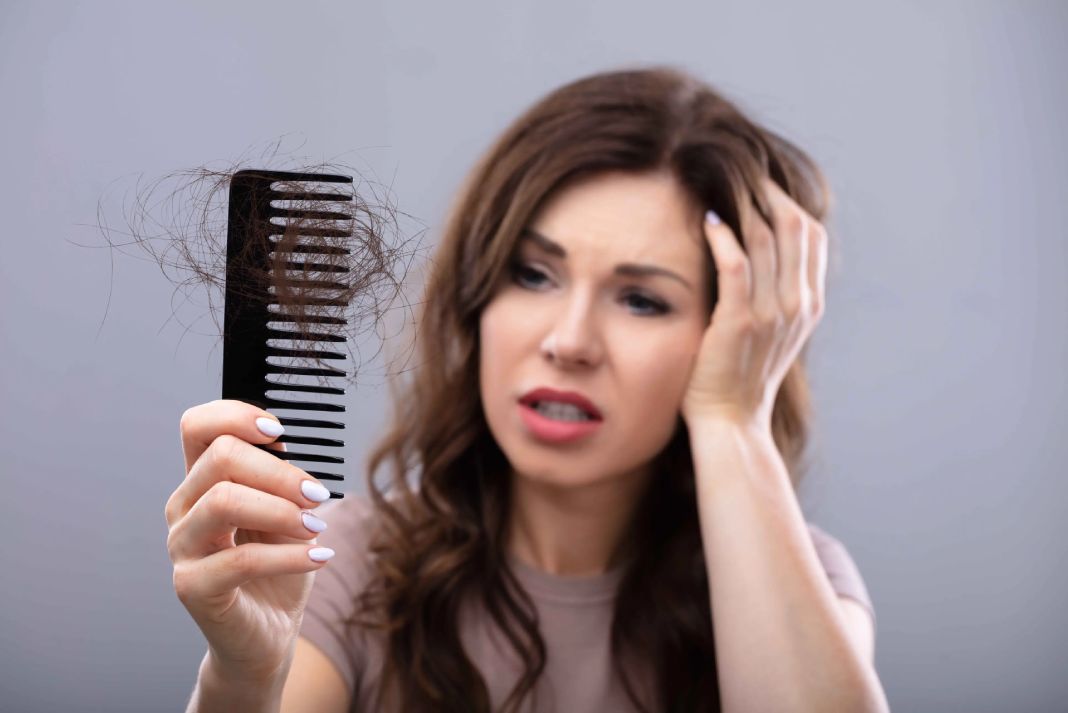

Hair is more than just appearance—it reflects your inner health, nutrition, and scalp environment. When the follicles are stressed by hormonal imbalance (like excess DHT), inflammation, poor circulation, or oxidative damage, hair may shed faster and regrow thinner.
🌱 1. Science of Hair Growth
Anagen (growth) ➡️ Catagen (regression) ➡️ Telogen (rest/shedding)
🔑 Key drivers:
Growth factors (IGF-1, VEGF, Wnt/β-catenin)
⚖️ DHT / androgen balance
🔥 Oxidative stress & inflammation
💉 Microcirculation (blood supply to follicles)
👉 Herbal teas = natural bioactives (polyphenols, flavonoids, terpenes) that support these pathways.
🍵 2. Why Herbal Teas?
✅ Hydrating & rich in antioxidants
✅ Gentler vs. oils / supplements
✅ Can be drunk ☕ + applied topically 💆♀️
✅ Easy to integrate into routine
⚠️ Slower results vs. minoxidil/finasteride
🌿 3. Top Herbal Teas for Hair Growth
Each tea includes: 🌟 Mechanism | 📝 Usage | ⚠️ Risks
🍵 3.1 Green Tea (Camellia sinensis)
🌟 Mechanism:
EGCG = boosts Wnt/β-catenin ➕ blocks DHT ➕ anti-inflammatory
📝 Usage:
Brew 2–3 bags in 300 mL water (80°C, 10 min)
Rinse scalp 2–3×/week 🚿
⚠️ Risks:
Caffeine jitters 😵
Iron absorption issues if overconsumed
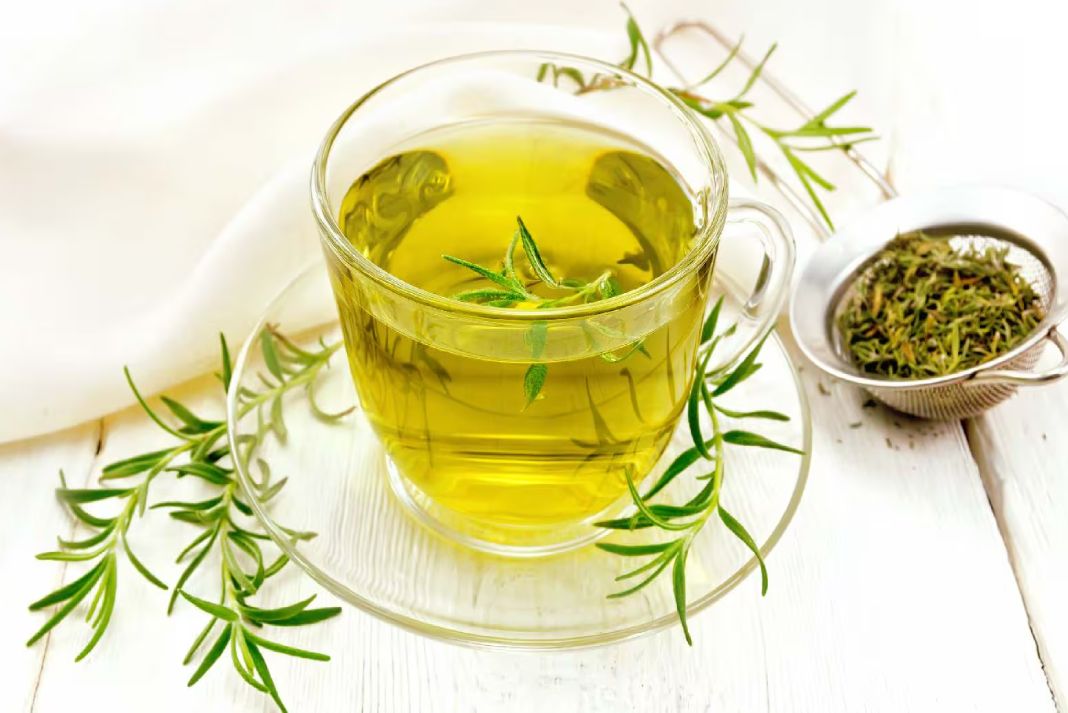
🌿 3.2 Rosemary Tea 🌿💚
🌟 Mechanism:
Rosmarinic acid ➕ improves circulation ➕ inhibits 5α-reductase (DHT blocker)
🧪 Comparable to finasteride in mice models Karger study
📝 Usage:
1–2 tbsp dried leaves in 300 mL boiling water (10–15 min)
Cool ➡️ scalp rinse / spray 2–3× weekly
⚠️ Risks:
Mild irritation for sensitive scalp 🚫
Avoid in pregnancy 🤰
🌺 3.3 Hibiscus Tea
🌟 Rich in anthocyanins ➕ antioxidants ➕ scalp pH balance
🧪 Animal study evidence
📝 Brew 5–7 petals 🌺 in 250 mL water (10 min), rinse hair 2–3× weekly
⚠️ Mild allergy possible 🌸
🌿 3.4 Nettle Tea 🌿⚔️
🌟 Silica + minerals 💎 ➕ DHT-blocker ➕ anti-inflammatory
🧪 MDPI review
📝 2–3 tsp dried nettle 🍃 in 300 mL water (10 min) ➡️ scalp spray
⚠️ May itch/tingle ⚡
⚠️ Interacts with meds (BP, diuretics) 💊
🌱 3.5 Peppermint / Spearmint 🌬️
🌟 Menthol ➕ vasodilation ➕ reduces testosterone (spearmint)
🧪 Peppermint oil > minoxidil in mice study
📝 1–2 tsp mint 🍃 in 300 mL water ➡️ rinse/spray 2–3× weekly
⚠️ Cooling 🔥➡️❄️ can sting
🌼 3.6 Chamomile Tea 🌼✨
🌟 Soothes scalp 🔥 ➕ reduces inflammation
📝 Brew 2–3 tbsp flowers, rinse hair 🌸
⚠️ Allergy if sensitive to daisies 🌻
…and so on for Fenugreek 🌾, Ginseng 🌿, Saw Palmetto 🍇, Licorice 🌿🍬, Tulsi 🌿🕉️, Horsetail 🌾, Gotu Kola 🍀, Bhringraj/Brahmi 🌿 (same structure with icons/emojis).
📊 4. Comparison Table (with Emojis)
| 🌿 Herb | 🌟 Mechanism | 🚿 Usage | ⚠️ Risks |
|---|---|---|---|
| 🍵 Green Tea | DHT block, antioxidant | Rinse 2–3×/wk | Caffeine, iron |
| 🌿 Rosemary | Circulation + DHT block | Rinse 2–3×/wk | Irritation, avoid pregnancy |
| 🌺 Hibiscus | Antioxidant + scalp pH | Rinse 2–3×/wk | Allergy rare |
| 🌱 Nettle | Silica + DHT block | Spray 2–3×/wk | Interacts w/ meds |
| 🌬️ Peppermint | Vasodilator, IGF-1 boost | Rinse 2–3×/wk | Tingling |
| 🌼 Chamomile | Anti-inflammatory | Rinse 1–2×/wk | Allergy (Asteraceae) |
🗓️ 5. Structured Routine (12 Weeks)
📅 Example Weekly Schedule:
Mon ➡️ 🍵 Green Tea rinse
Tue ➡️ 🌺 Hibiscus + 🌼 Chamomile combo
Wed ➡️ ❌ Rest
Thu ➡️ 🌿 Rosemary rinse
Fri ➡️ 🌱 Nettle or 🌬️ Peppermint spray
Sat ➡️ 🌾 Fenugreek / 🍇 Saw Palmetto decoction
Sun ➡️ 🌼 Chamomile gentle rinse
👩⚕️ 6. Expert Quotes
🧑🔬 “Plant extracts may promote hair growth by upregulating growth factors and suppressing androgen receptors.” — MDPI Review
👨⚕️ “Herbal extracts compared to minoxidil showed no significant difference at 24 weeks, suggesting herbal alternatives may work for some.” — Cheyasak et al., 2024
❓ 7. FAQs
1) ⏳ How long until I see results?
Most people need 8–12 weeks for less shedding and better feel; visible density changes can take 3–4 months because hair grows slowly.
2) 💊 Are herbal teas as strong as minoxidil/finasteride?
No. Teas are gentler adjuncts. They can improve scalp comfort and hair quality, but prescription options remain the gold standard for pattern hair loss.
3) ☕ + 🚿 Should I drink the tea and use it topically?
If the herb is safe for you, both can be complementary. Topical helps locally; sipping adds antioxidants systemically. Watch for interactions (e.g., licorice + high BP).
4) 🧪 Which teas have the most promising mechanisms?
Common standouts include green tea (EGCG), rosemary, nettle, peppermint/spearmint, and hibiscus—for antioxidant, microcirculation, or mild anti-androgen support.
5) 🧴 How do I use a tea rinse correctly?
Brew strong (10–15 min), cool to lukewarm, apply after shampoo, massage 2–3 min, leave on 15–30 min, then light rinse or leave-in if scalp tolerates. 2–3×/week is typical.
6) 🌸 Can teas irritate my scalp?
Yes—rarely. Always patch test (behind ear, 24 hours). Peppermint/rosemary may tingle; chamomile/hibiscus are gentler but can still trigger allergies in sensitive folks.
7) 👩⚕️ Who should avoid certain teas?
Pregnancy/breastfeeding: avoid rosemary, saw palmetto, and high-dose licorice unless cleared by your clinician.
Hypertension, kidney disease, hormone-sensitive conditions, meds: consult your doctor first.
8) 🧂 Does brewing method matter?
Yes. Over-boiling can degrade delicate polyphenols. Aim for hot steeping (not rolling boil) for green tea; decoctions (gentle simmer) suit tougher roots/berries.
9) 🧠 What else should I do alongside teas?
Keep a balanced diet (adequate protein, iron, zinc), manage stress, avoid tight hairstyles/harsh heat, wash 2–3× weekly, and photolog progress every 4 weeks.
10) 🧭 When should I see a dermatologist?
If shedding is heavy >3 months, there are bald patches/scaling, or no improvement after 4–6 months of consistent care. Medical assessment can uncover thyroid, iron, or androgen drivers.
⚠️ 8. Safety & Contraindications
🚫 Pregnancy caution: Rosemary, Saw Palmetto, Licorice
💊 Check meds: Nettle, Licorice, Ginseng
📍 Always patch test first!
✅ 9. Take-Home Action Plan
✨ Rotate 3–5 core teas (Green Tea 🍵, Rosemary 🌿, Hibiscus 🌺, Chamomile 🌼, Nettle 🌱)
✨ Stick with a 12-week plan ⏳
✨ Track progress with photos 📸
✨ Combine with good nutrition 🥗, scalp massage 💆♀️, and dermatologist advice 👩⚕️
⚠️ Disclaimer
This content is educational and not medical advice. Herbal responses vary by person and condition. Always patch test new topicals and consult a qualified healthcare professional—especially if you’re pregnant, breastfeeding, have medical conditions, or take medications. Teas are adjuncts, not substitutes for evidence-based treatments when clinically indicated.