
Feeling wired at night but tired in the morning? 😴 Or stressed during the day and restless at night? You’re not alone. Nutrition science shows that what you eat directly impacts your sleep quality and stress resilience.
This guide will walk you through 20 science-backed superfoods, expert insights 🧑⚕️, usage tips, routines, FAQs, and practical tables. Think of it as your go-to manual for eating your way to calm nights and stress-free days 🌿✨.
🔬 How Food, Sleep & Stress Are Connected
🧠 Neurotransmitters – Tryptophan (from food) → Serotonin → Melatonin (your sleep hormone).
😰 Stress hormones – Cortisol and adrenaline can disrupt deep sleep.
🥦 Inflammation & antioxidants – A nutrient-rich diet reduces oxidative stress and improves sleep cycles.
🌱 Gut-Brain Axis – Healthy gut bacteria produce calming compounds like GABA and serotonin.
👉 In short: the right foods = calmer nerves + deeper sleep.
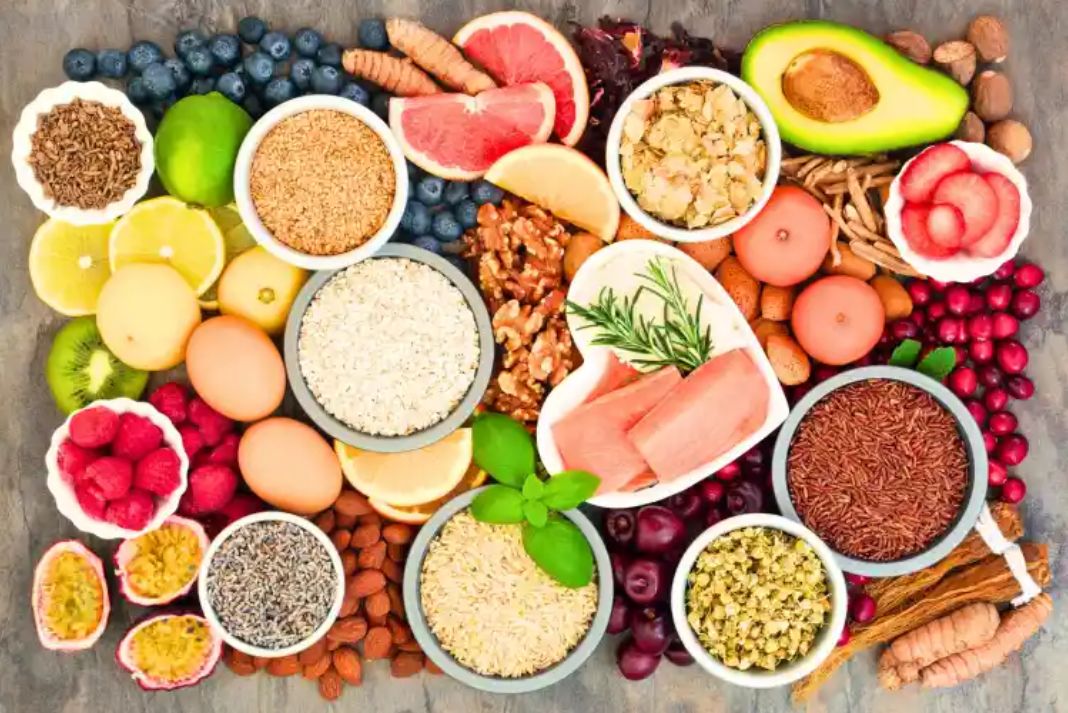
🍒 Top 20 Superfoods for Sleep & Stress Relief
Here’s a curated list with science, usage tips, and cautions.
1) 🍒 Tart Cherries / Tart Cherry Juice
Why it works (mechanism)
Natural source of melatonin + tryptophan.
Polyphenols lower inflammation and oxidative stress.
Studies show improved sleep duration & efficiency.
How to use (step-by-step)
Drink ~½ cup (30–60 mL) unsweetened tart cherry juice 1–2× daily.
Or eat ~1 cup fresh tart cherries in the evening.
Try for 7–14 days; some trials lasted 4 weeks.
Risks / cautions ⚠️
Juice = high natural sugars → diabetics should monitor.
May cause mild stomach upset.
Science spotlight
Meta-analysis: tart cherry juice ↑ sleep time by 34 mins and improved efficiency.
2) 🌿 Magnesium (Leafy Greens, Nuts, Seeds)
Why it works
Key cofactor for over 300 enzymes.
Supports GABA signaling (calming neurotransmitter).
Helps regulate cortisol and relax muscles.
How to use
Food first: spinach, Swiss chard, pumpkin seeds, almonds.
If supplementing: 200–400 mg elemental magnesium (citrate or glycinate) 30–60 min before bed.
Use consistently for 2–8 weeks.
Risks
High dose → diarrhea.
Avoid excessive supplementation if kidney disease.
Science
RCTs: magnesium improved sleep time & efficiency in older adults with insomnia.
3) 🐟 Fatty Fish (Salmon, Sardines, Mackerel)
Why it works
Rich in omega-3s (EPA/DHA) + vitamin D.
Anti-inflammatory + supports serotonin production.
Observational & intervention data: better sleep quality + reduced anxiety.
How to use
Eat 2–3 servings fatty fish/week (100–200 g cooked).
If not possible, consider quality fish oil or algae oil (vegan).
Risks
Mercury in large fish (tuna, swordfish).
Fish allergies.
Science
Studies link omega-3 intake to longer sleep + less anxiety symptoms.
4) 🥝 Kiwi
Why it works
Contains serotonin, antioxidants (vitamin C, polyphenols).
Reduces sleep latency (time to fall asleep).
Improves total sleep duration.
How to use
Eat 1–2 kiwis about 1 h before bedtime.
Repeat nightly for at least 4 weeks (per clinical trials).
Risks
May cause mild GI upset in sensitive people.
Moderate natural sugar.
Science
RCT: 2 kiwis nightly → 42% better sleep onset, 13% longer sleep duration.
5) 🥛 Milk & Dairy (Warm Milk, Yogurt, Kefir)
Why it works
Tryptophan → serotonin → melatonin.
Calcium regulates melatonin production.
Probiotics in yogurt/kefir support gut-brain axis → reduced stress.
How to use
Drink ~1 cup warm milk 30–60 min before bed.
Add plain yogurt/kefir with dinner or as evening snack.
Make it part of daily diet for weeks.
Risks
Lactose intolerance → choose lactose-free or fortified plant milks.
Avoid sweetened versions (sugar disrupts sleep).
Science
Review: milk peptides improved sleep efficiency; fermented dairy may reduce anxiety symptoms.
6) 🌰 Nuts & Seeds (Almonds, Walnuts, Pumpkin Seeds, Flax, Chia)
Why they might work (mechanism)
High in magnesium → supports GABAergic calm + muscle relaxation.
Some nuts (esp. walnuts, almonds) contain melatonin; seeds add tryptophan + anti-inflammatory fats. PMC+1
How to use (step-by-step)
Daily: 1 small handful (~28–30 g).
Evening snack option: mix walnuts + pumpkin seeds; add to yogurt or oats.
Aim most nights for 2–4 weeks to notice changes.
Risks / watch-outs
Calorie dense; nut allergies; rancidity if poorly stored (keep airtight, cool).
Notable evidence
Review on diet–sleep: melatonin-rich foods include almonds & walnuts. PMC
2025 crossover RCT: 40 g walnuts with dinner for 8 weeks ↑ urinary melatonin metabolite (6-SMT) & improved sleep quality. PubMed
7) 🌾 Smart Carbs (Oats, Barley, Brown Rice, Sweet Potato)
Mechanism
A modest carb portion can raise insulin → improves tryptophan/LNAA ratio, easing tryptophan entry into brain → serotonin → melatonin.
Lower-GI, higher-fiber patterns link to less sleep disruption. PMC+2MDPI+2
How to use
Place most carbs at dinner or 1–3 h before bed (not huge portions).
Choose whole grains; avoid ultra-refined late at night.
Trial 2–4 weeks.
Risks
Very large/late meals can cause reflux or nighttime awakenings.
Evidence
Mechanistic & human data show carbs can shift TRP/LNAA; meta-analysis explores carb quantity/quality & sleep outcomes. PMC+1
Cohort work: +5 cups produce/day & healthy carbs → ~16% better sleep quality same night. PubMed
8) 🥬 Leafy Greens & Colorful Veggies
Mechanism
Magnesium, calcium, folate + polyphenols → lower inflammation & support sleep architecture.
Higher produce intake associates with same-day better sleep. UChicago Medicine+1
How to use
Target ≥2 cups leafy greens/day + mixed veg at lunch/dinner.
Lightly cook or eat raw; diversify (spinach, kale, broccoli, peppers).
Make it daily for several weeks.
Risks
Raw crucifers in big amounts can bother sensitive thyroid; rotate greens.
Evidence
University of Chicago/Columbia work: 5 cups fruit+veg → 16% improved sleep quality. UChicago Medicine+1
9) 🍓 Berries (Blueberries, Strawberries, Raspberries)
Mechanism
Polyphenols & vitamin C combat oxidative stress tied to poor sleep; polyphenol-rich interventions can decrease sleep latency & increase total sleep time. PMC
How to use
½–1 cup/day (fresh or frozen, no added sugar).
Great with yogurt or oats, any time of day.
Risks
FODMAP sensitivity in some; wash well.
Evidence
NHANES analysis on berry intake & sleep; polyphenol reviews support sleep benefits. PMC+1
10) 🌿 Ashwagandha (Withania somnifera)
Mechanism
Adaptogen modulating HPA axis; trials show lower perceived stress/cortisol and better sleep. PMC+1
How to use
Choose standardized root extract.
Typical studied dose: 300–600 mg/day, with evening dose for sleep; continue 8 weeks.
Reassess with a validated scale (e.g., PSS, ISI).
Risks
May potentiate sedatives; GI upset; caution in thyroid issues, pregnancy.
Evidence
Meta-analysis & RCTs: improved sleep efficiency, sleep onset latency, and total sleep time vs placebo. PMC
11) ☀️ Vitamin D (Food, Sun, or Supplement if Deficient)
Mechanism
VDRs in sleep-regulating brain regions; low D links to higher risk of sleep disorders. MDPI
How to use
Test 25(OH)D; correct deficiency per clinician guidance (often 1,000–4,000 IU/d).
Combine with sunlight + D-rich foods (fatty fish, fortified dairy).
Expect weeks–months.
Risks
Over-supplementation → hypercalcemia; monitor labs.
Evidence
Systematic review/meta-analysis: Vitamin D supplementation shows promising improvements in sleep quality (more research needed). PMC+1
12) 🥣 Fermented/Probiotic Foods (Yogurt, Kefir, Sauerkraut, Miso)
Mechanism
Gut–brain axis: probiotics influence neurotransmitters (GABA/5-HT), reduce inflammation → ↓ anxiety, better sleep. PMC
How to use
1 serving/day of live-culture food (or a clinically studied strain).
New to probiotics? Start every other day for a week then increase.
Track mood/sleep over 4–8 weeks.
Risks
Temporary bloating; caution in immunocompromised; watch sodium in ferments.
Evidence
2025 trial (L. plantarum PS128): improved sleep quality & reduced anxiety/depression in patients. Systematic reviews echo mood benefits. PMC+1
13) 🍌 Bananas
Mechanism
Provide tryptophan, magnesium, potassium + gentle carbs → may help relaxation and TRP transport. Evidence is nutrient-based; direct sleep trials are limited. Healthline
How to use
1 medium banana ~60 min before bed or with evening oats/yogurt.
Or try banana peel “tea” (steeped) if you like rituals. Sleep Foundation
Risks
Sugar load for very late night; GERD in some.
Evidence
Nutrient rationale is solid; direct RCTs on bananas and sleep are lacking. Healthline
14) 🌰 Walnuts (special shout-out)
Mechanism
Naturally contain melatonin, tryptophan, omega-3s & polyphenols. PMC+1
How to use
40 g with dinner (studied dose) for 8 weeks.
Fold into salads or yogurt.
Risks
Allergy; calorie dense.
Evidence
2025 RCT: ↑ urinary 6-sulfatoxymelatonin and better sleep quality with daily walnuts. PubMed
15) 🌼 Chamomile (Tea or Extract)
Mechanism
Apigenin binds GABA-A receptors → mild anxiolytic/sedative effect. Verywell Health
How to use
Tea: 1–2 bags, 5–10 min steep, 30–60 min before bed.
Use nightly for 2–4 weeks; consider standardized extract if tea isn’t enough.
Risks
Ragweed allergy cross-reactivity; mild daytime drowsiness.
Evidence
Insomnia pilot RCT shows subjective improvements; 2024 review: fewer awakenings, mixed for total duration. PMC+1
16) 💜 Lavender & 🌿 Valerian
Mechanism
Lavender (aromatherapy/oil) may enhance parasympathetic activity; meta-analyses show improved sleep quality.
Valerian may modulate GABA; evidence mixed—subjective benefits more than objective measures. ScienceDirect+4PubMed+4Lippincott Journals+4
How to use
Lavender: 1–2 drops essential oil in diffuser or pillow spray 20–30 min pre-bed for up to 4 weeks.
Valerian extract: 300–600 mg about 1 h before bed for 2–4 weeks; evaluate response.
Risks
Lavender skin sensitivity; valerian → morning grogginess, interactions with sedatives.
17) ✨ Turmeric / Curcumin
Mechanism
Anti-inflammatory & antioxidant; human RCTs/meta-analyses suggest small-to-moderate anxiolytic & antidepressant effects that can reduce stress load impacting sleep. PMC+2ScienceDirect+2
How to use
Food first: ½–1 tsp turmeric powder in curries/soups with pepper or fat (↑ absorption).
Supplements: follow standardized curcuminoid doses per label; many trials: ≥8–12 weeks.
Risks
GI upset at high doses; anticoagulant interactions; gallbladder issues—check with your clinician.
(Note: evidence for direct sleep outcomes is limited; benefits likely via mood/inflammation pathways.) PMC+1
18) 🍵 Green Tea (Low-Caf/Decaf) & L-Theanine
Mechanism
L-theanine promotes alpha-wave relaxation, reduces stress, and may improve sleep outcomes (when caffeine is minimized). PMC+2ScienceDirect+2
How to use
Morning/early afternoon: regular green tea (watch caffeine).
Evening: decaf green tea or L-theanine 100–200 mg 30–60 min before bed.
Trial 4 weeks.
Risks
Caffeine late = sleep disruption; check meds for interactions.
19) 🥘 Legumes (Lentils, Chickpeas, Beans)
Mechanism
Fiber + complex carbs → steadier glucose overnight; B-vitamins support neurotransmitters; observational app-based data link higher fiber & protein to longer sleep and fewer disturbances. People.com
How to use
½–1 cup cooked at dinner 4–5 days/week.
Soak/pressure-cook to reduce GI distress; pair with veggies/whole grains.
Risks
Gas/bloating (improves with regular intake & proper prep).
20) 🐟🌿 Omega-3s (Fish/Algae Oil) & ALA Seeds (Flax, Chia)
Mechanism
EPA/DHA lower inflammation; support serotonin signaling & stress resilience; associated with less anxiety and better sleep in several populations. PMC
How to use
Fatty fish 2–3×/week; if not possible, consider algae oil (vegan DHA/EPA).
Add 1–2 Tbsp ground flax/chia daily (for ALA).
Expect several weeks for effects.
Risks
Fishy aftertaste; check quality/oxidation; anticoagulant caution at high doses.
🧑⚕️ Expert Insights (Science Speaks!)
💬 Dr. Marie-Pierre St-Onge, Columbia University:
“Eating five cups of fruits & veggies daily can improve sleep quality by 16%.” (UChicago Medicine)
💬 RCT on Ashwagandha:
“600 mg/day root extract reduced stress & improved sleep within 8 weeks.” (PMC)
💬 Magnesium Trial:
“Magnesium supplementation improved sleep time and efficiency in older adults with insomnia.” (PMC)
🗓️ A Structured Daily Routine
Here’s how to weave superfoods into your day:
🌅 Morning: Oatmeal + berries + nuts 🌰 | Sunlight ☀️ | Green tea 🍵
🍱 Lunch: Fatty fish 🐟 + leafy greens 🥦 + whole grains 🌾
☕ Afternoon Snack: Yogurt with flax seeds | Avoid caffeine after 2pm 🚫
🌙 Dinner: Legumes + turmeric curry 🍛 + veggies 🥗
🛏️ Bedtime Ritual: Chamomile tea 🌼 | Tart cherry juice 🍒 | Banana 🍌
📊 Quick Summary Table
| Food | When to Take | Benefit |
|---|---|---|
| 🍒 Tart cherries | Evening | Melatonin boost, better sleep time |
| 🌿 Magnesium | Night | Relaxation, deeper sleep |
| 🐟 Fatty fish | Lunch/Dinner | Omega-3s reduce stress & anxiety |
| 🥝 Kiwi | Pre-bed | Faster sleep onset |
| 🌼 Chamomile | Bedtime | Calming, mild sedative |
❓ FAQs
Q1. How long before I notice results?
👉 Some foods (cherries, chamomile) work in days; others (magnesium, ashwagandha) need 4–8 weeks.
Q2. Are natural foods as effective as prescription meds?
👉 Foods are safer but usually milder. Best for mild insomnia/stress or as a supportive habit.
Q3. Can I combine them?
👉 Yes! 🍒 + 🌼 + 🌿 works synergistically. Just avoid over-supplementing.
Q4. Any foods to avoid?
👉 Yes! 🚫 Caffeine (after 2pm), alcohol close to bedtime, high sugar late at night.
⚠️ Disclaimer
This blog is educational only. Not medical advice. Consult a healthcare provider before supplements, especially if pregnant, breastfeeding, or on medication.