

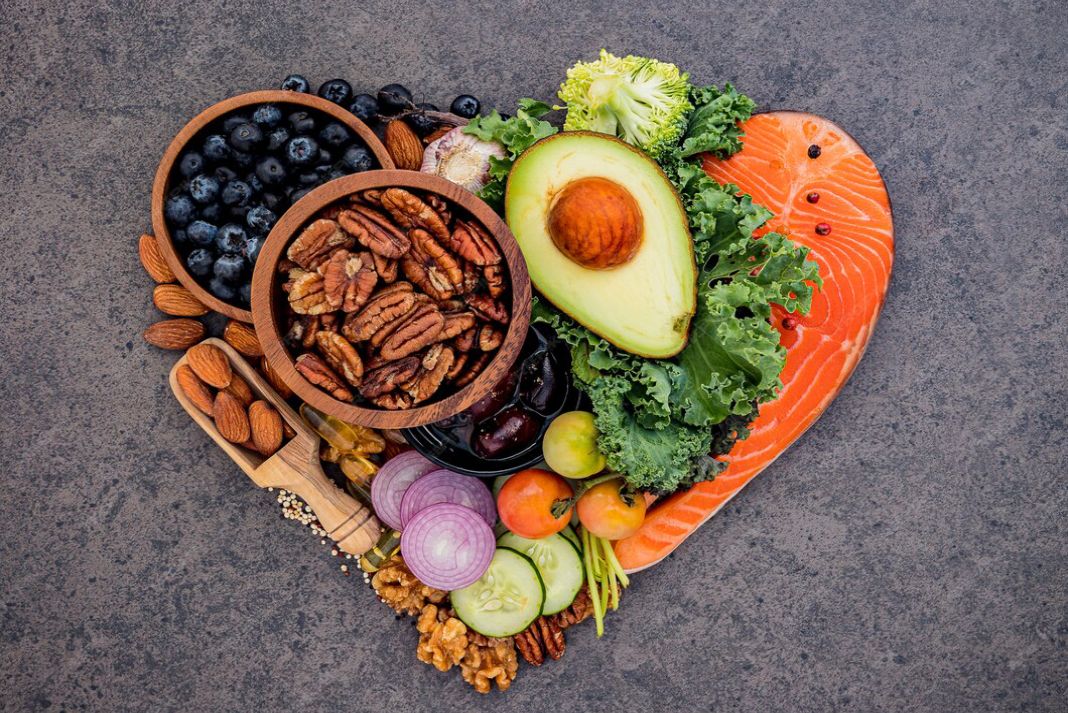
Heart disease remains the leading cause of death globally, but the good news is that diet plays a direct role in prevention and management. Research shows that certain superfoods — nutrient-dense, bioactive compounds — can lower LDL (bad cholesterol), raise HDL (good cholesterol), and improve arterial flexibility.
🌟 Why Superfoods Matter for Heart Health
LDL cholesterol reduction → lowers plaque buildup in arteries.
HDL cholesterol boost → helps remove excess cholesterol.
Anti-inflammatory properties → reduce vascular inflammation.
Rich in antioxidants → protect heart tissues from oxidative stress.
Blood pressure regulation → supports healthy circulation.
✅ According to the American Heart Association, a diet rich in whole plant-based superfoods can reduce cardiovascular risk by up to 30%. 【Source: https://www.heart.org】
🥗 20 Best Superfoods for Heart Health & Cholesterol
Below, each remedy includes mechanism, usage, risks, and comparisons.
1. Oats 🌾
Mechanism: Rich in beta-glucan fiber, which binds cholesterol in the gut and reduces absorption.
Usage: 1–2 bowls of oatmeal or overnight oats daily.
Risks: Safe; may cause bloating in sensitive guts.
Comparison: More effective than refined grains; studies show a 7% LDL reduction in 6 weeks.
🔗 NCBI Study
2. Fatty Fish (Salmon, Mackerel, Sardines) 🐟
Mechanism: High in omega-3 fatty acids (EPA, DHA) → reduce triglycerides, prevent arrhythmias.
Usage: 2 servings/week (150–200 g each).
Risks: Mercury content in large fish; stick to wild-caught salmon or sardines.
Comparison: Superior to omega-3 capsules due to additional nutrients.
🔗 AHA Research
3. Olive Oil 🫒
Mechanism: Monounsaturated fats + polyphenols improve endothelial function, lower LDL oxidation.
Usage: 2–3 tbsp/day in salads or cooking.
Risks: High calories; avoid overheating.
Comparison: More protective than butter or refined oils.
🔗 PREDIMED Trial
4. Nuts (Almonds, Walnuts) 🌰
Mechanism: Provide plant sterols + unsaturated fats → reduce total cholesterol by ~10%.
Usage: A small handful daily (30 g).
Risks: High calorie; may trigger nut allergies.
Comparison: Walnuts outperform peanuts in omega-3 levels.
🔗 Harvard Study
5. Berries (Blueberries, Strawberries) 🍓
Mechanism: Anthocyanins lower oxidative stress & blood pressure.
Usage: 1–2 cups fresh/frozen daily.
Risks: None; safe for most.
Comparison: Berries outperform apples in antioxidant density.
🔗 PubMed
6. Avocados 🥑
Mechanism: High in monounsaturated fats → reduce LDL while boosting HDL.
Usage: ½ avocado daily.
Risks: High calorie; avoid if on low-potassium diet.
Comparison: More effective than bananas for potassium + fiber.
🔗 NCBI
7. Legumes (Beans, Lentils, Chickpeas) 🫘
Mechanism: Soluble fiber + plant proteins lower LDL & triglycerides.
Usage: 1 cup cooked daily.
Risks: Gas/bloating; soak well.
Comparison: Outperform refined grains in lowering cholesterol.
🔗 Meta-analysis
8. Dark Chocolate 🍫 (70%+)
Mechanism: Flavanols improve arterial elasticity and reduce BP.
Usage: 20–30 g/day (unsweetened).
Risks: Excess sugar if low cocoa %; moderate use only.
Comparison: Superior to milk chocolate in cardioprotection.
🔗 NCBI
9. Garlic 🧄
Mechanism: Allicin compounds reduce cholesterol synthesis.
Usage: 1–2 raw cloves or 600–1,200 mg extract daily.
Risks: May interact with blood thinners.
Comparison: Comparable to low-dose statins in mild cases.
🔗 PubMed
10. Flaxseeds 🌱
Mechanism: Rich in ALA (plant omega-3) + lignans → reduce LDL and inflammation.
Usage: 1–2 tbsp ground daily.
Risks: Avoid whole seeds in diverticulitis.
Comparison: Lower LDL similar to chia seeds, but higher in lignans.
🔗 NCBI
11. Green Tea 🍵
Mechanism: Catechins inhibit cholesterol absorption, improve artery function.
Usage: 2–3 cups/day.
Risks: Avoid excess caffeine.
Comparison: More effective than black tea in lowering LDL.
🔗 Meta-analysis
12. Spinach & Leafy Greens 🥬
Mechanism: Nitrates improve arterial dilation; lutein lowers LDL oxidation.
Usage: 1–2 cups cooked/day.
Risks: High vitamin K → caution with blood thinners.
Comparison: Kale slightly higher in antioxidants.
🔗 Harvard
13. Tomatoes 🍅
Mechanism: Lycopene lowers LDL & improves arterial flexibility.
Usage: 1 cup cooked or raw daily.
Risks: Acidic → reflux in sensitive stomachs.
Comparison: Cooked tomatoes have higher bioavailable lycopene.
🔗 PubMed
14. Apples 🍏
Mechanism: Pectin fiber binds cholesterol; polyphenols protect arteries.
Usage: 1 medium apple/day.
Risks: High fructose in excess.
Comparison: Similar to pears, but richer in flavonoids.
🔗 NCBI
15. Turmeric (Curcumin) 🌿
Mechanism: Anti-inflammatory, prevents plaque buildup.
Usage: ½ tsp with black pepper daily.
Risks: May thin blood; avoid before surgery.
Comparison: Comparable to aspirin’s anti-inflammatory effect.
🔗 PubMed
16. Soy Products (Tofu, Soy Milk) 🥛
Mechanism: Isoflavones lower LDL cholesterol by 5–10%.
Usage: 25 g soy protein/day.
Risks: Avoid excess if thyroid issues.
Comparison: Stronger LDL effect than dairy proteins.
🔗 FDA Health Claim
17. Beets ❤️
Mechanism: Nitrate → nitric oxide → improves circulation & lowers BP.
Usage: 1 glass beet juice or 1 cup cooked/day.
Risks: May darken urine.
Comparison: Outperforms carrots in lowering BP.
🔗 PubMed
18. Grapes 🍇
Mechanism: Resveratrol improves cholesterol metabolism.
Usage: 1–2 cups/day.
Risks: High sugar; limit if diabetic.
Comparison: Red grapes more beneficial than green.
🔗 NCBI
19. Chia Seeds 🌿
Mechanism: Omega-3s, fiber, antioxidants lower triglycerides.
Usage: 1 tbsp soaked daily.
Risks: May cause bloating.
Comparison: Similar to flax but more hydrophilic (better satiety).
🔗 PubMed
20. Red Wine (Moderation) 🍷
Mechanism: Polyphenols, especially resveratrol, raise HDL.
Usage: 1 glass/day (women), 2 (men).
Risks: Excess → heart damage, addiction.
Comparison: Grape juice offers polyphenols without alcohol risks.
🔗 AHA
📊 Summary Table of Heart-Healthy Superfoods
| Superfood | Key Nutrient | Effect on Heart | Best Usage |
|---|---|---|---|
| Oats | Beta-glucan fiber | ↓ LDL | 1–2 bowls/day |
| Fatty Fish | Omega-3 (EPA/DHA) | ↓ Triglycerides | 2x/week |
| Olive Oil | MUFAs + Polyphenols | ↓ LDL oxidation | 2–3 tbsp/day |
| Nuts | Plant sterols | ↓ Total cholesterol | 30 g/day |
| Berries | Anthocyanins | ↓ BP, ↓ inflammation | 1–2 cups/day |
| … | … | … | … |
🧑⚕️ Expert Quotes
Dr. Dariush Mozaffarian, Tufts University:
“Replacing saturated fats with plant-based oils like olive oil can cut heart disease risk by nearly 20%.” 【Source: https://www.tufts.edu】Dr. Frank Hu, Harvard T.H. Chan School of Public Health:
“A handful of nuts daily is strongly linked with lower risk of coronary heart disease and total cardiovascular mortality.” 【Source: https://www.hsph.harvard.edu】Dr. Penny Kris-Etherton, American Heart Association:
“Omega-3 fatty acids from fish are essential for heart rhythm stabilization and lowering triglycerides.” 【Source: https://www.heart.org】
🗓️ Structured Daily Routine
Morning: Oatmeal with berries + green tea.
Mid-morning Snack: Handful of walnuts.
Lunch: Spinach & lentil salad with olive oil dressing.
Evening: Grilled salmon + beet side.
Snack/Dessert: Dark chocolate square + apple.
Optional: 1 glass red wine with dinner (if approved by doctor).
❓ FAQs
1. How long does it take for superfoods to lower cholesterol?
👉 Clinical trials show results in 4–12 weeks with daily intake.
2. Are superfoods as effective as statins?
👉 They help mild to moderate cases but don’t replace medications when prescribed.
3. Can I combine multiple superfoods daily?
👉 Yes, synergy improves overall cardiovascular benefits.
4. Are supplements better than whole foods?
👉 Whole foods provide fibers and phytonutrients supplements lack.
5. Do I need to avoid all fats?
👉 No — focus on healthy fats (olive oil, avocados, nuts).
6. Which superfood is best for high triglycerides?
👉 Fatty fish and flaxseeds are most effective.
7. Is red wine necessary for heart health?
👉 Not required; grapes provide similar compounds.
8. Can children eat these superfoods?
👉 Yes, except alcohol; adjust portions.
9. Do superfoods help with blood pressure too?
👉 Yes, especially beets, spinach, and garlic.
10. Should I consult a doctor before making changes?
👉 Always — especially if on medication for heart disease.
⚠️ Disclaimer
This article is for educational purposes only. It is not medical advice. Always consult a physician or dietitian before making significant dietary changes, particularly if you have heart disease, high cholesterol, or are on medications.