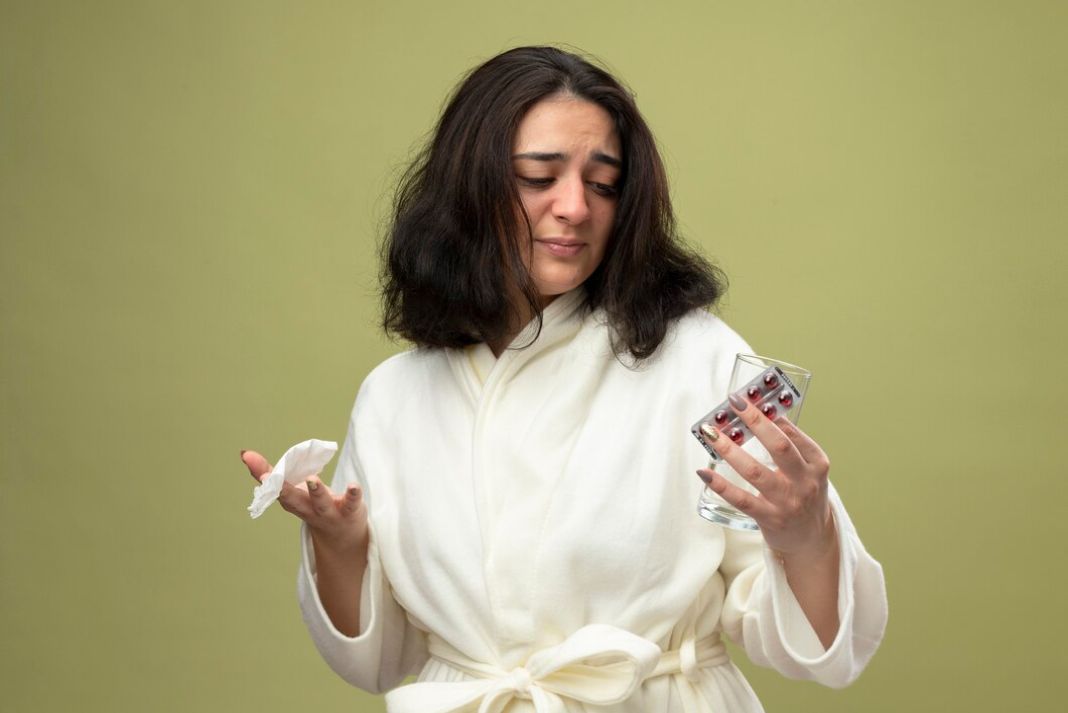

Hormones are your body’s chemical messengers. When balanced, they regulate menstrual cycles, mood, fertility, metabolism, skin, and sleep. But stress, poor diet, toxins, and lifestyle habits can disrupt this harmony—leading to PMS, PCOS, thyroid imbalances, irregular periods, weight gain, or menopause symptoms.
The good news? 🌿 A holistic daily routine combining nutrition, movement, stress management, and natural remedies can restore hormonal balance without relying only on medications.
🧬 Why Hormonal Balance Matters
Reproductive health 🩸 – Estrogen, progesterone, and LH/FSH regulate ovulation and fertility.
Metabolism ⚡ – Thyroid hormones and insulin control energy and weight.
Mood & Brain Health 🧠 – Cortisol, serotonin, and estrogen influence stress and emotions.
Skin & Hair 💆♀️ – Androgen excess causes acne and hair loss, while estrogen decline leads to dryness.
Sleep & Energy 😴 – Melatonin and cortisol impact circadian rhythm.
👉 When balanced, you feel energetic, have regular cycles, glowing skin, and stable moods. When imbalanced, symptoms like fatigue, mood swings, acne, hair thinning, bloating, or irregular cycles appear.
🌿 20+ Scientifically-Backed Remedies for Hormone Balance
Each includes Mechanism, Usage, and Risks.
1. 🌞 Morning Sunlight & Circadian Reset
Mechanism: Sunlight exposure regulates cortisol (stress hormone) and boosts melatonin production at night (PubMed: PMID 29925428).
Usage: 15–20 min of sunlight within 1 hour of waking.
Risks: Overexposure → sunburn; use SPF if >20 min.
2. 🥑 Eat a Protein-Rich Breakfast
Mechanism: Protein stabilizes blood sugar & insulin, preventing cortisol spikes.
Usage: Eggs, Greek yogurt, or lentils in the first meal.
Risks: None unless kidney disease.
3. 🍵 Green Tea (EGCG)
Mechanism: Improves insulin sensitivity and lowers androgens in PCOS (PMID: 24330891).
Usage: 1–2 cups daily, morning or early afternoon.
Risks: Avoid excess → insomnia.
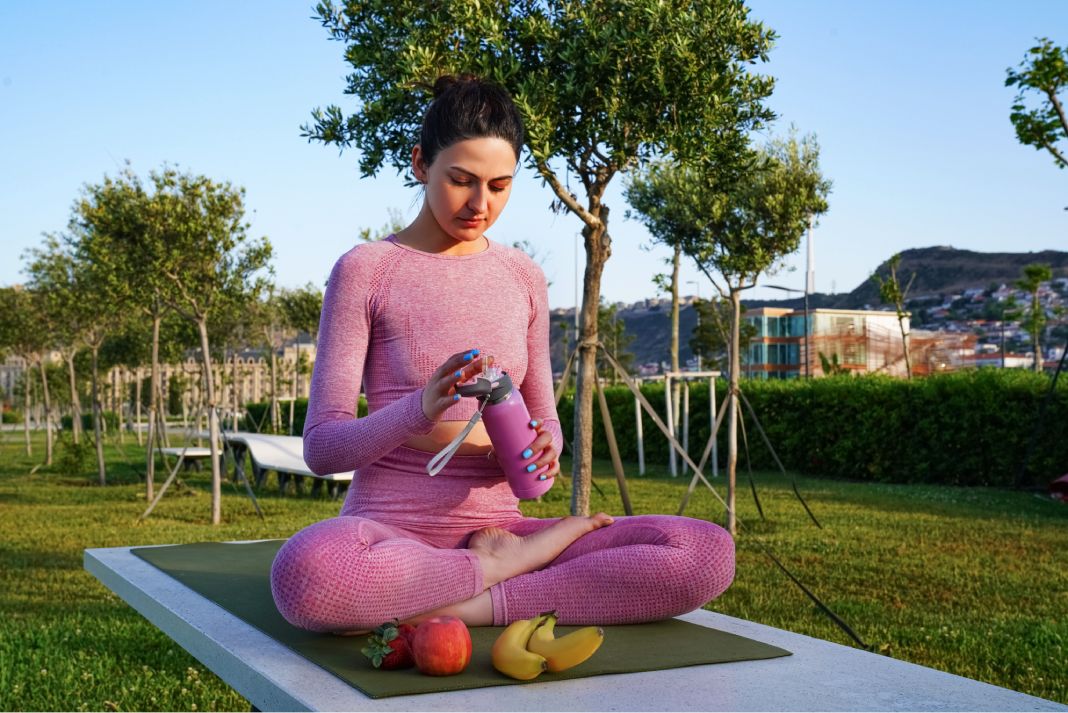
4. 🧘♀️ Yoga (Especially Restorative & Flow)
Mechanism: Lowers cortisol and improves thyroid and reproductive hormone regulation.
Usage: 20–30 min daily (Sun Salutation, Child’s Pose, Butterfly Pose).
Risks: None, unless injury.
5. 🌰 Flaxseeds (Lignan-Rich)
Mechanism: Lignans bind to estrogen receptors, balancing estrogen dominance in PMS/PCOS (PMID: 17374629).
Usage: 1 tbsp ground flaxseed daily in smoothies.
Risks: May interact with blood thinners.
6. 🫚 Adaptogens (Ashwagandha, Maca, Rhodiola)
Mechanism: Modulate HPA axis, reduce cortisol, boost progesterone/testosterone (PMID: 23439798).
Usage: 300–500 mg/day standardized extract.
Risks: Avoid if pregnant/breastfeeding without doctor advice.
7. 🥦 Cruciferous Vegetables (Broccoli, Kale)
Mechanism: Indole-3-carbinol supports liver detox of estrogen (PMID: 18228224).
Usage: 1–2 cups steamed or stir-fried daily.
Risks: Overuse may affect thyroid (if iodine deficient).
8. 💧 Hydration & Electrolytes
Mechanism: Dehydration raises cortisol and impacts thyroid metabolism.
Usage: 2–3 L filtered water + pinch of Himalayan salt/lemon.
Risks: None unless kidney issues.
9. 🥥 Healthy Fats (Omega-3s & MCTs)
Mechanism: Cholesterol is the building block of estrogen, progesterone, cortisol.
Usage: Avocado, coconut oil, walnuts, chia seeds.
Risks: Avoid excess saturated fats.
10. 🛌 Prioritize 7–9 Hours Sleep
Mechanism: Deep sleep restores growth hormone, melatonin, and cortisol rhythm (PMID: 25823934).
Usage: Sleep before 11 pm.
Risks: Sleep deprivation → infertility, weight gain.
11. 🍋 Warm Lemon Water with Cinnamon
Mechanism: Improves insulin sensitivity and aids liver detox of hormones.
Usage: Morning drink.
Risks: Acidic → avoid if GERD.
12. 🏃 Strength Training
Mechanism: Increases insulin sensitivity, testosterone, and growth hormone.
Usage: 2–3 times/week, 30–40 mins.
Risks: Overtraining → cortisol spikes.
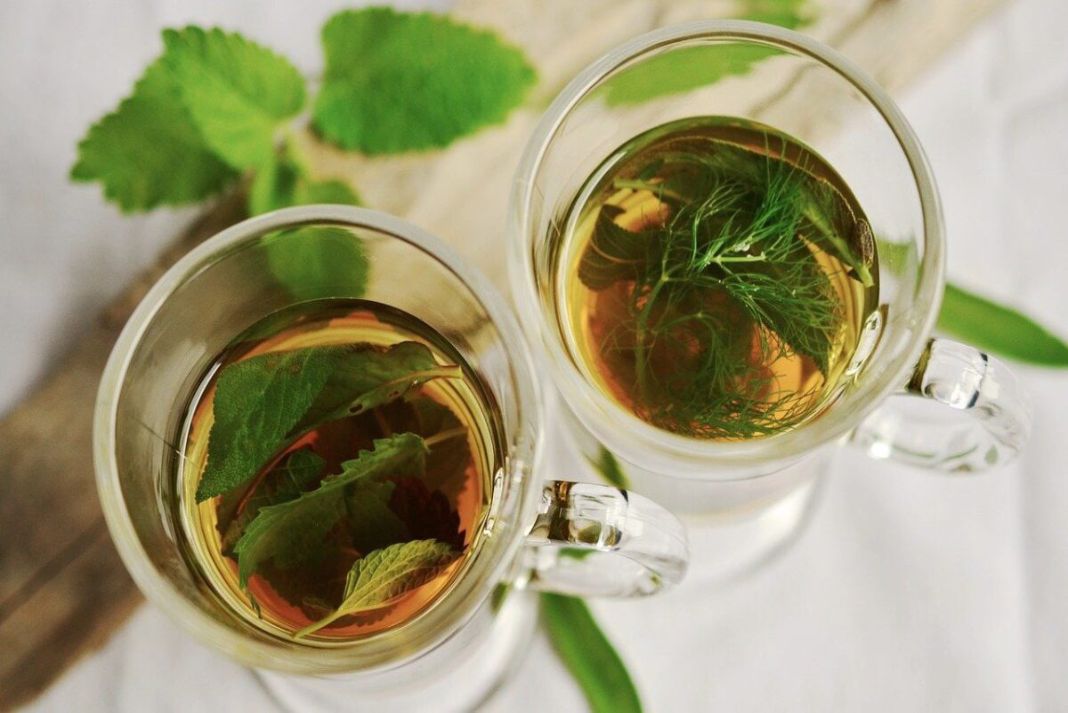
13. 🌿 Herbal Teas (Spearmint, Licorice, Chamomile)
Mechanism: Spearmint lowers testosterone in PCOS, chamomile reduces cortisol.
Usage: 1–2 cups/day.
Risks: Licorice → raise BP if excess.
14. 🍫 Dark Chocolate (70%+)
Mechanism: Magnesium helps progesterone production & cortisol regulation.
Usage: 1–2 small squares/day.
Risks: High sugar if processed.
15. 🧄 Probiotics & Fermented Foods
Mechanism: Gut microbiome regulates estrobolome, which metabolizes estrogen (PMID: 27832900).
Usage: Yogurt, sauerkraut, kimchi.
Risks: Start small → avoid bloating.
16. 🌺 Cycle Syncing (Workouts & Foods)
Mechanism: Align diet & activity with menstrual phases → reduces PMS/PCOS symptoms.
Usage: Follicular → cardio; Luteal → yoga & magnesium-rich foods.
Risks: Requires tracking cycle.
17. 🌿 Evening Magnesium Ritual
Mechanism: Calms nervous system, aids progesterone production.
Usage: Epsom salt bath / 200–400 mg magnesium glycinate.
Risks: Avoid excess → loose stools.
18. 🚫 Avoid Endocrine Disruptors
Mechanism: BPA, phthalates mimic estrogen, disrupting balance (WHO report).
Usage: Use glass/steel bottles, natural cleaners.
Risks: None.
19. 🕯️ Stress-Relief Ritual (Meditation, Journaling)
Mechanism: Reduces cortisol, balances thyroid-adrenal-ovarian axis.
Usage: 10–15 min before bed.
Risks: None.
20. 🌸 Herbal Support (Vitex Agnus-Castus)
Mechanism: Boosts progesterone & balances estrogen (PMID: 22324072).
Usage: 20–40 mg/day extract.
Risks: Avoid if on fertility meds.
📋 Structured Daily Routine
| Time | Activity | Hormonal Benefit |
|---|---|---|
| 6–7 am | Sunlight + Lemon Water | Cortisol reset, liver detox |
| 7:30 am | Protein-rich breakfast + flax | Stabilize insulin, estrogen balance |
| 10 am | Green tea | Lower androgens |
| 12 pm | Lunch with crucifers + probiotics | Estrogen detox, gut balance |
| 4 pm | Herbal tea + dark chocolate | Reduce cortisol, boost mood |
| 6 pm | Strength training/yoga | Insulin sensitivity, cortisol balance |
| 8 pm | Omega-3 dinner + hydration | Hormone building blocks |
| 9 pm | Magnesium ritual + journaling | Boost progesterone, reduce stress |
| 10–11 pm | Sleep | Restore growth hormone, melatonin |
👩⚕️ Expert Quotes
Dr. Jerilynn Prior, Endocrinologist (UBC): “Lifestyle interventions such as stress management and dietary changes can be as effective as medications for mild hormonal imbalances.”
Dr. Lara Briden, Naturopathic Doctor: “Ovulation is the cornerstone of female health—supporting sleep, stress, and gut health is essential for balanced hormones.”
Harvard Medical Review (PMID: 22324072): “Vitex reduces PMS symptoms in over 60% of women within 3 cycles.”
❓ FAQs
1. How long does it take to balance hormones naturally?
👉 3–6 months of consistent routine.
2. Are natural remedies as effective as medications?
👉 For mild imbalances, yes. For severe PCOS or thyroid issues, combine with medical care.
3. Can diet alone balance hormones?
👉 Diet helps 60–70%, but stress, sleep, and exercise are equally important.
4. Should I avoid caffeine?
👉 Excess caffeine raises cortisol → hormonal imbalance. Limit to 1 cup/day.
5. Is intermittent fasting good for women?
👉 Works better in follicular phase; may worsen PMS/thyroid issues if overdone.
6. Can I use adaptogens daily?
👉 Yes, but rotate (e.g., ashwagandha one month, maca the next).
7. What’s the best supplement for PMS?
👉 Magnesium + Vitex + Omega-3s.
8. Are soy products safe?
👉 Fermented soy in moderation supports estrogen balance; avoid processed soy.
9. Can hormone balance help with skin & hair?
👉 Yes, by lowering androgens → reduced acne & hair loss.
10. When to see a doctor?
👉 If symptoms persist >6 months, or with severe cycle irregularities, infertility, or thyroid signs.
⚠️ Disclaimer
This guide is for educational purposes only. Not a substitute for professional medical advice. Always consult your gynecologist/endocrinologist before starting supplements or major lifestyle changes.