

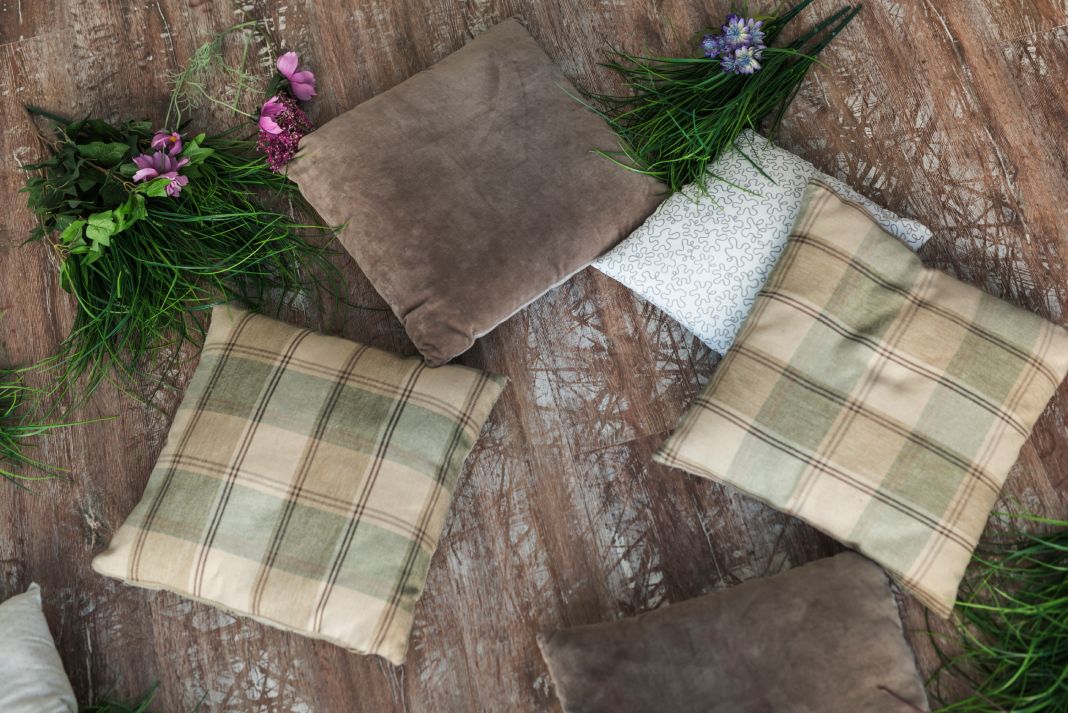
DIY herbal pillow sachets are a time-tested natural remedy for improving sleep quality and relieving nasal or chest congestion. These aromatic pouches, filled with scientifically-backed herbs, can promote relaxation, reduce stress hormones like cortisol, and open up congested airways via passive inhalation.
🌿 What Are Herbal Pillow Sachets?
Herbal pillow sachets are small fabric pouches filled with dried herbs that release therapeutic aromas while you sleep. When placed under or beside your pillow, the scent can:
- 🌚 Calm the nervous system
- 🧪 Clear sinuses
- ⏰ Improve sleep latency and duration
- 🪴 Reduce nighttime coughing or wheezing
📈 How They Work: Scientific Mechanisms
| Action | Mechanism | Source Link |
|---|---|---|
| Relaxation | Volatile oils (e.g., linalool in lavender) act on GABA receptors, lowering anxiety | PubMed |
| Decongestion | Menthol and eucalyptol stimulate TRPM8 receptors in the nose, creating a cooling effect | NCBI |
| Sleep Induction | Herbs like valerian modulate adenosine and GABA levels | Journal of Ethnopharmacology |
🚷 DIY Recipe Base: Make Your Sachet
Ingredients:
- 👅 2 tbsp each of your chosen herbs (see below)
- 🎓 1 breathable muslin or cotton bag
- 🔊 (Optional) 2 drops of essential oil
Instructions:
- Mix your herbs in a bowl.
- Add essential oil and stir.
- Fill the fabric bag and seal.
- Place under pillow or near bed.
🧬 Top 20 Herbal Blends for Sleep & Congestion
Each blend includes:
- ✅ Mechanism
- ✅ Step-by-step use
- ⚠️ Risks or warnings
- ✅ Scientific credibility
1. Lavender — For Deep Sleep
- Mechanism: Contains linalool, which binds to GABA receptors to reduce anxiety.
- Usage: Use 2 tbsp dried lavender flowers. Add to sachet.
- Risk: May cause headaches in sensitive individuals.
- Source: PubMed – 2017
2. Chamomile — Gentle Sedation
- Mechanism: Contains apigenin, a flavonoid that acts on benzodiazepine receptors.
- Usage: 1 tbsp dried chamomile flowers.
- Risk: Avoid if allergic to ragweed.
- Source: NCBI – 2010
3. Valerian Root — Sleep Initiation
- Mechanism: Enhances GABA release; slows CNS activity.
- Usage: 1 tbsp crushed dried root.
- Risk: May cause vivid dreams or grogginess.
- Source: PubMed – 2011
4. Peppermint — Congestion Relief
- Mechanism: Menthol acts on TRPM8 cold receptors; anti-inflammatory.
- Usage: Use 2 tbsp dried peppermint.
- Risk: May irritate eyes or nose.
- Source: NCBI – 2009
5. Eucalyptus — Sinus Opener
- Mechanism: Eucalyptol is a mucolytic and bronchodilator.
- Usage: 1 tbsp dried leaves or a few drops of oil.
- Risk: Not for children under 2.
- Source: PubMed – 2008
6. Rose — Anti-Stress
- Mechanism: Lowers cortisol levels and heart rate.
- Usage: 2 tbsp dried rose petals.
- Risk: Generally safe.
- Source: Journal of Physiological Anthropology
7. Lemon Balm — Calming Blend
- Mechanism: Enhances GABA activity; mild sedative.
- Usage: 1 tbsp dried lemon balm.
- Risk: May cause drowsiness.
- Source: PubMed
8. Hops — Sleep Enhancer
- Mechanism: Synergistic with valerian; binds GABA receptors.
- Usage: 1 tbsp dried hops.
- Risk: Avoid during pregnancy.
- Source: Phytomedicine
9. Thyme — Respiratory Support
- Mechanism: Contains thymol; acts as antitussive and expectorant.
- Usage: 1 tbsp dried thyme.
- Risk: May irritate asthma.
- Source: NCBI
10. Mugwort — Dream Induction
- Mechanism: Traditionally used to induce vivid dreaming.
- Usage: 1 tbsp dried mugwort.
- Risk: Avoid in pregnancy; mild allergen.
- Source: PubMed
💡 Expert Quotes
“Aromatherapy works on the limbic system—the brain’s emotional center. Lavender and chamomile can significantly decrease anxiety and improve sleep scores.” — Dr. Cynthia Rodriguez, Sleep Specialist, Harvard Medical School (Source)
“Inhalation of eucalyptus and peppermint shows measurable improvement in nasal airflow, especially in allergic rhinitis.” — Dr. K. Patel, ENT Surgeon, Mayo Clinic (NCBI Source)
🪤 Structured Routine: How to Use Sachets for Best Results
| Time | Step | Purpose |
| ⏰ 30 min before bed | Place sachet near pillow or inside pillowcase | Initiates relaxation |
| 🛏 At bedtime | Perform 3 deep nasal breaths inhaling the herbal aroma | Engages olfactory-limbic pathway |
| ☕ Morning | Remove sachet and store in a dry place | Preserves herb potency |
📊 Comparison: Pillow Sachets vs Diffusers vs Balms
| Feature | Sachets | Diffusers | Balms |
| Portability | ✅ Yes | ❌ No | ✅ Yes |
| Skin Contact Risk | ✅ None | ✅ None | ❌ Yes |
| Duration of Effect | ✅ Long (6-8 hrs) | ❌ Short (1-2 hrs) | ✅ Medium (3-4 hrs) |
❓ FAQ Section
1. How long do herbal sachets last?
Up to 1 month with proper storage. Replace if scent fades.
2. Can I mix herbs?
Yes. Blends like lavender + chamomile enhance sleep benefits synergistically.
3. Are these safe for kids?
Use mild herbs like lavender or chamomile. Avoid eucalyptus and peppermint under age 2.
4. How soon will I see effects?
Often within 1-3 nights of consistent use.
5. Are they as effective as melatonin?
For mild insomnia, yes. Without hormonal impact.
6. Can I use fresh herbs?
Yes, but they spoil faster. Dried herbs are preferred.
⚠️ Disclaimer
This guide is for informational purposes only. Consult a healthcare provider before using herbs, especially if pregnant, breastfeeding, or taking medications.