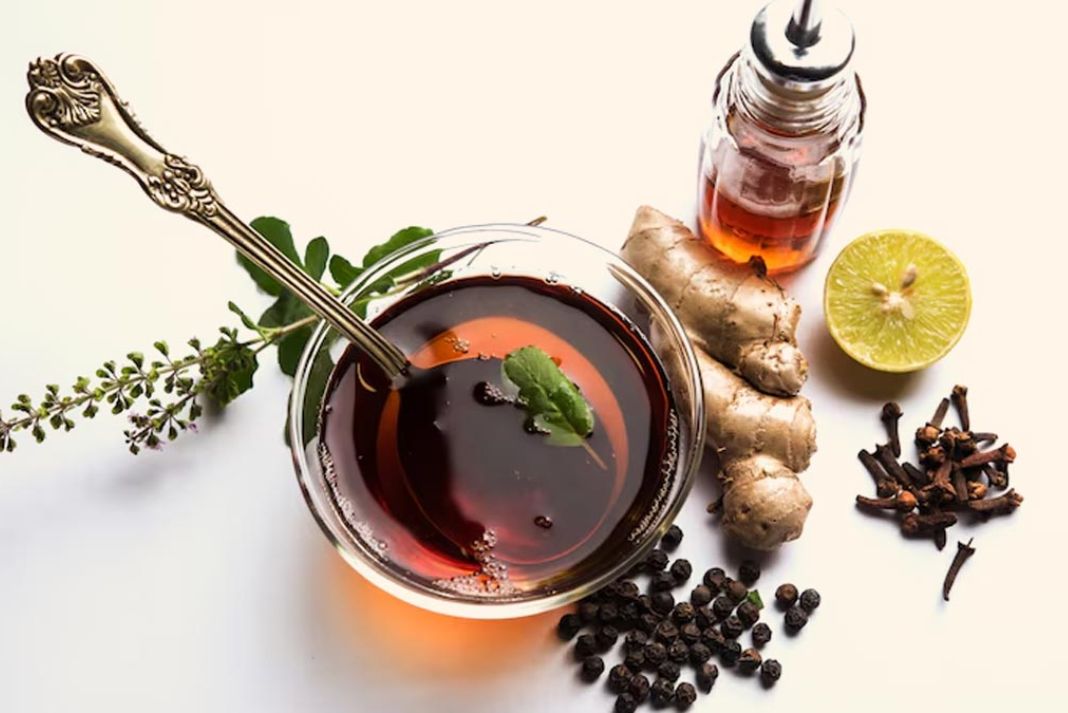

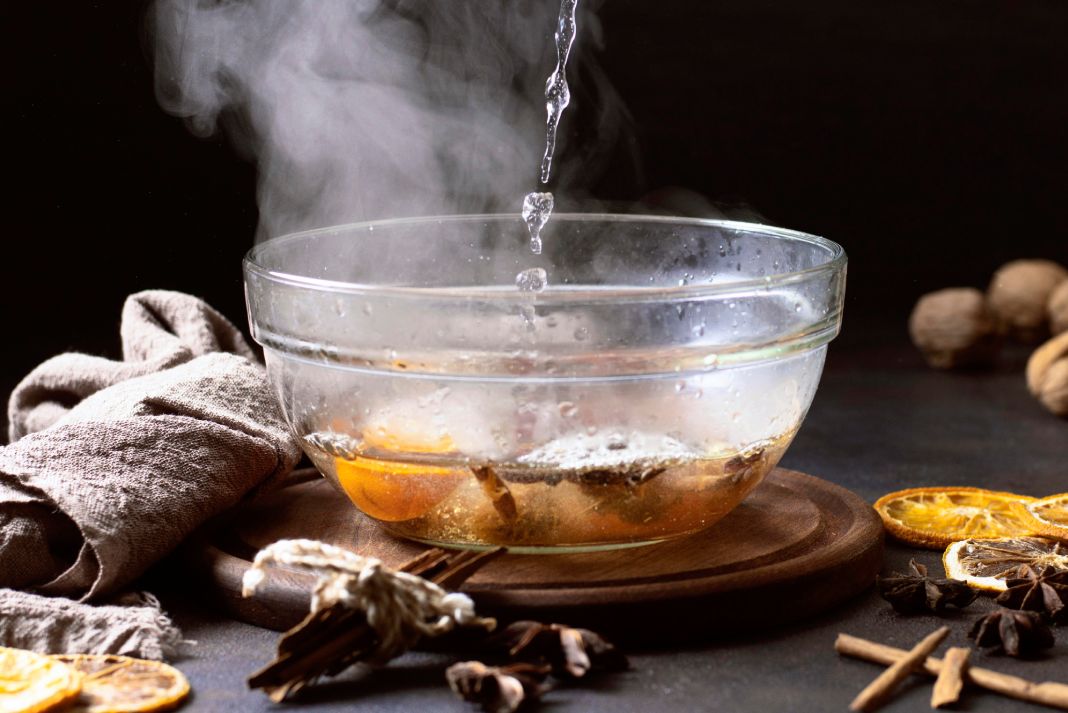
Herbal steam inhalation is an ancient, natural remedy used across cultures for respiratory congestion, sinus issues, and calming the nervous system. Combining heat, moisture, and medicinal herbs, steam inhalation offers a simple yet powerful tool for physical and emotional wellness.
🔬 Scientific Insight: Research shows that inhalation therapy can reduce nasal resistance, improve mucociliary clearance, and modulate vagal tone, which helps relieve stress and sinus pressure simultaneously NCBI.
🧘♀️ How Herbal Steam Inhalation Works
| Mechanism | Benefit |
|---|---|
| Moist Heat | Opens nasal passages, loosens mucus |
| Volatile Oils from Herbs | Enter respiratory tract, reduce inflammation |
| Steam Hydration | Soothes irritated tissues |
| Aromatherapy Effect | Activates parasympathetic nervous system, reducing stress |
| Vagal Activation | Promotes calm, lowers heart rate |
🌿 Top Herbal Steam Remedies (Backed by Science)
Each remedy includes:
✅ Scientific mechanism
✅ Step-by-step instructions
✅ Risks or precautions
✅ Comparison (where needed)
1. Eucalyptus Leaves
Mechanism: Contains eucalyptol (1,8-cineole), a powerful anti-inflammatory and decongestant. It thins mucus and kills airborne pathogens.
How to Use:
Add 5–6 eucalyptus leaves or 4 drops of essential oil to boiling water.
Inhale with towel over head for 10 minutes.
Risk: Avoid with asthma. May cause irritation in sensitive individuals.
2. Peppermint Leaves
Mechanism: Menthol opens airways by stimulating cold receptors in the nose. Also reduces tension headaches and stress.
Instructions:
Use 1 tbsp dried peppermint or 3 drops essential oil.
Inhale for 10 minutes.
Caution: Avoid near infants; can trigger respiratory distress.
3. Chamomile Flowers
Mechanism: Bisabolol and apigenin have sedative, anti-inflammatory, and mucolytic effects. Eases anxiety and nasal inflammation.
Use:
Add 2 tsp dried chamomile to hot water.
Inhale for 10–12 mins before bed.
Bonus: Improves sleep and calms the mind.
4. Lavender Flowers
Mechanism: Linalool in lavender reduces cortisol levels and anxiety. Also helps relax sinus muscles.
Steps:
2 tsp dried lavender or 4 drops essential oil in steam.
Inhale deeply for 8–10 minutes.
Side Effect: Rare allergic reaction in sensitive users.
🔬 PubMed
5. Thyme (Thymol)
Mechanism: Antibacterial and expectorant. Clears sinus infection and inhibits microbial growth.
Usage:
1 tsp dried thyme in hot water.
Steam for 5–10 minutes.
Tip: Combine with eucalyptus for stronger effect.
6. Tulsi (Holy Basil)
Mechanism: Adaptogenic, anti-stress, and antiviral. Calms nerves and fights respiratory viruses.
Instructions:
Boil 10 tulsi leaves in water.
Inhale twice a day during stress or cold symptoms.
Comparison: More calming than eucalyptus, but slightly less mucolytic.
🔬 Source
7. Rosemary
Mechanism: Carnosic acid improves memory, opens sinus pathways, and has mild calming effects.
How to Use:
Use 1 sprig of rosemary in steam.
Inhale for 8 minutes.
8. Lemon Balm
Mechanism: Contains rosmarinic acid with anti-anxiety and antiviral properties.
Use:
Add 1 tbsp dried lemon balm.
Steam in morning for mental clarity and sinus decongestion.
9. Ginger Root
Mechanism: Gingerol reduces airway inflammation and boosts circulation.
Steps:
Add 1 tsp grated ginger or 4 slices in water.
Inhale for 10 minutes.
🔬 Study
10. Turmeric + Black Pepper
Mechanism: Curcumin reduces inflammation; black pepper boosts absorption.
Use:
Add ½ tsp turmeric + pinch of pepper.
Use carefully; stain risk.
🧴 Step-by-Step Guide: DIY Herbal Steam Setup
Boil 3 cups of water.
Pour into a heat-safe bowl.
Add herbs or essential oils.
Place towel over head and bowl.
Inhale through nose and mouth (10 mins max).
Wipe face with soft towel.
Rest and hydrate after session.
🧾 Comparison: Herbal Steam vs Nasal Sprays vs Diffusers
| Treatment | Relief Speed | Duration | Side Effects | Best For |
|---|---|---|---|---|
| Herbal Steam | Fast | Medium | Mild (heat, aroma sensitivity) | Sinus + stress |
| Nasal Spray | Fast | Short | Dependency if steroid-based | Severe sinus |
| Essential Oil Diffuser | Slow | Long | Minimal | Long-term stress |
🧠 Expert Quotes
🗣️ “Inhalation therapy with essential oils like eucalyptus and thyme provides measurable benefits in sinus relief and immune support.”
— Dr. Jane S. Paul, MD, ENT Specialist, Journal of Ethnopharmacology
🔗 Source
🗣️ “Steam therapy is an effective non-pharmacologic intervention for upper respiratory tract infections.”
— Dr. Kevin K., Harvard Medical School
🔗 NCBI Study
📆 Structured Weekly Routine
| Day | Herbs to Use | Focus | Duration |
|---|---|---|---|
| Monday | Tulsi + Mint | Energy boost | 10 mins |
| Tuesday | Lavender + Chamomile | Stress relief | 12 mins |
| Wednesday | Eucalyptus + Thyme | Sinus decongestion | 10 mins |
| Thursday | Lemon Balm + Orange Peel | Mental clarity | 8 mins |
| Friday | Ginger + Clove | Immune support | 10 mins |
| Saturday | Sage + Rosemary | Relaxation | 10 mins |
| Sunday | Free Day | Choose favorite | As needed |
⚠️ Risks and Precautions
❗ Asthma/COPD patients: Always consult a doctor before use.
🚫 Children below 5 years: Avoid direct steam; try diffuser instead.
🧪 Allergic reactions: Patch test essential oils.
🕒 Limit per session: Max 10–12 minutes.
❓FAQs
1. How long does it take to see results from herbal steam?
Typically, nasal relief is felt immediately. Stress relief may take 2–3 consistent sessions.
2. Is herbal steam better than a nasal spray?
Steam is safer long-term. Sprays offer quicker but temporary relief.
3. Can I mix herbs?
Yes! Try combinations like eucalyptus + thyme for sinus or lavender + chamomile for stress.
4. Is it safe during pregnancy?
Use mild herbs like lavender or chamomile, but consult your doctor.
5. Can I reuse the water?
No. Use fresh herbs and water for each session.
✅ Conclusion
Herbal steam inhalation is a time-tested, scientifically-supported remedy for sinus congestion and stress relief. With proper technique, herbal synergy, and safety precautions, it can be a valuable addition to your wellness toolkit.
🔗 Disclaimer
This guide is for educational purposes only. Always consult a healthcare provider before beginning herbal or steam therapies, especially if you have chronic respiratory conditions, are pregnant, or are treating children.