
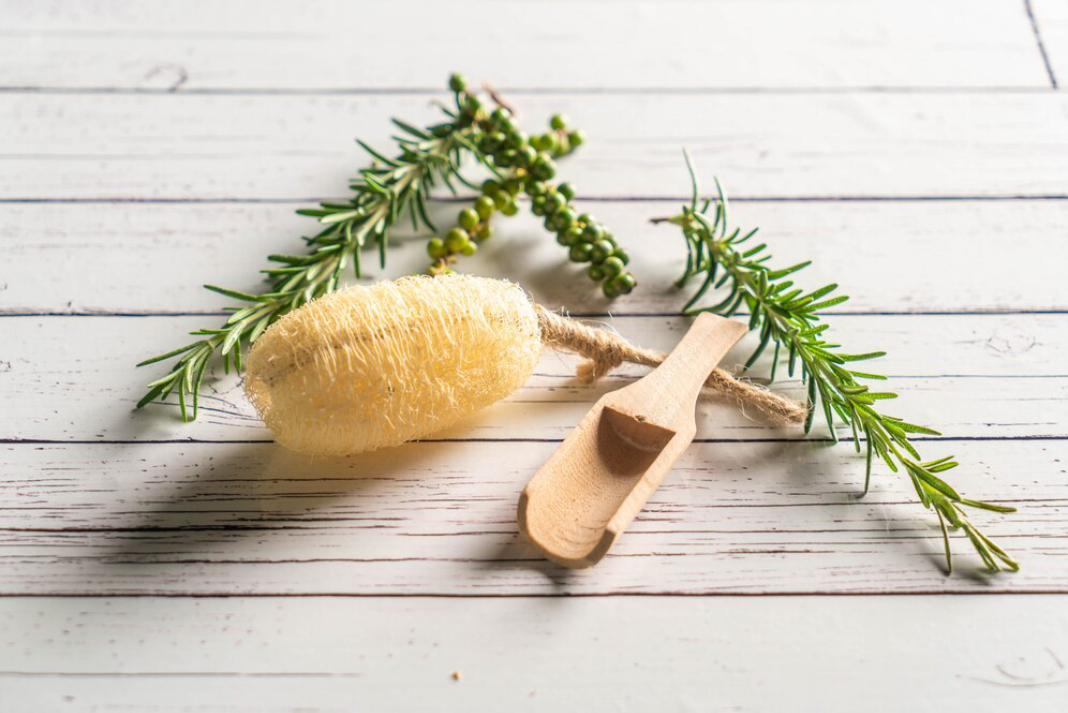
Dry brushing is a centuries-old practice using a firm-bristled brush on dry skin. Touted as a detox method, it promotes lymphatic drainage, exfoliates skin, and boosts circulation. But does science back it up?
This guide explores 20+ benefits, usage steps, expert opinions, safety tips, and how it compares to other methods.
🧬 How Dry Brushing Works: Mechanism of Action
🧠 Scientific Explanation:
Lymphatic System Stimulation: Dry brushing stimulates lymph nodes, aiding detox by enhancing lymph flow (NCBI: Lymphatic Physiology).
Increased Circulation: Brushing invigorates capillaries beneath the skin, boosting nutrient delivery and toxin clearance.
Mechanical Exfoliation: Removes dead skin cells to promote cell turnover and unclog pores.
✅ 20+ Scientifically-Backed Benefits of Dry Brushing for Detox
✅ 1. Exfoliates Dead Skin Cells
🔬 Mechanism: Dry brushing sloughs off dead skin cells from the stratum corneum, allowing for new cell regeneration.
🔗 Source – Dermatology Times
🧴 Usage:
Use circular motions over dry skin before showering.
Target dry, flaky areas like elbows and knees.
⚠️ Risks: Over-exfoliation may cause irritation or sensitivity.
✅ 2. Improves Circulation
🔬 Mechanism: Stimulates capillary blood flow, improving oxygen and nutrient transport.
🔗 PubMed Study on Blood Flow
🧴 Usage:
Long, sweeping strokes toward the heart.
Focus on limbs to maximize venous return.
⚠️ Risks: May cause temporary redness if done too vigorously.
✅ 3. Stimulates Lymphatic Drainage
🔬 Mechanism: Supports lymph movement, helping remove cellular waste.
🔗 NCBI – Lymphatic Physiology
🧴 Usage:
Brush toward lymph nodes (e.g., groin, armpits, collarbone).
Avoid heavy pressure—lymph flow is superficial.
⚠️ Risks: Avoid in case of lymphatic disorders or infections.
✅ 4. Unclogs Pores
🔬 Mechanism: Physically removes buildup of oil and dead skin that blocks pores.
🔗 American Academy of Dermatology
🧴 Usage:
Brush gently on oily areas like chest, shoulders, back.
Rinse skin immediately after brushing.
⚠️ Risks: Don’t brush over acne—can spread bacteria.
✅ 5. Enhances Product Absorption
🔬 Mechanism: Exfoliation boosts permeability of skin for lotions/oils.
🔗 NIH on Skin Barrier
🧴 Usage:
Brush, shower, then apply moisturizer or serum while skin is still damp.
⚠️ Risks: Using harsh products after brushing may sting.
✅ 6. Reduces Appearance of Cellulite
🔬 Mechanism: Improves lymph flow and skin texture temporarily, which may smooth cellulite.
🔗 Journal of Cosmetic Science
🧴 Usage:
Firm strokes on thighs, buttocks, and hips.
Use daily for visible results over 4–6 weeks.
⚠️ Risks: Results are aesthetic and short-term. Not a cure.
✅ 7. Supports Natural Detoxification
🔬 Mechanism: Stimulates lymph and skin, the body’s primary detox organs.
🔗 NCBI – Detoxification Physiology
🧴 Usage:
Focus on full-body brushing to stimulate systemic detox.
Follow up with hydration to flush toxins.
⚠️ Risks: Do not rely solely on dry brushing for “detox”—diet and hydration are essential.
✅ 8. Boosts Energy
🔬 Mechanism: Activates sympathetic nervous system; increases cortisol alertness.
🔗 Health Psychology Research
🧴 Usage:
Morning routine brushing is most effective.
Use light, invigorating strokes.
⚠️ Risks: Avoid close to bedtime; may disturb sleep.
✅ 9. Improves Skin Texture
🔬 Mechanism: Encourages collagen production and cell renewal.
🔗 NIH on Cell Turnover
🧴 Usage:
3x/week on dry areas—arms, legs, abdomen.
⚠️ Risks: Can aggravate sensitive or aging skin if done daily.
✅ 10. Clears Ingrown Hairs
🔬 Mechanism: Exfoliation lifts trapped hair tips under dead skin.
🔗 AAD Ingrown Hair Guide
🧴 Usage:
Gently brush bikini line or underarms before shaving.
⚠️ Risks: Never brush inflamed ingrowns—can worsen irritation.
✅ 11. Promotes Relaxation
🔬 Mechanism: Stimulates peripheral nerves for a calming effect, similar to massage.
🔗 Harvard Health
🧴 Usage:
Use long, slow strokes in the evening before a warm bath.
⚠️ Risks: Not recommended during active stress-related skin conditions (e.g., eczema flares).
✅ 12. Reduces Water Retention
🔬 Mechanism: Lymphatic drainage encourages fluid movement.
🔗 Clinical Lymphology Study
🧴 Usage:
Focus on ankles, knees, and thighs—brush toward heart.
⚠️ Risks: May cause fatigue if detox response is too quick.
✅ 13. Brightens Complexion
🔬 Mechanism: Improved blood flow and exfoliation give skin a healthy glow.
🔗 Derm Research
🧴 Usage:
Light brushing on face with soft bristles (1x/week max).
⚠️ Risks: Overuse on face may lead to microtears.
✅ 14. Softens Rough Patches
🔬 Mechanism: Loosens hardened keratin plugs, especially on elbows/knees.
🧴 Usage:
Short, firm circular motions on elbows, heels, and knees.
⚠️ Risks: Use caution if skin is cracked or bleeding.
✅ 15. Helps Even Out Skin Tone
🔬 Mechanism: Improves circulation and cell turnover for more uniform pigmentation.
🧴 Usage:
2–3x/week brushing on hyperpigmented areas.
⚠️ Risks: Avoid on melasma-prone areas without derm consultation.
✅ 16. May Improve Immune Response
🔬 Mechanism: A healthy lymphatic system = better white cell transport.
🔗 Healthline on Lymphatic System
🧴 Usage:
Incorporate into weekly immune-supportive self-care routines.
⚠️ Risks: Not a substitute for vaccines or medical therapy.
✅ 17. Opens Sweat Glands
🔬 Mechanism: Removes blockages, allowing sweat to flow freely for detox.
🧴 Usage:
Gentle brushing in underarm and chest area.
⚠️ Risks: Avoid deodorant immediately after brushing.
✅ 18. Improves Sleep Quality
🔬 Mechanism: Parasympathetic stimulation can induce calming sensations pre-bed.
🧴 Usage:
Perform slow, relaxing strokes before a warm bath and bedtime.
⚠️ Risks: Avoid stimulating strokes near bedtime.
✅ 19. Encourages Mindful Self-Care
🔬 Mechanism: Slow, repetitive action can act as meditative or mindfulness practice.
🧴 Usage:
Use brushing as part of morning or night rituals with focus and gratitude.
⚠️ Risks: None—beneficial for mental well-being.
✅ 20. Prepares Skin for Shaving or Waxing
🔬 Mechanism: Exfoliated skin allows for smoother glide of razor/wax.
🧴 Usage:
Brush before shaving (never after) to reduce irritation.
⚠️ Risks: Never brush post-waxing or shaving—skin is too sensitive.
🧴 Step-by-Step Guide: How to Dry Brush for Detox
Choose the Right Brush
➤ Natural bristles, long handle for back, firm but not harshBefore Showering
➤ Skin must be completely dryStart at the Feet
➤ Move in long upward strokes toward the heartUse Gentle Pressure
➤ Avoid pressing too hard, especially on sensitive areasCircular Motions on Abdomen & Joints
➤ Promotes lymphatic flowBrush Entire Body (5–7 minutes)
Shower to Rinse Dead Skin
Apply Moisturizer or Oil Post-Shower
➤ Coconut, jojoba, or Ayurvedic oils work wellClean Your Brush Weekly
🕒 Frequency: 3–5 times per week
⚖️ Comparison: Dry Brushing vs Other Detox Methods
| Method | Exfoliates? | Lymphatic Boost? | Cost | Risk of Irritation |
|---|---|---|---|---|
| Dry Brushing | ✅ Yes | ✅ Yes | 💰 Low | ⚠️ Moderate |
| Body Scrubs | ✅ Yes | ❌ No | 💰 Medium | ✅ Low |
| Lymphatic Massage | ❌ No | ✅ Yes | 💰 High | ✅ Low |
| Sauna | ❌ No | ✅ Yes (indirectly) | 💰 Medium–High | ✅ Low |
🔍 Verdict: Dry brushing offers a dual action — physical exfoliation and lymphatic stimulation, making it a top contender for holistic detox.
⚠️ Risks, Warnings, and Who Should Avoid It
🚫 Avoid if:
You have eczema, psoriasis, broken skin, or sunburn
You’re undergoing radiation therapy or post-surgery
⚠️ May cause:
Redness, microtears, or skin sensitivity if overdone
🧴 Always moisturize afterward to prevent dryness
🧠 Expert Quotes (With Sources)
🗣️ Dr. Cheryl Rosen, Dermatologist – “Dry brushing may support lymphatic flow, which is important for immune function and detoxification.”
Source: Cleveland Clinic
🗣️ Dr. Joshua Zeichner, Mount Sinai Hospital – “It removes dead skin cells and can improve the effectiveness of topical products.”
Source: Allure Magazine Dermatology Roundup
🗣️ Dr. Whitney Bowe, Dermatologist – “There’s some value to dry brushing, but it shouldn’t replace other detox strategies like hydration or diet.”
Source: Harvard Health Blog
🗓️ Weekly Dry Brushing Routine for Detox
| Day | Action |
|---|---|
| Mon | Full-body dry brush before morning shower |
| Tue | Rest day (moisturize only) |
| Wed | Focus on lower body & arms |
| Thu | Rest day |
| Fri | Full-body dry brush + oil massage |
| Sat | Gentle brushing (avoid overuse) |
| Sun | Detox bath with Epsom salt (no brushing) |
📊 Summary Table of Benefits
| Category | Benefits |
|---|---|
| Detox | Lymphatic drainage, toxin removal, reduced water retention |
| Skin | Exfoliation, texture, hydration, pore cleansing |
| Circulation | Improved blood flow, energy boost |
| Aesthetics | Cellulite appearance, anti-aging, soft skin |
| Mental Health | Relaxation, mindfulness, better sleep |
❓Frequently Asked Questions (FAQs)
1. 🧽 How often should I dry brush?
3–5 times per week is optimal. Overbrushing can irritate the skin.
2. 🌿 Is dry brushing scientifically proven to detox?
It supports detox indirectly by stimulating lymphatic drainage — a key detox pathway.
3. 🧖♀️ Does it help with cellulite?
It may reduce the appearance temporarily, but it’s not a permanent solution.
4. ❌ Can dry brushing damage skin?
Yes, if done too hard or on compromised skin (eczema, cuts, etc.).
5. 🧬 Does it boost the immune system?
Improved lymph flow is linked to better immune function.
6. 🧼 Can I use a loofah instead?
Loofahs exfoliate but don’t stimulate lymph nodes as well as dry brushing.
7. 💧 Should I moisturize after?
Absolutely. Follow up with a hydrating, natural oil or lotion.
8. ⚠️ Who should NOT dry brush?
Avoid if you have skin conditions, severe acne, open wounds, or are under active dermatologic treatment.
9. 🧴 Can I dry brush my face?
Use only facial-specific soft brushes. Avoid if acne-prone.
10. 🧘 Does it really make you feel energized?
Yes, many report an immediate boost in circulation and alertness post-brushing.
🧾 Disclaimer
This article is for informational purposes only. Consult a dermatologist before starting dry brushing if you have sensitive or damaged skin, chronic conditions, or are undergoing treatment.
🔚 Conclusion
Dry brushing isn’t just a trendy wellness ritual — it’s a scientifically supported technique for detox, skin renewal, and stress relief. With minimal cost and maximum benefit, it’s a must-try for holistic health seekers.
When used responsibly, it serves as an effective and empowering self-care practice that bridges traditional healing and modern skincare. 🌿✨