

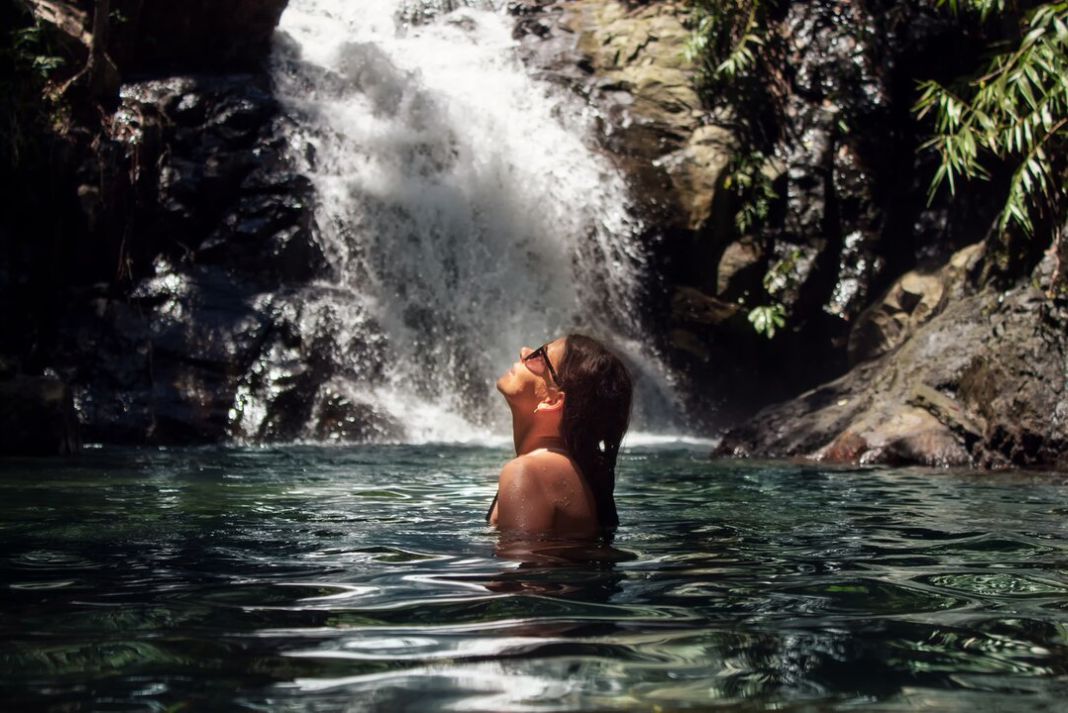
Forest bathing, also known as shinrin-yoku (深林浴), originated in Japan in the 1980s. Unlike hiking or exercising in nature, forest bathing is a mindful, immersive experience of simply being in nature – breathing deeply, walking slowly, and fully absorbing the sights, sounds, and smells of the forest.
It is not about fitness, but healing through nature.
“Forest bathing is like a reset button for your brain and body.” – Dr. Qing Li, Nippon Medical School, Tokyo
🌳 Scientifically Proven Benefits of Forest Bathing
| Benefit | Mechanism | Scientific Source |
|---|---|---|
| 🧠 Reduces Stress | Lowers cortisol, blood pressure | NIH Study |
| 🛌 Improves Sleep | Regulates circadian rhythm | Journal of Environmental Health |
| ❤️ Lowers Blood Pressure | Enhances parasympathetic nervous system | PubMed |
| 😊 Boosts Mood | Increases serotonin, dopamine | Frontiers in Psychology |
| 🧬 Enhances Immunity | Increases natural killer (NK) cells | Dr. Qing Li – Forest Medicine |
| 🧘♀️ Reduces Anxiety | Mindfulness effect + phytoncides | Nature & Health Journal |
| 🧠 Enhances Creativity | Boosts prefrontal cortex activity | PLOS ONE |
🌱 How Forest Bathing Works: The Science Explained
Forest environments emit phytoncides (antimicrobial compounds from trees like pine and cedar). When inhaled:
- 💪 They increase immune cell activity
- 🧘 They trigger parasympathetic nervous system (rest-digest mode)
- 😌 Reduce cortisol and support emotional regulation
“Just 2 hours of forest exposure can boost natural killer cells by 50%” – Dr. Qing Li, Forest Medicine Expert
🌲 How to Start Forest Bathing (Step-by-Step Guide)
Step 1: Choose the Right Spot
- Pick a quiet natural green area (preferably forest, but parks also help)
- Avoid heavily trafficked trails
- Ideal duration: 2 hours, but even 20 minutes helps
Step 2: Disconnect from Tech
- Leave your phone or keep it on airplane mode
- No music or podcasts
Step 3: Walk Slowly and Mindfully
- Walk with no goal or pace
- Focus on each step, the rustle of leaves, and smells
Step 4: Use Your Senses
- 👀 Look at leaf textures
- 👃 Smell tree bark or moss
- 👂 Listen to birds, wind
- ✋ Touch tree bark or sit on soil
Step 5: Sit and Observe
- Find a log or rock
- Breathe deeply (4-7-8 method)
- Let your thoughts drift
Step 6: Reflect
- Journaling post-walk can enhance benefits
- Try gratitude prompts or feelings check-in
🌟 20 Science-Backed Benefits of Forest Bathing (Expanded)
Each includes mechanism, usage, duration, and potential risks where applicable.
- Stress Relief
- ✅ Lowers cortisol, heart rate
- ⏳ 20–60 min per session
- ⚠ None
- Reduced Anxiety
- Boosts GABA, serotonin
- Weekly exposure
- Combine with breathing techniques
- Lower Blood Pressure
- Phytoncides activate parasympathetic nerves
- 2x per week
- Better Sleep Quality
- Circadian rhythm reset via sunlight filtering through trees
- Boosted Immunity
- Increased NK cells, less inflammation
- Benefits last for 7 days after 1 session
- Anti-Depressive Effects
- Nature = natural antidepressant
- Works better than urban walks
- Enhanced Mood and Vitality
- Dopamine and oxytocin boost
- Immediate results seen in 15–20 min
- Improved Focus (ADHD support)
- Nature improves executive function
- Increased Creativity
- 50% improvement in divergent thinking (PLOS)
- Weight Regulation
- Reduces cortisol-driven fat storage
- Improved Respiratory Function
- Clean air + phytoncides = better lung function
- Pain Reduction
- Slower breathing and relaxation = reduced chronic pain perception
- Increased Energy Levels
- Oxygenation + reduced tension = higher vitality
- Improved Heart Health
- Blood vessel dilation, lower BP
- Hormone Balance
- Reduces stress-related hormone imbalance
- Mindfulness Practice
- Accessible way to practice presence
- Reduces Inflammation
- Lowers CRP and inflammatory cytokines
- Eye Health Support
- Natural green light reduces eye strain
- Gut Health Support
- Less stress = better digestion
- Longevity
- Reduced stress and inflammation = slower aging
👨⚕️ Expert Quotes
“Nature therapy like forest bathing is not just calming; it triggers profound biochemical changes.” — Dr. Yoshifumi Miyazaki, Chiba University
“A weekend in the forest increases NK cell activity by 50%, lasting up to a month.” — Dr. Qing Li, Forest Medicine Author (PubMed Link)
🧾 Structured Weekly Forest Bathing Routine
| Day | Duration | Focus |
| Monday | 30 min | Mindful walking |
| Wednesday | 45 min | Breathing & sensory walk |
| Friday | 60 min | Silent forest sit & journaling |
| Weekend | 90 min | Forest + barefoot grounding + meditation |
❓ FAQ: Forest Bathing Simplified
Q1: How long does forest bathing take to show results?
Most people feel calmer within 20 minutes. Immune benefits start after 2+ hours.
Q2: Can I do forest bathing in a city park?
Yes. The more greenery and fewer distractions, the better.
Q3: Is forest bathing the same as hiking?
No. Hiking is goal-oriented. Forest bathing is mindful and slow.
Q4: Can children or elderly people do this?
Absolutely. It’s low-impact and safe for all ages.
Q5: Are there risks involved?
Minimal. Watch for insect bites or allergens. Always stay hydrated.
Q6: How often should I forest bathe?
2–3 times weekly is ideal, but even once weekly can help.
Q7: Can forest bathing help with burnout?
Yes. It improves vagal tone, helping restore nervous system balance.
Q8: Does it work during winter?
Yes. Benefits still apply. Just dress appropriately.
⚠️ Disclaimer
Forest bathing is a supportive natural therapy. It does not replace medical treatment for chronic conditions. Always consult your physician if you have health concerns.
✅ Final Thoughts: Make Nature Your Healer
Forest bathing isn’t a luxury—it’s a return to our roots. Backed by science, accessible to all, and profoundly healing, it’s time to bring shinrin-yoku into your weekly routine.
“You don’t need to do anything in the forest. Just be.”