
Superfoods aren’t just a trend—they’re nutrition powerhouses backed by decades of scientific research. This guide combines dietitian-approved strategies, peer-reviewed research, and a practical, tasty meal plan to help you boost your energy, immunity, metabolism, and overall well-being.
🧠 What Makes a Food a “Superfood”?
Superfoods are nutrient-dense ingredients proven to support multiple systems in the body—immunity, heart health, skin function, gut health, and metabolic efficiency.
✔ Criteria Used in This Guide
High antioxidant value
High fiber or anti-inflammatory phytochemicals
Strong peer-reviewed evidence (PubMed, NCBI, NIH)
Minimal risk
Commonly used in nutritional interventions
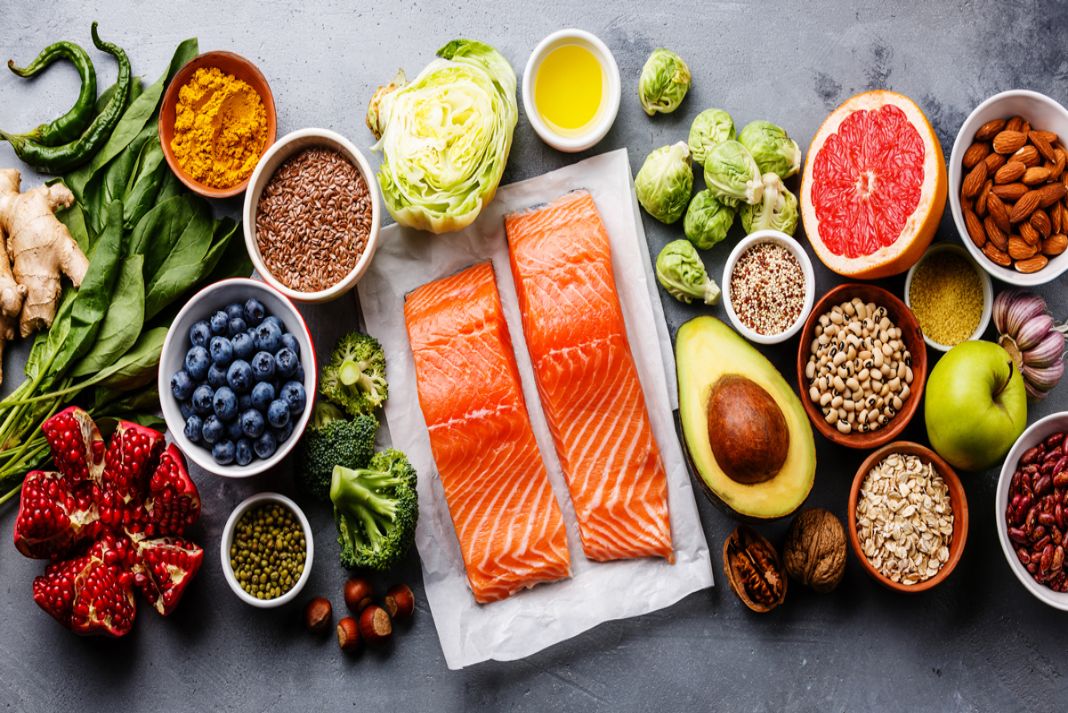
🥕 Top 20 Science-Backed Superfoods & How to Use Them
Each superfood includes mechanism, usage guide, dosage, risks, and scientific citations.
1. 🫐 Blueberries
Mechanism:
Rich in anthocyanins, blueberries reduce oxidative stress and improve insulin sensitivity.
Study: Blueberry anthocyanins improve endothelial function in humans (PubMed: https://pubmed.ncbi.nlm.nih.gov/22297335).
How to Use:
Add ½ cup to yogurt, oats, or smoothies daily.
Risks:
None for general populations.
2. 🥬 Kale
Mechanism:
Loaded with vitamin K, lutein, and antioxidants that promote detoxification via the liver.
Study: Brassica vegetables support detox pathways (PubMed: https://pubmed.ncbi.nlm.nih.gov/18834690).
How to Use:
Steam, sauté, or blend raw in smoothies.
Risks:
Large amounts may interfere with warfarin (blood thinners).
3. 🥑 Avocado
Mechanism:
Monounsaturated fats improve cardiovascular health and reduce LDL cholesterol.
Study: Avocado intake reduces LDL-C (PubMed: https://pubmed.ncbi.nlm.nih.gov/25527680).
Usage:
Eat ½ avocado daily.
Risks:
High caloric density.
4. 🍣 Salmon
Mechanism:
Omega-3s EPA & DHA reduce inflammation and improve brain function.
Study: Omega-3 on inflammation markers (PubMed: https://pubmed.ncbi.nlm.nih.gov/16531187).
Usage:
2–3 servings per week.
Risks:
Mercury concerns—prefer wild-caught.
5. 🍠 Sweet Potatoes
Mechanism:
High in beta-carotene → converted to vitamin A for immune and eye health.
Study: Beta-carotene and immunity (PubMed: https://pubmed.ncbi.nlm.nih.gov/19439274).
Usage:
Roast, bake, mash.
Risks:
None unless diabetic (monitor portion size).
6. 🍊 Citrus Fruits
Mechanism:
Vitamin C boosts collagen synthesis and immunity.
Study: Vit C and immune response (PubMed: https://pubmed.ncbi.nlm.nih.gov/16373990).
Usage:
1 orange or ½ grapefruit daily.
Risks:
Possible acid reflux.
7. 🧄 Garlic
Mechanism:
Allicin improves vascular dilation and reduces inflammation.
Study: Garlic & cardiovascular health (PubMed: https://pubmed.ncbi.nlm.nih.gov/26764380).
Usage:
Crush fresh garlic, let sit 10 min, then cook.
Risks:
May cause heartburn; interacts with blood thinners.
8. 🍵 Green Tea
Mechanism:
EGCG increases metabolism and reduces oxidative stress.
Study: EGCG on metabolism and fat oxidation (PubMed: https://pubmed.ncbi.nlm.nih.gov/19597519).
Usage:
2–3 cups daily.
Risks:
Avoid excess caffeine.
9. 🍅 Tomatoes
Mechanism:
Lycopene supports heart health & reduces cancer risk.
Study: Lycopene antioxidant properties (PubMed: https://pubmed.ncbi.nlm.nih.gov/16410036).
Usage:
Cooked tomatoes increase lycopene bioavailability.
Risks:
None.
10. 🌰 Walnuts
Mechanism:
High ALA omega-3 improves brain function.
Study: Walnuts & cognitive health (PubMed: https://pubmed.ncbi.nlm.nih.gov/28492510).
Usage:
1 handful/day.
11. 🌾 Oats
Mechanism:
Beta-glucan improves gut microbiota & lowers cholesterol.
Study: Beta-glucan & lipid reduction (PubMed: https://pubmed.ncbi.nlm.nih.gov/26184267).
Usage:
½–1 cup cooked oats daily.
12. 🌶 Turmeric (Curcumin)
Mechanism:
Anti-inflammatory properties via NF-kB pathway inhibition.
Study: Curcumin reduces inflammation (PubMed: https://pubmed.ncbi.nlm.nih.gov/17569205).
Usage:
1 tsp/day with black pepper for absorption.
Risks:
May irritate GI tract.
13. 🍫 Dark Chocolate (70%+)
Mechanism:
Flavanols improve blood flow, mood & cognition.
Study: Cocoa flavanols & vascular health (PubMed: https://pubmed.ncbi.nlm.nih.gov/23446993).
Usage:
1–2 squares daily.
14. 🍎 Apples
Mechanism:
Pectin fiber improves gut health.
Study: Apple fiber & microbiome changes (PubMed: https://pubmed.ncbi.nlm.nih.gov/25090308).
Usage:
1 apple/day.
15. 🫘 Lentils
Mechanism:
High protein + fiber = stable glucose levels.
Study: Lentils improve insulin response (PubMed: https://pubmed.ncbi.nlm.nih.gov/30067916).
Usage:
1 cup cooked serving.
16. 🥥 Greek Yogurt / Probiotics
Mechanism:
Supports gut health and reduces inflammation.
Study: Probiotics reduce inflammation & improve digestion (PubMed: https://pubmed.ncbi.nlm.nih.gov/24912386).
Usage:
One serving daily.
17. 🍓 Strawberries
Mechanism:
Vitamin C + polyphenols reduce oxidative stress.
Study: Strawberry antioxidants (PubMed: https://pubmed.ncbi.nlm.nih.gov/23122109).
18. 🫘 Chickpeas
Mechanism:
High fiber → lowers cholesterol & improves satiety.
Study: Chickpea consumption & cardiometabolic factors (PubMed: https://pubmed.ncbi.nlm.nih.gov/26469241).
19. 🫒 Olive Oil
Mechanism:
Oleic acid improves cardiovascular health.
Study: Mediterranean diet benefits (PubMed: https://pubmed.ncbi.nlm.nih.gov/28419559).
20. 🍄 Mushrooms
Mechanism:
β-glucans support immune modulation.
Study: Mushroom immunity effects (PubMed: https://pubmed.ncbi.nlm.nih.gov/25203838).
🗓 Your 7-Day Superfood Meal Plan
🟦 Summary Table (Quick View)
| Day | Breakfast | Lunch | Dinner | Snack |
|---|---|---|---|---|
| Mon | Oats + Blueberries | Salmon Bowl | Lentil Soup | Walnuts |
| Tue | Greek Yogurt | Chickpea Salad | Turmeric Chicken | Dark Chocolate |
| Wed | Kale Smoothie | Apple + Avocado Wrap | Sweet Potato Salmon | Green Tea |
| Thu | Chia Pudding | Tomato Soup | Mushroom Stir Fry | Orange |
| Fri | Scrambled Eggs + Spinach | Quinoa Bowl | Garlic Shrimp | Strawberries |
| Sat | Smoothie Bowl | Probiotic Yogurt | Baked Chickpeas | Almonds |
| Sun | Green Tea Oatmeal | Sweet Potato Bowl | Kale Pesto Pasta | Grapefruit |
🧑⚕️ Expert Quotes
“Probiotic-rich foods significantly improve gut barrier function and reduce systemic inflammation.”
— Dr. Maria Marco, University of California
Source: https://pubmed.ncbi.nlm.nih.gov/24912386
“Omega-3 fatty acids from fish like salmon reduce inflammatory markers by up to 30%.”
— Dr. Philip Calder, University of Southampton
Source: https://pubmed.ncbi.nlm.nih.gov/16531187
“Polyphenols found in berries can improve insulin sensitivity in adults.”
— Dr. Barbara Shukitt-Hale, USDA Human Nutrition Center
Source: https://pubmed.ncbi.nlm.nih.gov/22297335
❓ Frequently Asked Questions
1. How long before I notice results eating superfoods?
Most people feel improved energy within 7–10 days and see biomarkers change within 4–12 weeks.
2. Are superfoods better than supplements?
Food sources are typically better absorbed and carry fewer risks.
3. Can I follow this meal plan if I’m vegan?
Yes—swap salmon for tofu, yogurt for coconut yogurt, etc.
4. Can I lose weight eating superfoods?
Yes—high-fiber, antioxidant-rich foods promote fat oxidation and fullness.
5. Who should avoid turmeric?
People with gallbladder issues or gastric irritation.
6. Do superfoods boost immunity?
Yes—many contain vitamins A, C, D, zinc, flavonoids, and beta-glucans.
⚠️ Disclaimer
This guide is informational and not a substitute for professional medical advice.