

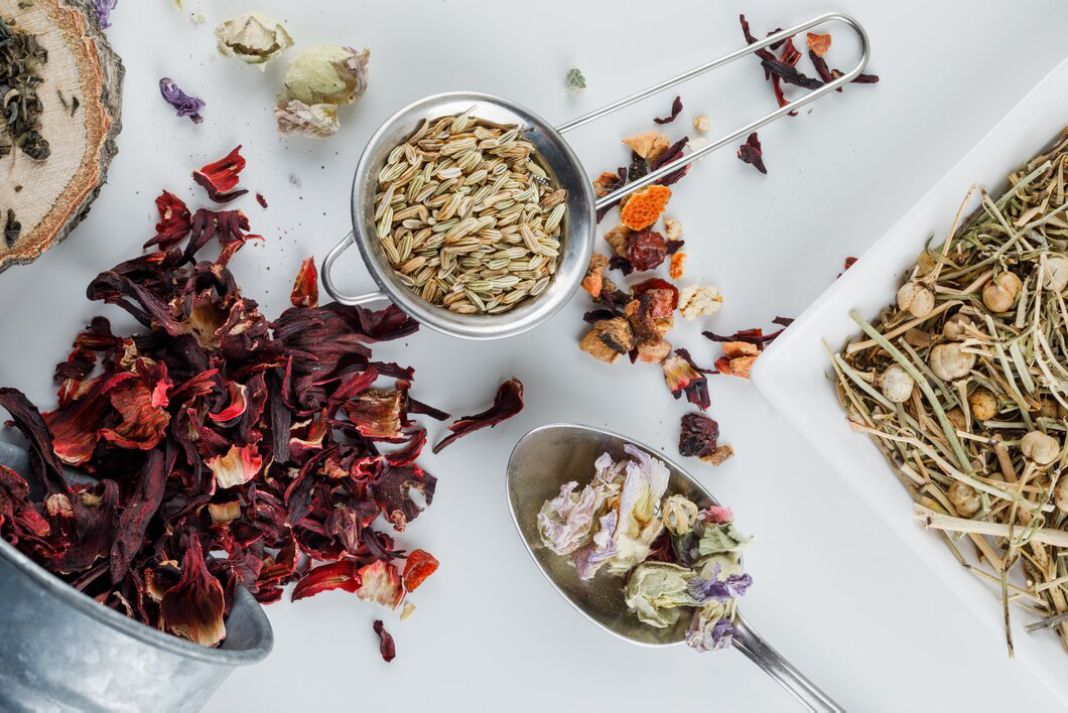
In today’s fast-paced world, women often juggle multiple roles, leading to increased stress and hormonal imbalances. Herbal adaptogens, natural substances that help the body adapt to stress and restore balance, have garnered attention for their potential benefits in women’s health. This guide delves into the top 20 scientifically-backed adaptogens, offering insights into their mechanisms, usage, potential risks, and expert opinions.
🌱 What Are Adaptogens?
Adaptogens are natural substances, often derived from herbs and roots, that help the body resist physical, chemical, or biological stressors. They work by modulating the hypothalamic-pituitary-adrenal (HPA) axis and the sympathoadrenal system, thereby stabilizing physiological processes and promoting homeostasis. For women, adaptogens can be particularly beneficial in managing hormonal fluctuations, enhancing energy, and improving overall well-being.
🌸 Top 20 Science-Backed Adaptogens for Women’s Health
1. Ashwagandha (Withania somnifera)
Mechanism: Modulates cortisol levels, reducing stress and anxiety. Supports thyroid function and enhances reproductive health.
Usage: 300–600 mg daily, standardized extract.
Risks: May cause drowsiness; consult a healthcare provider if pregnant.
2. Rhodiola Rosea
Mechanism: Enhances mental performance and reduces fatigue by influencing serotonin and dopamine levels.
Usage: 200–400 mg daily, standardized to 3% rosavins and 1% salidroside.
Risks: May cause dizziness; not recommended for individuals with bipolar disorder.
3. Maca Root (Lepidium meyenii)
Mechanism: Balances estrogen and progesterone levels, improving fertility and libido.
Usage: 1.5–3 grams daily, in powder or capsule form.
Risks: Generally safe; monitor thyroid function in individuals with thyroid disorders.
4. Schisandra Chinensis
Mechanism: Supports liver function and enhances skin health through antioxidant properties.
Usage: 500–1,000 mg daily, standardized extract.
Risks: May cause gastrointestinal discomfort; consult a healthcare provider if pregnant.
5. Holy Basil (Ocimum sanctum)
Mechanism: Reduces stress and supports immune function by modulating cortisol levels.
Usage: 300–600 mg daily, in capsule or tea form.
Risks: May lower blood sugar; use cautiously in individuals with hypoglycemia.
6. Eleuthero (Eleutherococcus senticosus)
Mechanism: Enhances physical endurance and immune function by supporting adrenal health.
Usage: 300–400 mg daily, standardized extract.
Risks: May cause insomnia if taken late in the day.
7. Shatavari (Asparagus racemosus)
Mechanism: Supports reproductive health by balancing estrogen levels and enhancing fertility.
Usage: 500–1,000 mg daily, in powder or capsule form.
Risks: Generally safe; consult a healthcare provider if pregnant.
8. Licorice Root (Glycyrrhiza glabra)
Mechanism: Supports adrenal function and balances hormones by modulating cortisol metabolism.
Usage: 200–400 mg daily, deglycyrrhizinated form recommended.
Risks: May increase blood pressure; not recommended for individuals with hypertension.
9. Reishi Mushroom (Ganoderma lucidum)
Mechanism: Enhances immune function and reduces inflammation through beta-glucan content.
Usage: 1,000–1,500 mg daily, in capsule or tea form.
Risks: May cause digestive upset; consult a healthcare provider if pregnant.
10. Cordyceps (Cordyceps sinensis)
Mechanism: Improves energy and stamina by enhancing ATP production.
Usage: 1,000–3,000 mg daily, standardized extract.
Risks: Generally safe; monitor for gastrointestinal discomfort.
11. Astragalus Root (Astragalus membranaceus)
Mechanism: Supports immune function and reduces inflammation by modulating cytokine production.
Usage: 500–1,000 mg daily, in capsule or tea form.
Risks: May interact with immunosuppressive drugs; consult a healthcare provider.
12. Ginseng (Panax ginseng)
Mechanism: Enhances cognitive function and reduces fatigue by modulating neurotransmitter activity.
Usage: 200–400 mg daily, standardized extract.
Risks: May cause insomnia; not recommended for individuals with hypertension.
13. Bacopa Monnieri
Mechanism: Improves memory and cognitive function by enhancing synaptic communication.
Usage: 300–500 mg daily, standardized to 50% bacosides.
Risks: May cause gastrointestinal discomfort; consult a healthcare provider if pregnant.
14. Gotu Kola (Centella asiatica)
Mechanism: Supports skin health and wound healing by promoting collagen synthesis.
Usage: 500–1,000 mg daily, in capsule or tea form.
Risks: May cause drowsiness; use cautiously when operating machinery.
15. Suma Root (Pfaffia paniculata)
Mechanism: Enhances energy and libido by modulating hormonal balance.
Usage: 500–1,000 mg daily, in capsule or powder form.
Risks: Generally safe; monitor for allergic reactions.
16. Moringa (Moringa oleifera)
Mechanism: Provides antioxidant support and balances blood sugar levels.
Usage: 500–1,000 mg daily, in capsule or powder form.
Risks: May lower blood pressure; use cautiously in individuals with hypotension.
17. Turmeric (Curcuma longa)
Mechanism: Reduces inflammation and supports joint health through curcumin content.
Usage: 500–1,000 mg daily, with black pepper for enhanced absorption.
Risks: May cause gastrointestinal discomfort; consult a healthcare provider if pregnant.
18. Fenugreek (Trigonella foenum-graecum)
Mechanism: Supports lactation and balances blood sugar levels.
Usage: 500–1,000 mg daily, in capsule or tea form.
Risks: May cause body odor; monitor for allergic reactions.
19. Dong Quai (Angelica sinensis)
Mechanism: Balances estrogen levels and supports menstrual health.
Usage: 500–1,000 mg daily, in capsule or tea form.
Risks: May increase sensitivity to sunlight; use sunscreen when outdoors.
20. Chasteberry (Vitex agnus-castus)
Mechanism: Regulates prolactin levels, supporting menstrual cycle regularity.
Usage: 400–500 mg daily, standardized extract.
Risks: May cause gastrointestinal discomfort; consult a healthcare provider if pregnant.
👩⚕️ Expert Quotes on Adaptogens for Women
🧠 “Adaptogens have the potential to regulate the HPA axis and restore neuroendocrine balance, which is often disrupted in women with hormonal issues.”
— Dr. Aviva Romm, MD, Women’s Integrative Health Expert
🔗 Source – avivaromm.com
🧬 “Ashwagandha and Rhodiola are among the best-researched adaptogens, particularly effective for managing cortisol and improving mood and energy.”
— Dr. Josh Axe, DNM, DC, CNS
🔗 Source – draxe.com
🌺 “Shatavari is invaluable for female reproductive health – from balancing estrogen to improving lactation.”
— Dr. Marianne Teitelbaum, Ayurvedic Physician
🔗 Source – ncbi.nlm.nih.gov
🕒 Structured Routine to Use Adaptogens Safely
Creating a daily plan can improve consistency and results. Here’s a sample structured routine:
| 🕘 Time | What to Take | Purpose |
|---|---|---|
| 🌅 Morning | Rhodiola (200 mg), Maca (1 tsp in smoothie) | Boost energy, reduce stress |
| ☕ Mid-morning | Holy Basil tea | Calm the mind, support immunity |
| 🥗 Lunch | Turmeric capsule with food | Anti-inflammatory, hormonal balance |
| 🍵 Afternoon | Shatavari (500 mg) with warm water | Reproductive and hormonal support |
| 🌙 Evening | Ashwagandha (300 mg), Reishi (500 mg) | Stress relief, sleep aid |
⛔ Avoid taking stimulant adaptogens like ginseng or Rhodiola after 4 PM.
⚠️ Risks, Interactions & Who Should Avoid Adaptogens
🚫 Pregnancy & Breastfeeding: Avoid adaptogens unless prescribed by your doctor.
💊 Medication Interactions: Many adaptogens interact with blood pressure meds, antidepressants, and blood thinners.
🧪 Autoimmune Conditions: Avoid immune-stimulants like Astragalus without medical advice.
⛔ High Blood Pressure: Be cautious with licorice and ginseng.
Always consult your healthcare provider before beginning a new herbal routine.
❓ FAQ – Herbal Adaptogens for Women’s Health
1. 🕒 How long does it take for adaptogens to work?
⏳ Most adaptogens take 2–6 weeks to show noticeable effects, depending on the herb and your body.
2. 🌿 Are adaptogens safe for daily use?
✅ Yes, when used in recommended doses. Some (like Ashwagandha or Maca) can be used long-term, while others (like Ginseng) may require cycling.
3. 🚺 Can adaptogens help with PMS and menopause?
Absolutely! Adaptogens like Chasteberry and Shatavari are known to support estrogen balance and reduce PMS, cramps, and hot flashes.
4. 😴 Do adaptogens improve sleep?
Yes, calming adaptogens like Reishi, Ashwagandha, and Holy Basil support better sleep by reducing cortisol levels.
5. 💊 Can I take adaptogens with prescription medication?
It depends on the herb. Always consult a healthcare provider due to potential interactions.
6. 💡 Are natural adaptogens better than synthetic medications?
They support the body differently—adaptogens work gradually, supporting long-term balance without dependence.
7. 🤰 Are adaptogens safe during pregnancy?
Some are contraindicated (e.g., Rhodiola, Ginseng). Always consult your OB-GYN.
8. 🧴 Can adaptogens be used topically (e.g., for skin)?
Yes! Schisandra and Gotu Kola are often used in skin creams to improve elasticity and tone.
9. 🏃♀️ Can adaptogens boost workout performance?
Yes, Cordyceps and Eleuthero are used by athletes to boost stamina and recovery.
10. 🧪 How do I know if an adaptogen is working?
You may notice reduced fatigue, better sleep, improved mood, or hormonal regularity within a few weeks.
✅ Final Takeaways
🔹 Adaptogens offer natural support for energy, stress, hormone balance, immunity, and cognitive clarity.
🔹 Women at different life stages—from puberty to menopause—can benefit from tailored adaptogenic routines.
🔹 Personalization is key: Not all adaptogens work for everyone. Start low, monitor your body’s response, and adjust.
🔹 Use high-quality, standardized extracts and buy from reputable sources (organic-certified, third-party tested).
🧾 Disclaimer
This content is for educational purposes only and does not replace professional medical advice. Always consult a qualified healthcare provider before starting any new supplement, especially if pregnant, nursing, or on medication.