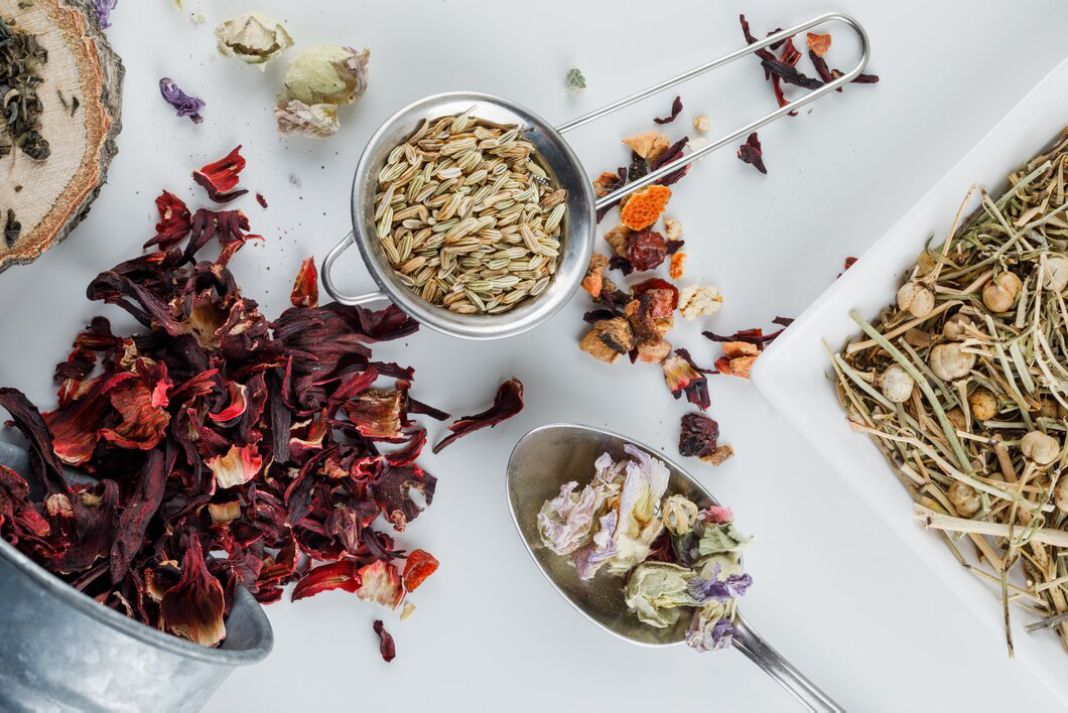


In today’s digital age, prolonged screen time and environmental factors contribute significantly to eye strain and puffiness. Herbal eye compresses offer a natural, effective, and accessible solution to alleviate these issues. This guide delves into scientifically-backed herbal remedies, their mechanisms, usage instructions, potential risks, and expert opinions to provide a holistic approach to eye care.
Understanding Eye Strain and Puffiness
Eye Strain: Often resulting from extended screen exposure, inadequate lighting, or prolonged focus, symptoms include dryness, blurred vision, and headaches.
Puffiness: Caused by factors like lack of sleep, allergies, or fluid retention, leading to swollen or baggy under-eye areas.
Benefits of Herbal Eye Compresses
Natural Relief: Utilize plant-based compounds to soothe and rejuvenate the eyes.
Anti-inflammatory Properties: Reduce swelling and redness.
Improved Circulation: Enhance blood flow, reducing dark circles.
Hydration: Moisturize the delicate under-eye skin.
Top 20 Herbal Remedies
1. Chamomile Tea Compress
Mechanism: Contains anti-inflammatory and antioxidant properties.
Usage: Steep chamomile tea bags, cool them, and place over closed eyes for 10-15 minutes.
Risks: Possible allergic reactions in individuals sensitive to ragweed.
2. Green Tea Compress
Mechanism: Rich in tannins and antioxidants; reduces inflammation.
Usage: Similar to chamomile; ensure tea bags are cooled before application.
Risks: Minimal; ensure cleanliness to avoid contamination.
3. Cucumber Slices
Mechanism: High water content and vitamin C; hydrates and soothes.
Usage: Place chilled slices over eyes for 10 minutes.
Risks: None reported.
4. Rose Water
Mechanism: Anti-inflammatory and antioxidant properties.
Usage: Soak cotton pads in rose water, place over eyes for 10-15 minutes.
Risks: Ensure purity to avoid irritation.
5. Aloe Vera Gel
Mechanism: Contains aloin and other compounds that reduce inflammation.
Usage: Apply a thin layer of pure aloe vera gel around the eyes; leave for 10 minutes.
Risks: Conduct a patch test to rule out allergies.
6. Witch Hazel
Mechanism: Tannins reduce inflammation and tighten skin.
Usage: Dab diluted witch hazel on under-eye area using a cotton ball.
Risks: May cause dryness; use sparingly.
7. Lavender Essential Oil
Mechanism: Calming properties reduce stress-induced eye strain.
Usage: Add a drop to a warm compress; apply over eyes for 10 minutes.
Risks: Avoid direct contact with eyes; always dilute.
8. Calendula Tea Compress
Mechanism: Anti-inflammatory and healing properties.
Usage: Steep calendula tea, cool, and apply using cotton pads.
Risks: Rare allergic reactions.
9. Fennel Tea Compress
Mechanism: Reduces inflammation and soothes irritation.
Usage: Similar to other tea compresses; ensure it’s cooled.
Risks: None reported.
10. Cold Milk Compress
Mechanism: Lactic acid soothes and hydrates skin.
Usage: Soak cotton pads in cold milk; place over eyes for 10 minutes.
Risks: Ensure no lactose intolerance-related skin reactions.
11. Turmeric Paste
Mechanism: Curcumin reduces inflammation.
Usage: Mix turmeric with water to form a paste; apply carefully around eyes.
Risks: Can stain skin; avoid contact with eyes.
12. Potato Slices
Mechanism: Enzymes reduce puffiness and lighten dark circles.
Usage: Place thin potato slices over eyes for 10-15 minutes.
Risks: None reported.
13. Coriander Seed Tea Compress
Mechanism: Anti-inflammatory properties soothe eyes.
Usage: Boil seeds, cool the infusion, and apply using cotton pads.
Risks: Ensure no allergic reactions.
14. Mint Leaves
Mechanism: Cooling effect reduces puffiness.
Usage: Crush leaves, apply paste around eyes; leave for 10 minutes.
Risks: Avoid direct contact with eyes.
15. Cold Spoon Therapy
Mechanism: Cold constricts blood vessels, reducing puffiness.
Usage: Chill spoons and place over eyes for a few minutes.
Risks: Ensure spoons are clean to prevent infections.
16. Strawberry Slices
Mechanism: Alpha-hydroxy acids reduce puffiness.
Usage: Place chilled slices over eyes for 10 minutes.
Risks: Possible allergic reactions; conduct a patch test.
17. Coconut Oil
Mechanism: Moisturizes and reduces inflammation.
Usage: Apply a small amount under eyes before bedtime.
Risks: Ensure purity to avoid clogging pores.
18. Castor Oil
Mechanism: Contains ricinoleic acid; reduces inflammation.
Usage: Apply a drop under each eye; massage gently.
Risks: Use only pure, cold-pressed oil; avoid eye contact.
19. Cold Green Tea Bags
Mechanism: Caffeine constricts blood vessels; reduces dark circles.
Usage: Place cooled tea bags over eyes for 10-15 minutes.
Risks: Ensure cleanliness to prevent infections.
20. Chilled Aloe Vera Cubes
Mechanism: Combines cooling effect with aloe’s soothing properties.
Usage: Freeze aloe vera gel in ice cube trays; wrap in cloth and apply.
Risks: Avoid direct contact with eyes.
Expert Insights
Dr. Mona Gohara, Board-Certified Dermatologist:
“Eye massagers and herbal compresses can effectively reduce puffiness by encouraging lymphatic drainage and boosting circulation.”
Source
Dr. Karan Lal, Board-Certified Dermatologist:
“Combining a warm compress with an eyelid massage can improve dry eyes. Warm compresses help with circulation, reduce inflammation, and clear up clogged eyelids.”
Source
FAQs
Q1: How long does it take for herbal remedies to show results?
A1: While some individuals may notice immediate relief, consistent application over a week is recommended for noticeable improvements.
Q2: Are natural treatments as effective as prescription medications?
A2: For mild symptoms, natural remedies can be effective. However, persistent or severe issues should be addressed with medical treatments.
Q3: Can I use multiple remedies simultaneously?
A3: It’s advisable to try one remedy at a time to monitor its effectiveness and any potential reactions.
Q4: Are there any side effects to using herbal compresses?
A4: While generally safe, some individuals may experience allergic reactions. Conduct a patch test before full application.
Q5: How often should I apply these remedies?
A5: Once or twice daily is sufficient. Overuse may lead to skin irritation.
Q6: Can I store prepared compresses for future use?
A6: It’s best to prepare fresh compresses to ensure efficacy and prevent contamination.
Conclusion
Herbal eye compresses offer a natural, cost-effective, and accessible solution to alleviate eye strain and puffiness. By understanding the mechanisms, proper usage, and potential risks, individuals can incorporate these remedies into their daily routines for improved eye health. Always consult with a healthcare professional if symptoms persist or worsen.
Disclaimer: This guide is for informational purposes only and does not substitute professional medical advice. Always consult with a healthcare provider for personalized recommendations.