
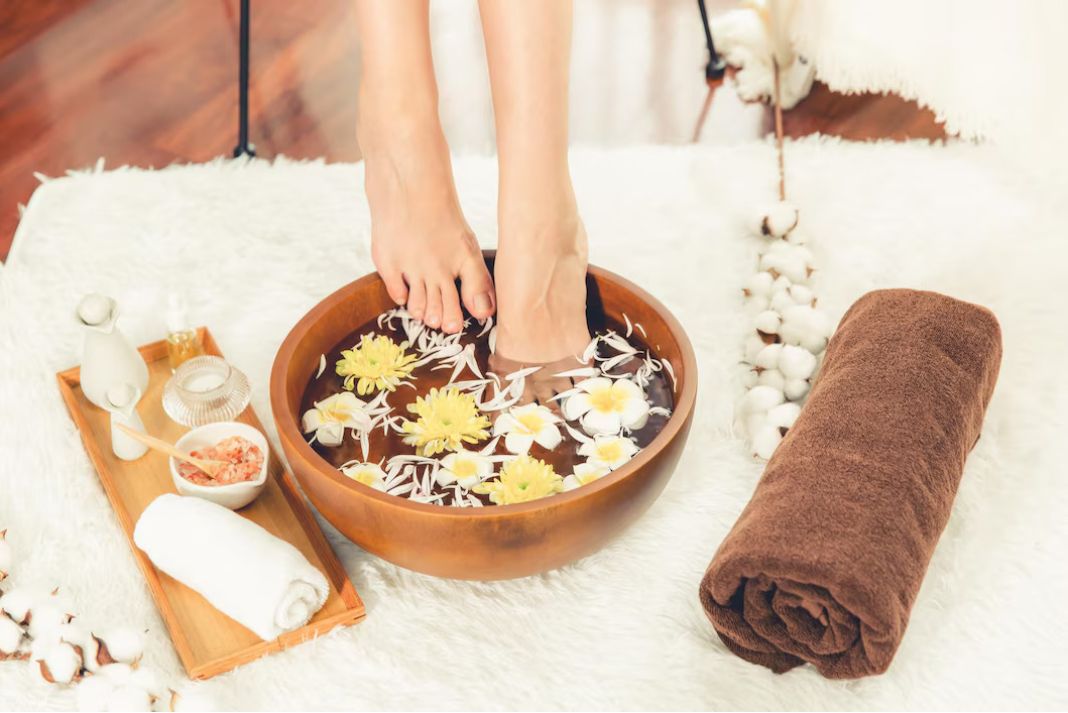
In today’s fast-paced world, achieving restful sleep and relaxation can be challenging. Herbal foot soaks, a time-honored remedy, offer a natural solution to unwind and promote better sleep. This comprehensive guide delves into the science behind foot soaks, explores 20 effective herbal remedies, provides expert insights, and offers a structured routine to help you incorporate this practice into your wellness regimen.
🧪 The Science Behind Foot Soaks
🌡️ Thermoregulation and Sleep
Soaking your feet in warm water aids in thermoregulation, signaling your body that it’s time to sleep. A systematic review published in BMC Geriatrics found that foot baths before bedtime improved sleep quality in elderly participants.
🧠 Neurological Benefits
Foot soaks stimulate nerve endings and acupuncture points, promoting relaxation and reducing stress. This practice aligns with Traditional Chinese Medicine principles, emphasizing the connection between foot health and overall well-being.
🌿 Top 20 Herbal Foot Soak Remedies
Each remedy below includes its mechanism, usage instructions, potential risks, and scientific backing.
1. Epsom Salt (Magnesium Sulfate) 🧂
Mechanism: Believed to aid in muscle relaxation and reduce inflammation.
Usage: Dissolve 1 cup in warm water and soak feet for 20 minutes.
Risks: Avoid if you have open wounds or skin infections.
Source: Medical News Today
2. Lavender 🌸
Mechanism: Known for its calming properties, lavender can reduce anxiety and promote sleep.
Usage: Add 5-10 drops of lavender essential oil to warm water.
Risks: May cause skin irritation in sensitive individuals.
Source: Medical News Today
3. Chamomile 🌼
Mechanism: Chamomile possesses anti-inflammatory and sedative effects.
Usage: Steep chamomile tea bags in hot water, then add to foot soak.
Risks: Possible allergic reactions for those allergic to ragweed.
Source: Golden Poppy
4. Ginger 🌿
Mechanism: Ginger can improve circulation and has warming properties.
Usage: Add freshly grated ginger to warm water.
Risks: May cause skin irritation; test before full use.
Source: Healthline
5. Peppermint 🍃
Mechanism: Provides a cooling sensation and can relieve foot pain.
Usage: Add a few drops of peppermint oil to the soak.
Risks: Can be irritating to sensitive skin.
Source: Healthline
6. Apple Cider Vinegar 🍎
Mechanism: Balances skin pH and has antimicrobial properties.
Usage: Mix equal parts of vinegar and water.
Risks: Avoid if you have open sores.
Source: Medical News Today
7. Baking Soda 🧁
Mechanism: Acts as a natural exfoliant and neutralizes odors.
Usage: Add 3 tablespoons to warm water.
Risks: May cause dryness; moisturize after use.
Source: Medical News Today
8. Tea Tree Oil 🌿
Mechanism: Antifungal and antibacterial properties.
Usage: Add a few drops to the soak.
Risks: Can cause allergic reactions; perform a patch test.
Source: Medical News Today
9. Rosemary 🌿
Mechanism: Stimulates circulation and has analgesic properties.
Usage: Add fresh rosemary sprigs or essential oil to water.
Risks: Generally safe; consult if pregnant.
Source: Medical News Today
10. Lemon 🍋
Mechanism: Natural astringent; helps in exfoliation.
Usage: Add lemon slices or juice to the soak.
Risks: Can make skin photosensitive; avoid sun exposure after use.
Source: Medical News Today
11. Cinnamon 🌰
Mechanism: Antimicrobial properties and improves blood flow.
Usage: Add cinnamon sticks to boiling water, let cool, then soak.
Risks: May cause skin irritation; test before use.
Source: Medical News Today
12. Turmeric 🌿
Mechanism: Anti-inflammatory and antioxidant properties.
Usage: Add turmeric powder to warm water.
Risks: Can stain skin; use with caution.
Source: Medical News Today
13. Mustard Seeds 🌱
Mechanism: Stimulates sweat glands and improves circulation.
Usage: Crush seeds and add to warm water.
Risks: May cause skin irritation; patch test recommended.
Source: Medical News Today
14. Sage 🌿
Mechanism: Antibacterial and antifungal properties.
Usage: Add dried sage leaves to boiling water, let cool, then soak.
Risks: Avoid if pregnant or breastfeeding.
Source: Medical News Today
15. Calendula 🌼
Mechanism: Soothes skin and promotes healing.
Usage: Add calendula petals to warm water.
Risks: Generally safe; consult if allergic to plants in the Asteraceae family.
Source: Medical News Today
16. Eucalyptus 🌿
Mechanism: Relieves pain and has antimicrobial properties.
Usage: Add a few drops of eucalyptus oil to the soak.
Risks: Can be toxic if ingested; external use only.
Source: Healthline
17. Basil 🌿
Mechanism: Anti-inflammatory and antibacterial properties.
Usage: Add fresh basil leaves to boiling water, let cool, then soak.
Risks: Generally safe; consult if pregnant.
Source: Medical News Today
18. Thyme 🌿
Mechanism: Antifungal and antibacterial properties.
Usage: Add dried thyme to boiling water, let cool, then soak.
Risks: May cause skin irritation; patch test recommended.
Source: Medical News Today
19. Rose Petals 🌹
Mechanism: Contains antioxidants and has a calming aroma.
Usage: Add fresh or dried rose petals to warm water.
Risks: Generally safe; ensure petals are pesticide-free.
Source: Golden Poppy
20. Bacopa Monnieri (Brahmi) 🌿
Mechanism: Exhibits antibacterial and antifungal properties.
Usage: Add dried Bacopa leaves to boiling water, let cool, then soak.
Risks: Limited research on topical use; consult healthcare provider.
Source: arXiv
🗓️ Structured Weekly Routine for Herbal Foot Soaks
To maximize the benefits of herbal foot soaks, follow this structured weekly routine:
| Day | Herbal Ingredient(s) | Purpose |
|---|---|---|
| Monday | Epsom Salt + Lavender | Muscle relaxation and stress relief |
| Tuesday | Chamomile + Rose Petals | Calming and skin soothing |
| Wednesday | Ginger + Lemon | Circulation boost and detoxification |
| Thursday | Peppermint + Tea Tree Oil | Refreshing and antifungal |
| Friday | Rosemary + Sage | Anti-inflammatory and relaxation |
| Saturday | Calendula + Basil | Skin healing and antibacterial |
| Sunday | Turmeric + Mustard Seeds | Anti-inflammatory and circulation boost |
Instructions:
Preparation:
Fill a basin with warm water (37–40°C).
Add the specified herbal ingredients.
Stir gently to mix.
Soaking:
Soak feet for 15–30 minutes.
Use this time to relax, meditate, or listen to calming music.
Post-Soak Care:
Dry feet thoroughly.
Apply a moisturizer to lock in hydration.
Wear cotton socks to retain warmth and moisture.
🧠 Expert Insights
Dr. Todorov, Cleveland Clinic: “There’s no denying that a foot bath can bring calm and leave you feeling more relaxed.”
Dr. Meredith Warner, Orthopedic Surgeon: “Taking a bath at night may help you fall asleep and stay asleep, increasing your overall sleep quality.”
Theresa Schnorbach, Sleep Expert at Emma: “A warm foot bath is one way to help in reducing your core temperature by encouraging your blood vessels to dilate, thus losing excessive body heat.”
❓ FAQs – Herbal Foot Soaks
1. 🕰️ How long should you soak your feet?
15–30 minutes is ideal. Over-soaking can dry your skin.
2. 🌙 Can foot soaks help with insomnia?
Yes. Warm water soaks, especially with herbs like lavender or chamomile, promote melatonin release and deeper sleep.
3. 👣 Are foot soaks safe for diabetic individuals?
Consult your doctor. Diabetics should avoid hot water or any soak if there are foot ulcers or loss of sensation.
4. 🌱 Do natural foot soaks really work?
Yes, many ingredients are backed by science for their anti-inflammatory, calming, or antimicrobial effects.
5. 💧 How often can I use a herbal foot soak?
2–3 times a week is safe. Daily use is fine for short periods with gentle ingredients.
6. 🧴 Should I moisturize after a foot soak?
Absolutely. Follow up with a natural moisturizer or foot balm.
7. 🧽 Can I reuse the same soak water?
No. Discard used water to prevent bacteria or fungal contamination.
8. ⚖️ What if I’m allergic to essential oils?
Use dried herbs or herbal teas instead — they are gentler and often safer.
9. 🚿 Do foot soaks replace full body baths?
No, but they complement your wellness routine by targeting relaxation and detox through reflex zones.
10. 🧂 Is Epsom salt the same as table salt?
No. Epsom salt is magnesium sulfate — it relaxes muscles and soothes skin. Table salt (sodium chloride) lacks these benefits.
⚠️ Disclaimer
This content is for informational purposes only and not a substitute for professional medical advice. Consult a qualified healthcare provider before beginning any herbal or alternative therapy — especially if you are pregnant, have a medical condition, or are on medications.