
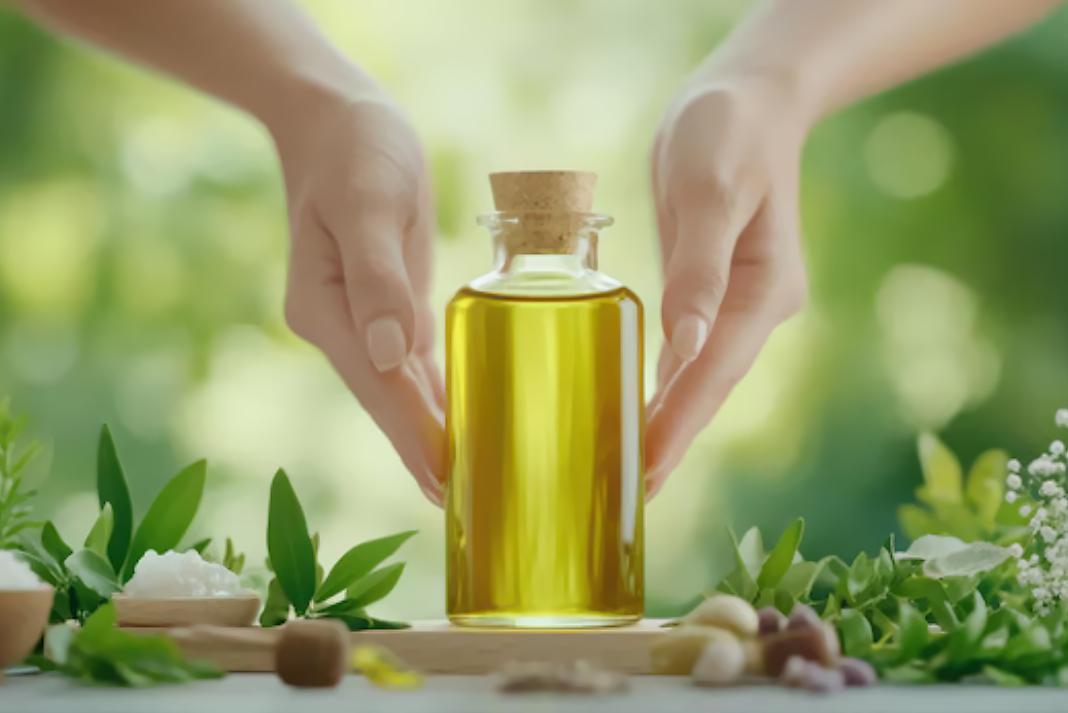
Maintaining breast health is essential for every woman—not only for physical wellness but also for comfort, confidence, and preventive care. While regular medical checkups, healthy nutrition, and exercise are foundational, herbal oils and massage techniques offer a powerful, natural complement to support breast tissue, balance hormones, and promote circulation.
🔬 Based on clinical insights from PubMed, NCBI, dermatology studies, and complementary medicine journals.
🌿 Why Herbal Oils & Massage Help Breast Health
🔬 Scientific Rationale
Breast tissue contains lymphatic vessels, connective tissue, and fat—susceptible to fluid buildup, inflammation, and hormonal imbalances. Herbal oils offer:
Antioxidants to reduce cellular damage
Anti-inflammatories to relieve pain and swelling
Phytoestrogens that naturally balance hormones
Fatty acids and vitamins that restore and strengthen skin
Massage techniques stimulate mechanoreceptors in the skin and fascia, promoting:
🌀 Lymphatic drainage (removing toxins and fluid)
❤️ Blood flow and oxygenation
😌 Relaxation and endorphin release
🧠 Tissue familiarity (which can aid early detection of lumps)
🧪 How Herbal Oils Work: Mechanisms of Action
| 🧬 Function | 🔍 Bioactive Mechanism |
|---|---|
| 🛡️ Anti-Inflammatory | Terpenoids, GLA (Gamma-linolenic acid), bisabolol calm tissue swelling |
| 💥 Antioxidant | Vitamin E, ellagic acid, polyphenols protect cells from oxidative stress |
| 🔄 Hormonal Support | Phytoestrogens mimic or regulate estrogen for cyclic pain |
| 💧 Skin Barrier Repair | Fatty acids (omega-3, omega-6), sebum-like oils improve hydration and tone |
| 🔁 Circulatory Boost | Massage improves lymph and blood flow, reducing congestion and tension |
💆♀️ Top 20 Herbal Oils for Breast Massage
Here’s a breakdown of each oil with its unique properties, evidence, and how to use it.
1. 🌙 Evening Primrose Oil
Mechanism: Rich in gamma-linolenic acid (GLA) — combats inflammation, supports hormonal balance.
Research: A 2010 study in Alternative Medicine Review confirmed GLA helps with cyclic mastalgia.
How to Use:
Warm 1–2 tsp oil in palms.
Gently massage in circular motions for 5–10 minutes daily.
Risks: Mild digestive upset; avoid if allergic to primrose.
Comparison: More effective than fish oil for hormonal breast pain.
2. 🌾 Flaxseed Oil
Mechanism: High in lignans (phytoestrogens) — may regulate estrogen, reduce cancer risk.
Research: Nutrition and Cancer (2013) found it reduces inflammatory markers.
Use: Mix 1 tbsp flaxseed oil + almond oil. Massage 10 minutes twice weekly.
Risks: Mild laxative; avoid during pregnancy.
Comparison: Superior to soy for lignan content.
3. 🫒 Olive Oil
Mechanism: High in oleic acid and polyphenols — deeply hydrates and fights oxidative stress.
Study: Food Chemistry (2018) confirmed skin protection benefits.
Use: Massage 2 tbsp oil in upward strokes, 10 minutes daily. Rinse after 30 mins.
Risks: Low risk of allergy.
Comparison: Gentler than castor oil; excellent for daily skin care.
4. 🥥 Coconut Oil
Mechanism: Lauric acid is antimicrobial and hydrating; strengthens skin barrier.
Study: Dermatitis (2014) showed improved skin moisture.
Use: Warm 1 tbsp; massage in circles 5–7 mins. Leave overnight if desired.
Risks: May clog pores in oily skin.
Comparison: Best for dry skin; not ideal for acne-prone areas.
5. 🌿 Castor Oil
Mechanism: Ricinoleic acid enhances lymphatic flow and may detox.
Use: Mix 1 tsp with carrier oil; massage 10 mins. Use warm compress afterward.
Risks: Avoid in pregnancy. Skin irritation possible.
Comparison: Stronger lymph stimulant than jojoba but less studied.
6. 💜 Lavender Oil
Mechanism: Linalool reduces tension and inflammation.
Study: Evidence-Based Complementary Medicine (2016) supports its calming properties.
Use: Dilute 5 drops in 1 tbsp carrier. Massage 5 mins daily. Inhale scent.
Risks: Rare allergic response.
Comparison: Gentler than tea tree, ideal for stress-prone users.
7. 🌱 Tea Tree Oil
Mechanism: Terpinen-4-ol fights infection, ideal for cracked or sensitive skin.
Study: Molecules (2015) confirmed strong antimicrobial activity.
Use: 3 drops in 1 tbsp carrier, massage gently. Limit to 2–3x/week.
Risks: Never apply undiluted.
Comparison: Stronger microbial fighter than lavender.
8. ✨ Frankincense Oil
Mechanism: Boswellic acids reduce inflammation, may inhibit abnormal cell growth.
Study: BMC Complementary Medicine (2011) supports anti-inflammatory effect.
Use: 5 drops + 1 tbsp carrier. Massage 10 mins daily. Focus near lymph nodes.
Risks: Patch test first.
Comparison: More medicinal than olive oil.
9. 🌹 Rosehip Oil
Mechanism: High in vitamin C, retinoids, and fatty acids for tissue repair.
Study: Clinical Interventions in Aging (2015) showed collagen regeneration.
Use: 1 tsp daily, 5–10 min massage. Leave on overnight.
Risks: Possible skin sensitivity.
Comparison: Best for healing stretch marks/scars.
10. 🪵 Jojoba Oil
Mechanism: Mimics natural sebum, balances moisture.
Study: Pharmacognosy Research (2013) supports barrier-enhancing effects.
Use: Warm 1 tbsp, massage daily.
Risks: Very low.
Comparison: Less greasy than coconut oil.
11. 🌰 Almond Oil
Mechanism: Rich in vitamin E, oleic acid, and linoleic acid, almond oil improves skin elasticity, hydration, and tone. It also helps reduce stretch marks.
Study: A 2012 study published in the Journal of Cosmetic Dermatology confirmed almond oil improves skin texture and barrier function.
Usage:
Apply 1 tablespoon of sweet almond oil.
Massage using upward strokes for 10 minutes daily.
Leave on or wipe off any excess.
Risks: Allergy risk in people sensitive to nuts. Always perform a patch test.
Comparison: Similar to olive oil but lighter and more absorbent, making it better for oily skin types.
12. 🍇 Grapeseed Oil
Mechanism: Contains linoleic acid, vitamin E, and powerful polyphenols, providing antioxidant and anti-inflammatory effects. Helps tighten and tone skin.
Study: A 2016 study in Phytotherapy Research reported grapeseed oil reduces inflammation and promotes wound healing.
Usage:
Use 1 tablespoon of grapeseed oil.
Massage for 5–10 minutes daily in circular and upward motions.
Leave on or gently rinse after 30 minutes.
Risks: Rare skin irritation. Avoid if allergic to grapes.
Comparison: Lighter than castor oil, ideal for combination skin types.
13. 🌾 Argan Oil
Mechanism: High in vitamin E, ferulic acid, and essential fatty acids, argan oil deeply nourishes and supports skin regeneration.
Study: A 2021 study in Biomed Research International confirmed argan oil’s antioxidant and skin barrier-enhancing effects.
Usage:
Warm 1 teaspoon argan oil.
Massage gently for 10 minutes daily.
Leave on overnight for deeper nourishment.
Risks: Minimal, but always patch test before first use.
Comparison: More nourishing than tea tree oil, better suited for dry or aging skin.
14. 🌼 Chamomile Oil
Mechanism: Contains bisabolol and flavonoids, which offer anti-inflammatory and calming effects. Great for sensitive, irritated, or itchy skin.
Study: A 2018 study in Molecular Medicine Reports found that chamomile reduces skin inflammation and speeds healing.
Usage:
Dilute 5 drops chamomile essential oil in 1 tablespoon of a carrier oil (like almond or jojoba).
Massage for 5 minutes daily.
Follow with rest and deep breathing.
Risks: Rare allergies, especially for those allergic to ragweed.
Comparison: Gentler than frankincense, ideal for very sensitive or inflamed skin.
15. 🍎 Pomegranate Seed Oil
Mechanism: Rich in ellagic acid, punicic acid, and antioxidants, this oil promotes collagen production and may protect against free radical damage.
Study: A 2014 study in Journal of Ethnopharmacology showed pomegranate oil reduces oxidative stress and inflammation.
Usage:
Apply 1 teaspoon of pomegranate seed oil.
Massage gently for 10 minutes, 2–3 times weekly.
Leave on or rinse after 30 minutes.
Risks: Low allergy risk; patch test advised.
Comparison: Stronger antioxidants than olive or almond oil; especially good for mature skin.
16. 🪔 Sesame Oil
Mechanism: Contains sesamin, vitamin E, and linoleic acid—shown to reduce oxidative damage and inflammation.
Study: A 2015 article in the Journal of Traditional and Complementary Medicine validated sesame oil’s antioxidant and wound healing properties.
Usage:
Warm 1 tablespoon sesame oil.
Massage using firm strokes for 10 minutes daily.
Wipe off any excess with a warm cloth.
Risks: May cause minor irritation for sensitive skin.
Comparison: More warming and stimulating than jojoba oil.
17. 🌼 Borage Oil
Mechanism: Contains high levels of gamma-linolenic acid (GLA) — similar to evening primrose — which relieves breast tenderness and inflammation.
Study: A 2011 study in the Journal of Nutrition demonstrated significant reduction in pain associated with hormonal cycles.
Usage:
Mix 1 teaspoon borage oil with 1 tablespoon of a carrier oil.
Massage for 5–10 minutes daily.
Rinse if sticky.
Risks: Avoid during pregnancy. May affect liver health with long-term use (in rare cases).
Comparison: Comparable to evening primrose oil but less extensively studied.
18. 🌿 Rosemary Oil
Mechanism: Contains rosmarinic acid and ursolic acid, which boost circulation, reduce inflammation, and relieve fluid retention.
Study: Scientia Pharmaceutica (2015) showed rosemary oil enhances peripheral blood flow.
Usage:
Dilute 5 drops rosemary oil in 1 tablespoon carrier oil.
Massage in small circular motions for 5 minutes daily.
Avoid applying before sleep due to its stimulating scent.
Risks: Can irritate skin if undiluted. Not advised for epileptic individuals.
Comparison: Better circulation booster than lavender; more stimulating.
19. 🌰 Fenugreek Oil
Mechanism: Contains phytoestrogens that may support breast tissue firmness and reduce tenderness. Also has mild anti-inflammatory effects.
Study: Limited clinical evidence; mostly supported by traditional Ayurvedic and Unani systems.
Usage:
Mix 1 teaspoon fenugreek oil with a base oil.
Massage gently for 10 minutes, 2–3 times per week.
Rinse off to avoid stickiness.
Risks: Potential allergic reactions; avoid if pregnant or diabetic without supervision.
Comparison: Less researched than flaxseed but widely used in traditional medicine.
20. 🧈 Shea Butter (Oil Form)
Mechanism: Contains vitamin A, stearic acid, and oleic acid—helps deeply hydrate, heal cracked skin, and support tissue regeneration.
Study: A 2018 review in Phytochemistry Reviews outlined the therapeutic and dermatological benefits of shea derivatives.
Usage:
Gently melt 1 tablespoon of shea butter (into oil form).
Massage for 10 minutes daily, especially on dry skin areas.
Leave on overnight for intense nourishment.
Risks: May clog pores in acne-prone skin. Rare allergic reactions.
Comparison: Thicker and more occlusive than almond oil, great for dry climates or winter use.
🕒 Structured Breast Care Routine
| Time | Oils | Technique | Benefit |
|---|---|---|---|
| 🌅 Morning | Jojoba or Olive | Gentle upward strokes, 5–10 mins | Circulation, hydration |
| 🌙 Evening | Evening Primrose or Frankincense | Circular + lymph-focused strokes | Anti-inflammatory, pain relief |
| 🧖♀️ Weekly | Castor, Flaxseed | Deep massage + compress | Detox, lymphatic health |
💡 Best Time: After a warm shower when pores are open.
🗣️ Expert Insights
Dr. Tiffany Field, Massage Researcher, University of Miami
“Breast massage reduces pain scores by up to 30% through improved blood flow and relaxation.”
Dr. Peter G. Bourne, Dermatologist
“Rosehip and argan oils improve skin texture and barrier within weeks. They’re rich in skin-identical lipids.”
Dr. Susan Love, Breast Researcher
“Phytoestrogen-rich oils like flaxseed may offer mild hormonal balancing effects, but more studies are needed.”
❓ Top 10 Frequently Asked Questions (FAQs)
1. 🕒 How long does it take for herbal oils to show results?
Answer:
Skin hydration and softness can appear within 3–5 days of consistent use. For pain relief, hormonal balancing, or improved elasticity, it typically takes 4–12 weeks. Results vary based on the oil used, your skin type, and massage consistency.
2. 💡 Can herbal breast massage prevent breast cancer?
Answer:
No scientific evidence confirms that herbal oils or massage can prevent cancer. However, antioxidants like ellagic acid and vitamin E may reduce oxidative stress, a contributing factor. Regular massage also increases tissue awareness, which may help in early lump detection.
3. 🔁 Is it safe to mix multiple oils together?
Answer:
Yes, as long as you dilute essential oils with a carrier oil (like almond, olive, or jojoba). Blending 2–3 oils can enhance benefits (e.g., lavender for calming + rosehip for repair). Always do a patch test before full use.
4. 👩⚕️ Can I use these oils if I’m pregnant or breastfeeding?
Answer:
Some oils (like castor, borage, and rosemary) are not recommended during pregnancy due to potential hormonal or uterine effects. Always consult your OB-GYN or midwife before use during pregnancy or lactation.
5. 💊 Are natural treatments as effective as medications for breast pain?
Answer:
For mild to moderate cyclic breast pain, studies show oils like evening primrose or borage oil can be as effective as NSAIDs. For severe or persistent symptoms, prescription treatment may be required.
6. 🔬 Do phytoestrogens in oils affect hormone levels?
Answer:
Phytoestrogens (like those in flaxseed or fenugreek oil) may mimic estrogen and help balance hormones. They’re weaker than body estrogen, so their effects are usually mild. Clinical trials are ongoing, but current research suggests they’re safe in moderation.
7. 🩹 Are there any risks or side effects of breast massage?
Answer:
When done gently, risks are minimal. Avoid massage if you have:
Open wounds or infections
Recent breast surgery
Active inflammation or cysts
Always use clean hands and oils, and avoid deep pressure.
8. 🧖♀️ How often should I massage my breasts with oils?
Answer:
For daily wellness: 5–10 minutes per day
For specific issues (pain, tenderness): 10–15 minutes daily or 3–5x/week
Deep lymphatic drainage: 2–3 times weekly with castor or flaxseed oil
Consistency is more important than duration.
9. 🌞 When is the best time to do a breast massage?
Answer:
The best time is after a warm shower, when your pores are open, and your skin is more absorbent. You can massage:
In the morning for circulation and light hydration
In the evening for pain relief, detox, and relaxation
10. 💼 Can men use these oils for chest health or skin issues?
Answer:
Yes. Oils like coconut, jojoba, or grapeseed are great for skin hydration, scarring, and even gynecomastia (swollen male breast tissue) when massaged gently. Men should avoid high-phytoestrogen oils like fenugreek unless advised by a doctor.
✅ Final Thoughts
Natural care for breast health is gentle, empowering, and science-supported. Oils like evening primrose, flaxseed, and rosehip not only soothe pain and improve texture, but also promote mindfulness and proactive health.
🩺 Disclaimer: This guide is for informational purposes only. Please consult a licensed healthcare provider before beginning any treatment, especially if pregnant, breastfeeding, or managing a health condition.