

High blood pressure (hypertension) is often called the “silent killer” because it can quietly damage your heart, brain, and kidneys without showing clear symptoms. While lifestyle changes and medications are the backbone of treatment, many people are turning to herbal teas as safe, science-backed ways to support healthy blood pressure levels.
In this comprehensive guide, we’ll explore herbal teas proven (or traditionally used) to lower blood pressure, the science behind them, how to use them step-by-step, and what experts say about their effectiveness.
👉 By the end, you’ll know exactly which teas to sip, how often, and what to watch out for.
💡 Why Herbal Teas Help with Hypertension
Herbal teas contain bioactive compounds like flavonoids, polyphenols, and antioxidants that work through several pathways:
✅ Vasodilation – relax blood vessels (e.g., Hibiscus, Green Tea)
✅ ACE inhibition – similar to ACE-inhibitor drugs, lowering vascular resistance (e.g., Olive Leaf, Rooibos)
✅ Antioxidant & anti-inflammatory effects – protect blood vessels from oxidative stress (e.g., Hawthorn, Tulsi)
✅ Diuretic action – flush excess salt and water, reducing fluid load (e.g., Nettle, Parsley)
✅ Stress reduction – calming teas reduce stress hormones that elevate BP (e.g., Chamomile, Lemon Balm)
🍵 Best Herbal Teas for High Blood Pressure (Science-Backed)
Here’s the detailed breakdown 👇
1. 🌺 Hibiscus Tea
Mechanism: Anthocyanins improve artery flexibility, act like natural ACE inhibitors.
Evidence: RCTs show a 4–7 mmHg drop in systolic BP in just 6 weeks (NIH study).
How to Use: Steep 2–3 g dried hibiscus in hot water for 10 minutes. Drink 2 cups daily.
Risks: Can interact with diuretics or cause excessive BP drop if combined with meds.
2. 🍃 Green Tea
Mechanism: EGCG catechins boost nitric oxide, relax arteries.
Evidence: Meta-analyses show 2–3 mmHg reduction in BP (Nature study).
How to Use: Brew at 80°C for 2–3 minutes. 2–3 cups/day.
Risks: Caffeine sensitivity; may interact with warfarin.
3. ☕ Black Tea
Mechanism: Theaflavins improve endothelial function.
Evidence: Long-term consumption lowers BP slightly (~1–2 mmHg).
How to Use: Steep 3–5 minutes, 2 cups/day.
Risks: Caffeine; can reduce iron absorption.
4. 🌿 Hawthorn Tea
Mechanism: Procyanidins relax vessels, improve circulation.
Evidence: Studies show statistically significant BP drop in mild hypertension (ScienceDirect).
How to Use: Brew 1–2 g dried flowers/leaves. Drink daily for 12 weeks.
Risks: May interact with heart meds like digoxin.
5. 🌱 Olive Leaf Tea
Mechanism: Oleuropein acts like mild ACE inhibitor.
Evidence: Human trials show 3–5 mmHg drop after 6 weeks (PubMed).
How to Use: Steep 2 g leaves in hot water. Drink 2 cups/day.
Risks: Can potentiate BP meds → monitor regularly.
6. 🌿 Rooibos Tea
Mechanism: Aspalathin has antioxidant & ACE-blocking effects.
Evidence: Animal & human studies suggest benefits, esp. with green rooibos.
How to Use: Steep 5 min, 3–4 cups/day.
Risks: Safe; rare liver issues in very high intake.
7. 🍵 Oolong Tea
Mechanism: Partially oxidized tea with catechins + theaflavins.
Evidence: Observational studies link with lower hypertension risk.
How to Use: Steep 3 min at 85°C, 2 cups/day.
Risks: Caffeine effects.
8. 🌼 Chamomile Tea
Mechanism: Stress-reducing → lowers BP indirectly.
Evidence: Helps improve sleep & anxiety, which reduces BP load.
How to Use: Drink 1 cup before bed.
Risks: Allergy risk (ragweed family).
9. 🧄 Garlic Tea
Mechanism: Allicin = vasodilator, mild ACE inhibitor.
Evidence: Garlic reduces systolic BP by 4–10 mmHg in studies.
How to Use: Crush 1 clove, steep 5 min in hot water.
Risks: May increase bleeding risk (esp. with blood thinners).
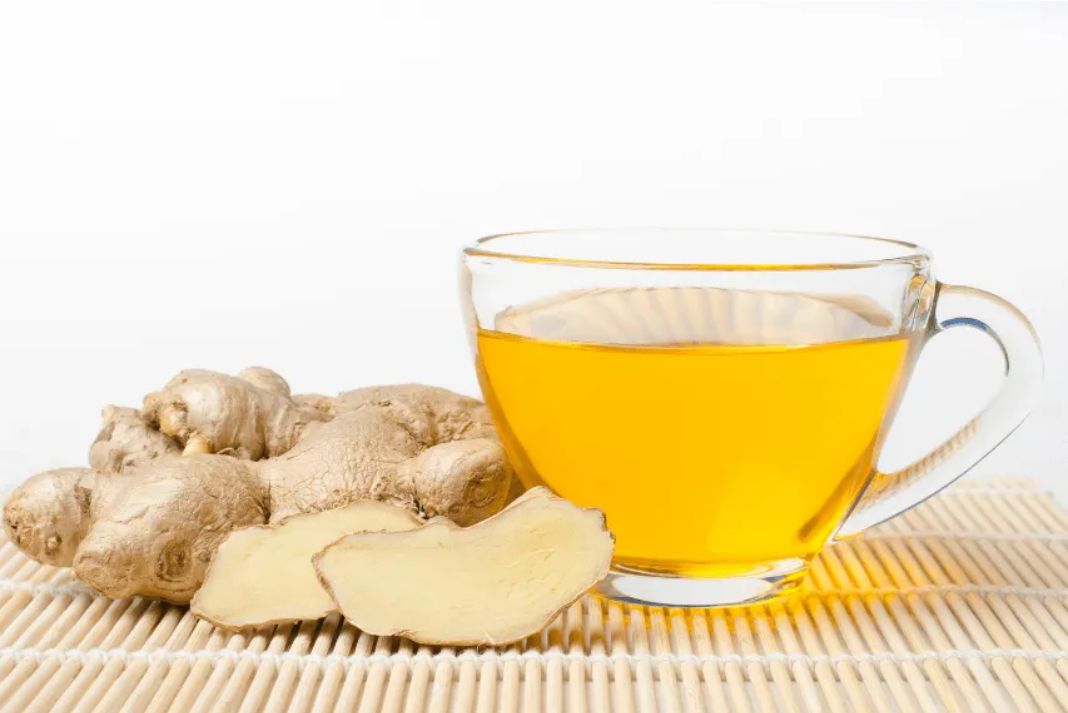
10. 🌶 Ginger Tea
Mechanism: Anti-inflammatory, vasodilatory.
Evidence: Small RCTs show modest BP benefit.
How to Use: Steep 2–3 g fresh ginger in boiling water. 1–2 cups/day.
Risks: May thin blood; avoid in gallstones.
11. 🌸 Herbal Blends (e.g., Hibiscus + Rosehip)
Mechanism: Synergistic antioxidants & vasodilators.
Evidence: Some blends outperform single herbs in BP control.
How to Use: Combine half doses of 2–3 herbs.
12. 🌰 Cinnamon Tea
Mechanism: Cinnamaldehyde improves insulin sensitivity & vascular health.
Evidence: Lowers BP modestly in people with diabetes.
How to Use: Steep 1 stick or 1 tsp powder in hot water.
Risks: Cassia cinnamon → liver toxicity if overused.
📊 Quick Comparison Table
| Tea | Evidence Strength | Avg. BP Reduction | Best For | Risks |
|---|---|---|---|---|
| Hibiscus 🌺 | ⭐⭐⭐⭐ | 4–7 mmHg | Strong natural BP control | May over-lower BP |
| Olive Leaf 🌱 | ⭐⭐⭐⭐ | 3–5 mmHg | Prehypertension | Interaction with meds |
| Green Tea 🍃 | ⭐⭐⭐ | 2–3 mmHg | General CV health | Caffeine issues |
| Hawthorn 🌿 | ⭐⭐⭐ | 2–5 mmHg | Mild HTN | Heart med interaction |
| Rooibos 🌿 | ⭐⭐ | Mild | Caffeine-free option | Rare liver risk |
| Chamomile 🌼 | ⭐⭐ | Indirect | Stress/sleep HTN | Allergy risk |
🕒 Daily Tea Routine for BP Support
Morning: Green or Oolong Tea 🍵 (boost NO & antioxidants)
Mid-Day: Hibiscus 🌺 or Olive Leaf 🌱 (strong BP control)
Afternoon: Rooibos 🌿 (caffeine-free antioxidant)
Evening: Chamomile 🌼 or Lemon Balm 🍋 (relaxation & sleep support)
👉 Stick with it for 8–12 weeks and track your BP twice weekly.
👨⚕️ Expert Insights
“Green and black tea improve vascular function through nitric oxide pathways. These reductions in blood pressure, although modest, are consistent across trials.” — Dr. Li et al., NIH (PMC study)
“Olive leaf extract led to significant blood pressure reductions in pre-hypertensive adults, comparable to some first-line interventions.” — Lockyer et al., European Journal of Nutrition (PubMed)
❓ FAQs
Q1. How long before I see results?
👉 Usually 4–12 weeks of consistent use.
Q2. Can teas replace medications?
👉 No. They are complementary, not replacements.
Q3. Which tea works fastest?
👉 Hibiscus and olive leaf often show results within 4–6 weeks.
Q4. Can I drink 2–3 different teas daily?
👉 Yes, but avoid doubling herbs with similar effects.
Q5. Are they safe in pregnancy?
👉 Not all. Stick to mild teas like chamomile (in moderation), but always ask your doctor first.
⚠️ Disclaimer
This article is for educational purposes only. Herbal teas can support heart health but should not replace medical treatment. Always consult your doctor before starting new remedies, especially if you take prescription medications or have chronic conditions.