
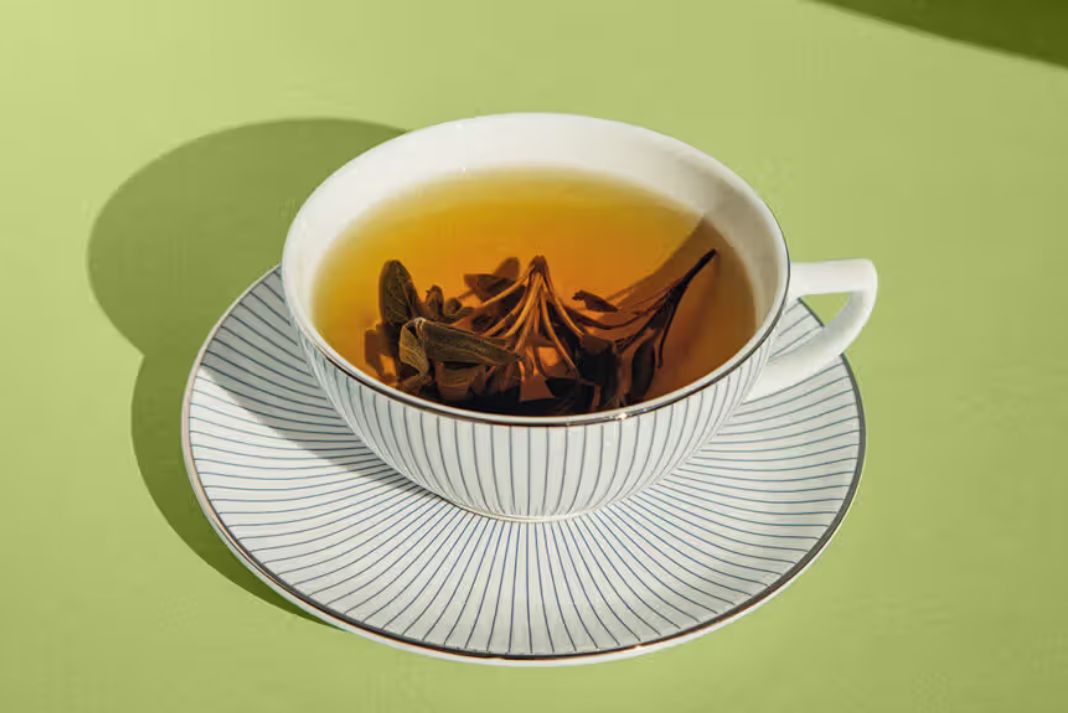
🧠 Why Herbal Teas for Cholesterol?
High cholesterol — especially elevated LDL — is a major risk factor for heart disease and stroke.
While medications like statins are proven effective, many people seek natural, side-effect-free ways to complement their therapy.
Herbal teas are rich in antioxidants, polyphenols, and bioactive compounds that can:
🛡️ Protect LDL from oxidation
🧬 Improve liver lipid metabolism
💩 Reduce intestinal cholesterol absorption
❤️ Support vascular health
Clinical trials and meta-analyses confirm that certain herbs — especially green tea, hibiscus, and guggulu — can modestly improve cholesterol levels when used consistently.
🔬 How Herbal Teas Work (The Science)
| ⚙️ Mechanism | 🔍 Description | ❤️ Impact on Cholesterol |
|---|---|---|
| 🧪 Antioxidant Protection | Polyphenols prevent LDL oxidation and plaque buildup | Slows atherosclerosis |
| 🧬 LDL Receptor Upregulation | Catechins stimulate LDL receptors to clear blood cholesterol | Lowers LDL |
| 🚫 HMG-CoA Reductase Inhibition | Allicin and guggulsterones reduce cholesterol synthesis | Lowers total cholesterol |
| 💩 Reduced Absorption | Compounds block intestinal cholesterol uptake | Prevents new buildup |
| 🔄 Bile Acid Modulation | Promotes cholesterol excretion via bile | Maintains balance |
| 🦠 Gut Microbiota Balance | Encourages beneficial bacteria that metabolize cholesterol | Improves lipid metabolism |
📚 Sources:
NIH NCBI Bookshelf, PubMed, Harvard Health
🍵 Top 12 Herbal Teas That Lower Cholesterol (Backed by Research)
1️⃣ 🍃 Green Tea (Camellia sinensis)
✅ Mechanism: Catechins (EGCG) inhibit lipid absorption and enhance LDL receptor activity.
✅ Effect: Lowers LDL and total cholesterol (meta-analysis of 31 trials)
✅ Usage:
Steep 1 tsp (2.5 g) in 250 mL hot water (80 °C) for 3–5 min
Drink 3 cups daily for 12 weeks
✅ Risks: Caffeine sensitivity, mild liver enzyme elevation possible
📖 Source: PMC7240975
🩺 Expert Quote:
“Green tea supplementation significantly lowered serum total and LDL cholesterol.” — Meta-Analysis, Frontiers in Nutrition (2023)
2️⃣ 🌺 Hibiscus Tea (Hibiscus sabdariffa)
✅ Mechanism: Anthocyanins reduce LDL oxidation and triglycerides
✅ Effect: Significant LDL reduction in several human trials
✅ Usage:
Steep 2–3 g dried petals in 250 mL boiling water for 5–7 min
Drink 1–2 cups daily for at least 8 weeks
✅ Risks: Diuretic, may lower BP too much
📖 Source: Harvard Health
3️⃣ 🪶 Hawk Tea (Litsea coreana var. lanuginosa)
✅ Mechanism: Influences liver and cholesterol metabolism pathways
✅ Effect: Experimental studies show LDL reduction
✅ Usage:
1 tsp in 250 mL hot water, steep 10 min
1 cup daily, 8–12 weeks
📖 Source: PMC6506518
4️⃣ 🌶️ Ginger Tea (Zingiber officinale)
✅ Mechanism: Inhibits cholesterol synthesis, boosts bile secretion
✅ Effect: Lowers LDL and triglycerides (meta-analysis, 2018)
✅ Usage:
Boil 1–2 g fresh ginger (1 cm slice) in 250 mL water, 5 min
Drink 1–2 cups daily
✅ Risks: May thin blood, avoid with anticoagulants
📖 Source: Medical News Today
5️⃣ 🧄 Garlic Tea (Allium sativum)
✅ Mechanism: Allicin inhibits cholesterol synthesis enzymes
✅ Effect: Modest LDL reduction (mixed results)
✅ Usage:
Crush 1 clove, steep 5 min in hot water
Drink once daily on an empty stomach
✅ Risks: GI upset, bleeding risk with blood thinners
📖 Source: Stanford Medicine
6️⃣ 🌿 Guggulu (Commiphora mukul)
✅ Mechanism: Guggulsterones activate FXR pathways to promote cholesterol excretion
✅ Effect: Notable LDL reduction in multiple RCTs
✅ Usage:
Use standardized extract (500–1000 mg/day) as tea or capsule
✅ Risks: GI upset, thyroid stimulation
📖 Source: PMC8229657
7️⃣ 🍋 Lemon Balm (Melissa officinalis)
✅ Mechanism: Polyphenols improve antioxidant defense, may lower LDL
✅ Usage: 1–2 g leaves per 200 mL hot water, steep 5 min
✅ Risks: Mild sedation; avoid combining with sleep meds
📖 Source: PubMed 27261994
8️⃣ 🌿 Lamiaceae Herbs (Oregano, Savory, Coleus)
✅ Mechanism: Flavonoids and phenolic acids improve lipid metabolism
✅ Effect: Improved lipid profiles in metabolic syndrome patients
✅ Usage: 1–2 g dried herbs per cup, 2–3 cups daily
📖 Source: PMC11606841
9️⃣ 🧉 Persian Multi-Herbal Tea
✅ Mechanism: Synergistic lipid-lowering blend
✅ Effect: Clinical trials show moderate LDL reduction
✅ Usage: Follow blend instructions, usually 2 g twice daily
📖 Source: PubMed 34104201
🔟 🌼 PCSK9-Target Herbal Blend (Carthamus + Coscinium + Ginger)
✅ Mechanism: Mimics PCSK9 inhibitor pathway
✅ Usage: 1 cup/day, 8–12 weeks
📖 Source: PMC9318486
11️⃣ 🕉️ Ayurvedic Mix (Tulsi, Fenugreek, Amla)
✅ Mechanism: Antioxidant & metabolic modulation
✅ Usage: Decoction of 2–3 g per herb, 1–2 cups daily
📖 Source: PMC8229657
12️⃣ ☕ Rooibos / Lemon Verbena
✅ Mechanism: Antioxidant and anti-inflammatory support
✅ Usage: 1–2 cups daily, caffeine-free
📖 Source: NIH / Mayo Clinic
📊 Summary Table: Herbal Teas vs Effectiveness
| 🌿 Tea | 💪 Effect on LDL | ⏱️ Duration | ⚠️ Side Effects |
|---|---|---|---|
| Green Tea | ↓ 4–5 mg/dL | 12 weeks | Caffeine, liver enzymes |
| Hibiscus | ↓ LDL & TG | 8 weeks | Diuretic, hypotension |
| Ginger | ↓ LDL, TG | 8–12 weeks | GI upset |
| Garlic | ↓ Mild effect | 12 weeks | Odor, bleeding risk |
| Guggulu | ↓ Strong (Ayurvedic) | 12 weeks | GI, thyroid |
| Lemon Balm | ↓ Mild | 8 weeks | Sedation |
| Oregano / Coleus | ↓ Moderate | 8 weeks | Minimal |
| Rooibos | ↓ Mild | Ongoing | None |
🕒 Best Daily Herbal Tea Routine
| Time | Tea | Benefit |
|---|---|---|
| 🌅 Morning (Empty stomach) | Green Tea + Ginger | Boost metabolism, LDL clearance |
| ☀️ Midday | Hibiscus | Lower blood pressure & LDL |
| 🌇 Evening | Lemon Balm / Rooibos | Relaxation, antioxidant support |
| 🧘 Weekly add-ons | Garlic, Guggulu, Ayurvedic blends | Deep detox, sustained lipid support |
Pro Tip 💡
→ Rotate herbs weekly for best results and to avoid tolerance.
→ Test lipid panel after 8–12 weeks.
👩⚕️ Expert Insights
🧬 “Green tea catechins upregulate LDL receptor activity, leading to measurable LDL reductions.” — Frontiers in Nutrition, 2023
💬 “Garlic and guggulu are two of the most promising Ayurvedic herbs for managing cholesterol.” — Journal of Herbal Medicine, 2021
🌺 “Hibiscus anthocyanins lower LDL oxidation and improve vascular flexibility.” — Harvard Health, 2024
⚖️ How They Compare to Drugs
| 💊 Treatment | LDL Reduction | Side Effects | Notes |
|---|---|---|---|
| Statins | 30–60% | Muscle pain, liver stress | Most effective |
| Ezetimibe | 15–20% | GI upset | Moderate effect |
| Herbal Teas | 2–10% | Mild, safe | Complementary |
| Lifestyle (Diet, Exercise) | 5–15% | None | Essential foundation |
✅ Conclusion: Herbal teas are supportive, not substitutes — best combined with medical therapy and healthy lifestyle.
⚠️ Safety & Warnings
🚫 Avoid excessive use
💊 Consult your doctor if on medications
🩸 Garlic, ginger, guggulu may increase bleeding risk
🤰 Avoid during pregnancy or lactation
🧪 Always choose tested, quality-assured herbal sources
❓ FAQs
1️⃣ How long until results show?
→ Usually 8–12 weeks of consistent use.
2️⃣ Can I mix multiple teas?
→ Yes, rotate 2–3 types daily, but avoid over-combining strong herbs.
3️⃣ Are they better than statins?
→ No, but they can enhance results and reduce oxidative stress.
4️⃣ Can I drink them forever?
→ Yes, if tolerated and medically safe — most are gentle for long-term use.
5️⃣ Do they raise HDL (“good” cholesterol)?
→ Evidence is mixed; some mild improvement noted.
6️⃣ Are there caffeine-free options?
→ Yes: hibiscus, rooibos, lemon balm, guggulu, ayurvedic blends.
🌟 Final Thoughts
Drinking herbal teas is one of the simplest natural habits to support your heart health.
When combined with balanced nutrition, regular exercise, and medical follow-up, the results can be both measurable and long-lasting.
💚 Your journey to balanced cholesterol can start with one mindful cup of tea each day.
⚠️ Disclaimer:
This guide is for educational purposes only and not a substitute for professional medical advice.
Always consult your healthcare provider before changing your medication or adding herbal remedies.