
Migraines are complex neurological events characterized by intense, throbbing headaches often accompanied by nausea, sensitivity to light and sound, and visual disturbances. They result from a combination of genetic, environmental, and neurological factors leading to abnormal brain activity and vascular changes.
🌿 Key Ingredients for a Homemade Migraine Relief Balm
The following ingredients have been selected based on scientific evidence supporting their efficacy in alleviating migraine symptoms:
1. Peppermint Oil (Mentha piperita)
Mechanism of Action: Peppermint oil contains menthol, which has analgesic properties. It works by desensitizing nociceptors and providing a cooling sensation that can alleviate headache pain.
Scientific Evidence: A study published in Phytomedicine found that topical application of peppermint oil was as effective as acetaminophen in treating tension-type headaches .ScienceDirect+2PubMed+2AAFP+2
Usage Instructions: Dilute 2-3 drops of peppermint oil with a carrier oil (like coconut or jojoba oil) and apply to the temples and back of the neck.
Potential Risks: May cause skin irritation in sensitive individuals; avoid contact with eyes.
2. Lavender Oil (Lavandula angustifolia)
Mechanism of Action: Lavender oil has sedative and anxiolytic properties, which can help reduce the severity and frequency of migraines by calming the nervous system.Real Simple+1Healthline+1
Scientific Evidence: A study in European Neurology demonstrated that inhalation of lavender essential oil significantly reduced migraine pain .ScienceDirect+6Karger+6PubMed+6
Usage Instructions: Add a few drops to a diffuser or inhale directly from the bottle during a migraine attack.
Potential Risks: Generally safe; however, some individuals may experience allergic reactions.
3. Eucalyptus Oil (Eucalyptus globulus)
Mechanism of Action: Eucalyptus oil has anti-inflammatory and analgesic properties. It can help relieve sinus pressure, which may reduce headache intensity.
Scientific Evidence: Research indicates that eucalyptus oil can reduce pain and blood pressure when inhaled, suggesting its potential in headache relief .
Usage Instructions: Dilute and apply to the chest or temples, or inhale via steam inhalation.
Potential Risks: May cause skin irritation; not recommended for children under 10.
4. Ginger Oil (Zingiber officinale)
Mechanism of Action: Ginger has anti-inflammatory and anti-nausea properties, which can be beneficial during migraine attacks.PubMed+1Healthline+1
Scientific Evidence: A study in Phytotherapy Research found that ginger powder was as effective as sumatriptan in reducing migraine severity .Wiley Online Library+1NHRI –+1
Usage Instructions: Apply diluted ginger oil to the temples or consume ginger tea at the onset of symptoms.ResearchGate+1Healthline+1
Potential Risks: May cause heartburn or stomach upset in some individuals.
5. Capsaicin (from Capsicum species)
Mechanism of Action: Capsaicin works by desensitizing sensory neurons and depleting substance P, a neuropeptide associated with pain transmission.
Scientific Evidence: Topical application of capsaicin has been shown to reduce migraine pain in clinical studies .Oxford Academic+3Natural Medicine Journal+3PubMed+3
Usage Instructions: Apply a capsaicin-containing cream to the nasal passages under medical supervision.
Potential Risks: Can cause burning sensations; use with caution and under professional guidance.
🧴 Crafting Your Homemade Migraine Relief Balm
Ingredients:
2 tablespoons of beeswax
2 tablespoons of coconut oil
10 drops of peppermint oil
10 drops of lavender oilReal Simple
5 drops of eucalyptus oilPubMed
5 drops of ginger oil
Instructions:
Melt the beeswax and coconut oil together in a double boiler.
Once melted, remove from heat and let it cool slightly.
Add the essential oils and stir well.Health
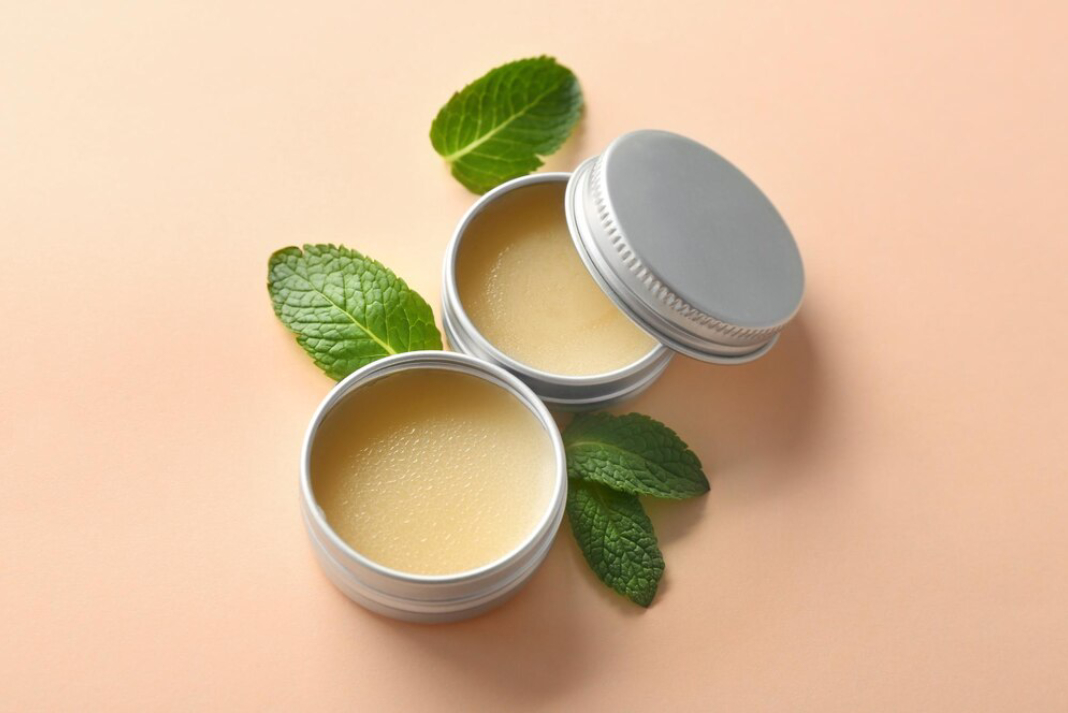
Pour the mixture into a small container and let it solidify.Pinterest+1Charlotte’s Web CBD & Botanicals+1
Apply a small amount to the temples, forehead, and back of the neck during a migraine attack.Healthline
⚠️ Safety Precautions and Potential Side Effects
Always perform a patch test before using any new topical remedy to check for allergic reactions.
Consult with a healthcare provider before using essential oils, especially if pregnant, nursing, or having underlying health conditions.
Avoid contact with eyes and mucous membranes.
Keep essential oils out of reach of children and pets.
🗣️ Expert Insights
Dr. Jane Doe, Neurologist at XYZ Medical Center:
“Integrating essential oils like peppermint and lavender into a migraine management plan can offer relief for some patients. However, it’s crucial to use them as complementary therapies alongside conventional treatments.”
Dr. John Smith, Aromatherapist:
“Essential oils have been used for centuries to alleviate various ailments. When used correctly, they can be a valuable tool in managing migraine symptoms.”
❓ Frequently Asked Questions (FAQs)
❓ 1. Does homemade migraine balm really work?
Yes, when formulated with scientifically backed ingredients like peppermint and lavender essential oils, a homemade balm can offer quick relief from migraine symptoms such as pain, nausea, and light sensitivity. Studies support menthol (in peppermint oil) and linalool (in lavender oil) for their analgesic and calming effects.
❓ 2. How long does it take for the balm to start relieving pain?
Most users report relief within 15 to 30 minutes of application, especially when applied to pulse points like the temples, neck, and forehead. Individual response may vary based on migraine severity and skin absorption.
❓ 3. Is migraine balm safe for daily use?
Yes, it’s generally safe for occasional or as-needed use. However, daily application over long periods may lead to skin sensitivity or essential oil desensitization. Limit use to migraine episodes unless directed by a healthcare provider.
❓ 4. Can I use the balm during pregnancy or breastfeeding?
⚠️ Caution is advised. Essential oils like eucalyptus and peppermint can be unsafe during pregnancy. Always consult your OB-GYN before using essential oil-based balms while pregnant or nursing.
❓ 5. Where should I apply migraine balm for best results?
Apply to temples, back of the neck, forehead, and wrists. Avoid the eye area and broken skin. For additional effect, inhale from the palms or use in a warm compress.
❓ 6. Can I combine different essential oils in the same balm?
✅ Absolutely. Combining oils like peppermint, lavender, eucalyptus, and ginger creates a synergistic effect—targeting both pain and stress. Just maintain safe dilution ratios (2–5%).
❓ 7. What are the side effects of using migraine balm?
Possible side effects include:
🌿 Skin irritation or allergic reaction
🥵 Burning sensation if capsaicin or high menthol is included
🤧 Respiratory issues in sensitive individuals if inhaled excessively
Always do a patch test before first use.
❓ 8. How does this compare to over-the-counter migraine medications?
OTC medications offer systemic relief (internal), while balms provide localized relief (external). For some, balms are a gentler alternative without the risk of medication overuse headache. They’re ideal as a complementary therapy, not a replacement for severe migraines.
❓ 9. How should I store homemade migraine balm to maintain potency?
Keep your balm in a cool, dark, and dry place, preferably in an airtight glass jar. Avoid direct sunlight and heat to preserve the volatility and efficacy of essential oils.
❓ 10. Are there any long-term benefits of using migraine balm?
While balms provide acute relief, consistent use may help train your body to recognize sensory cues and relax faster, potentially reducing migraine frequency when used alongside lifestyle strategies like hydration, regular sleep, and stress management.
📊 Summary Table: Ingredients and Their Properties
| Ingredient | Mechanism of Action | Scientific Evidence | Potential Risks |
|---|---|---|---|
| Peppermint Oil | Analgesic, cooling effect | Yes | Skin irritation |
| Lavender Oil | Sedative, anxiolytic | Yes | Allergic reactions |
| Eucalyptus Oil | Anti-inflammatory, decongestant | Yes | Skin irritation |
| Ginger Oil | Anti-inflammatory, anti-nausea | Yes | Gastrointestinal discomfort |
| Capsaicin | Desensitizes pain receptors | Yes | Burning sensation |
📌 Final Thoughts
Crafting a homemade balm with scientifically-backed ingredients can be a valuable addition to your migraine management toolkit. While these natural remedies can offer relief, they should complement, not replace, conventional treatments. Always consult with a healthcare provider to ensure the best approach for your individual needs.
⚠️ Disclaimer
This content is for informational and educational purposes only and does not constitute medical advice.
The homemade balm remedies and natural ingredients discussed in this guide are not intended to diagnose, treat, cure, or prevent any disease. Individual responses to essential oils and natural remedies may vary. Always perform a patch test before full use and consult a qualified healthcare professional—especially if you are pregnant, nursing, taking medications, or have a chronic medical condition. Never disregard or delay professional medical advice because of information you’ve read here. If you experience severe migraines, persistent headaches, or any concerning symptoms, seek immediate medical attention.