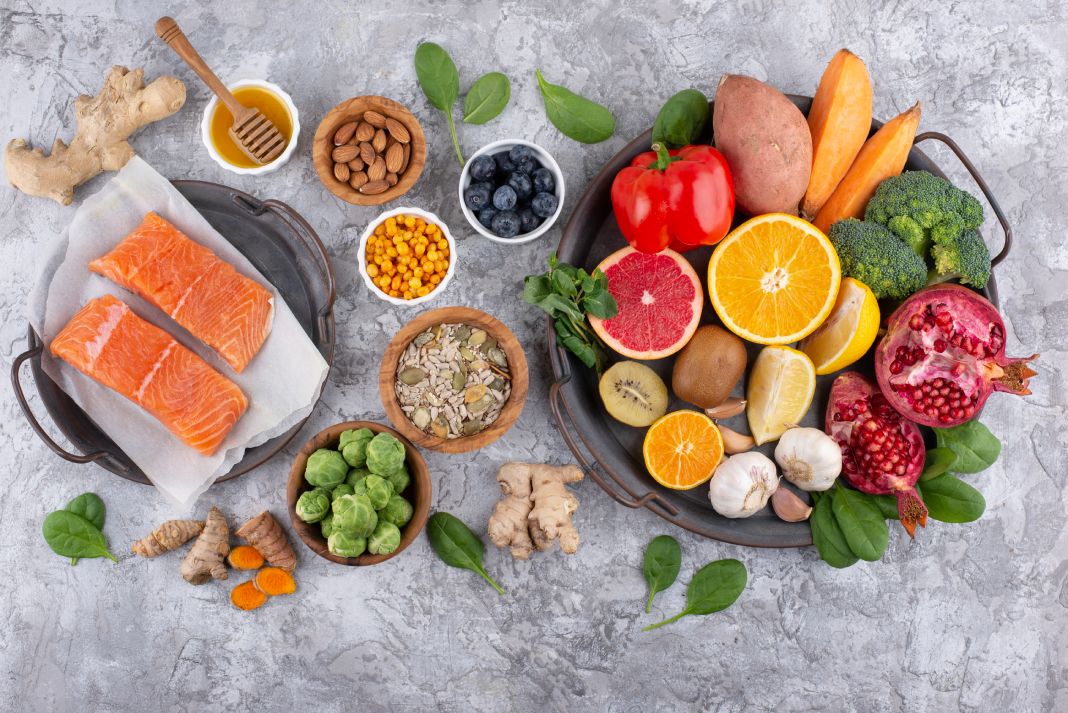

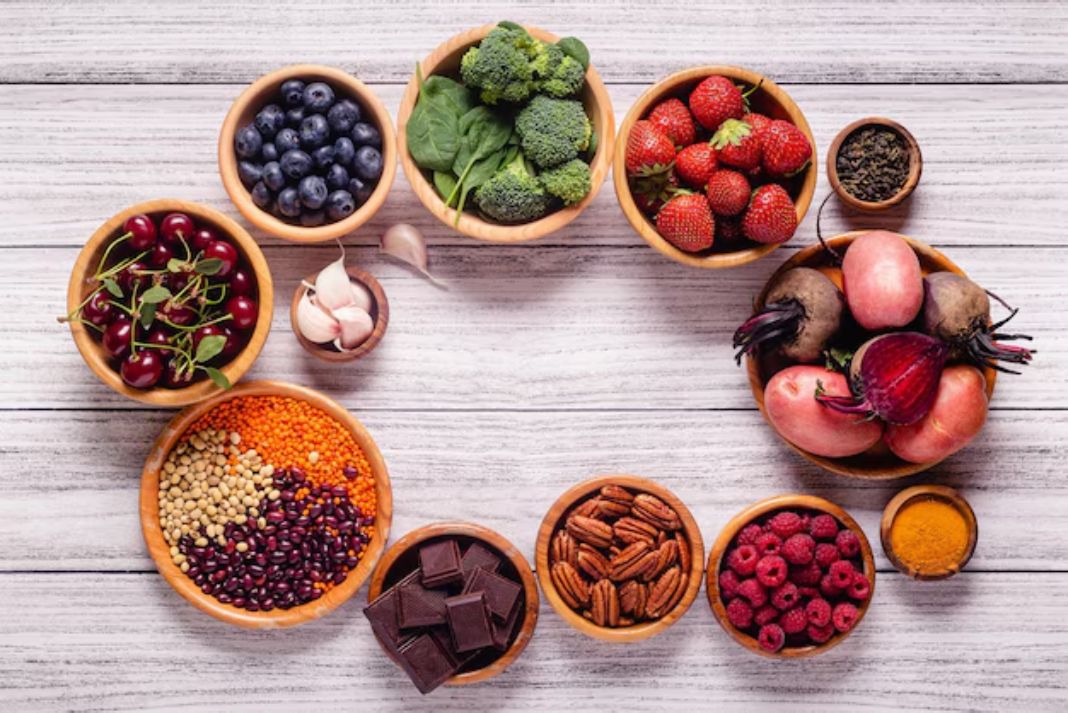
Want a simple, science-backed way to eat better every day? A daily superfood routine weaves nutrient-dense foods—like berries, greens, nuts, olive oil, legumes, green tea, turmeric, and more—into your existing meals from morning to night. Instead of chasing fads, this guide focuses on consistency, synergy, and timing (think: antioxidants at breakfast, gut support at lunch, anti-inflammatory spices at dinner).
🥑 What Exactly Is a “Superfood Routine”?
Superfoods aren’t magic bullets, but they’re nutrient-dense foods packed with antioxidants, vitamins, minerals, and unique phytonutrients.
When combined in a daily routine, they can:
✅ Support heart health
✅ Boost brain power
✅ Improve digestion & immunity
✅ Reduce inflammation
✅ Enhance skin & energy
🧠 Expert insight: Harvard Nutrition Source reminds us, “There’s no scientifically based or regulated definition for superfood … instead, focus on eating a super diet.”
🕒 Your Daily Superfood Routine (Morning → Night)
Here’s a simple timeline you can follow ⏳
| ⏰ Time | 🎯 Goal | 🥗 Superfood Boost | 🔑 Notes |
|---|---|---|---|
| 🌅 Morning | Kickstart metabolism | 🍋 Lemon water + 🍵 Green tea | Hydrates & wakes body |
| 🍳 Breakfast | Nutrient foundation | 🫐 Berries + 🌰 Nuts/Seeds | High in antioxidants & fiber |
| 10am Snack | Energy & focus | 🥬 Green smoothie + 🍫 Dark chocolate | Sustained energy, no crash |
| 🍲 Lunch | Gut & heart health | 🥦 Leafy greens + 🧄 Garlic + 🫒 Olive oil | Add legumes for protein |
| ☕ Afternoon | Antioxidant recharge | 🍫 Cacao nibs + ☕ Matcha | Keeps brain sharp |
| 🍽 Dinner | Anti-inflammation | 🥕 Cruciferous veggies + 🌶️ Turmeric | Use olive oil for absorption |
| 🌙 Evening | Recovery & sleep | 🍒 Tart cherry juice + 🌻 Pumpkin seeds | Boosts melatonin & magnesium |
🍇 Must-Have Superfoods (With Science!)
Each food includes 👉 Mechanism, How to Use, Risks, and Comparison.
1. 🫐 Berries (Blueberry, Raspberry, Goji)
🧬 Mechanism: Anthocyanins fight oxidative stress, protect brain & heart.
🍽 Usage: ½–1 cup fresh/frozen, or sprinkle dried goji on oats.
⚠️ Risks: Sugar in dried varieties.
🔍 Better than: Most fruits for antioxidants per calorie.
2. 🥬 Leafy Greens & Crucifers (Spinach, Kale, Broccoli)
🧬 Rich in sulforaphane → activates detox pathways.
🍽 1–2 cups raw in salads or smoothies.
⚠️ May interfere with blood thinners.
🔍 Darker greens > lighter lettuce in nutrients.
3. 🌰 Nuts & Seeds (Walnuts, Flax, Chia)
🧬 Omega-3s, magnesium, fiber.
🍽 1 oz nuts or 1–2 tbsp ground seeds daily.
⚠️ Allergies, calorie dense.
🔍 Walnuts = brain booster 🧠 (ALA).
4. 🫒 Olive Oil (Extra Virgin)
🧬 Oleocanthal = natural anti-inflammatory.
🍽 1–2 tbsp daily as dressing.
⚠️ Not for deep frying.
🔍 Stronger evidence vs most oils.
5. 🍵 Green Tea / Matcha
🧬 Catechins (EGCG) aid metabolism & cardiovascular health.
🍽 1–2 cups daily.
⚠️ Avoid near iron-rich meals.
🔍 Matcha > regular green tea for antioxidants.
6. 🌶️ Turmeric + Black Pepper
🧬 Curcumin reduces inflammation, enhances Nrf2 defense.
🍽 ½ tsp in milk or curry.
⚠️ Avoid with gallbladder issues.
🔍 Works best with pepper + fat.
7. 🧄 Garlic
🧬 Allicin lowers blood pressure & fights microbes.
🍽 1–2 raw cloves daily (crushed).
⚠️ Watch if on blood thinners.
🔍 Raw garlic > cooked for potency.
8. 🍫 Dark Chocolate (≥70%)
🧬 Flavanols improve vascular function.
🍽 10–20 g daily.
⚠️ Caffeine, sugar.
🔍 Cocoa nibs = purest.
🧑⚕️ Expert Voices
💬 Dr. Penny Kris-Etherton, Penn State University:
“Include superfoods as part of a healthy, balanced diet — aim for a super diet, not just superfoods.”
💬 Systematic Review (Springer 2024):
“Crocus sativus, Murraya koenigii, Punica granatum, and Beta vulgaris are neuroprotective and therapeutic…”
📊 Summary Tables
✅ Quick Comparison of Superfoods
| 🥗 Food | 🧬 Active Compounds | 🌟 Key Benefit | ⚠️ Risk |
|---|---|---|---|
| Berries | Anthocyanins | Antioxidant, brain health | Sugar in dried |
| Leafy greens | Sulforaphane, folate | Detox, gut health | Vitamin K–drug interaction |
| Nuts/seeds | Omega-3, Mg | Satiety, heart | Calorie dense |
| Olive oil | Oleocanthal, MUFA | Anti-inflammatory | Not high-heat stable |
| Green tea | Catechins | Metabolism, heart | Iron absorption issues |
❓ 10 FAQs
1) How long until I notice benefits from a superfood routine?
Most people see small changes (energy, digestion) in 2–4 weeks; biomarkers (lipids, glucose, inflammation) often need 8–12+ weeks of consistency.
2) Are “superfoods” as effective as prescription meds?
No. Foods are supportive, not curative. Use them to improve baseline health and complement clinician-directed treatment—not replace it.
3) What are the best times to eat superfoods?
Morning for antioxidants (berries/green tea), mid-day for fiber/protein (legumes, greens, EVOO), evening for recovery (turmeric, tart cherry). Spread them out for tolerance and absorption.
4) Whole foods vs powders—what’s better?
Whole foods win for fiber + food-matrix synergy. Powders can help with convenience, but choose third-party-tested brands and avoid megadoses.
5) How much is “too much”?
Watch high-risk items: cinnamon (coumarin), seaweed (iodine), turmeric (GI/med interactions). Stay within culinary amounts unless your clinician advises otherwise.
6) Can I do this routine while intermittent fasting?
Yes—just time antioxidants and probiotics within eating windows. Non-caloric teas (green/herbal) fit many fasting styles, but confirm what breaks your fast.
7) What if I’m on blood thinners or thyroid meds?
Be cautious with leafy greens (vitamin K), turmeric/ginger/garlic (bleeding risk), seaweeds (iodine). Always consult your clinician for personalized guidance.
8) Do I need organic?
Prioritize the highest-residue items (berries, leafy greens, herbs) if budget allows. Washing and peeling still reduce pesticide load on conventional produce.
9) Will this help my skin?
Diet isn’t a miracle, but polyphenols, omega-3s, probiotics, and low-GI patterns can support barrier function and inflammation balance. Expect gradual changes over months.
10) What’s a simple starter plan for busy people?
🫐 Breakfast: oatmeal + berries + chia
🥗 Lunch: big salad (greens, legumes) + EVOO + garlic
🍫 Snack: 10–20 g dark chocolate or yogurt + seeds
🥦 Dinner: crucifers + turmeric/pepper + olive oil
🌙 Before bed: small tart-cherry serving
📝 Final Takeaway
🌟 A daily superfood routine isn’t about fad powders — it’s about weaving scientifically backed, nutrient-dense foods into your morning → night diet consistently.
Start small, be consistent, and let science guide your plate.
⚠️ Disclaimer: This post is for educational purposes only. Consult your doctor before making major dietary changes.