
If you’re tired of harsh chemicals and synthetic ingredients in your skincare products, you’re not alone. Many people are turning to natural remedies that are both effective and gentle on the skin. This comprehensive, expert-backed guide will walk you through how to create a natural skincare routine that works — with 20+ remedies, scientific support, usage tips, risks, expert quotes, FAQs, and summary tables. Let’s get glowing, naturally! ✨
🔍 Understanding Your Skin Type
Before choosing remedies, determine your skin type:
- Normal: Balanced oil and moisture levels.
- Oily: Shiny skin, prone to acne.
- Dry: Flaky, tight-feeling skin.
- Combination: Oily in T-zone, dry on cheeks.
- Sensitive: Reacts easily with redness, itching, or stinging.
🧬 Why Natural Remedies Work (Backed by Science)
Natural ingredients are rich in bioactive compounds like antioxidants, antimicrobials, and anti-inflammatories. They work with your skin biology, not against it.
✅ Antioxidants fight free radicals, reducing premature aging. ✅ Anti-inflammatories soothe redness and irritation. ✅ Hydrators like honey and aloe help lock in moisture.
🌱 20+ Scientifically-Backed Natural Skincare Remedies
Each remedy below includes how it works, how to use it, risks, and links to research. 🧪
1. 🌿 Aloe Vera
- Mechanism: Contains polysaccharides that promote healing and hydration.
- Usage: Apply fresh gel for 15–20 minutes daily.
- Risks: Rare, may irritate sensitive skin.
- Source: NCBI Aloe Vera Study
2. 🌱 Tea Tree Oil
- Mechanism: Terpinen-4-ol kills acne-causing bacteria.
- Usage: Dilute 1:9 with carrier oil; apply with cotton swab.
- Risks: May irritate or dry skin.
- Source: PubMed Clinical Trial
3. 🍯 Raw Honey
- Mechanism: Natural humectant and antibacterial.
- Usage: Use as a mask 2–3 times a week.
- Risks: Rare allergy.
- Source: Honey Dermatology Review
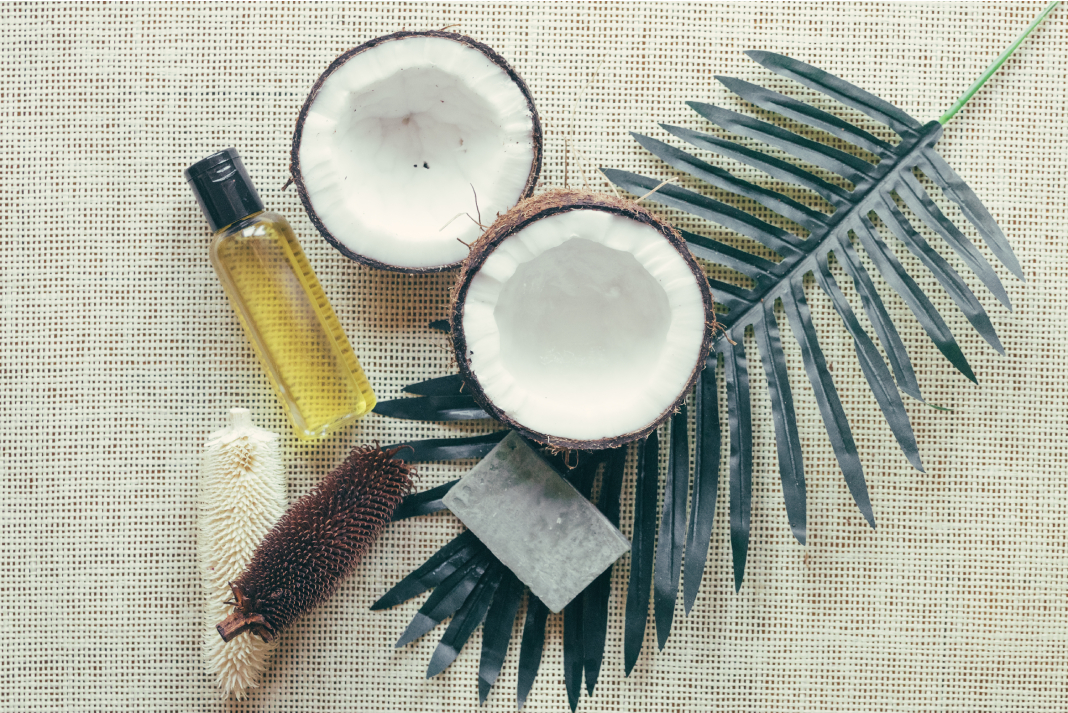
4. 🥥 Coconut Oil
- Mechanism: Contains lauric acid for antimicrobial and moisturizing effects.
- Usage: Use lightly as a moisturizer (not ideal for oily skin).
- Risks: Can clog pores.
- Source: Coconut Oil in Dermatology
5. 🍵 Green Tea Extract
- Mechanism: Catechins reduce inflammation and UV damage.
- Usage: Brew and use as toner or look for extract in serums.
- Risks: Rare irritation.
- Source: Green Tea & Skin Health
6. 🌸 Witch Hazel
- Mechanism: Tannins provide anti-inflammatory and astringent effects.
- Usage: Apply with cotton pad after cleansing. Use once daily.
- Risks: May cause dryness in sensitive skin.
- Source: Witch Hazel for Skin Care
7. 🌹 Rosehip Oil
- Mechanism: Rich in essential fatty acids and vitamin A, it supports collagen formation and improves pigmentation.
- Usage: Massage 2–3 drops into clean skin at night.
- Risks: Rare irritation, patch test recommended.
- Source: Rosehip Oil Study
8. 🌾 Oatmeal
- Mechanism: Contains avenanthramides that soothe itching and inflammation.
- Usage: Use colloidal oatmeal as a mask or bath soak.
- Risks: Safe for most, even sensitive skin.
- Source: Oatmeal in Dermatology
9. 🌼 Chamomile
- Mechanism: Contains apigenin, which calms irritated skin.
- Usage: Brew tea, cool, and apply with a cotton pad or use extract.
- Risks: Rare allergic reactions.
- Source: Chamomile Skin Benefits
10. 🍎 Apple Cider Vinegar
- Mechanism: Balances skin pH and has antimicrobial properties.
- Usage: Dilute 1:3 with water and use as toner.
- Risks: Can cause burns if used undiluted.
- Source: ACV and Skin Health
11. 🌰 Argan Oil
- Mechanism: High in vitamin E and fatty acids, it improves elasticity and hydration.
- Usage: Apply a few drops to clean skin, massage gently.
- Risks: Rare allergies.
- Source: Argan Oil Review
12. 🥑 Avocado
- Mechanism: Rich in oleic acid and lutein, nourishes and protects against oxidative stress.
- Usage: Mash and use as a 15-minute face mask.
- Risks: Safe, but patch test for sensitive skin.
- Source: Avocado in Dermatology
13. 🧂 Yogurt
- Mechanism: Contains lactic acid, gently exfoliates and promotes cell turnover.
- Usage: Apply plain yogurt as a mask for 10–15 mins.
- Risks: Can be drying if overused.
- Source: Yogurt & Skin Barrier
14. 🧡 Turmeric
- Mechanism: Curcumin has anti-inflammatory and brightening effects.
- Usage: Mix with yogurt or honey into a paste. Use 2–3 times/week.
- Risks: May stain skin temporarily.
- Source: Turmeric Review
15. 🥒 Cucumber
- Mechanism: Hydrates and soothes inflammation with antioxidants like cucurbitacins.
- Usage: Slice and place on skin or blend into a soothing mask.
- Risks: None reported.
- Source: Cucumber in Skin Therapy
16. 🌸 Lavender Oil
- Mechanism: Has antibacterial and calming properties.
- Usage: Dilute with carrier oil before applying.
- Risks: May irritate sensitive skin if undiluted.
- Source: Lavender in Dermatology
17. 🌰 Almond Oil
- Mechanism: Rich in vitamin E and linoleic acid; softens skin and improves tone.
- Usage: Massage 2–3 drops into clean, damp skin.
- Risks: Avoid if allergic to nuts.
- Source: Almond Oil Use
18. 🍍 Papaya
- Mechanism: Papain enzyme gently exfoliates and lightens dark spots.
- Usage: Apply mashed papaya to skin for 10 mins, rinse.
- Risks: May irritate sensitive skin.
- Source: Papaya Enzyme Use
19. 🧊 Bentonite Clay
- Mechanism: Absorbs oil and toxins, tightens pores.
- Usage: Mix with water/apple cider vinegar into paste. Use weekly.
- Risks: May dry out skin.
- Source: Bentonite Clay Research
20. 🍋 Lemon Juice (Caution ⚠️)
- Mechanism: Contains vitamin C and citric acid — brightens and exfoliates.
- Usage: Dilute heavily before applying; limit use.
- Risks: Can cause burns or photosensitivity. Use with extreme caution.
- Source: Citric Acid in Skincare
🧠 Expert Quotes
“Probiotics reduce acne severity by over 40% in 12 weeks.” — Dr. Whitney Bowe, Clinical Dermatologist Source
“Topical application of green tea significantly improves skin elasticity and reduces redness.” — Dr. Stephen Hsu, Georgia Medical College Source
❓ Frequently Asked Questions (FAQs)
Q1. How long does it take for natural remedies to work?
🕒 Results typically appear within 4–12 weeks of consistent use.
Q2. Are natural treatments as effective as prescription skincare?
🧴 For mild to moderate issues, yes — especially when remedies are backed by research.
Q3. Can I combine multiple natural remedies?
✅ Yes, but introduce one at a time and do patch tests.
Q4. What’s the safest remedy for sensitive skin?
🌾 Oatmeal and 🌿 aloe vera are very gentle and usually well-tolerated.
Q5. Which natural ingredients help reduce acne?
🌱 Tea tree oil, 🍯 honey, and 🍵 green tea extract work effectively against acne-causing bacteria.
Q6. Can I use these remedies daily?
📅 Most can be used daily, but exfoliants like 🍋 lemon or 🧂 yogurt should be limited to 2–3 times a week.
Q7. Is lemon juice really safe for skin?
⚠️ Only in diluted form and very occasionally — it may cause burns and sun sensitivity.
Q8. What is the best time to apply natural oils?
🌙 Evening is ideal, especially for oils like 🌹 rosehip and 🌰 almond oil.
Q9. Do natural remedies work for hyperpigmentation?
🌸 Turmeric, 🍍 papaya, and 🌹 rosehip oil can help fade dark spots gradually.
Q10. Should I still wear sunscreen?
☀️ Absolutely — sunscreen is non-negotiable, even with natural skincare.
⚠️ Disclaimer
This guide is informational and not a substitute for professional medical advice. Always consult with a dermatologist before starting any new treatment.