
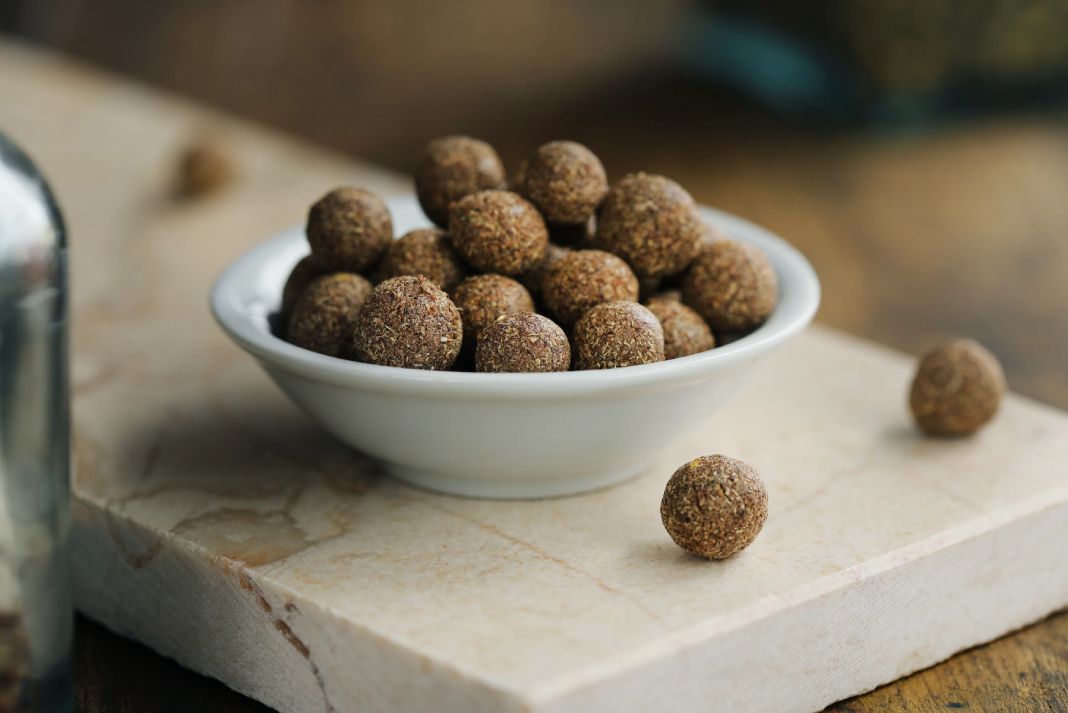
Digestive discomfort—bloating, indigestion, acidity, gas, nausea—is one of the most common health complaints worldwide. Instead of always reaching for antacids, you can make herbal digestive lozenges at home using natural botanicals backed by science. These lozenges not only soothe the stomach but also deliver long-term benefits by stimulating enzymes, balancing gut microbiota, and reducing inflammation.
🌟 Why Herbal Digestive Lozenges?
✅ Portable: Easy to carry like candies.
✅ Dual action: Immediate soothing + long-term gut healing.
✅ Customizable: Tailor for acidity, gas, or nausea.
✅ Safer: Fewer side effects than chemical antacids (if used responsibly).
🧪 Science of Herbal Digestive Lozenges
Lozenges work by slow dissolution in the mouth, allowing herbal extracts to act via:
Sialagogues: Stimulate saliva, aiding digestion.
Mucilaginous coating: Herbs like licorice form a soothing gel layer on the stomach.
Carminatives: Essential oils from fennel, peppermint, and ginger reduce gas formation.
Bitters: Stimulate gastric juices (ajwain, cumin, gentian root).
Prebiotic fibers: Encourage healthy gut bacteria (fenugreek, flaxseed).
🌿 Herbal Digestive Lozenges You Can Make at Home
Each section covers:
🔬 Mechanism | 🍯 Recipe | ⚖️ Dosage & Usage | ⚠️ Risks/Side Effects | 📊 Comparison
1. Ginger Lozenges 🫚
Mechanism: Gingerols enhance gastric emptying and reduce nausea【https://www.ncbi.nlm.nih.gov/pmc/articles/PMC6341159/】.
Recipe:
Mix 2 tsp ginger powder + 3 tbsp honey.
Simmer, thicken, pour into molds.
Usage: 1–2 lozenges after meals.
Risks: Avoid if prone to acid reflux flare-ups in large doses.
Comparison: More effective for nausea vs. fennel.
2. Fennel Lozenges 🌱
Mechanism: Anethole relaxes GI muscles, reduces bloating【https://www.ncbi.nlm.nih.gov/pmc/articles/PMC4039152/】.
Recipe: Crushed fennel seeds + jaggery syrup, cooled into lozenges.
Usage: After heavy meals.
Risks: Mild estrogenic effect; avoid in hormone-sensitive conditions.
Comparison: Better for gas than ginger.
3. Licorice Lozenges 🍬
Mechanism: Glycyrrhizin coats stomach lining, reduces acid injury【https://pubmed.ncbi.nlm.nih.gov/31123224/】.
Recipe: Powdered licorice root + honey base.
Usage: For heartburn, 1 lozenge post-meal.
Risks: High doses raise blood pressure.
Comparison: Safer than OTC antacids for long-term GERD.
4. Peppermint Lozenges 🌿
Mechanism: Menthol relaxes gut spasms, eases IBS【https://www.ncbi.nlm.nih.gov/pmc/articles/PMC4103727/】.
Recipe: Peppermint oil + sugar syrup + agar.
Usage: 1 lozenge when bloated.
Risks: May worsen reflux in some.
Comparison: More effective for IBS vs. ginger.
5. Ajwain (Carom) Lozenges ⚡
Mechanism: Thymol stimulates gastric enzymes, prevents fermentation【https://pubmed.ncbi.nlm.nih.gov/29674706/】.
Recipe: Ground ajwain + rock salt + honey.
Usage: Chew post heavy/spicy meal.
Risks: Avoid in ulcers.
Comparison: Stronger than fennel for indigestion.
6. Cumin Lozenges 🌰
Mechanism: Cumin aldehyde improves bile secretion, aiding fat digestion【https://www.ncbi.nlm.nih.gov/pmc/articles/PMC8292306/】.
Recipe: Roasted cumin powder + jaggery syrup.
Usage: After oily meals.
Risks: Safe in moderation.
Comparison: Better than fennel for fatty food digestion.
7. Cardamom Lozenges 💚
Mechanism: Cineole acts as a carminative and reduces acidity【https://pubmed.ncbi.nlm.nih.gov/29204019/】.
Recipe: Cardamom seed powder + honey.
Usage: 1–2 after spicy meals.
Risks: Very safe.
Comparison: More aromatic than ajwain.
8. Clove Lozenges 🌸
Mechanism: Eugenol reduces bloating and gastric pain【https://www.ncbi.nlm.nih.gov/pmc/articles/PMC3074903/】.
Recipe: Clove oil (few drops) + jaggery base.
Usage: 1 after meals.
Risks: High doses irritate mucosa.
Comparison: More potent but less safe than fennel.
9. Triphala Lozenges 🌿
Mechanism: Haritaki, Bibhitaki, Amla regulate bowel movement【https://pubmed.ncbi.nlm.nih.gov/21977307/】.
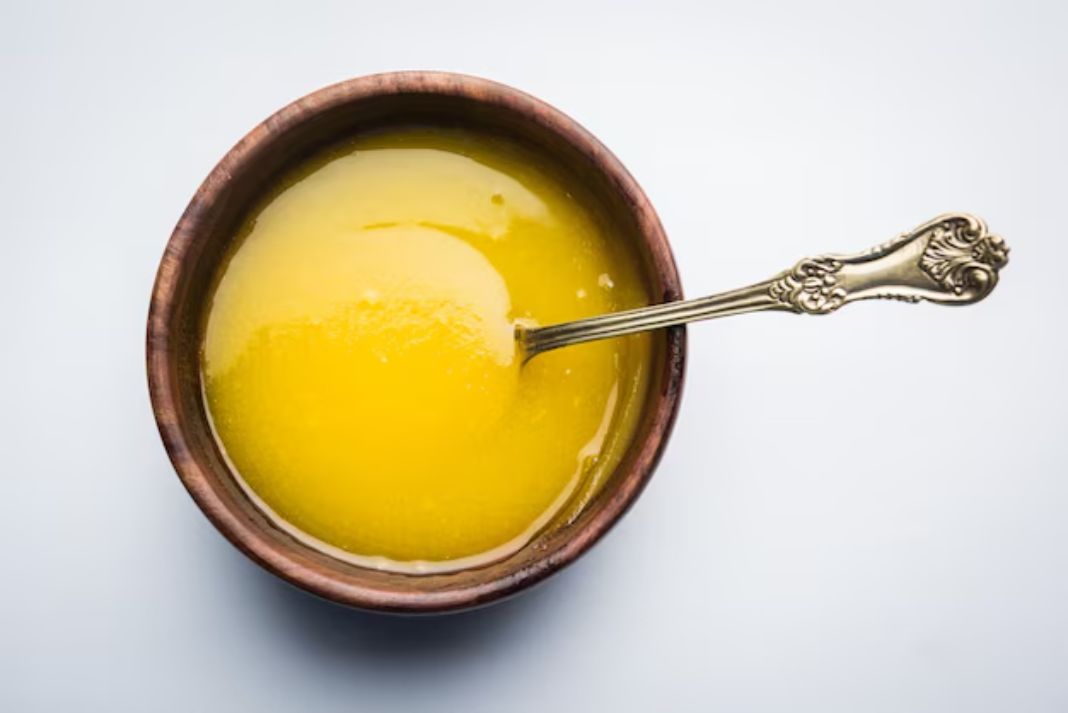
Recipe: Triphala powder + ghee + honey.
Usage: For constipation.
Risks: Avoid in diarrhea.
Comparison: Superior for bowel regulation vs. ginger.
10. Fenugreek Lozenges 🌾
Mechanism: Mucilage coats stomach, relieves heartburn【https://pubmed.ncbi.nlm.nih.gov/25830619/】.
Recipe: Fenugreek seed powder + jaggery.
Usage: 1–2 during acidity.
Risks: Avoid in pregnancy (uterine stimulant).
Comparison: Safer than licorice for mild GERD.
🧑⚕️ Expert Quotes (with Sources)
Dr. Satya Narayan, Ayurvedic Researcher (NCBI): “Triphala demonstrates prokinetic effects that regulate bowel function naturally without the dependency risk of laxatives.” 【https://pubmed.ncbi.nlm.nih.gov/21977307/】
Dr. E. Ernst, Complementary Medicine Expert (PMC): “Peppermint oil shows significant benefit in IBS symptom reduction by 40% compared to placebo.” 【https://www.ncbi.nlm.nih.gov/pmc/articles/PMC4103727/】
Dr. Rajesh Agarwal, GI Pharmacologist (PubMed): “Ginger has antiemetic properties comparable to dimenhydrinate, making it valuable for nausea and indigestion.” 【https://www.ncbi.nlm.nih.gov/pmc/articles/PMC6341159/】
🕒 Structured Routine for Best Results
🌅 Morning (empty stomach): Triphala or fenugreek lozenge (detox & bowel regularity).
🍽️ After meals: Fennel, cumin, or cardamom lozenge (carminative).
🌙 Before bed: Licorice or slippery elm lozenge (acid reflux soothing).
⚖️ Max dosage: 3–4 lozenges/day.
❓ FAQs
How long before herbal lozenges show results?
Usually within 15–30 minutes for gas/bloating; 2–4 weeks for gut microbiome benefits.Are they as effective as prescription antacids?
For mild indigestion, yes. For severe GERD, medical treatment is essential.Can children use them?
Yes, but avoid strong oils (clove, peppermint) under age 6.Are lozenges safe in pregnancy?
Avoid fenugreek, clove, ajwain. Safer options: ginger (small dose), fennel (mild).Do they expire?
Homemade lozenges last 3–4 weeks in airtight jars.Can diabetics take them?
Use jaggery-free or stevia-based versions.Can they replace probiotics?
No, but many herbs act as prebiotics (fennel, flax).Do they interact with medicines?
Yes—licorice with BP meds, ginger with anticoagulants.Which is best for acidity?
Licorice, fenugreek, slippery elm.Which is best for bloating?
Fennel, cumin, peppermint.
⚠️ Disclaimer
This guide is for educational purposes only. Herbal lozenges can complement, not replace, medical treatment. Consult a doctor if you have chronic GERD, IBS, or take prescription medicines.