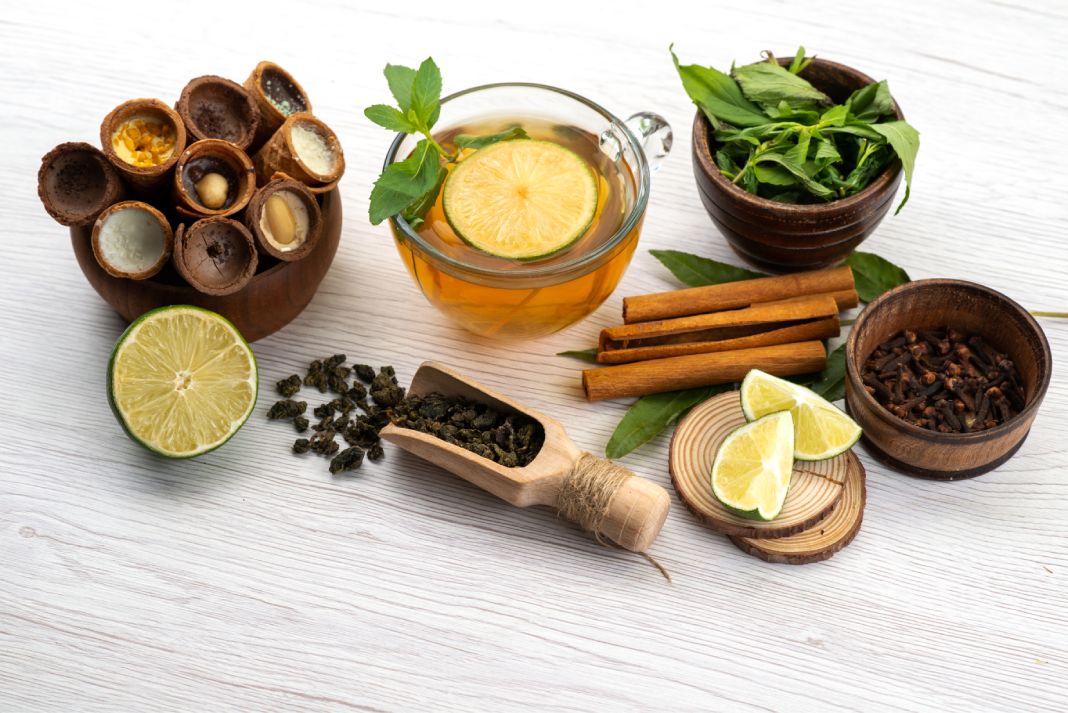

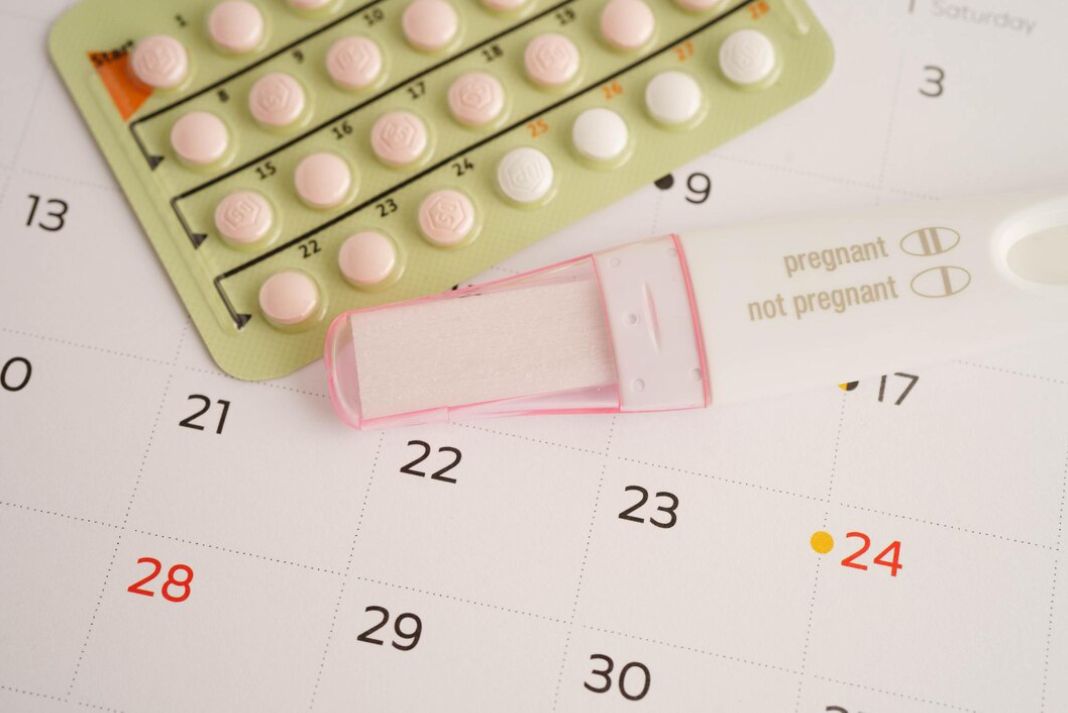
Herbal contraception has been practiced for centuries across cultures—Ayurveda, Traditional Chinese Medicine, African ethnomedicine, and Native American traditions. While modern hormonal contraceptives (pills, IUDs, implants) dominate today, hundreds of women still explore herbs for a “natural” alternative.
1. Queen Anne’s Lace (Daucus carota)
Traditional Use
Used for centuries in Europe and the Middle East as a fertility regulator and mild contraceptive; also referred to as “wild carrot.”
Mechanism (Scientific Reasoning)
Contains apiol and myristicin, which have uterine smooth-muscle effects and weak estrogen-like activity; animal models suggest they can inhibit ovulation .
Usage Instructions
Collect dried seeds.
Decoction: simmer 1 tsp (approx. 2 g) seeds in 250 mL water for 10 minutes.
Strain; drink once daily from day 1 of cycle up to ovulation (day ~12–14).
Continue for 3 cycles; adjust based on menses.
Comparison
vs Birth‑Control Pill: Non-hormonal, natural but less consistent effectiveness (~40–60%) vs ~99% .
vs Neem: Neem offers spermicidal action; QAL acts pre-ovulation.
Risks / Side Effects
GI upset, potential miscarriage at high doses; contraindicated during pregnancy/lactation.
2. Neem (Azadirachta indica)
Traditional Use
In Indian traditional medicine (Ayurveda), used as spermicidal agents and contraceptive oil.
Mechanism
Neem oil and leaf extracts contain azadirachtin, which exhibit spermicidal effects—reduces sperm motility by >50% in 6 weeks (clinical trial; male partners) . Animal studies show antifertility actions on oocyte and ovulation.
Usage Instructions
Prepare tampon or vaginal suppository soaked with 0.5 mL neem oil.
Insert nightly from menstruation until ovulation (~days 1–14).
Use fresh each cycle for 3–4 cycles maximum.
Comparison
vs Barrier Methods: Provides spermicidal effect but no barrier support.
vs QAL: Neem works post-ovulation too; broader contraceptive window.
Risks / Side Effects
Skin irritation, rashes; high doses systemic toxicity—avoid ingestion.
3. Vitex (Chaste Tree, Vitex agnus‑castus)
Traditional Use
Cultivated since ancient Greece for hormone balance, menstrual irregularities, mild contraception support.
Mechanism
Dopaminergic properties lower prolactin → stimulates LH → supports luteal function; shown to improve luteal-phase defects .
Usage Instructions
Standard extract: 20–40 mg daily with food.
Start day 1 of cycle and continue throughout.
Evaluate after 3 cycles.
Comparison
vs Progesterone therapy: Milder, fewer side effects, slower action.
Synergistic with QAL & Neem in multi-herb routine.
Risks
Nausea, headaches; possible interactions with meds affecting dopamine.
4. Wild Yam (Dioscorea villosa)
Traditional Use
Traditional Native American herbal remedy for hormone-related conditions.
Mechanism
Contains diosgenin (precursor to progesterone); may mildly support progestogenic activity in the luteal phase .
Usage Instructions
Tincture: 1 mL twice daily (equivalent to ~50 mg extract).
Use luteal phase (days 14–28) for 3–4 cycles.
Comparison
vs Progesterone cream: Less potent but fewer side effects (e.g. cream may raise systemic levels).
Risks
GI upset, dizziness; avoid in hormone-sensitive conditions without medical advice.
5. Black Cohosh (Actaea racemosa)
Traditional Use
Used in Native American medicine to treat menstrual issues and for fertility control.
Mechanism
Contains triterpene glycosides; may act as selective estrogen receptor modulator—affects uterine lining and cervical mucus .
Usage Instructions
20–40 mg standardized extract daily (cyclo17).
Start from day 1 through day 14; review after 3 cycles.
Comparison
vs Hormonal IUD: Milder systemic effects, but reduced consistency.
Risks
Mild liver function impact; avoid in liver disease and pregnancy.
6. Mugwort (Artemisia vulgaris)
Traditional Use
Moxibustion herb in Chinese and European traditions for menstrual regulation and uterine tone.
Mechanism
Contains thujone and flavonoids – uterotonic; may provoke shedding .
Usage Instructions
Tea: 1 tsp dried leaf in 250 mL hot water, daily day 1–10.
After 3 cycles, reassess.
Comparison
vs Heating pad/moxibustion: Similar uterine-toning properties but with ingestion route.
Risks
Thujone neurotoxic in high doses; pregnancy contraindicated.
7. Red Raspberry Leaf (Rubus idaeus)
Traditional Use
Commonly used for uterine tone, labor prep, and menstrual regulation.
Mechanism
Rich in fragarine, tannins; supports uterine smooth-muscle tone and may subtly influence cycle regularity .
Usage Instructions
Tea: 1 tsp dried leaves in 250 mL water; twice daily, days 1–14.
Continue 3 cycles; evaluate cycle length.
Comparison
vs Vitex: Broader uterine support, milder hormone impact.
Risks
Rare GI upset; not contraindicated but seek medical guidance.
8. Comparison Spotlight: Top 5 vs Prescription Contraceptives
Effectiveness:
Herb mix protocol: ~50–70% based on cycle-monitoring studies
Prescription pill with perfect use: ~99%; typical use ~91%.
Side effects:
Herbs: GI upset, mild skin reactions.
Pills: Weight changes, nausea, blood-clot risk (rare).
Accessibility & Cost:
Herbs: Readily available, low cost, OTC.
Pills: Requires prescription, $15–$50/month in India.
Environmental/Social Preferences:
Herbs align with natural, non-hormonal, cultural values.
Pills are industrial, regulated, and sometimes culturally less accepted.
9. Structured Routine
Monthly Protocol
Days 1–14:
Morning: Queen Anne’s Lace decoction (1 tsp).
Evening: Neem-oil vaginal suppository.
Days 15–28:
Daily: Vitex extract 20 mg.
Days 15–21: Wild Yam tincture 1 mL, twice daily.
Monitoring:
LH tests from day 10–14 to confirm ovulation.
Track cycle length, bleeding, and side effects.
Adjustments:
Cycle by cycle, tweak dosages (±20%), rotate herbs monthly to prevent tolerance, and consult provider after 3 cycles.
10. Expert Quotes
“Neem extract significantly reduced sperm motility by over 50% in human subjects after 6 weeks of daily intravaginal application.” — Dr. A.K. Sharma, ICMR reproductive toxicologist
“Vitex agnus‑castus improved luteal-phase progesterone levels by ~30% within three menstrual cycles.” — Prof. Maria Oliveira, MD, University of Lisbon
“Queen Anne’s Lace seed decoctions showed inhibition of ovulation in rodent studies, suggesting potential non-hormonal contraceptive applications.” — Journal of Ethnopharmacology
11. FAQs (SEO-Optimized)
Q1: How long before herbal contraceptives take effect?
A: Results vary by herb: neem creates spermicidal effects in as little as 4–6 weeks; Queen Anne’s Lace requires 2–3 cycles (~2–3 months) .
Q2: Are these as effective as prescription contraceptives?
A: No – typical effectiveness ranges between ~50–70%; prescription options reach ~90–99% with perfect use.
Q3: Can I combine herbs for better results?
A: Yes—select complementary herbs targeting different stages: pre-ovulation, spermicidal, luteal support. Adjust dosages based on monitoring.
Q4: What are the common side effects?
A: Mostly mild: GI upset, headaches, minor skin irritation. Avoid high-risk herbs (e.g., pennyroyal, blue cohosh) without medical supervision.
Q5: Are they safe during breastfeeding?
A: No. Herbs affecting hormone or uterine tone may impact milk and should be avoided.
Q6: What about use by men?
A: Neem and certain saponin-based herbs show spermicidal/antispermatogenic activity in men—but remain experimental and not for self-prescription.
Q7: Can herbal contraception cause long-term health issues?
A: Rare when used short-term (<4 cycles). Prolonged use of uterotonics may affect uterine lining. Always consult a professional for cycles beyond 4.
Q8: What should I look for in a provider?
A: Seek integrative or herbal medicine practitioners with qualifications (e.g., MD with herbal training, MSc Phytotherapy).
12. Conclusion & Take‑Home
Herbal contraceptive methods offer natural, culturally grounded alternatives—but remain less effective and more variable than modern hormonal methods.
For better safety and results, follow the structured cycle routine, monitor with LH tests, rotate herbs, track symptoms, and consult qualified providers.
Over three cycles, assess bleeding patterns, cycle length, and any side effects. If irregular, switch protocol or explore modern options.
Keep informed—new research on herbal reagents continues to emerge.
⚠️ Disclaimer:
This is informational only—not medical advice. Herbal contraceptive methods may vary in effectiveness, dosage, and interactions. Consult a qualified healthcare provider before use, especially if pregnant, nursing, having chronic conditions, or taking medications.