
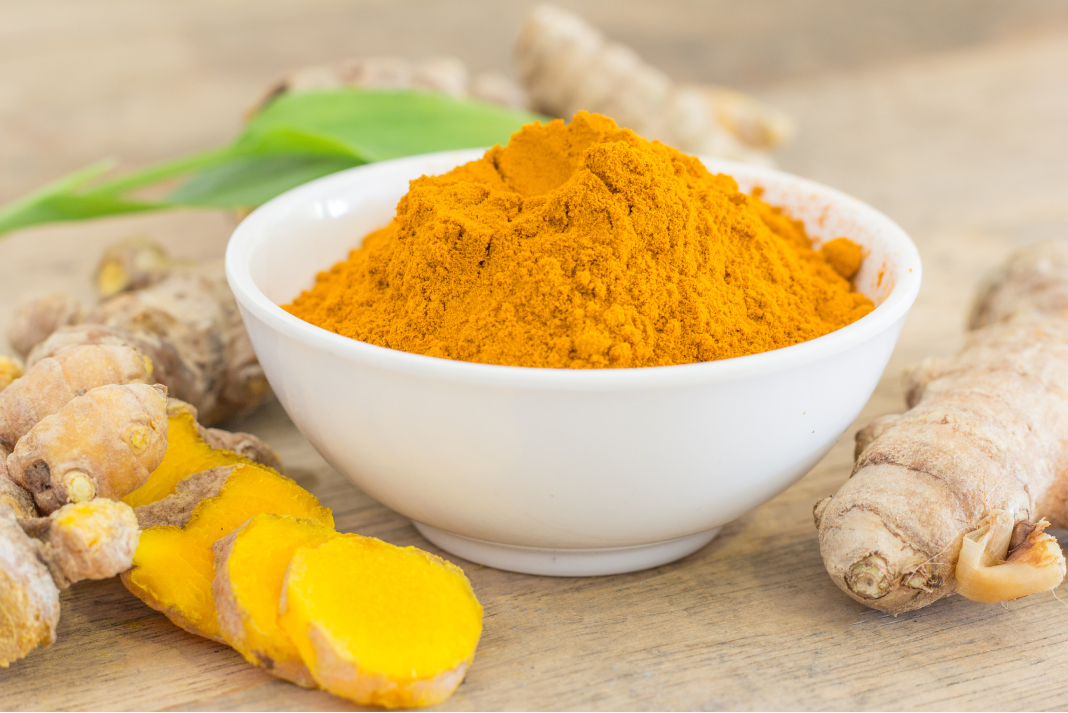
Turmeric, particularly its active compound curcumin, has been extensively studied for its potential benefits in managing arthritis pain due to its anti-inflammatory and antioxidant properties. Research indicates that curcumin may help reduce joint inflammation and pain in various forms of arthritis, including osteoarthritis (OA) and rheumatoid arthritis (RA).
🧠 How Turmeric Works for Arthritis
Mechanism of Action
Curcumin exerts its effects through multiple pathways:SpringerLink
Inhibition of Inflammatory Mediators: Curcumin suppresses the activity of nuclear factor-kappa B (NF-κB), a protein complex that regulates the expression of various pro-inflammatory genes, thereby reducing inflammation. Frontiers
Antioxidant Activity: It neutralizes free radicals and enhances the activity of the body’s own antioxidant enzymes, mitigating oxidative stress that contributes to joint damage.
Modulation of Immune Responses: Curcumin influences immune cell function, potentially reducing autoimmune responses in conditions like RA. Medical News Today+3Frontiers+3EatingWell+3
🧪 20 Scientifically-Backed Remedies Using Turmeric for Arthritis Pain
Each remedy is curated to offer a unique way to leverage turmeric (especially curcumin) for anti-inflammatory, pain-relieving, and joint-protective benefits.
🟡 1. Turmeric Capsules with Piperine
Mechanism: Standardized curcumin capsules deliver a concentrated dose that reduces systemic inflammation via NF-κB inhibition. Piperine enhances bioavailability.
Usage: Take 500–1,000 mg curcumin + 5–10 mg piperine daily.
Risk: GI upset, interactions with blood thinners.
🟡 2. Golden Milk (Turmeric Milk)
Mechanism: Warm milk enhances curcumin absorption; curcumin downregulates inflammatory cytokines.
Usage: 1 cup warm milk + 1 tsp turmeric + pinch of black pepper nightly.
Risk: Dairy intolerance, staining of teeth.
🟡 3. Topical Turmeric & Ginger Paste
Mechanism: Both herbs reduce prostaglandin production and localized inflammation.
Usage: Mix equal parts turmeric and ginger powder with water. Apply to joints for 30 min daily.
Source: Journal of Medicinal Food
Risk: Possible skin irritation.
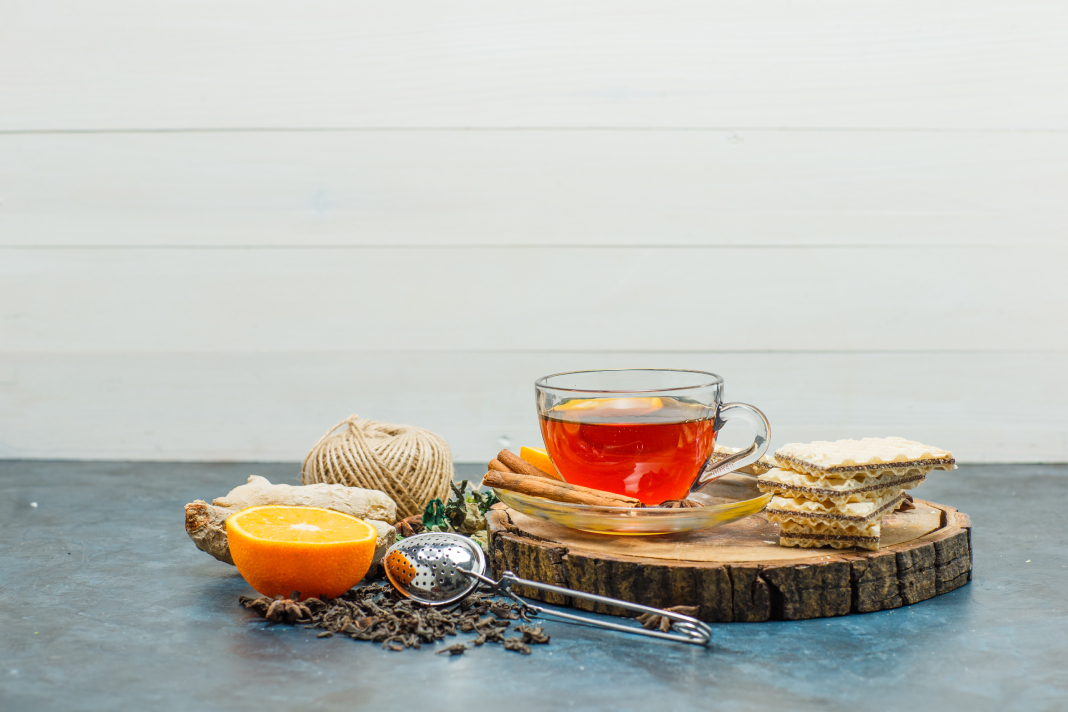
🟡 4. Turmeric Tea with Coconut Oil
Mechanism: Curcumin is fat-soluble; coconut oil increases absorption.
Usage: Boil 1 tsp turmeric in 1 cup water + 1 tsp coconut oil + pinch black pepper.
Source: Mayo Clinic Health System
Risk: Stomach upset if consumed excessively.
🟡 5. Curcumin Phytosome (Meriva®)
Mechanism: Enhanced absorption curcumin complex shown to reduce OA symptoms.
Usage: 500 mg twice daily.
Risk: Minimal; occasional nausea.
🟡 6. Turmeric Essential Oil Massage
Mechanism: Essential oil contains aromatic turmerones with anti-inflammatory properties.
Usage: Mix 2–3 drops turmeric EO with 1 tbsp carrier oil; massage gently on affected joints.
Risk: Allergic skin reactions.
🟡 7. Raw Turmeric Root (Chewing or Grating)
Mechanism: Contains curcumin and volatile oils; beneficial for mild arthritis symptoms.
Usage: Chew a 1-inch piece raw or grate into smoothies/soups daily.
Source: Ayurvedic Pharmacopoeia of India
Risk: Strong taste, possible oral staining.
🟡 8. Fermented Turmeric Paste
Mechanism: Fermentation improves bioavailability and gut absorption.
Usage: Mix turmeric powder, ginger, lemon juice, and honey. Ferment for 2 days, refrigerate, and consume 1 tsp/day.
Source: Journal of Functional Foods
Risk: Avoid if you have histamine sensitivity.
🟡 9. Turmeric Bone Broth
Mechanism: Combines joint-healing collagen with anti-inflammatory turmeric.
Usage: Add 1 tsp turmeric to 1 bowl homemade or store-bought bone broth. Consume daily.
Source: Arthritis Foundation
Risk: High sodium if store-bought.
🟡 10. Turmeric Smoothie
Mechanism: Nutrient-rich + fat + pepper boosts curcumin absorption.
Usage: Blend banana, almond milk, flax seeds, 1 tsp turmeric, 1/4 tsp black pepper.
Source: Healthline
Risk: May not suit low-sugar diets.
🟡 11. Turmeric and Aloe Vera Gel Pack
Mechanism: Reduces local joint swelling and hydrates tissues.
Usage: Mix 1 tsp turmeric with 1 tbsp aloe vera gel and apply to joints for 20–30 mins.
Risk: Minor risk of skin sensitivity.
🟡 12. Turmeric Capsules with Boswellia
Mechanism: Dual action—curcumin blocks COX-2; Boswellia reduces leukotrienes.
Usage: 250 mg turmeric + 100 mg boswellia, twice daily.
Source: PubMed
Risk: Mild GI issues.
🟡 13. Turmeric Apple Cider Vinegar Tonic
Mechanism: ACV alkalizes body; turmeric reduces oxidative stress.
Usage: Mix 1 tbsp ACV + 1/2 tsp turmeric in warm water. Drink before meals.
Source: NCBI – ACV Effects
Risk: Enamel erosion if not diluted well.
🟡 14. Turmeric & Omega-3 Softgels
Mechanism: Omega-3s reduce CRP; turmeric complements for broader anti-inflammatory support.
Usage: 500 mg turmeric + 1,000 mg EPA/DHA daily.
Source: PubMed
Risk: May thin blood.
🟡 15. Turmeric Rice or Curries (Dietary Use)
Mechanism: Preventative, daily inclusion in meals for chronic inflammation management.
Usage: Add 1/2 tsp turmeric per serving in daily cooking.
Risk: Minimal.
🟡 16. Turmeric Yogurt Mix
Mechanism: Probiotics + curcumin = gut and joint health synergy.
Usage: Stir 1/2 tsp turmeric into 1 cup plain probiotic yogurt. Eat with meals.
Source: Frontiers in Nutrition
Risk: Lactose issues.
🟡 17. Turmeric with Green Tea
Mechanism: EGCG in green tea + curcumin = synergistic antioxidant effect.
Usage: Brew green tea, stir in 1/2 tsp turmeric + black pepper.
Source: Antioxidants Journal
Risk: Stomach sensitivity.
🟡 18. Ayurvedic Turmeric Ghee Balls
Mechanism: Ghee helps curcumin absorption; traditional Vata-pacifying remedy.
Usage: Mix turmeric powder, ghee, jaggery. Form small balls. Take 1/day.
Source: [Charaka Samhita, Ayurvedic Texts]
Risk: High in calories.
🟡 19. Turmeric-Soaked Raisins
Mechanism: Ancient folk remedy believed to ease morning stiffness.
Usage: Soak 15 raisins in turmeric water overnight. Eat in the morning.
Source: Ayurveda-based practice.
Risk: Sugar content.
🟡 20. Turmeric Nasya (Nasal Oil with Turmeric)
Mechanism: Used in Ayurveda to relieve systemic inflammation by nasal delivery.
Usage: Mix turmeric oil with sesame oil. Drop 2–3 drops in nostrils.
Source: [Ayurveda College Resources]
Risk: Perform under expert supervision only.
📊 Summary Table
| Remedy | Dosage | Duration | Enhancers | Risks/Side Effects |
|---|---|---|---|---|
| Turmeric Supplements | 500–2,000 mg/day | 8–12 weeks | Piperine | GI issues, medication interactions |
| Turmeric Tea | 1–2 cups/day | Ongoing | Black pepper, fats | Possible stomach upset |
| Topical Turmeric Paste | As needed | 20–30 minutes | None | Skin irritation, staining |
🩺 Expert Opinions
Harvard Health: A study indicated that curcumin, administered at 500 mg three times daily, improved osteoarthritis symptoms comparably to the NSAID diclofenac. PMC+3Harvard Health+3Liebert Publishing+3
Arthritis Foundation: Curcumin may reduce joint pain and swelling in RA, with some studies showing effects similar to NSAIDs.
❓ Frequently Asked Questions
❓ 1. How long does it take for turmeric to work for arthritis pain?
Answer: Most clinical studies show improvement in joint pain and stiffness within 8–12 weeks of consistent turmeric or curcumin supplementation. However, results may vary based on dosage, form, and individual inflammation levels.
❓ 2. What is the best way to take turmeric for arthritis?
Answer: The most effective form is a curcumin supplement combined with piperine (black pepper) to enhance absorption. Alternatives include turmeric tea, golden milk, or topical paste for localized relief.
❓ 3. Is turmeric safe to use daily for arthritis?
Answer: Yes, turmeric is generally safe for daily use in moderate doses (500–2,000 mg of curcumin). However, long-term high doses may cause digestive issues or interfere with medications like blood thinners. Always consult your doctor before prolonged use.
❓ 4. Can turmeric replace NSAIDs or arthritis medication?
Answer: Turmeric may complement traditional treatments but should not replace prescribed medications without medical advice. Some studies show it’s as effective as NSAIDs for mild to moderate osteoarthritis, but results vary.
❓ 5. Does turmeric help with both osteoarthritis and rheumatoid arthritis?
Answer: Yes. Curcumin has shown benefits in both osteoarthritis (OA) by reducing joint wear-and-tear inflammation and rheumatoid arthritis (RA) by modulating autoimmune activity.
❓ 6. What are the side effects of using turmeric for arthritis?
Answer: Side effects are rare at moderate doses but may include:
Nausea or stomach upset
Diarrhea
Skin rash (with topical use)
Increased bleeding risk with anticoagulants
❓ 7. What time of day is best to take turmeric for joint pain?
Answer: Turmeric can be taken with meals for better absorption. Evening use (in golden milk) is popular for soothing nighttime stiffness and promoting sleep.
❓ 8. Can turmeric be used alongside other natural remedies for arthritis?
Answer: Yes. Turmeric pairs well with omega-3 fatty acids, ginger, boswellia, and green tea for a more comprehensive anti-inflammatory effect. Check for interactions if using multiple supplements.
❓ 9. Which form of turmeric is most bioavailable?
Answer: Curcumin phytosome (like Meriva®) or turmeric extract with piperine are the most bioavailable. Traditional turmeric powder has poor absorption unless combined with fat or pepper.
❓ 10. How much turmeric is too much?
Answer: Up to 2,000 mg of curcumin/day is considered safe for most adults. Exceeding this may cause:
Iron absorption issues
Gallbladder contraction
Liver enzyme elevation (rare cases)
⚠️ Disclaimer
This guide is for informational purposes only and does not substitute professional medical advice. Always consult with a healthcare provider before starting any new treatment regimen.