
1. Overview: Why Mint for IBS?
Peppermint (Mentha × piperita) has been used since antiquity for gastrointestinal comfort. Modern science supports its efficacy, especially in IBS, through mechanisms including calcium‑channel blockade and anti‑inflammatory effects sciencedirect.com+9bpsmedicine.biomedcentral.com+9health.com+9link.springer.com+15pmc.ncbi.nlm.nih.gov+15health.com+15verywellhealth.com+5reliasmedia.com+5gastrojournal.org+5.
Prevalence: IBS affects ~10‑15% of the global population .
Mint’s Role: Promotes GI smooth muscle relaxation, reduces visceral pain, and modulates gut flora link.springer.com+15pmc.ncbi.nlm.nih.gov+15aafp.org+15.
2. Mint’s Mechanism of Action
Peppermint exerts benefits through:
Smooth muscle relaxation: Menthol blocks L‑type Ca²⁺ channels, relaxing GI smooth muscle pubmed.ncbi.nlm.nih.gov+13pmc.ncbi.nlm.nih.gov+13badgut.org+13.
Antispasmodic activity: Studies demonstrate reduced contraction via calcium‑channel inhibition healthline.com+15aafp.org+15pmc.ncbi.nlm.nih.gov+15.
Visceral modulation: Menthol modulates TRPM8/TRPA1 receptors, reducing pain signaling health.com+4pmc.ncbi.nlm.nih.gov+4en.wikipedia.org+4.
Anti-inflammatory & antimicrobial: Inhibits inflammatory mediators and suppresses harmful bacteria verywellhealth.com+14pmc.ncbi.nlm.nih.gov+14eatingwell.com+14.
Psychosocial effects: May reduce anxiety, indirectly calming IBS symptoms .
3. 20 Scientifically-Backed Remedies
Each remedy includes mechanism, usage, side effects, and step‑by‑step instructions.
1. Enteric-Coated Peppermint Oil Capsules
Mechanism: Releases menthol in the intestines, avoiding heartburn .
Instructions: 0.2–0.4 mL (approx. 200–400 mg) 3× daily for 2–4 weeks .
Side Effects: Mild heartburn, perianal burning, headache pubmed.ncbi.nlm.nih.gov+2aafp.org+2en.wikipedia.org+2.
2. Small Intestine–Release Peppermint Oil
Mechanism: Targeted small-intestine delivery for IBS‑D/M relief link.springer.com.
Instructions: 1 capsule 3× daily before meals, 4–6 weeks.
Side Effects: Same as above; ensure capsule integrity.
3. Peppermint Oil in Novel Sustained-Release Format
Mechanism: Extended release boosts symptom control link.springer.com+1pubmed.ncbi.nlm.nih.gov+1.
Instructions: As per product; typically 3× daily for 4 weeks.
Side Effects: Monitor for reflux if coating ruptures.
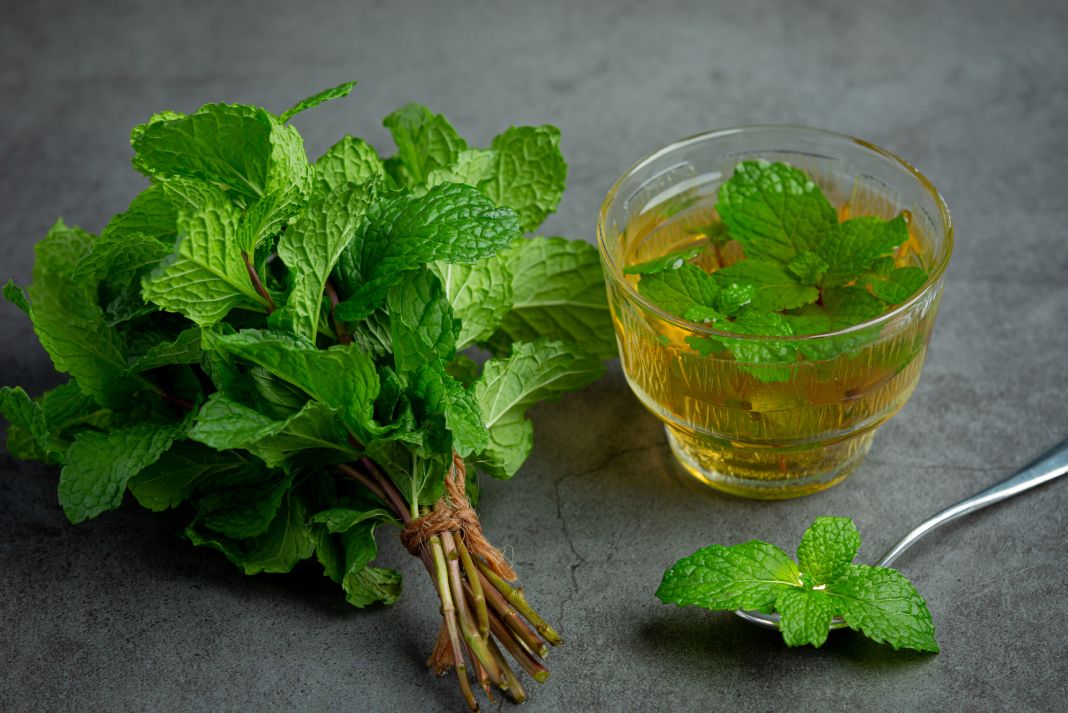
4. Peppermint Tea (Leaves Infusion)
Mechanism: Menthol in tea relaxes and calms bloating verywellhealth.com+7verywellhealth.com+7verywellhealth.com+7.
Instructions: Steep 3–5 fresh/dried leaves in hot water 5–7 min, 2–3× daily.
Side Effects: Can worsen GERD—avoid in reflux.
5. Chewing Fresh Mint Leaves
Mechanism: Slow release of oils helps reduce gas and nausea.
Instructions: Chew 3–5 leaves after meals.
Side Effects: Same as tea.
6. Peppermint Oil–Caraway Combination (IBS/Dyspepsia)
Mechanism: Synergistic relief of indigestion eatingwell.com.
Instructions: Use enteric capsules as per label (e.g., 90 mg peppermint + 50 mg caraway oil, 2×/day).
Side Effects: Similar to peppermint oil.
7. Topical Peppermint Oil on Abdomen
Mechanism: Local analgesic via TRPM8 activation.
Instructions: Dilute 1–2 drops essential oil in 1 tsp carrier oil, massage gently weekly.
Side Effects: Skin irritation—patch test.
8. Peppermint Oil Inhalation (Stress-Related IBS)
Mechanism: Nervous-system calming via inhaled aroma.
Instructions: Add 1 drop to diffuser near workspace for 10–15 min.
Side Effects: Respiratory irritation; avoid allergies.
9. Mint-and-Ginger Tea Blend
Mechanism: Adds ginger’s prokinetic & anti-inflammatory effects aafp.orgjmsh.ac.in+1gastrojournal.org+1pmc.ncbi.nlm.nih.gov+1en.wikipedia.org+1.
Instructions: Mix fresh mint with 1 g dried ginger root, steep 7 min, 2× daily.
Side Effects: Ginger may cause heartburn if reflux-prone.
10. Mint-infused Warm Water (Hydration + Digestive Support)
Mechanism: Hydration and mild antispasmodic effect.
Instructions: Add few leaves to 500 ml warm water; sip throughout day.
Side Effects: Rare.
11. Peppermint Oil with Probiotics
Mechanism: Combines muscle relaxation (mint) with microbiome stabilization.
Instructions: Take morning probiotic; peppermint capsule midday; low-FODMAP diet.
Side Effects: Minimal; monitor bloating/stomach upset.
12. Mint + Fennel Chewing Post-meal Candy
Mechanism: Fennel aids digestion, light antibacterial.
Instructions: Suck on non-sugar candy containing mint & fennel oil after meals.
Side Effects: Sugar content may exacerbate IBS-D if sensitive.
13. Mint Essential Oil in Bath
Mechanism: Relaxation via somatic afferents, calming GI reflex.
Instructions: Add 5 drops to warm bath, soak 15 min before bedtime.
Side Effects: Skin irritation; dilute properly.
14. Peppermint Oil Capsule Cycling
Mechanism: Prevents tolerance over long term.
Instructions: 4 weeks on, 2 weeks off; reassess symptoms.
15. Mint Leaf Smoothie
Mechanism: Gentle digestion aid + nutrients.
Instructions: Blend handful of fresh mint with yogurt, banana, low-FODMAP fruits.
Side Effects: Dairy may provoke some.
16. Mint in Low-FODMAP Soups
Mechanism: Flavor without GI challenge.
Instructions: Add fresh mint to carrot-ginger broth post-cook, 1 tsp leaves per bowl.
Side Effects: None.
17. Peppermint Oil Micro-Encapsulated Chewables
Mechanism: Rapid gut release, convenient delivery.
Instructions: 1–2 chewables after meals, per label.
Side Effects: Watch for reflux.
18. Peppermint Oil + Relaxation Routine
Mechanism: Tackles stress-induced IBS.
Instructions: Diaphragmatic breathing (5 min), peppermint oil capsule before morning coffee.
19. Mint Leaf Powder Supplement
Mechanism: More nutrients, milder effect than oil.
Instructions: 250 mg capsule 2×/day before meals.
Side Effects: Minimal—ensure GMP-certified supplement.
20. Lifestyle-Integrated Breath Minting
Mechanism: Quick stress and spice-induced GI relief.
Instructions: Carry sugar-free mint lozenge; use after heavy/spicy meals.
4. Comparative Summary
| Remedy Type | Speed of Relief | Best For | Risk Level |
|---|---|---|---|
| Enteric-coat oil capsules | 1–3 days | IBS pain & bloating | Moderate (heartburn) |
| Small-intestine release capsules | 3–5 days | IBS-D, IBS-M diarrhea | Moderate |
| Tea (fresh/dried leaves) | Immediate | Mild indigestion, nausea | Low (GERD risk) |
| Topical/inhalation/bath | Varies | Stress-related pain, bloating | Low–moderate |
| Combo (ginger/caraway/probiotic) | 1–2 weeks | Holistic gut health | Low |
| Lifestyle integration + supplementation | Variable | Long-term maintenance | Minimal |
5. Suggested Daily Routine
Morning
Warm water with mint leaves
Slow breakfast smoothie with mint + probiotic
Mid-Morning
Mint oil capsule (enteric-coated)
Pre-Lunch
Peppermint-tea blend (ginger optional)
After Lunch
Mint-lemon bacteria suppository (optional)
Afternoon
10-min mint oil inhalation during stress break
Evening
Mint‑caraway capsule
Peppermint-infused bath before bed
Weekly
Cycle topical oil twice/week
1 week off mint capsules monthly
6. Expert Quotes 🩺
“Peppermint oil is significantly superior to placebo for global IBS symptom improvement (relative risk 2.23; pain relief RR 2.14)” – systematic meta-analysis healthline.com+15pubmed.ncbi.nlm.nih.gov+15gastrojournal.org+15en.wikipedia.org+2en.wikipedia.org+2verywellhealth.com+2en.wikipedia.org+1en.wikipedia.org+1verywellhealth.com+2thespruceeats.com+2verywellhealth.com+2aafp.orgeatingwell.comsciencedirect.com+1jmsh.ac.in+1healthline.com+1aafp.org+1.
“Menthol blocks calcium‑channels in human colon, directly relaxing smooth muscle” – Hawthorn et al. pmc.ncbi.nlm.nih.gov+1bpsmedicine.biomedcentral.com+1.
“Fresh leaves may help mild symptoms but do not match clinical peppermint oil efficacy” – dietitian Jessie Wong, RDN eatingwell.com.
7. Frequently Asked Questions (SEO-Boost Section)
How long until mint starts helping IBS?
Oil capsules often work within days to a week; teas may offer relief in minutes to hours.Are home remedies as effective as prescription meds?
Peppermint oil shows similar efficacy to antispasmodics for mild-moderate IBS, with fewer side effects .Is mint safe long-term?
Generally yes—rotating therapy cycles (4 weeks on/2 weeks off) keeps tolerance low and reduces reflux. Avoid in pregnancy/reflux.Can peppermint worsen heartburn?
Yes, especially non-enteric oil; coating or tea helps minimize risk.Peppermint oil vs. fresh mint leaves—which is better?
Oil is 3–10× more potent; leaf tea is gentler with lower risk.Can I use mint with medications?
Caution: peppermint may interact by inhibiting CYP450 enzymes—consult your doctor if taking liver-metabolized meds health.com+1eatingwell.com+1.Can children use mint for stomach pain?
Enteric-coated capsules are studied in >8 yrs with positive results; fresh teas are safer under supervision.Side effects to watch for?
Heartburn, perianal burning, rare allergic skin reactions, and interactions with certain meds.Can mint treat other digestive issues?
Yes—studies show efficacy in dyspepsia, nausea, and gas aafp.org.When to see a doctor?
Seek help if symptoms are severe, chronic, accompanied by bleeding, weight loss, or alarming signs.
8. Full Disclaimer
This is an informational resource, not medical advice. Consult a healthcare professional before starting any new supplement or herbal regimen. Discontinue use and seek medical advice if adverse effects occur.