

Morning herbal tonics have long been revered in traditional medicine systems like Ayurveda and Traditional Chinese Medicine (TCM) for their role in promoting digestive health. Modern scientific research is beginning to validate these ancient practices, highlighting how specific herbs can positively influence gut microbiota, reduce inflammation, and enhance overall gastrointestinal function.PMC
🌿 What Are Morning Herbal Tonics?
Morning herbal tonics are beverages prepared from various herbs known to support digestive health. Consumed on an empty stomach, these tonics aim to:
Stimulate digestive enzymes
Balance gut microbiota
Reduce gastrointestinal inflammation
Enhance nutrient absorptionGoodRx+30Pinterest+30Pinterest+30Pinterest+17Verywell Health+17Megawecare+17
Incorporating these tonics into your morning routine can set a positive tone for your digestive system throughout the day.
🧪 How Herbal Tonics Support Gut Health
Herbal tonics contribute to gut health through several mechanisms:
Prebiotic Effects: Certain herbs act as prebiotics, nourishing beneficial gut bacteria.
Anti-inflammatory Properties: Many herbs contain compounds that reduce inflammation in the gastrointestinal tract.
Mucosal Protection: Some herbs form protective layers on the gut lining, preventing irritation and promoting healing.
Microbiota Modulation: Herbs can influence the composition and function of gut microbiota, leading to improved digestion and immunity.
🌿 Top Scientifically-Backed Morning Herbal Tonics for Gut Health
1. Triphala
Mechanism: A blend of three fruits—Amalaki, Bibhitaki, and Haritaki—Triphala acts as a gentle laxative and supports detoxification.
Usage: Mix 1 teaspoon of Triphala powder in warm water; consume before bedtime.
Risks: May cause diarrhea in high doses; consult a healthcare provider if pregnant or nursing.
2. Licorice Root (Glycyrrhiza glabra)
Mechanism: Contains glycyrrhizin, which has anti-inflammatory and mucosal protective effects.
Usage: Steep 1 teaspoon of dried licorice root in hot water for 10 minutes; drink once daily.
Risks: Can elevate blood pressure; use deglycyrrhizinated licorice (DGL) if concerned.Amy Myers MD
3. Slippery Elm (Ulmus rubra)
Mechanism: Rich in mucilage, it soothes the gut lining and alleviates irritation.
Usage: Mix 1 tablespoon of slippery elm powder in warm water; consume before meals.
Risks: May interfere with medication absorption; take separately from other drugs.Amy Myers MD+1Real Simple+1
4. Chamomile (Matricaria chamomilla)
Mechanism: Possesses anti-inflammatory and antispasmodic properties, easing digestive discomfort.
Usage: Steep 2 teaspoons of dried chamomile flowers in hot water for 10 minutes; drink after meals.
Risks: May cause allergic reactions in individuals sensitive to ragweed.Health
5. Ginger (Zingiber officinale)
Mechanism: Stimulates digestive enzymes and alleviates nausea.
Usage: Boil 1-inch piece of fresh ginger in water for 10 minutes; drink before meals.
Risks: High doses may cause heartburn or interact with blood-thinning medications.
6. Fennel (Foeniculum vulgare)
Mechanism: Relaxes gastrointestinal muscles, reducing bloating and gas.
Usage: Crush 1 teaspoon of fennel seeds and steep in hot water for 10 minutes; drink after meals.
Risks: Generally safe; excessive consumption may lead to photosensitivity.
7. Peppermint (Mentha piperita)
Mechanism: Contains menthol, which has antispasmodic effects on the digestive tract.
Usage: Steep 1 teaspoon of dried peppermint leaves in hot water for 10 minutes; drink before meals.
Risks: May worsen acid reflux in some individuals.
8. Marshmallow Root (Althaea officinalis)
Mechanism: High mucilage content soothes and protects the gut lining.
Usage: Steep 1 tablespoon of dried marshmallow root in cold water overnight; strain and drink in the morning.
Risks: May affect blood sugar levels; consult a healthcare provider if diabetic.
9. Aloe Vera
Mechanism: Contains compounds that promote healing of the digestive tract and have laxative effects.
Usage: Consume 1 tablespoon of aloe vera juice on an empty stomach.
Risks: Excessive use can lead to diarrhea and electrolyte imbalance.
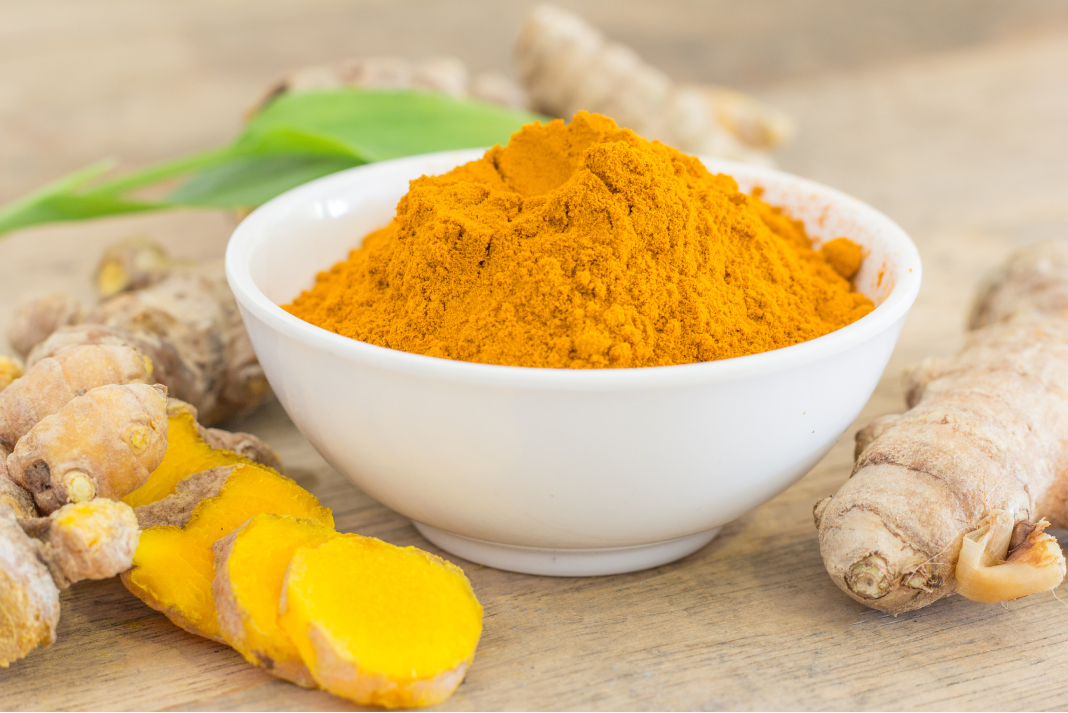
10. Turmeric (Curcuma longa)
Mechanism: Curcumin, the active compound, has anti-inflammatory and antioxidant properties.
Usage: Mix 1 teaspoon of turmeric powder in warm water with a pinch of black pepper; drink daily.
Risks: High doses may cause stomach upset or interact with blood-thinning medications.
11. Dandelion Root (Taraxacum officinale)
Mechanism: Stimulates bile production, aiding digestion and liver detoxification.
Usage: Steep 1 teaspoon of dried dandelion root in hot water for 10 minutes; drink before meals.
Risks: May cause allergic reactions in individuals sensitive to ragweed.
12. Gentian Root (Gentiana lutea)
Mechanism: Bitter compounds stimulate digestive enzymes and bile flow.
Usage: Steep 1/2 teaspoon of dried gentian root in hot water for 5 minutes; drink before meals.
Risks: May cause nausea or vomiting in high doses.
13. Artichoke Leaf (Cynara scolymus)
Mechanism: Enhances bile secretion and supports liver function.
Usage: Steep 1 teaspoon of dried artichoke leaves in hot water for 10 minutes; drink before meals.
Risks: May cause allergic reactions in individuals sensitive to plants in the Asteraceae family.
14. Wormwood (Artemisia absinthium)
Mechanism: Stimulates digestion and has antimicrobial properties.
Usage: Steep 1/2 teaspoon of dried wormwood in hot water for 5 minutes; drink before meals.
Risks: High doses can be toxic; use under professional supervision.
15. Lemon Balm (Melissa officinalis)
Mechanism: Calms the nervous system and alleviates digestive discomfort.
Usage: Steep 1 teaspoon of dried lemon balm in hot water for 10 minutes; drink after meals.
Risks: May cause drowsiness; avoid operating heavy machinery after consumption.
👩⚕️ Expert Quotes
“Herbal tonics, especially those rich in polyphenols and prebiotics, help shape the gut microbiome, reducing inflammation and supporting long-term digestive wellness.”
— Dr. Megan Rossi, Gut Health Specialist (Source: The Gut Health Doctor)
“Morning gut-friendly herbs like Triphala and ginger can enhance peristalsis, increase nutrient absorption, and rebalance the microbiome — especially when taken on an empty stomach.”
— Dr. Aviva Romm, MD & Herbalist (NCBI)
🧘♂️ Structured Morning Routine for Gut Health
| Time | Activity | Purpose |
|---|---|---|
| 🌅 6:30 AM | Drink a glass of warm water with lemon | Kickstarts digestion, hydrates |
| 🧪 7:00 AM | Take 1 herbal tonic (from above list) | Supports gut microbiome, detox |
| 🏃 7:30 AM | Light yoga or walk | Aids bowel movement and circulation |
| 🍵 8:00 AM | Light breakfast (fermented or fiber-rich) | Provides probiotics and prebiotics |
| 💧 Throughout morning | Stay hydrated with herbal water (e.g., fennel, mint) |
❓ 10 FAQs – Morning Herbal Tonics for Gut Health
Can I drink more than one herbal tonic a day?
✔️ Yes, but rotate herbs and don’t consume more than 2–3 types per day to avoid overloading the gut.How long before I see results?
⏳ Most people notice improvement in bloating and regularity within 1–2 weeks.Are herbal tonics better than probiotics?
🧬 Not better, but complementary — herbs nourish and balance the environment for probiotics to thrive.Can I mix herbs in one tonic?
🌿 Yes, combinations like Triphala + ginger or fennel + peppermint are synergistic.Are these safe for children or pregnant women?
👶 Not all — avoid strong laxatives like aloe or wormwood; consult a physician.Do I need to cycle these remedies?
🔁 Yes, consider switching every 2–3 weeks to avoid tolerance and maintain effectiveness.Can these help with IBS or leaky gut?
✅ Some like slippery elm, licorice, and marshmallow are scientifically studied for IBS and mucosal repair.Should I use powders, capsules, or teas?
☕ Teas are ideal in the morning for gentle gut stimulation and hydration.Are there any herbs to avoid long-term?
⚠️ Yes. Long-term use of high-dose licorice, wormwood, or aloe is discouraged without supervision.Is it okay to sweeten herbal tonics?
🍯 Prefer unsweetened. If needed, use a small amount of raw honey or stevia.
⚠️ Disclaimer
This guide is for informational purposes only and does not substitute professional medical advice. Always consult your healthcare provider before starting any new herbal routine, especially if you have existing medical conditions or are pregnant/nursing.