
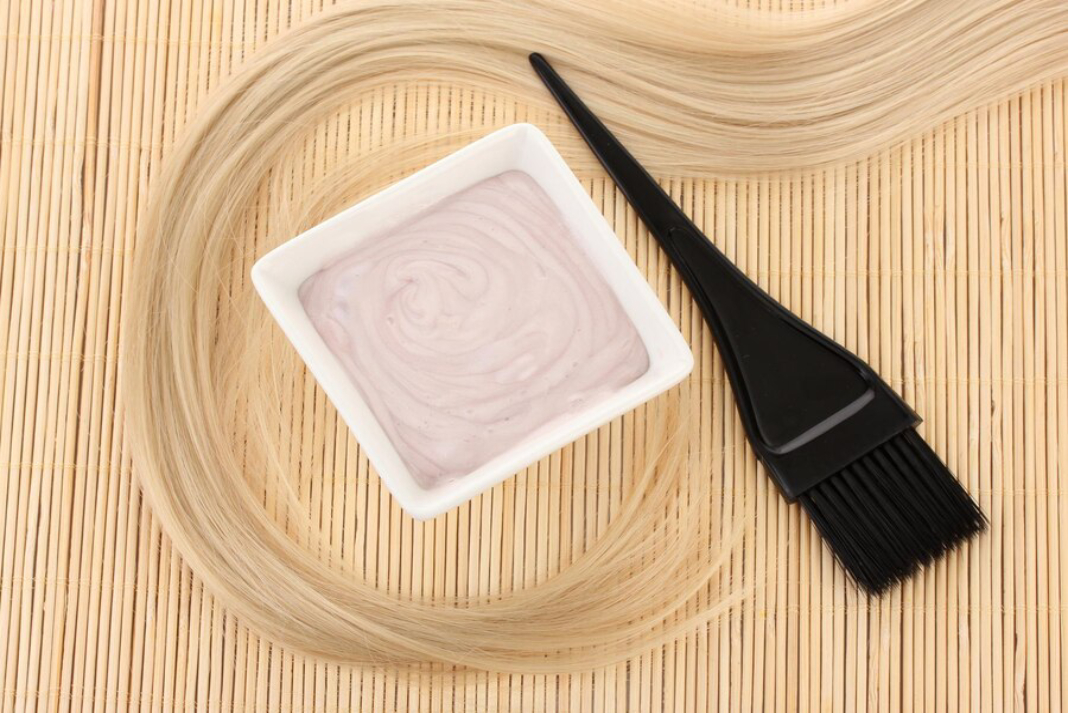
🔎 Why Natural Dyes?
Grey hair is a common concern among adults aged 25 and above, with causes ranging from genetics and stress to nutrient deficiencies. While commercial dyes are quick fixes, they often contain ammonia, PPD, and peroxide — all linked to scalp irritation, hair thinning, and long-term damage.
Natural dyes, especially those backed by Ayurveda and modern studies, offer a safer, gentler, and often nourishing alternative.
✅ Summary Table: Natural Dyes at a Glance
| Natural Dye | Best For | Color Result | Safe for Treated Hair? | Scientific Backing |
|---|---|---|---|---|
| Henna | Brown/Red hues | Auburn-Brown | ✅ Yes | PubMed |
| Indigo | Black/Dark Brown | Deep Brown-Black | ✅ Yes | NCBI |
| Coffee | Light brown shades | Chestnut Brown | ✅ Yes | Yes, natural stain |
| Black Tea | Mild coverage | Dark Brown | ✅ Yes | Mild efficacy |
| Amla | Enhancing natural pigment | Darkens strands | ✅ Yes | NCBI |
| Bhringraj | Grey delay & black tint | Jet Black Tint | ✅ Yes | NCBI |
| Curry Leaves | Early greying | Natural black enhancement | ✅ Yes | PubMed |
🧪 1. Henna (Lawsonia inermis)
Color: Auburn to reddish brown
Mechanism: Lawsone binds to keratin, naturally staining hair
Usage:
Mix 100g henna with warm tea water
Let it rest for 6–8 hours (dye release)
Apply to hair & leave for 2–4 hours
Rinse with plain water (no shampoo for 48 hrs)
Risks: Can dry out hair if overused — always add yogurt or oil
📖 Study: Lawsone’s dyeing action supports strong hair binding, proven safe even for chemically treated strands.
🌑 2. Indigo (Indigofera tinctoria)
Color: Deep black to dark brown
Mechanism: Indigotin pigment binds to hair protein
How to Use:
Apply henna first → rinse → dry
Mix indigo with warm water, apply within 10 minutes
Leave for 1–2 hours → rinse without shampoo
Better than synthetic black dyes due to no PPD
🧬 Scientific Source: Indigo hair dye potential
☕ 3. Coffee
Color: Light chestnut to deep brown
How It Works: Caffeine and tannins stain the outer hair shaft
Usage:
Brew strong coffee (2 tbsp coffee + 1 cup water)
Cool & mix with conditioner or henna
Apply for 1 hour, rinse
Risks: Temporary color; needs weekly application
🍵 4. Black Tea
Color: Dark brown enhancement
How It Works: Polyphenols and tannins darken grey strands
Step-by-Step:
Boil 4–5 black tea bags
Cool and rinse hair after shampooing
Leave for 30–60 mins
Best Used: With rosemary or sage for deeper color
🌰 5. Walnut Shells
Color: Dark brown
Mechanism: Juglone pigment offers strong staining
How to Use:
Boil crushed shells (1 hour)
Cool and strain
Apply as final rinse
Risks: May cause staining on skin/clothes
🍇 6. Hibiscus Petal Powder
Color: Enhances burgundy or reddish tints
Mechanism: Natural anthocyanins deposit pigment
Use With: Henna or as herbal conditioner
Instructions: Mix 2 tbsp powder with water, apply for 30 min
🍀 7. Bhringraj (Eclipta alba)
Color: Jet black tint (subtle but builds over time)
Backed by: Bhringraj as melanogenesis promoter
How to Use:
Boil Bhringraj leaves or use powder
Apply paste 2–3x weekly
Mix with coconut oil for overnight mask
🌿 8. Amla (Indian Gooseberry)
Color: Doesn’t dye but darkens existing strands
Mechanism: High vitamin C restores melanin
Usage:
Mix amla powder with water
Leave 30–40 mins before rinsing
Best For: Hair strengthening + pigment restoration
🍛 9. Curry Leaves
Color: Restores black tone gradually
How to Use:
Blend fresh leaves with yogurt
Apply as hair mask weekly
Scientific Basis: Curry leaves & melanin
🪵 10. Sage
Color: Grey to dark brown
How It Works: Rich in tannins
How to Use:
Simmer dried sage in water (30 mins)
Cool and apply after shampoo
Leave for 1 hour
🌾 11. Fenugreek + Henna Blend
Color: Copper-brown
Mechanism: Natural lecithin + protein repair
Steps:
Soak 2 tbsp fenugreek overnight
Grind & mix into henna
Apply and leave for 2–3 hrs
🍃 12. Beetroot Juice
Color: Subtle burgundy for greying edges
How to Use: Mix beet juice with henna or coconut oil
🧄 13. Sage + Rosemary Rinse
Dual Action: Darkening + scalp circulation
Usage:
Boil herbs
Apply after shampooing
Leave 1 hour or as leave-in
🍋 14. Lemon Peel + Henna
Why: Boosts color release
Use: Add to henna mix for deeper orange/brown tones
🍠 15. Potato Peel Rinse
Color: Mild darkening
Use:
Boil peels in water
Strain & cool
Apply as weekly rinse
🌿 16. Manjistha (Rubia cordifolia)
Color: Reddish-brown hue enhancer
Use: Blend with henna
🌴 17. Coconut Oil + Herbal Mix
Mechanism: Oil locks in dye + nourishes shaft
Use With: Henna, indigo, or amla powders
🌸 18. Chamomile (For Highlights)
Color: Golden hues
Use:
Steep 5 bags
Apply as final rinse for light brown hair
🌿 19. Neem + Indigo
Why: Neem cleanses scalp, indigo tints
Usage: Mix neem powder into indigo paste
🌼 20. Cassia Obovata (Neutral Henna)
Color: Adds shine, soft gold tint
Safe for: Chemically treated or dry hair
🧠 Expert Quotes
“Natural hair dyes like henna and indigo provide long-lasting color with minimal damage compared to synthetic dyes.”
— Dr. Rupal D., Ayurvedic Dermatologist, India Journal of Trichology
“The polyphenols in black tea and sage can temporarily mask greying — ideal for early-stage reversal.”
— Dr. Meera Patil, PhD, Herbal Cosmeceutics Researcher
📆 Structured Routine (Weekly)
| Day | Activity |
|---|---|
| Mon | Herbal oil massage (amla/bhringraj) |
| Tue | Henna base application |
| Wed | Indigo second coat |
| Thu | Herbal rinse (sage/tea) |
| Sat | Conditioning with fenugreek mask |
| Sun | Touch-up with coffee/tea rinse |
❗ Risks & Disclaimers
Always patch test herbal dyes for allergies.
Natural colors build gradually – don’t expect instant black coverage.
Avoid metal bowls/spoons when preparing henna/indigo.
Results vary by hair porosity and prior chemical damage.
🙋♀️ FAQs
1. How long does henna and indigo color last?
✅ Typically 4–6 weeks depending on hair wash routine and porosity.
2. Can I use natural dyes on chemically treated hair?
Yes, especially cassia, henna, and amla are safe for color-damaged strands.
3. Do natural dyes work on fully white hair?
They can, but results may be lighter or need multiple layers (henna → indigo).
4. Which natural dye is safest for daily use?
Black tea or coffee rinses are gentle and safe for daily application.
5. Is there a natural dye for golden/brown tints?
Yes — try chamomile or cassia for light-colored tones.
6. Can these dyes cover premature greying?
Yes. Curry leaves, bhringraj, and amla also slow further greying.
7. Will my hair smell after henna?
Yes, slightly earthy. Mix with clove or tea tree oil to reduce smell.
8. Can I mix dyes for better results?
Absolutely. Henna + indigo or henna + hibiscus are powerful combos.
🏁 Conclusion
Covering grey hair doesn’t have to mean chemicals and scalp damage. From ancient Ayurvedic powders to modern plant-based pigments, nature offers powerful, proven options for every hair type and age. 🌱
With consistent use and the right blend, you can revive your natural shade, nourish your scalp, and ditch the damage — one strand at a time.