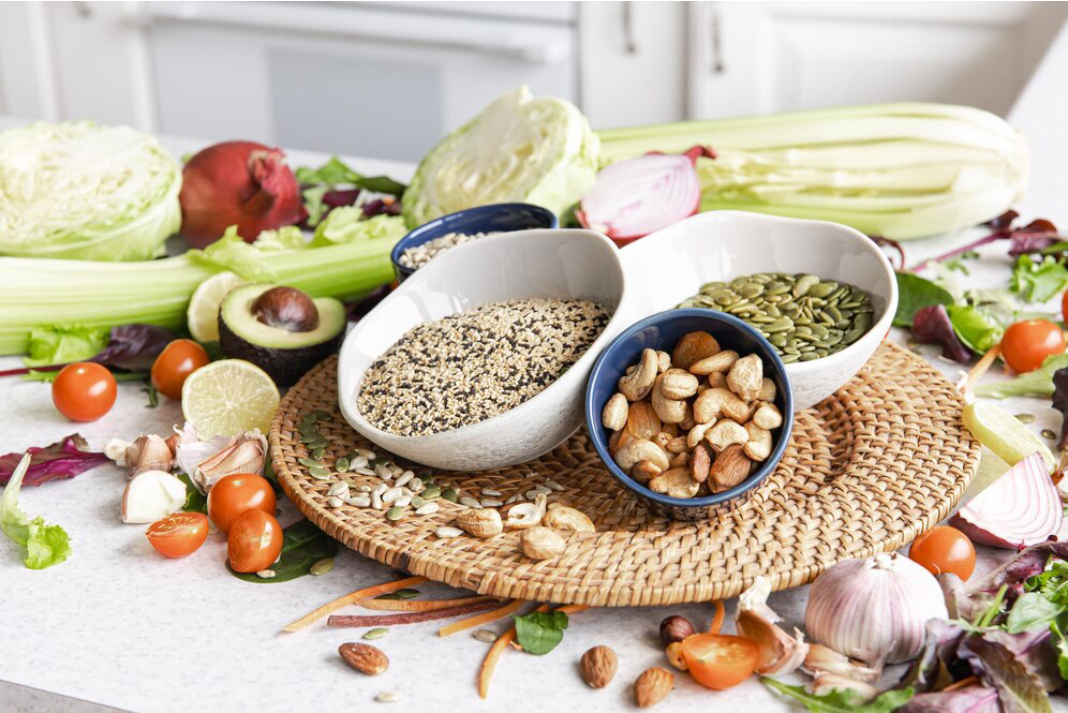

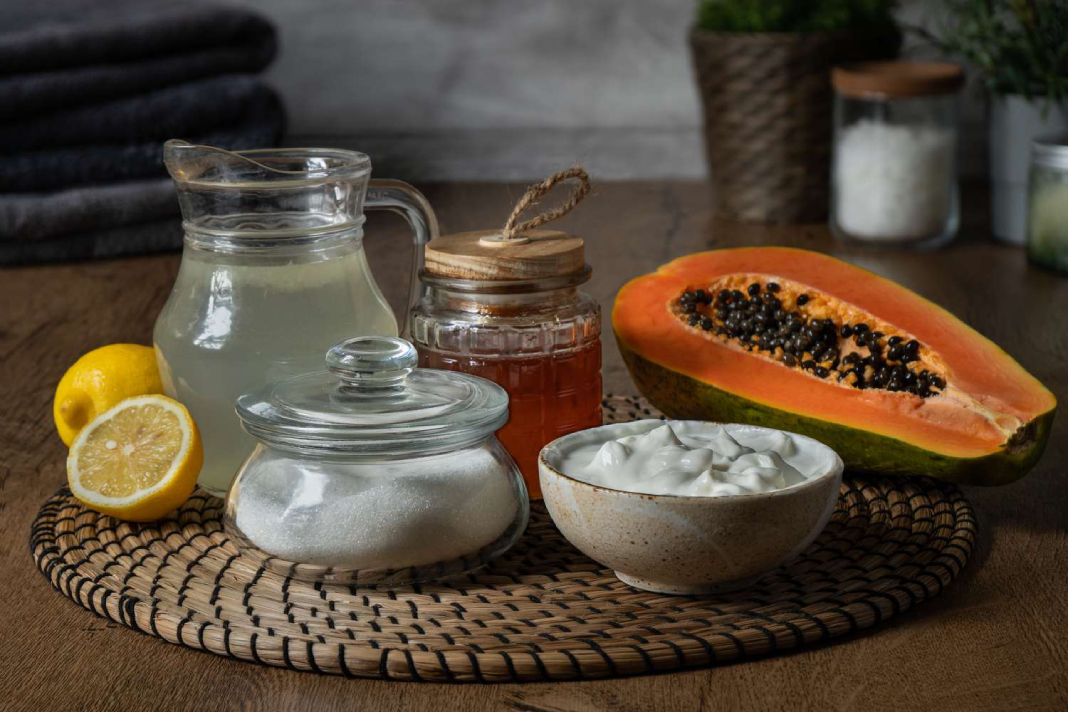
Exfoliation is the process of removing dead skin cells from the surface of your skin to promote cell turnover, boost glow, unclog pores, and allow better product absorption. But commercial scrubs often contain microbeads, parabens, and harsh chemicals that irritate sensitive skin.
Natural kitchen exfoliants offer a gentle, eco-friendly, and often cheaper alternative — with some showing comparable effectiveness to over-the-counter products when used consistently.
🧪 20+ Natural Exfoliants with Scientific Backing & Usage
✅ 1. Sugar
Mechanism:
Sugar crystals act as a physical exfoliant. They remove dead skin cells through abrasion, while glycolic acid (naturally found in sugarcane) boosts cell turnover and smooths texture.Scientific Insight:
Glycolic acid is an alpha hydroxy acid (AHA) that loosens bonds between dead cells, promoting skin renewal.
🔗 PubMed SourceHow to Use (Step-by-Step):
Mix 1 tsp sugar with 1 tsp olive or jojoba oil.
Apply to damp face or body.
Massage gently in circular motions for 1 minute.
Rinse with lukewarm water.
Risks:
Can be abrasive for sensitive skin.
Avoid if you have active acne or eczema.
Why It Works:
Offers immediate smoothness and is great for dry patches, lips, and body exfoliation.
✅ 2. Oatmeal
Mechanism:
Oats contain saponins that naturally cleanse the skin and avenanthramides that soothe inflammation. Ground oats gently scrub without irritating.Scientific Insight:
Oatmeal has anti-inflammatory and moisturizing properties, making it ideal for sensitive or eczema-prone skin.
🔗 PubMed SourceHow to Use (Step-by-Step):
Grind 2 tbsp oats into a fine powder.
Mix with warm water or milk to make a paste.
Apply and massage gently.
Rinse with water after 5 minutes.
Risks:
Rare; suitable for all skin types.
Why It Works:
Exceptionally safe and effective for gentle exfoliation, even on sensitive or reactive skin.
✅ 3. Coffee Grounds
Mechanism:
Coffee grounds exfoliate physically, and caffeine improves blood flow, reducing puffiness and possibly improving cellulite appearance.Scientific Insight:
Caffeine has antioxidant and vasoconstrictive effects that may improve skin texture.
🔗 PubMed SourceHow to Use (Step-by-Step):
Mix 1 tbsp used coffee grounds with 1 tbsp coconut oil.
Use on body (avoid face).
Scrub in circular motions and rinse.
Risks:
Too abrasive for facial use.
Avoid on irritated or broken skin.
Why It Works:
Stimulates circulation and leaves skin feeling energized.
✅ 4. Yogurt
Mechanism:
Yogurt contains lactic acid, an AHA that gently dissolves dead skin cells and hydrates skin.Scientific Insight:
Lactic acid improves skin tone, smoothness, and hydration.
🔗 PMC SourceHow to Use (Step-by-Step):
Apply plain yogurt to cleansed face.
Leave on for 10 minutes.
Rinse with lukewarm water.
Risks:
Rare allergy to dairy proteins.
Why It Works:
A gentle enzymatic exfoliator suitable for dry or mature skin types.
✅ 5. Rice Flour
Mechanism:
Fine particles in rice flour physically exfoliate, while its antioxidant ferulic acid promotes brightening.Scientific Insight:
Rice compounds are shown to reduce pigmentation and UV damage.
🔗 PMC SourceHow to Use (Step-by-Step):
Mix 1 tbsp rice flour with rose water.
Apply and massage gently.
Rinse after 2–3 minutes.
Risks:
Minimal, non-abrasive if applied gently.
Why It Works:
Excellent for dull, pigmented, or sun-damaged skin.
✅ 6. Lemon Juice
Mechanism:
Rich in citric acid, lemon juice acts as a chemical exfoliant, dissolving dead skin and lightening dark spots.Scientific Insight:
Citric acid is a proven alpha hydroxy acid effective in exfoliation.
🔗 PubMed SourceHow to Use (Step-by-Step):
Mix 1 tsp lemon juice with 1 tsp water.
Apply with a cotton pad and leave for 1–2 minutes.
Rinse off and moisturize.
Risks:
Causes photosensitivity. Avoid sunlight post-use.
May irritate sensitive skin.
Why It Works:
Great for oily, acne-prone skin when used cautiously.
✅ 7. Chickpea Flour (Besan)
Mechanism:
Provides gentle exfoliation while absorbing oil and impurities from skin.Scientific Insight:
A time-tested Ayurvedic remedy for acne-prone skin.
🔗 PMC SourceHow to Use (Step-by-Step):
Mix 1 tbsp besan with rose water or yogurt.
Apply as a paste.
Let sit for 10 mins, then scrub off gently while rinsing.
Risks:
Rare; highly tolerable.
Why It Works:
Brightens, controls sebum, and exfoliates in one go.
✅ 8. Pineapple
Mechanism:
Contains bromelain, an enzyme that dissolves keratin and exfoliates chemically.Scientific Insight:
Bromelain is effective in skin rejuvenation and keratolytic therapy.
🔗 PubMed SourceHow to Use (Step-by-Step):
Dab pineapple pulp on skin.
Leave for 3–5 mins.
Rinse thoroughly.
Risks:
Enzymatic action may cause tingling or stinging.
Why It Works:
Natural chemical peel alternative; great for rough or textured skin.
✅ 9. Tomato
Mechanism:
Lycopene + natural acids exfoliate, shrink pores, and brighten.Scientific Insight:
Lycopene is a powerful antioxidant for photoprotection and anti-aging.
🔗 PubMed SourceHow to Use (Step-by-Step):
Apply mashed tomato pulp on clean skin.
Leave for 5–7 minutes.
Rinse well.
Risks:
Mild irritation if overused.
Why It Works:
Combats oiliness and dull tone effectively.
✅ 10. Turmeric
Mechanism:
Curcumin, the main compound in turmeric, has strong antioxidant and exfoliating properties.Scientific Insight:
Curcumin helps in skin regeneration and reduces acne-causing inflammation.
🔗 PubMed SourceHow to Use (Step-by-Step):
Mix turmeric with milk or besan.
Apply for 10–15 minutes.
Rinse gently.
Risks:
Can temporarily stain skin and clothes.
Why It Works:
Ideal for acne-prone or dull skin in need of glow.
✅ 11. Orange Peel Powder
Mechanism:
Exfoliates physically while providing vitamin C to improve brightness.Scientific Insight:
Dried peel retains potent antioxidants and vitamin C.
🔗 PubMed SourceHow to Use (Step-by-Step):
Mix with yogurt or rose water.
Scrub gently and rinse after 3 minutes.
Risks:
Use cautiously on sensitive or broken skin.
Why It Works:
Excellent natural glow-enhancer and blackhead remedy.
✅ 12. Sea Salt
Mechanism:
Physical exfoliant with detoxifying minerals like magnesium and calcium.Scientific Insight:
Studies show sea salt therapy improves skin barrier function.
🔗 PubMed SourceHow to Use (Step-by-Step):
Mix 1 tbsp sea salt with coconut or olive oil.
Scrub gently on body (not face).
Rinse well.
Risks:
Too abrasive for face. Avoid on broken skin.
Why It Works:
Best for thick, dry body skin (elbows, knees, feet).
✅ 13. Green Tea Leaves
Mechanism:
Tannins and polyphenols act as antioxidants and sebum regulators.Scientific Insight:
EGCG in green tea has anti-inflammatory, anti-aging effects.
🔗 PubMed SourceHow to Use (Step-by-Step):
Open a used green tea bag.
Mix with honey.
Gently scrub and rinse.
Risks:
Rare; safe for most users.
Why It Works:
Tightens skin, reduces oil, and delays signs of aging.
✅ 14. Cucumber + Rice
Mechanism:
Cucumber hydrates and cools; rice flour scrubs gently.Scientific Insight:
Cucumber’s high water content and vitamin C soothe inflammation.
🔗 PubMed SourceHow to Use (Step-by-Step):
Blend cucumber, add rice flour.
Apply, leave for 10 mins.
Massage lightly and rinse.
Risks:
Very low; suitable for all skin types.
Why It Works:
Ideal for summer or puffy, dull skin.
✅ 15. Milk
Mechanism:
Contains lactic acid, a mild exfoliant that hydrates and peels.Scientific Insight:
Lactic acid is a gold-standard AHA for skin smoothness.
🔗 PMC SourceHow to Use (Step-by-Step):
Dab raw milk with cotton on skin.
Leave for 5–7 mins.
Rinse and moisturize.
Risks:
Avoid if allergic to dairy.
Why It Works:
Great for dry, aging, or dull skin.
✅ 16. Honey + Sugar
Mechanism:
Sugar exfoliates; honey soothes, hydrates, and fights bacteria.Scientific Insight:
Honey improves healing and skin barrier.
🔗 PMC SourceHow to Use (Step-by-Step):
Mix equal parts raw honey and sugar.
Gently massage for 1–2 minutes.
Rinse and pat dry.
Risks:
Do not store premade mix; spoilage risk.
Why It Works:
Combines the best of exfoliation and hydration.
✅ 17. Almond Meal
Mechanism:
Fine texture scrubs; vitamin E nourishes and heals skin.Scientific Insight:
Almond oil and meal soften skin and fight oxidative stress.
🔗 PubMed SourceHow to Use (Step-by-Step):
Mix with milk or rose water.
Scrub gently and rinse.
Risks:
Avoid if allergic to nuts.
Why It Works:
Anti-aging and smoothing benefits for dry skin.
✅ 18. Flaxseed Meal
Mechanism:
Ground flaxseed acts as a gentle scrub with omega-3 fatty acids.Scientific Insight:
Omega-3s reduce inflammation and nourish skin barrier.
🔗 PMC SourceHow to Use (Step-by-Step):
Grind seeds freshly.
Mix with honey or aloe gel.
Apply, scrub gently, and rinse.
Risks:
None reported; very skin-friendly.
Why It Works:
Ideal for sensitive or mature skin types needing soft polish.
19. 🧄 Potato Juice + Rice Flour
Mechanism:
Potato contains catecholase enzymes and mild acids that help brighten and exfoliate dead cells. When combined with rice flour, it offers gentle scrubbing action plus mild enzymatic exfoliation. It also helps reduce dark spots and pigmentation.Scientific Insight:
A 2013 study published in the Journal of Medicinal Plants Studies highlights the skin-lightening properties of potato enzymes due to their natural bleaching effect. [Source]How to Use (Step-by-Step):
Grate half a raw potato and extract the juice.
Mix 1 tsp rice flour into the juice to create a paste.
Apply to clean skin and gently massage for 1–2 minutes.
Let sit for 5 minutes.
Rinse with lukewarm water and moisturize.
Risks:
Raw potato juice can cause mild irritation for people with sensitive skin.
Always do a patch test first.
Why It Works Better Than Some Commercial Peels: Unlike chemical-based lightening creams, this combo nourishes while exfoliating without bleach or harmful acids.
20. 🥥 Coconut Milk + Baking Soda (Minimal Use)
Mechanism:
Baking soda is an alkaline compound that dissolves grime and dead skin. However, it must be buffered (neutralized) for safer use. Coconut milk balances pH, moisturizes the skin, and provides vitamins C, E, and B-complex.Scientific Insight:
A 2012 dermatological study warned against the excessive alkalinity of baking soda on skin (pH > 9). However, when used correctly and occasionally, it can assist in exfoliation. [Source – NCBI]How to Use (Step-by-Step):
Mix 1/2 tsp of baking soda with 2 tsp coconut milk.
Gently apply the paste to your skin.
Rub in circular motions for no more than 30–45 seconds.
Wash off with cool water and follow with a toner.
Risks:
Overuse may damage your skin barrier due to high pH.
Not recommended more than once every 10–14 days.
Avoid entirely for very sensitive or eczema-prone skin.
Why Include?
When used cautiously and buffered, this combo can deliver powerful exfoliation and detoxifying effects with skin-friendly nourishment from coconut milk.
💬 Expert Quotes Section
🧑⚕️ “Natural exfoliants like lactic acid from yogurt or enzymes from fruits are very effective in improving skin texture without irritation.”
— Dr. Whitney Bowe, Board-Certified Dermatologist [Source]
🧑⚕️ “Oatmeal is among the safest and most studied ingredients for sensitive skin exfoliation.”
— Dr. Zoe Draelos, Clinical Dermatologist [PubMed]
📆 Structured Routine for Natural Exfoliation
| Day | Exfoliant Used | Focus |
|---|---|---|
| Mon | Yogurt + Rice Flour | Gentle polish |
| Wed | Chickpea Flour + Turmeric | Deep cleanse |
| Fri | Oatmeal + Honey | Soothing exfoliation |
| Weekend | Coffee + Coconut Oil (Body only) | Cellulite + glow |
🧴 Tip: Always follow with moisturizer and sunscreen.
❓ FAQ Section
1. How often should I exfoliate with natural ingredients?
2–3 times per week is ideal for most skin types.
2. Are kitchen exfoliants safe for sensitive skin?
Oatmeal, yogurt, and milk are the safest options. Avoid citrus or salt.
3. Can natural exfoliants replace store-bought products?
They can be effective if used consistently and with proper skincare.
4. How long do results take to show?
Visible results can appear within 2–4 weeks of regular use.
5. Are there any risks with using lemon or pineapple on skin?
Yes, they can irritate or sensitize skin. Always dilute and test patch.
6. What should I apply after exfoliation?
Moisturizer and SPF to protect the new skin layer.
7. Which is better – physical or enzymatic exfoliation?
Enzymatic is gentler and more suitable for sensitive skin.
8. Can men use these exfoliants too?
Absolutely. These remedies are unisex.
9. Do natural exfoliants help with acne?
Yes. Chickpea flour, turmeric, and yogurt can help manage acne.
10. Should I exfoliate before or after cleansing?
After cleansing, on clean skin.
🧾 Conclusion
Natural kitchen exfoliants offer a simple, effective, and scientifically backed way to improve your skin health — without harsh chemicals. From sugar and oats to yogurt and turmeric, these DIY remedies give you a glowing, smooth complexion when used consistently.
✨ Choose the ones best suited for your skin type and follow a gentle routine. Remember, nature works — but patience is key!
✅ Disclaimer: Always do a patch test before using any natural exfoliant. Avoid if allergic or if you have active skin conditions unless advised by a dermatologist.