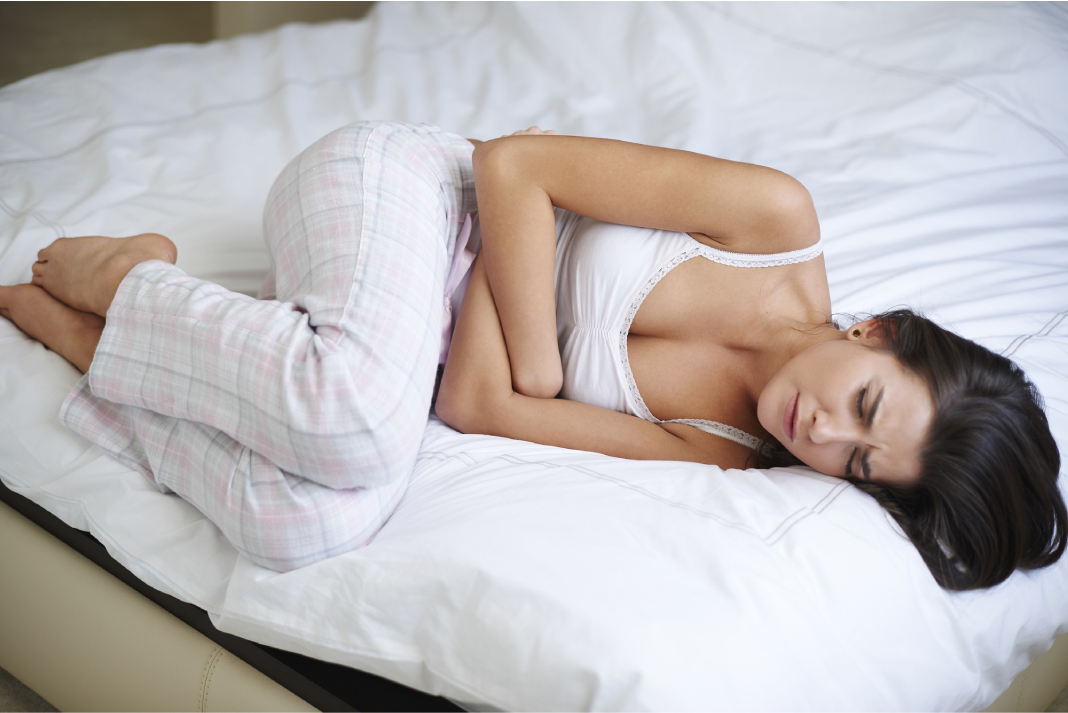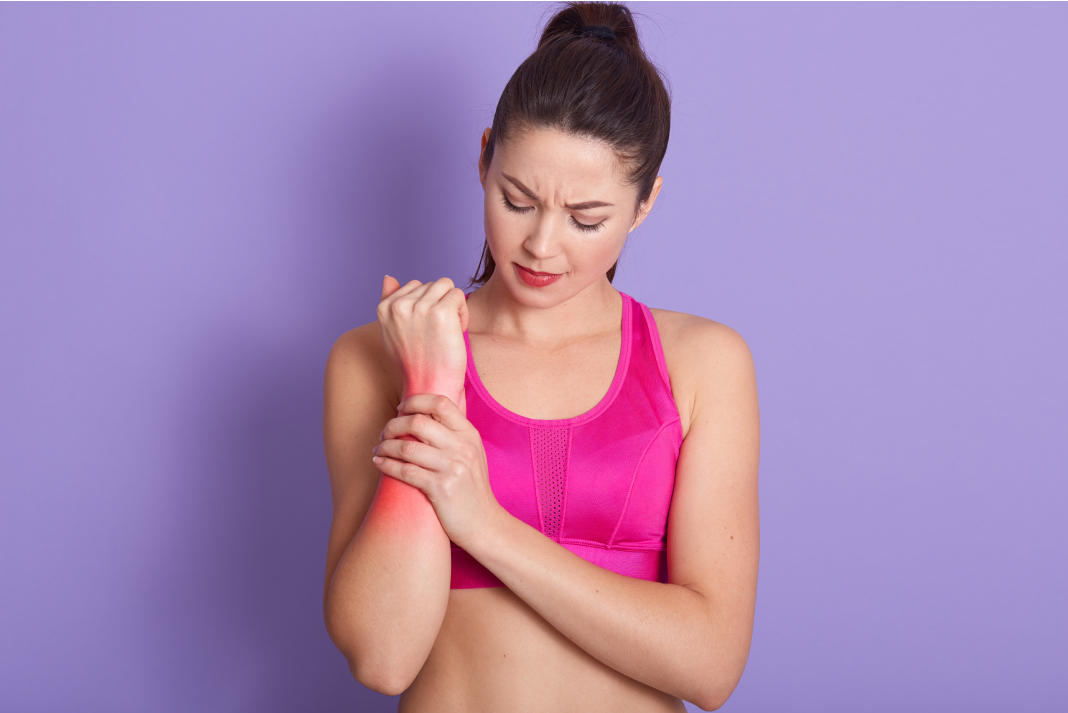


Menopause marks a significant milestone in a woman’s life — the end of menstruation and the beginning of a new hormonal chapter. It typically occurs between the ages of 45 and 55, accompanied by a drop in estrogen and progesterone levels, leading to symptoms such as:
- Hot flashes
- Mood swings
- Sleep disturbances
- Vaginal dryness
- Bone density loss
- Fatigue and low libido
While hormone replacement therapy (HRT) is effective, many women seek natural remedies with fewer side effects and long-term benefits. This guide covers 20 scientifically validated natural remedies, how they work, how to use them, risks involved, and expert insights.
🌿 1. Black Cohosh
- Mechanism: Acts like phytoestrogens, modulating estrogen receptors.
- Scientific Source: NCBI Study
- Benefits: Reduces hot flashes, night sweats, and mood swings.
- Usage: 40–80 mg/day capsule
- Risks: May cause nausea, liver issues in rare cases.
🌸 2. Red Clover
- Mechanism: Rich in isoflavones that mimic estrogen.
- Scientific Source: NCBI Study
- Benefits: Supports bone health, reduces hot flashes.
- Usage: 40–80 mg/day extract
- Risks: May interfere with anticoagulants.
🫘 3. Soy Isoflavones
- Mechanism: Binds estrogen receptors; acts as Selective Estrogen Receptor Modulator (SERM).
- Scientific Source: NCBI Study
- Benefits: Reduces hot flashes, cholesterol, supports bone health.
- Usage: 50–100 mg/day
- Risks: May interfere with thyroid medications.
🌾 4. Flaxseeds
- Mechanism: Contains lignans (phytoestrogens); helps regulate hormonal metabolism.
- Scientific Source: NCBI Study
- Usage: 1–2 tbsp ground flaxseed daily
- Risks: May cause bloating; avoid during hormone-sensitive cancers.
🌺 5. Evening Primrose Oil
- Mechanism: Gamma-linolenic acid (GLA) reduces inflammation and balances hormones.
- Scientific Source: NCBI Study
- Usage: 500–1,000 mg/day
- Risks: Can interfere with blood clotting.
🌿 6. Dong Quai
- Mechanism: Estrogen-like compounds support hormonal regulation.
- Scientific Source: NCBI Study
- Usage: 500 mg twice daily
- Risks: Avoid if on blood thinners.
🌱 7. Maca Root
- Mechanism: Adaptogenic herb balancing hypothalamic-pituitary-ovarian axis.
- Scientific Source: NCBI Study
- Usage: 2,000–3,000 mg/day
- Benefits: Enhances libido, energy, mood.
- Risks: Rare — insomnia or jitteriness.
🌿 8. Ginseng
- Mechanism: Improves adrenal function; reduces stress.
- Scientific Source: NCBI Study
- Usage: 200–400 mg/day
- Risks: May elevate blood pressure.
🌿 9. Valerian Root
- Mechanism: Boosts GABA, calms nervous system.
- Scientific Source: NCBI Study
- Usage: 200–400 mg before bed
- Risks: Drowsiness, liver concern on long-term use.
💧 10. Vitamin E
- Mechanism: Antioxidant that supports cellular estrogen receptor function.
- Scientific Source: NCBI Study
- Usage: 400 IU/day
- Risks: Avoid overdose (>1,000 IU/day)
🦠 11. Probiotics
- Mechanism: Enhances estrogen metabolism via gut microbiota.
- Scientific Source: NCBI Study
- Usage: Capsule or yogurt with live cultures
- Benefits: Aids digestion, mood, hormone clearance.
🌿 12. Ashwagandha
- Mechanism: Adaptogen reducing cortisol; balances hormones.
- Scientific Source: NCBI Study
- Usage: 500 mg twice daily
- Benefits: Mood, sleep, libido, energy
- Risks: Rare GI upset
🍇 13. Chasteberry (Vitex)
- Mechanism: Regulates pituitary hormones and prolactin.
- Scientific Source: NCBI Study
- Usage: 20–40 mg/day
- Risks: Hormone-sensitive condition risk
🌼 14. St. John’s Wort
- Mechanism: Increases serotonin, GABA levels.
- Scientific Source: NCBI Study
- Usage: 300–600 mg/day
- Risks: Drug interactions (antidepressants, OCPs)
🐟 15. Omega-3 Fatty Acids
- Mechanism: Anti-inflammatory, neuroprotective
- Scientific Source: NCBI Study
- Usage: 1,000 mg/day
- Benefits: Joint pain, mood, cognitive health
🔔 16. Magnesium
- Mechanism: Modulates neurotransmitters, supports nerve health.
- Scientific Source: NCBI Study
- Usage: 300–400 mg/day
- Benefits: Sleep, anxiety, bone health
💊 17. Calcium + Vitamin D
- Mechanism: Bone mineralization, reduces fracture risk
- Scientific Source: NCBI Study
- Usage: 1,000 mg Calcium + 800 IU D3
🌿 18. Licorice Root
- Mechanism: Phytoestrogens and cortisol regulation
- Scientific Source: NCBI Study
- Usage: 500 mg/day or tea
- Risks: May increase BP
🧠 19. Rhodiola Rosea
- Mechanism: Reduces fatigue, boosts serotonin
- Scientific Source: NCBI Study
- Usage: 200–400 mg/day
- Risks: Dizziness, irritability
🩺 20. Acupuncture
- Mechanism: Restores energy flow, balances endocrine system
- Scientific Source: NCBI Study
- Usage: 2 sessions/week, 8–10 weeks
- Benefits: Hot flashes, mood, sleep improvement
👩⚕️ Expert Quotes Section (Citations)
“Phytoestrogens like isoflavones have shown up to 50% reduction in hot flashes in clinical trials.”
– Dr. Susan F. Reed, University of Washington (PubMed Link)
“Probiotics enhance estrogen detoxification and reduce inflammation, crucial in menopausal transition.”
– Dr. Mary Jane Minkin, Yale School of Medicine
“Ashwagandha significantly reduces stress markers in menopausal women.”
– Dr. Chandrasekhar et al. (NCBI Study)
📋 Structured Daily Routine Example
| Time | Activity |
|---|---|
| Morning | Maca Root + Calcium-D |
| Breakfast | Flaxseed + Probiotic Yogurt |
| Mid-Morning | Red Clover Capsule |
| Lunch | Magnesium + Omega-3 |
| Evening | Ashwagandha + Dong Quai |
| Night | Valerian Root + Vitamin E |
❓ Frequently Asked Questions (FAQs)
1. How long do natural remedies take to work?
⏳ Most take 4–8 weeks for visible effects.
2. Are natural remedies as effective as HRT?
🚫 Not always as potent, but they are safer and well-tolerated.
3. Can I take multiple remedies?
✔ Yes, but consult your doctor to avoid herb-drug interactions.
4. Are there risks with phytoestrogens?
⚠ Mild for most, but avoid with hormone-sensitive cancers.
5. Are these safe for perimenopausal women?
✅ Yes, most remedies suit perimenopause.
6. Can diet alone help manage symptoms?
🍽 A balanced phytoestrogen-rich diet can significantly help.
7. Can I use these remedies alongside HRT?
🤝 Some remedies can complement HRT, but consult your healthcare provider.
8. Do exercise and lifestyle changes help?
🏋️♀️ Absolutely! Weight-bearing exercises, yoga, and stress management can reduce symptoms.
9. Are there specific foods that help with menopause symptoms?
🥑 Yes! Soy products, flaxseeds, leafy greens, and fatty fish can provide natural support.
10. Is acupuncture scientifically backed for menopause?
🩺 Yes, studies suggest it helps balance hormones and reduce hot flashes.
⚠️ Disclaimer
This guide is informational only and not a substitute for medical advice. Always consult a healthcare professional before starting any new supplement regimen.